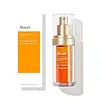
This brightening serum is formulated around Glycolic Acid and Ascorbic Acid to brighten dull-looking skin and refine skin texture.
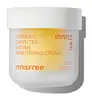
This brightening moisturizer is formulated around Niacinamide and 3-O-Ethyl Ascorbic Acid to brighten dull-looking skin and refine skin texture.


What's inside
What's inside
 Key Ingredients
Benefits
Concerns
Ingredients Side-by-side
Water
Skin ConditioningGlycerin
Humectant


Caprylic/Capric Triglyceride
Masking
Glycolic Acid
Buffering










Dimethicone
Emollient
Hdi/Trimethylol Hexyllactone Crosspolymer
Diisopropyl Sebacate
EmollientC13-16 Isoparaffin
Solvent
Sodium Hydroxide
BufferingPolyacrylate Crosspolymer-6
Emulsion StabilisingLactic Acid
Buffering
Dimethyl Isosorbide
SolventAscorbic Acid
Antioxidant

Urea
Buffering
Yeast Amino Acids
HumectantTrehalose
Humectant
Inositol
Humectant
Taurine
BufferingBetaine
Humectant
Glutathione

Tetrahexyldecyl Ascorbate
Antioxidant
Gold
Cosmetic ColorantMarrubium Vulgare Extract
Skin ConditioningVerbascum Thapsus Extract
Skin ConditioningZanthoxylum Bungeanum Fruit Extract
Skin ConditioningXymenynic Acid
EmollientTerminalia Ferdinandiana Fruit Extract
Antioxidant
Chlorella Vulgaris Extract
Skin ConditioningHexylresorcinol
Antimicrobial
Tocopheryl Acetate
Antioxidant
Tocopherol
Antioxidant
Cetearyl Isononanoate
Emollient
Oleyl Alcohol
Emollient




Butylene Glycol
Humectant
Polysilicone-11
Triheptanoin
Skin ConditioningPolyisobutene
Ethylhexylglycerin
Skin ConditioningSilica
Abrasive
Hydroxyethyl Acrylate/Sodium Acryloyldimethyl Taurate Copolymer
Emulsion StabilisingSodium Surfactin
CleansingHexylene Glycol
EmulsifyingPEG-7 Trimethylolpropane Coconut Ether
Emulsifying
Sorbitol
Humectant
Xanthan Gum
EmulsifyingDecyl Glucoside
Cleansing
Propanediol
Solvent
Sorbitan Isostearate
Emulsifying
1,2-Hexanediol
Skin Conditioning
Leuconostoc/Radish Root Ferment Filtrate
Antimicrobial
Tin Oxide
Abrasive
Citric Acid
Buffering
Caprylyl Glycol
Emollient
Phenoxyethanol
Preservative
Sodium Benzoate
Masking
Potassium Sorbate
Preservative
Mica
Cosmetic ColorantCI 77891
Cosmetic ColorantSodium Sulfate
Soy Protein Phthalate
EmollientGlutaral
Preservative
Paraffinum Liquidum
Emollient
Formaldehyde
Benzophenone-3
UV Absorber

Petrolatum
Emollient
Water, Glycerin, Caprylic/Capric Triglyceride, Glycolic Acid, Dimethicone, Hdi/Trimethylol Hexyllactone Crosspolymer, Diisopropyl Sebacate, C13-16 Isoparaffin, Sodium Hydroxide, Polyacrylate Crosspolymer-6, Lactic Acid, Dimethyl Isosorbide, Ascorbic Acid, Urea, Yeast Amino Acids, Trehalose, Inositol, Taurine, Betaine, Glutathione, Tetrahexyldecyl Ascorbate, Gold, Marrubium Vulgare Extract, Verbascum Thapsus Extract, Zanthoxylum Bungeanum Fruit Extract, Xymenynic Acid, Terminalia Ferdinandiana Fruit Extract, Chlorella Vulgaris Extract, Hexylresorcinol, Tocopheryl Acetate, Tocopherol, Cetearyl Isononanoate, Oleyl Alcohol, Butylene Glycol, Polysilicone-11, Triheptanoin, Polyisobutene, Ethylhexylglycerin, Silica, Hydroxyethyl Acrylate/Sodium Acryloyldimethyl Taurate Copolymer, Sodium Surfactin, Hexylene Glycol, PEG-7 Trimethylolpropane Coconut Ether, Sorbitol, Xanthan Gum, Decyl Glucoside, Propanediol, Sorbitan Isostearate, 1,2-Hexanediol, Leuconostoc/Radish Root Ferment Filtrate, Tin Oxide, Citric Acid, Caprylyl Glycol, Phenoxyethanol, Sodium Benzoate, Potassium Sorbate, Mica, CI 77891, Sodium Sulfate, Soy Protein Phthalate, Glutaral, Paraffinum Liquidum, Formaldehyde, Benzophenone-3, Petrolatum
Water
Skin ConditioningButylene Glycol
Humectant
Propanediol
Solvent
Glycerin
Humectant
Niacinamide
Smoothing
Isopentyldiol
Humectant
1,2-Hexanediol
Skin Conditioning
Hydrogenated Poly(C6-14 Olefin)
EmollientCaprylic/Capric Triglyceride
Masking
Isononyl Isononanoate
EmollientSqualane
Emollient
Ammonium Acryloyldimethyltaurate/Vp Copolymer
Acrylates/C10-30 Alkyl Acrylate Crosspolymer
Emulsion StabilisingArginine
Masking
Trehalose
Humectant
Hydroxyethyl Acrylate/Sodium Acryloyldimethyl Taurate Copolymer
Emulsion StabilisingSodium Acrylic Acid/Ma Copolymer
Dextrin
AbsorbentXanthan Gum
Emulsifying3-O-Ethyl Ascorbic Acid
Skin Conditioning
Cetearyl Olivate
Citrus Reticulata Peel Extract
Skin ConditioningCastor Oil/Ipdi Copolymer
Coptis Japonica Root Extract
Skin ConditioningEthylhexylglycerin
Skin ConditioningDaucus Carota Sativa Root Extract
Skin Conditioning
Sorbitan Olivate
Emulsifying
Canola Oil
Emollient
Cyclodextrin
AbsorbentSodium Phytate
Glyceryl Acrylate/Acrylic Acid Copolymer
HumectantSorbitan Isostearate
Emulsifying
Protease
Exfoliating
Caprylyl Glycol
Emollient
Pvm/Ma Copolymer
Emulsion StabilisingDaucus Carota Sativa Seed Oil
Emollient
Carbomer
Emulsion StabilisingAscorbyl Tetraisopalmitate
Antioxidant
Tocopheryl Acetate
Antioxidant
Beta-Carotene
Skin ConditioningHelianthus Annuus Seed Oil
Emollient
Amodimethicone
Glucose
Humectant
Sodium Hyaluronate
Humectant
Panthenol
Skin Conditioning
Chondrus Crispus Extract
Skin Conditioning
Hydroxypropyltrimonium Hyaluronate
Sodium Ascorbyl Phosphate
Antioxidant
Tocopherol
Antioxidant
Magnesium Ascorbyl Phosphate
Antioxidant
Glutathione
Ferulic Acid
Antimicrobial
Linum Usitatissimum Seed Oil
Perfuming
Hydrolyzed Hyaluronic Acid
Humectant
Sodium Acetylated Hyaluronate
Humectant
Cyanocobalamin
Skin ConditioningGluconolactone
Skin Conditioning
Hyaluronic Acid
Humectant
Sodium Hyaluronate Crosspolymer
Humectant
Hydrolyzed Sodium Hyaluronate
Skin Conditioning
Potassium Hyaluronate
Skin ConditioningLinolenic Acid
Cleansing
Linoleic Acid
Cleansing
Ascorbic Acid
Antioxidant
Biotin
AntiseborrhoeicFolic Acid
Skin ConditioningRiboflavin
Cosmetic ColorantPyridoxine
Skin ConditioningThiamine Hcl
MaskingWater, Butylene Glycol, Propanediol, Glycerin, Niacinamide, Isopentyldiol, 1,2-Hexanediol, Hydrogenated Poly(C6-14 Olefin), Caprylic/Capric Triglyceride, Isononyl Isononanoate, Squalane, Ammonium Acryloyldimethyltaurate/Vp Copolymer, Acrylates/C10-30 Alkyl Acrylate Crosspolymer, Arginine, Trehalose, Hydroxyethyl Acrylate/Sodium Acryloyldimethyl Taurate Copolymer, Sodium Acrylic Acid/Ma Copolymer, Dextrin, Xanthan Gum, 3-O-Ethyl Ascorbic Acid, Cetearyl Olivate, Citrus Reticulata Peel Extract, Castor Oil/Ipdi Copolymer, Coptis Japonica Root Extract, Ethylhexylglycerin, Daucus Carota Sativa Root Extract, Sorbitan Olivate, Canola Oil, Cyclodextrin, Sodium Phytate, Glyceryl Acrylate/Acrylic Acid Copolymer, Sorbitan Isostearate, Protease, Caprylyl Glycol, Pvm/Ma Copolymer, Daucus Carota Sativa Seed Oil, Carbomer, Ascorbyl Tetraisopalmitate, Tocopheryl Acetate, Beta-Carotene, Helianthus Annuus Seed Oil, Amodimethicone, Glucose, Sodium Hyaluronate, Panthenol, Chondrus Crispus Extract, Hydroxypropyltrimonium Hyaluronate, Sodium Ascorbyl Phosphate, Tocopherol, Magnesium Ascorbyl Phosphate, Glutathione, Ferulic Acid, Linum Usitatissimum Seed Oil, Hydrolyzed Hyaluronic Acid, Sodium Acetylated Hyaluronate, Cyanocobalamin, Gluconolactone, Hyaluronic Acid, Sodium Hyaluronate Crosspolymer, Hydrolyzed Sodium Hyaluronate, Potassium Hyaluronate, Linolenic Acid, Linoleic Acid, Ascorbic Acid, Biotin, Folic Acid, Riboflavin, Pyridoxine, Thiamine Hcl
Ingredients Explained
These ingredients are found in both products.
Ingredients higher up in an ingredient list are typically present in a larger amount.
1,2-Hexanediol is a synthetic liquid and another multi-functional powerhouse.
It is a:
- Humectant, drawing moisture into the skin
- Emollient, helping to soften skin
- Solvent, dispersing and stabilizing formulas
- Preservative booster, enhancing the antimicrobial activity of other preservatives
Ascorbic Acid is is pure Vitamin C and is the biologically active form used directly by skin.
Not only is vitamin C great for your overall health and immune system, but it also has plenty of benefits for your skin. It is best supported by academic literature for:
Topical vitamin C has been shown to help neutralize oxidative stress from UV and pollution, helping to improve photoaging and hyperpigmentation when used consistently.
One clinical study found that using 5% topical vitamin C for six months improved signs of photodamaged skin, both on the surface and in the deeper structural layers of the skin.
While vitamin C doesn’t replace sunscreen, studies show it can boost photoprotection when combined with Vitamin E and ferulic acid. These two ingredients help improve stability and protective effects.
The big downside of this ingredient is formulation difficulty. Vitamin C is prone to oxidation and doesn't penetrate the skin unless formulated correctly. Research found that vitamin C absorbs into the skin best at a low pH (< 3.5) with about 20% being the upper limit for effective absorption.
Skin levels can saturate after repeated application; this means your skin won’t keep absorbing more once it’s full of vitamin C. This is why more isn’t always better with vitamin C and why very high concentrations don’t necessarily give extra benefits.
Ascorbic acid generally works well with many skincare ingredients but can be irritating when combined with other active ingredients. Strong oxidizing acne treatments like benzoyl peroxide can reduce the effectiveness of vitamin C if they are used at the same time; they are often recommended for use at different times of day.
Read more about other types of Vitamin C:
Foods rich with vitamin C include oranges, strawberries, broccoli, bell peppers, and more. When consuming Vitamin C, your skin receives a portion of the nutrients.
Learn more about Ascorbic AcidButylene Glycol (or BG) is used within cosmetic products for a few different reasons:
Overall, Butylene Glycol is a safe and well-rounded ingredient that works well with other ingredients.
Though this ingredient works well with most skin types, some people with sensitive skin may experience a reaction such as allergic rashes, closed comedones, or itchiness.
Learn more about Butylene GlycolCaprylic/Capric Triglyceride (aka MCT Oil) is a lightweight emollient, solvent, and texture enhancer. It is considered a skin-softener by helping to prevent moisture loss.
Though it behaves like an oil, it is not technically one due to its chemical composition. One perk of this ingredient is that it is very stable, resistant to oxidation, and unlikely to go rancid.
In practice, that translates to a long shelf life and a consistently elegant skin feel.
While there is an assumption Caprylic Triglyceride can clog pores due to it being derived from coconut oil, there is no research supporting this. Just patch test if you have concerns.
Fractionated coconut oil and MCT Oil are both listed as Caprylic/Capric Triglyceride according to INCI. This is because INCI names are based on the ingredient’s final chemical composition and not its marketing name or source.
This ingredient is treated as the gold standard fungal acne safe oil. Even though it is coconut derived, the problematic lauric acid is stripped out.
This leaves just caprylic (C8) and capric (C10) acid. These chain lengths actually trend antifungal; a 2020 study found caprylic acid was enough to disrupt Malassezia furfur cell membrane, with a caprylic acid derivative damaging membrane structures at concentrations as low as 0.2%.
Learn more about Caprylic/Capric TriglycerideCaprylyl Glycol is a humectant, skin conditioner, emollient, and preservative booster derived from either caprylic acid or synthetically created.
Typical use levels vary from 0.3-1% as a preservative booster and go up to 2% to condition skin.
Because it is not a free-fatty acid, this ingredient is fungal acne safe (there's nothing for Malassezia to feed on).
Learn more about Caprylyl GlycolEthylhexylglycerin is created from glycerin. It is a multitasker ingredient that:
The CIR Expert Panel found minimal skin absorption or sensitization of any kind in a safety assessment. Though this ingredient is considered well-tolerated, a small number of cases of allergic dermatitis have been published since 2002. Just be sure to patch test if you are unsure.
Industry-reported use ranges from 8% in rinse-off products and 2% in leave-on formulations.
Learn more about EthylhexylglycerinGlutathione is a tiny protein-like molecule (a "tripeptide" build from 3 amino acids: glycine, cysteine, and glutamic acid) that your body already makes on its own.
Inside your body, it acts as one of the skin's main antioxidants that help fight against free radicals.
In skincare, it's best known as a brightening ingredient that slows down tyrosinase, the key enzyme that makes skin pigment. It also nudges the skin toward making a lighter type of pigment instead of a darker one.
This is why you'll see it in products aimed at dark spots and uneven tone.
A small number of real human trials have found a topical glutathione lotion:
The honest caveat is that the current evidence is still thin (few studies, small groups, short timelines). Glutathione also doesn't absorb into skin very easily so results tend to be modest and fade if you stop using it.
One thing worth clearing up:
The scary side effects you may have heard about come from glutathione injected intravenously, which has real safety concerns. Applying it topically is a completely different thing and has a clean track record.
Most human studies used it around 2% (as Glutathione or Glutathione Disulfide) and a 2% oxidized glutathione lotion and a 2% S-acyl glutathione cream are the concentrations with actual clinical data behind them.
There's no established "ideal" percentage yet but 1-2% is the evidence-backed range.
Allergy-wise, there is very low risk for this ingredient; it was well-tolerated across the topical trials. Only one participant had mild temporary redness that cleared up on its own and another study reported no adverse reactions at all.
One trial had ~10% of users drop out for irritation was using a combination cream that also had 10% azelaic acid so the irritation likely wasn't from the glutathione. There's no notable contact-allergy signal for topical glutathione in the literature but patch-testing before first use is still sensible for those with sensitive skin.
Learn more about GlutathioneGlycerin (or glycerol) is a compound naturally found in your skin. It's a powerhouse humectant that pulls water into the stratum corneum.
Topically, glycerin does several things at once:
Your skin makes glycerin on its own (mostly from sebaceous oil breakdown) and shuttles it to your outermost layer of skin, or your epidermis, via aquaporin-3.
Aquaporin-3 is a transporter that is essential for normal skin hydration, elasticity, and repair. Interestingly, mice lacking in AQP3 have dry and less elastic skin that can be fully corrected with glycerin.
This ingredient is non-irritating, plays well with almost every ingredient, and works across all skin types. Typical use is anywhere between 3-10% but can go up to 79% in some leave-on products.
Just know very high concentrations (>40%) can feel tacky in low humidity.
Glycerin is the name for this ingredient in American English. British English uses Glycerol/Glycerine.
Learn more about GlycerinThis is a synthetic polymer. It helps improve the texture of products by adding thickness and gel-like feel.
It is also an emulsifer, meaning it prevents ingredients such as oil and water from separating. It also helps evenly disperse other ingredients.
Propanediol is an all-star ingredient. It softens, hydrates, and smooths the skin.
It’s often used to:
Propanediol is not likely to cause sensitivity and considered safe to use. It is derived from corn or petroleum with a clear color and no scent.
Learn more about PropanediolSorbitan Isostearate is an emulsifer. It is created from isostearic acid and sorbitol.
As an emulsifier, it keeps the water and oil ingredients from separating. This keeps formulas stable and smooth.
In a 24 hour occlusive patch test on 56 subjects, 10% sorbitan isostearate was completely non-irritating. Most formulas use less than 10%.
Because it's a fatty acid ester, it may not be fungal acne safe since the Malassezia yeast can utilize it as a nutrient source.
Learn more about Sorbitan IsostearateTocopherol is a fat-soluble antioxidant known as Vitamin E.
You'll find this ingredient in the vast majority of skincare (for good reason). It works to neutralize free radicals, or unstable molecules generated by UV exposure, pollution, and other environmental stressors, before they can cause oxidative damage to your skin cells.
Topically applied tocopherol has been shown to protect against UV damage by ramping up the skin's own natural defense enzymes.
It also acts as a skin conditioning agent; some studies show that regular topical use can improve the skin's water-binding capacity over 2-4 weeks.
This ingredient is especially loved for being a team player. When combined with Vitamin C, the photoprotective effect of both ingredients roughly doubles and the combo also helps reduce UV-induced DNA damage.
This ingredient has some brightening potential but it's more of a prevention ingredient than spot-fader. Cell studies show it can slow down melanin production but it's worth noting that it's not the most powerful brightener out there.
In formulations, it also serves as a stabilizer that helps protect other oxidation-prone ingredients from degrading.
Concentrations usually range from 0.1-1% in most leave-on products.
Learn more about TocopherolTocopheryl Acetate is a stable, shelf-friendly form of vitamin E.
Formulators love it because plain vitamin E oxidizes quickly once it hits air. This acetate version stays stable and resists going off, helping to extend a product's shelf life.
It's actually inactive on its own and works like a slow-release "storage" form; the enzymes in your skin called esterases gradually convert it into active vitamin E over time.
One in vivo study showed 5% of the acetate in the living layer of the epidermis converted to vitamin E after 5 days of application. This study also found the skin gained protection against UV damage even though the conversion was slow and small.
Once converted, vitamin E acts as a skin's main fat-soluble antioxidant that fights free radicals to protect skin from damage.
Topical vitamin E generally boosts the skin's photoprotection, and it reduced UV-damage in animal models.
This ingredient has some brightening potential but it's more of a prevention ingredient than spot-fader. Cell studies show it can slow down melanin production but it's worth noting that it's not the most powerful brightener out there.
Overall, it has a pretty solid safety profile and has been found to be non-irritating and non-comedogenic. Allergic reactions may happen but stay rare due to how widely the ingredient gets used.
The concentration will vary depending on the formula; industry data shows 0.1% in baby lotions, 3% in lipsticks, and 5% in foot powders. You can also find this ingredient at 100% in a pure vitamin E oil.
Most leave-on skincare keeps it at the lower end, often between 0.5-1%.
Learn more about Tocopheryl AcetateTrehalose is a disaccharide made of two glucose molecules (glucose is sugar!). Trehalose is used to help moisturize skin. It also has antioxidant properties.
As a humectant, trehalose helps draw moisture from the air to your skin. This helps keep your skin hydrated.
Due to its antioxidant properties, trehalose may help with signs of aging. Antioxidants help fight free-radical molecules, unstable molecules that may damage your skin.
In medicine, trehalose and hyaluronic acid are used to help treat dry eyes.
Some animals, plants, and bacteria create trehalose as a source of energy to survive freeze or lack of water.
Learn more about TrehaloseWater. It's the most common cosmetic ingredient of all. You'll usually see it at the top of ingredient lists, meaning that it makes up the largest part of the product.
So why is it so popular? Water most often acts as a solvent - this means that it helps dissolve other ingredients into the formulation.
You'll also recognize water as that liquid we all need to stay alive. If you see this, drink a glass of water. Remember to stay hydrated!
Learn more about WaterXanthan gum is used as a stabilizer and thickener within cosmetic products. It helps give products a sticky, thick feeling - preventing them from being too runny.
On the technical side of things, xanthan gum is a polysaccharide - a combination consisting of multiple sugar molecules bonded together.
Xanthan gum is a pretty common and great ingredient. It is a natural, non-toxic, non-irritating ingredient that is also commonly used in food products.
Learn more about Xanthan Gum

