This anti-aging eye moisturizer is formulated around Niacinamide and Palmitoyl Tripeptide-5 to soften the look of wrinkles.
This anti-aging eye moisturizer is formulated around Niacinamide and Palmitoyl Tripeptide-5 to soften the look of wrinkles.

What's inside
What's inside
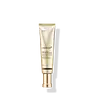 Key Ingredients
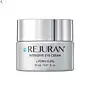
Benefits
Concerns
Ingredients Side-by-side
Water
Skin ConditioningMethylpropanediol
SolventGlycerin
Humectant


Cyclopentasiloxane
Emollient
Butylene Glycol
Humectant
Hydrogenated Poly(C6-14 Olefin)
EmollientDipropylene Glycol
HumectantCaprylic/Capric Triglyceride
Masking
Panthenol
Skin Conditioning

Niacinamide
Smoothing







Squalane
Emollient
Glyceryl Stearate
Emollient

Butyrospermum Parkii Butter
Skin Conditioning


1,2-Hexanediol
Skin Conditioning
Polyglyceryl-3 Distearate
Emulsifying
Cetearyl Olivate
C14-22 Alcohols
Emulsion Stabilising
Stearyl Alcohol
Emollient
Cetyl Alcohol
Emollient
Sorbitan Olivate
Emulsifying
Hydrogenated Lecithin
Emulsifying
Polysorbate 60
Emulsifying
Limnanthes Alba Seed Oil
Skin Conditioning
Palmitic Acid
Emollient
Stearic Acid
Cleansing
C12-20 Alkyl Glucoside
EmulsifyingAmmonium Acryloyldimethyltaurate/Vp Copolymer
Dimethiconol
Emollient
Parfum
Masking


Ethylhexylglycerin
Skin ConditioningSodium Stearoyl Glutamate
CleansingSaccharide Hydrolysate
HumectantGlyceryl Stearate Citrate
Emollient
Fructooligosaccharides
Humectant
Allantoin
Skin Conditioning
Acrylates/C10-30 Alkyl Acrylate Crosspolymer
Emulsion StabilisingTromethamine
BufferingCaprylyl Glycol
Emollient
Pullulan
Dipotassium Glycyrrhizate
Humectant
Saccharum Officinarum Extract
MoisturisingAdenosine
Skin Conditioning
Sorbitan Laurate
Emulsifying
Disodium EDTA
ChelatingSodium Hyaluronate
Humectant
Hydroxyethylcellulose
Emulsion StabilisingAcetyl Dipeptide-1 Cetyl Ester
Skin Conditioning
Myristyl Alcohol
Emollient
Myristic Acid
Cleansing
Hyaluronic Acid
Humectant
Glucose
Humectant
Arachidic Acid
Cleansing
Lauryl Alcohol
Emollient
Alpha-Isomethyl Ionone
Perfuming
Acetyl Hexapeptide-1
Skin Conditioning
Sodium Hyaluronate Crosspolymer
Humectant
Hydrolyzed Sodium Hyaluronate
Skin Conditioning
Hydrolyzed Hyaluronic Acid
Humectant
Ceramide NP
Skin Conditioning
Atelocollagen
Skin Conditioning
Desamido Collagen
Skin Conditioning
Palmitoyl Tripeptide-5
Skin Conditioning
Oleic Acid
Emollient
Hydrolyzed Elastin
EmollientHydrolyzed Collagen
Emollient
Soluble Collagen
Humectant
Sodium Acetylated Hyaluronate
Humectant
Hydroxypropyltrimonium Hyaluronate
Collagen
Moisturising
Collagen Amino Acids
Moisturising
Acetyl Octapeptide-3
Humectant
Procollagen
Skin Conditioning
Magnesium PCA
Humectant
Copper Tripeptide-1
Skin Conditioning
Serine
Masking
Sucrose
Humectant
Glycine
Buffering
Calcium Chloride
AstringentSea Salt
Abrasive
Alanine
Masking
Magnesium Chloride
Threonine
Histidine
Humectant
Aspartic Acid
Masking
Valine
MaskingProline
Skin Conditioning
Dipotassium Phosphate
BufferingLysine
Skin ConditioningLeucine
Skin ConditioningTyrosine
MaskingIsoleucine
Skin ConditioningMagnesium Citrate
Skin ConditioningGlucosamine Hcl
Phenylalanine
Masking
Glutamic Acid
Humectant
Arginine
Masking
1-Methylhydantoin-2-Imide
Skin ConditioningAsparagine
MaskingCitrulline
Skin ConditioningMethionine
Skin ConditioningTaurine
BufferingTryptophan
MaskingFormic Acid
Preservative
Glutamine
Skin ConditioningCysteine
Antioxidant
Water, Methylpropanediol, Glycerin, Cyclopentasiloxane, Butylene Glycol, Hydrogenated Poly(C6-14 Olefin), Dipropylene Glycol, Caprylic/Capric Triglyceride, Panthenol, Niacinamide, Squalane, Glyceryl Stearate, Butyrospermum Parkii Butter, 1,2-Hexanediol, Polyglyceryl-3 Distearate, Cetearyl Olivate, C14-22 Alcohols, Stearyl Alcohol, Cetyl Alcohol, Sorbitan Olivate, Hydrogenated Lecithin, Polysorbate 60, Limnanthes Alba Seed Oil, Palmitic Acid, Stearic Acid, C12-20 Alkyl Glucoside, Ammonium Acryloyldimethyltaurate/Vp Copolymer, Dimethiconol, Parfum, Ethylhexylglycerin, Sodium Stearoyl Glutamate, Saccharide Hydrolysate, Glyceryl Stearate Citrate, Fructooligosaccharides, Allantoin, Acrylates/C10-30 Alkyl Acrylate Crosspolymer, Tromethamine, Caprylyl Glycol, Pullulan, Dipotassium Glycyrrhizate, Saccharum Officinarum Extract, Adenosine, Sorbitan Laurate, Disodium EDTA, Sodium Hyaluronate, Hydroxyethylcellulose, Acetyl Dipeptide-1 Cetyl Ester, Myristyl Alcohol, Myristic Acid, Hyaluronic Acid, Glucose, Arachidic Acid, Lauryl Alcohol, Alpha-Isomethyl Ionone, Acetyl Hexapeptide-1, Sodium Hyaluronate Crosspolymer, Hydrolyzed Sodium Hyaluronate, Hydrolyzed Hyaluronic Acid, Ceramide NP, Atelocollagen, Desamido Collagen, Palmitoyl Tripeptide-5, Oleic Acid, Hydrolyzed Elastin, Hydrolyzed Collagen, Soluble Collagen, Sodium Acetylated Hyaluronate, Hydroxypropyltrimonium Hyaluronate, Collagen, Collagen Amino Acids, Acetyl Octapeptide-3, Procollagen, Magnesium PCA, Copper Tripeptide-1, Serine, Sucrose, Glycine, Calcium Chloride, Sea Salt, Alanine, Magnesium Chloride, Threonine, Histidine, Aspartic Acid, Valine, Proline, Dipotassium Phosphate, Lysine, Leucine, Tyrosine, Isoleucine, Magnesium Citrate, Glucosamine Hcl, Phenylalanine, Glutamic Acid, Arginine, 1-Methylhydantoin-2-Imide, Asparagine, Citrulline, Methionine, Taurine, Tryptophan, Formic Acid, Glutamine, Cysteine
Water
Skin ConditioningCetyl Alcohol
Emollient
Cyclopentasiloxane
Emollient
Dimethicone
Emollient
Stearic Acid
Cleansing
Squalane
Emollient
Glycerin
Humectant
Isopropyl Palmitate
Emollient
Butylene Glycol
Humectant
Hydrogenated Polyisobutene
EmollientIsodecyl Neopentanoate
EmollientNiacinamide
Smoothing
1,2-Butanediol
HumectantCalendula Officinalis Seed Oil
Skin Conditioning
PEG-20 Methyl Glucose Sesquistearate
Emulsifying
Stearyl Alcohol
Emollient
Butyrospermum Parkii Butter
Skin Conditioning
Pvp
Emulsion StabilisingMethyl Glucose Sesquistearate
Emollient
Scutellaria Baicalensis Extract
AntimicrobialPinus Pinaster Bark Extract
Antioxidant
Hydrolyzed DNA
Skin ConditioningPanthenol
Skin Conditioning
Potassium Cetyl Phosphate
EmulsifyingBisabolol
Antioxidant
Palmitoyl Tripeptide-5
Skin Conditioning
Dimethicone/Vinyl Dimethicone Crosspolymer
Skin Conditioning
Glycyrrhiza Glabra Root Extract
Bleaching
Morus Nigra Fruit Extract
Skin ConditioningRubus Idaeus Leaf Extract
Skin ConditioningCitrus Grandis Peel Oil
Masking

CI 77491
Cosmetic ColorantSodium Hyaluronate
Humectant
Acetyl Hexapeptide-8
Humectant
Ammonium Acryloyldimethyltaurate/Vp Copolymer
CI 77492
Cosmetic ColorantHyaluronic Acid
Humectant
Palmitoyl Pentapeptide-4
Skin Conditioning
Tocopheryl Acetate
Antioxidant
Retinyl Palmitate
Skin Conditioning
Trehalose
Humectant
Urea
Buffering
Glyceryl Polyacrylate
Ethylhexylglycerin
Skin ConditioningSodium Benzoate
Masking
Sodium Hydroxide
BufferingAdenosine
Skin Conditioning
Pentylene Glycol
Skin Conditioning
Silica
Abrasive
Serine
Masking
Hydrogenated Lecithin
Emulsifying
Algin
MaskingCaprylyl Glycol
Emollient
Pullulan
Disodium Phosphate
BufferingLavandula Angustifolia Oil
Masking
Ceramide NP
Skin Conditioning
Oleic Acid
Emollient
Potassium Phosphate
BufferingCitrus Aurantium Bergamia Fruit Oil
Masking
Inulin Lauryl Carbamate
Emulsion StabilisingCholesterol
Emollient
Water, Cetyl Alcohol, Cyclopentasiloxane, Dimethicone, Stearic Acid, Squalane, Glycerin, Isopropyl Palmitate, Butylene Glycol, Hydrogenated Polyisobutene, Isodecyl Neopentanoate, Niacinamide, 1,2-Butanediol, Calendula Officinalis Seed Oil, PEG-20 Methyl Glucose Sesquistearate, Stearyl Alcohol, Butyrospermum Parkii Butter, Pvp, Methyl Glucose Sesquistearate, Scutellaria Baicalensis Extract, Pinus Pinaster Bark Extract, Hydrolyzed DNA, Panthenol, Potassium Cetyl Phosphate, Bisabolol, Palmitoyl Tripeptide-5, Dimethicone/Vinyl Dimethicone Crosspolymer, Glycyrrhiza Glabra Root Extract, Morus Nigra Fruit Extract, Rubus Idaeus Leaf Extract, Citrus Grandis Peel Oil, CI 77491, Sodium Hyaluronate, Acetyl Hexapeptide-8, Ammonium Acryloyldimethyltaurate/Vp Copolymer, CI 77492, Hyaluronic Acid, Palmitoyl Pentapeptide-4, Tocopheryl Acetate, Retinyl Palmitate, Trehalose, Urea, Glyceryl Polyacrylate, Ethylhexylglycerin, Sodium Benzoate, Sodium Hydroxide, Adenosine, Pentylene Glycol, Silica, Serine, Hydrogenated Lecithin, Algin, Caprylyl Glycol, Pullulan, Disodium Phosphate, Lavandula Angustifolia Oil, Ceramide NP, Oleic Acid, Potassium Phosphate, Citrus Aurantium Bergamia Fruit Oil, Inulin Lauryl Carbamate, Cholesterol
Reviews
Ingredients Explained
These ingredients are found in both products.
Ingredients higher up in an ingredient list are typically present in a larger amount.
Adenosine is a purine nucleoside that your body already makes in every cell. In skincare, it acts mainly as a skin conditioning and anti-aging agent.
The way it works is fairly well mapped out:
Your skin has cells called fibroblasts that build collagen (the stuff that keeps skin firm and smooth). Adenosine basically flips a switch on these cells that tells them to get to work making more collagen and other proteins. These cells slow down on their own as skin ages, so Adenosine helps give them a little nudge to keep going.
The clinical backing is pretty solid too.
A blind, randomized, placebo-controlled trial of 126 women aged 45-65 tested a 0.1% cream twice daily and found real improvements in crow's feet and frown lines using a precise 3D skin-mapping technique; these changes showed up by week 3 and held at 2 months.
A later study using Adenosine-loaded dissolving microneedle patches reported gains in wrinkle depth, dermal density, elasticity, and hydration.
On concentrations, South Korea's Ministry of Food and Drug Safety has set 0.04% as the approved functional anti-wrinkle level. You'll typically see this ingredient used somewhere in the 0.04-0.1% range since it works at low doses.
This ingredient has been found safe for cosmetics with the data showing no irritation or sensitization.
Overall, this is a great ingredient for any anti-aging routine and has no photosensitizing effect, so it suits both AM and PM use.
Learn more about AdenosineAmmonium Acryloyldimethyltaurate/Vp Copolymer is a synthetically created polymer. It's used as a film-forming agent and used to thicken the consistency of products.
Think of it as a supportive ingredient that helps your gel-creams feel silky, "cloud cream-like", and spread evenly without being greasy.
The Cosmetic Ingredient Review (CIR) Expert Panel evaluated it (along with 22 other acryloyldimethyltaurate polymers) and concluded it's:
Due to its large molecular size, it sits on the surface of skin rather than penetrating it.
Learn more about Ammonium Acryloyldimethyltaurate/Vp CopolymerButylene Glycol (or BG) is used within cosmetic products for a few different reasons:
Overall, Butylene Glycol is a safe and well-rounded ingredient that works well with other ingredients.
Though this ingredient works well with most skin types, some people with sensitive skin may experience a reaction such as allergic rashes, closed comedones, or itchiness.
Learn more about Butylene GlycolThis ingredient is also known as shea butter. It is a plant-derived extract from the nuts of the Africa shea tree and one of the most well-studied emollients.
Because it has a high concentration of fatty acids (primarily oleic, stearic, and linoleic) it is able to form a protective barrier on the skin's surface. This helps seal in moisture and prevents transepidermal water loss (TEWL).
In vitro research found an increase in skin hydration by 58% and a decrease in TEWL by 37.8% after 24 hours of applying this ingredient (pretty impressive for a single ingredient!).
Besides hydration, shea butter also contains triterpenes that have anti-inflammatory potential. In particule, lupeol cinnamate has shown the highest anti-inflammatory activity in vivo.
Shea butter also contains vitamins A and E which may contribute to antioxidant activity.
While Shea Butter has an SPF rating of about 3-4, it is not a sunscreen replacement.
This ingredient may not be fungal acne safe because its fatty acids fall within the C11-C24 range that the Malassezia yeast can metabolize.
This ingredient shows up on a lot of "pore-clogging" lists but there's no real evidence behind that. It doesn't even have a comedogenic rating from an actual study; the numbers you'll find online come from blogs citing other blogs.
Ratings for other ingredients mostly come from a 1980s rabbit ear test. This test doesn't translate well to human skin or to real products because the ingredient sits at a much lower percentage.
Some people still find it breaks them out. So if that's you, definitely trust your skin. Just know this one's based on experience and not evidence.
Learn more about Butyrospermum Parkii ButterCaprylyl Glycol is a humectant, skin conditioner, emollient, and preservative booster derived from either caprylic acid or synthetically created.
Typical use levels vary from 0.3-1% as a preservative booster and go up to 2% to condition skin.
Because it is not a free-fatty acid, this ingredient is fungal acne safe (there's nothing for Malassezia to feed on).
Learn more about Caprylyl GlycolCeramide NP (formerly known as Ceramide 3) is one of the skin's naturally occurring lipids.
Since ceramides are the major lipid components of the skin, they are crucial for maintaining skin barrier and hydration. Ceramide NP most closely mirrors the dominant kind in human skin amongst ceramide subtypes.
This ceramide works by slotting into gaps within the stratum corneum's lipid matrix to limit trans-epidermal water loss (TEWL) and shield the skin against external irritants.
A study with 312 patients found that using a ceramide-containing routine for 4 weeks reduced the severity of atopic dermatitis by over 61%.
Another clinical study in subjects aged 60 and older found that a ceramide body wash and moisturizer improved skin dryness and itchy skin in 15 days.
Overall, ceramides are considered non-irritating and safety tests have found little to no observable adverse effects from using this ingredient.
Ceramide NP is usually sourced from plants (like soybean or rice bran), or produced synthetically.
Learn more about Ceramide NPCetyl Alcohol is a fatty alcohol. Fatty Alcohols are most often used as an emollient or to thicken a product.
Its main roles are:
Though it has "alcohol" in the name, it is not related to denatured alcohol or ethyl alcohol.
The FDA allows products labeled "alcohol-free" to have fatty alcohols.
This ingredient may not be fungal acne safe. It is a primary fatty alcohol with a chain length above 12 carbons. A study from 2019 show Malassezia can feed on fatty alcohols in this range, so it may trigger fungal acne in those prone to it.
Learn more about Cetyl AlcoholCyclopentasiloxane (D5) is a lightweight silicone that mostly acts as an emollient and solvent in cosmetics. Its the reason your products feel silky, fast-spreading, and non-greasy.
Since D5 is volatile, it does its thing and then evaporates off the skin quickly.
The safety profile of this ingredient is reassuring; the US CIR Expert Panel concluded D5 is safe as used in cosmetics and Health Canada concluded that D5 is not harmful to human health or the environment as currently used in cosmetics
There's a study that people mention about D5 in a rat study showing tumors. This study is related to long-term inhalation of high D5 levels.
Regulatory bodies have judged this study to be not applicable in topical skincare since skin absorption of D5 is very low and we're not really inhaling huge amounts of D5.
The only restriction for this ingredient is environmental. The European Chemicals Agency (ECHA) restricted D5 in wash-off cosmetics at or above 0.1% due to their persistence in water.
Learn more about CyclopentasiloxaneEthylhexylglycerin is created from glycerin. It is a multitasker ingredient that:
The CIR Expert Panel found minimal skin absorption or sensitization of any kind in a safety assessment. Though this ingredient is considered well-tolerated, a small number of cases of allergic dermatitis have been published since 2002. Just be sure to patch test if you are unsure.
Industry-reported use ranges from 8% in rinse-off products and 2% in leave-on formulations.
Learn more about EthylhexylglycerinGlycerin (or glycerol) is a compound naturally found in your skin. It's a powerhouse humectant that pulls water into the stratum corneum.
Topically, glycerin does several things at once:
Your skin makes glycerin on its own (mostly from sebaceous oil breakdown) and shuttles it to your outermost layer of skin, or your epidermis, via aquaporin-3.
Aquaporin-3 is a transporter that is essential for normal skin hydration, elasticity, and repair. Interestingly, mice lacking in AQP3 have dry and less elastic skin that can be fully corrected with glycerin.
This ingredient is non-irritating, plays well with almost every ingredient, and works across all skin types. Typical use is anywhere between 3-10% but can go up to 79% in some leave-on products.
Just know very high concentrations (>40%) can feel tacky in low humidity.
Glycerin is the name for this ingredient in American English. British English uses Glycerol/Glycerine.
Learn more about GlycerinHyaluronic acid (HA) is a glycosaminoglycan (basically a long sugar chain) that your skin already makes on its own. In your skin, HA lives in the extracellular matrix and acts as the body's moisture reservoir.
Topically, HA is a humectant that binds water and helps skin look more plump, smooth, and hydrated.
The only catch is that HA isn't a single thing; it actually comes in a wide range of molecular weights (~50 - 2,000+ kDA) and size matters.
Some clinical evidence links low molecular weight versions to improved wrinkle depth, elasticity, anti-inflammatory effects, and barrier repair.
This is why the best HA serums blend the two sizes together so you get the best of both worlds.
The majority of cosmetic HA is produced by bacterial fermentation, typically using Streptococcus or Bacillus strains. Typical use levels in skincare sit around 0.1-2%.
A clinical study using a 0.2% low-molecular weight HA gel showed improvement in facial seborrheic dermatitis with excellent tolerance.
These are some other common types of Hyaluronic Acid:
Learn more about Hyaluronic AcidHydrogenated Lecithin is a more stable version of lecithin.
It's made by taking lecithin (a phospholipid commonly found in soybeans and egg yolks) and hydrogenating it. This just means the unsaturated fatty acids are turned into saturated ones so they don't go bad as easily.
This ingredient is an emollient, emulsifier, and penetration enhancer. As an emollient, it helps soften and hydrate skin by trapping moisture within. As an emulsifier, it prevents oil and water ingredients from separating.
Hydrogenated Lecithin can form tiny spherical structures made of phospholipid bilayers called liposomes. These liposomes are able to capture compounds inside their structure and deliver them through the skin barrier.
Because phospholipids are a natural component of our cell membranes, this ingredient is inherently compatible with skin.
A 2021 study found lecithin-based surfactants were less harsh and more tolerable comared to Sodium Lauryl Sulfate (SLS).
Learn more about Hydrogenated LecithinNiacinamide is a multitasking form of vitamin B3 that strengthens the skin barrier, reduces pores and dark spots, regulates oil, and improves signs of aging.
And the best part? It's gentle and well-tolerated by most skin types, including sensitive and reactive skin.
You might have heard of "niacin flush", or the reddening of skin that causes itchiness. Niacinamide has not been found to cause this.
In very rare cases, some individuals may not be able to tolerate niacinamide at all or experience an allergic reaction to it.
If you are experiencing flaking, irritation, and dryness with this ingredient, be sure to double check all your products as this ingredient can be found in all categories of skincare.
When incorporating niacinamide into your routine, look out for concentration amounts. Typically, 5% niacinamide provides benefits such as fading dark spots. However, if you have sensitive skin, it is better to begin with a smaller concentration.
When you apply niacinamide to your skin, your body converts it into nicotinamide adenine dinucleotide (NAD). NAD is an essential coenzyme that is already found in your cells as "fuel" and powers countless biological processes.
In your skin, NAD helps repair cell damage, produce new healthy cells, support collagen production, strengthen the skin barrier, and fight environmental stressors (like UV and pollution).
Our natural NAD levels start to decline with age, leading to slower skin repair, visible aging, and a weaker skin barrier. By providing your skin niacinamide, you're recharging your skin's NAD levels. This leads to stronger, healthier, and younger looking skin.
Another name for vitamin B3 is nicotinamide. This vitamin is water-soluble and our bodies don't store it. We obtain Vitamin B3 from either food or skincare. Meat, fish, wheat, yeast, and leafy greens contain vitamin B3.
The type of niacinamide used in skincare is synthetically created.
Learn more about NiacinamideOleic Acid is an Omega-9 fatty acid that can be found naturally in your skin's sebum and in many plant oils such as avocado and olive oil.
It is an emollient that helps soften skin and prevent moisture loss.
Research shows:
A 1998 study did find that applying oleic acid at higher concentrations may cause irritation and disrupt the skin barrier. Modern formulations typically use low levels that is well-tolerated.
The culprit behind fungal acne, the Malassezia yeast, feeds on fatty acids with carbon chain lengths between C11-C24. Oleic Acid, at C18, falls right into that sweet spot.
In vitro studies have shown that Oleic Acid is one of the fatty acids that induce rapid Malassezia growth in lab settings.
Oleic Acid is widely listed with a comedogenic rating but no published study has ever actually assigned it one.
The 0 to 5 scale everyone quotes comes from Fulton's 1989 survey in the Journal of the Society of Cosmetic Chemists and Oleic Acid does not appear in his fatty acid tables at all; what he did test were related ingredients built from it, like Decyl Oleate and Oleyl Alcohol (which did get ratings).
Somewhere along the way people seem to have borrowed those numbers for Oleic Acid itself.
So why is it considered comedogenic? Oleic Acid has been studied. Researchers in 1971 and 1983 applied it to rabbit ears (the standard test back then) and it did clog pores. The 1983 study also found something useful: oxidized Oleic Acid, meaning the kind that's gone rancid, clogged pores noticeably more than fresh Oleic Acid did.
It's just worth keeping in mind that these tests used rabbit skin which reacts more easily than ours. They also used much higher concentrations than you'd ever find in a real product.
A 2006 study on actual people found finished products made with comedogenic ingredients often turn out not to be comedogenic at all. As always, listen to your skin.
Learn more about Oleic AcidPalmitoyl Tripeptide-5 is a synthetic signal lipopeptide. This just means it is a three amino acid chain bolted onto a palmitic acid tail so it can slip through the skin's lipid barrier.
This peptide has a "build more, lose less" approach.
It's designed to mimic the collagen-stimulating activity in your skin by copying a snippet of one of your skin's own matrix proteins. This nudges fibroblasts into making more collagen while inhibiting the enzyme that breaks down skin protein.
The manufacturer's in vivo study of 45 volunteers found 1% and 2.5% reduced the appearance of wrinkles by 7% and 12% respectively, after using it twice daily for 84 days.
This is in the expected range for peptides; they're slow and cumulative actives and not overnight fixers.
Typical use levels range from 1-3% and this ingredient gets along with pretty much everything.
On the fungal acne front:
Although palmitic acid sits in the chain length that Malassezia can feed on, this ingredient has it locked in an amine bond. This makes it hard for Malassezia to access as a source of food, and therefore fungal acne safe.
Panthenol is a common ingredient that helps hydrate and soothe the skin. It is found naturally in our skin and hair.
There are two forms of panthenol: D and L.
D-panthenol is also known as dexpanthenol. Most cosmetics use dexpanthenol or a mixture of D and L-panthenol.
Panthenol is famous due to its ability to go deeper into the skin's layers. Using this ingredient has numerous pros (and no cons):
Like hyaluronic acid, panthenol is a humectant. Humectants are able to bind and hold large amounts of water to keep skin hydrated.
This ingredient works well for wound healing. It works by increasing tissue in the wound and helps close open wounds.
Once oxidized, panthenol converts to pantothenic acid. Panthothenic acid is found in all living cells.
This ingredient is also referred to as pro-vitamin B5.
Learn more about PanthenolPullulan is a low viscosity polysaccharide (a long chain carbohydrate) with binding and film forming properties when dissolved in water. It is used to create a "silicone-like" or silky feel in cosmetics without adding viscosity.
According to a manufacturer, this ingredient's ability to easily dissolves makes it a great carrier for active ingredients.
Due to it being edible and tasteless, you'll likely find this ingredient in breath freshener strips. This ingredient is produced from the starch of the fungus, Aureobasidium pullulans.
Pullulan is stable over a broad-range of pH.
Learn more about PullulanSerine is a non-essential amino acid (your body makes it on its own!). It is a major player in your skin's natural moisturizing factor (NMF), or the water-loving molecules in your outermost layer of skin (stratum corneum) that keeps everything hydrated and happy.
Serine is one of your NMF's most abundant components that works as a skin-identical humectant. Its hydroxyl group grabs onto water molecules to boost hydration without any heaviness or occlusion.
Research on a hydrogel with serine confirmed this serine got delivered to your stratum corneum and demonstrated enhanced skin moisturization.
Interestingly serine also helps your skin produce filaggrin, a protein that keeps your skin barrier strong and used to create collagen.
Learn more about SerineSodium Hyaluronate is the salt form of hyaluronic acid. It is a long sugar chain that is naturally found in your skin, joints, and connective tissue that maintains hydration and elasticity.
In skincare, it works as a humectant. It pulls water from the environment and deeper layers of skin and binds it to the surface.
Interestingly, the size of the molecule affects its behavior:
Some clinical evidence links low molecular weight versions to improved wrinkle depth, elasticity, anti-inflammatory effects, and barrier repair.
Many serums use a blend of both weights so you can get surface hydration plus longer-lasting and deeper effects.
You'll typically see concentrations between 0.1-2% for this ingredient.
Learn more about Sodium HyaluronateSqualane is the hydrogenated and shelf-stable form of squalene (a lipid that naturally occurs in human sebum).
It is an emollient and skin conditioning agent that is able to integrate seamlessly into the skin's lipid barrier without clogging pores.
This is due to how structurally similar it is to what your skin already produces.
Though it is mostly an emollient that helps soften and hydrate skin, it also has some humectant and occlusive action. Humectants help the skin retain moisture while occlusives seal it in, making squalane a triple-threat moisturizer.
Research shows it has antioxidant capabilities that help protect against stressors like UV exposure, specifically UVA induced oxidative stress. This study also found that it supports collagen biosynthesis in human dermal fibroblasts.
No clinical study has reported significant adverse effects and irritation reactions are very rare from this ingredient (even at 100% concentration).
Overall, it's a fantastic ingredient for hydration and is suitable for all skin types.
This depends on the source. Squalane can be derived from both plants and animals. Most squalane used in skincare comes from plants.
Please note: the source of squalane is only known if disclosed by the brand. We recommend reaching out to the brand if you have any questions about their squalane.
Read more about squalene with an "e".
Though squalane is often called an oil, it’s technically not one. It is a hydrocarbon, meaning it is only made of carbon and hydrogen. True oils are triglycerides and made of fatty acids and glycerol.
The term “oil-free” isn’t regulated so companies can define it however they want. Some exclude all oils, while others just avoid mineral oil or comedogenic oils.
Squalane has a comedogenic rating of 1 from the original 1972 study that tested raw ingredients under occlusion on rabbit ears. This system is not standardized or peer-reviewed, and using the raw ingredients is very different from how diluted cosmetic formulations are used on human skin.
A comedogenic rating of 1 means it is "unlikely to clog pores" according to the original rating system.
The overall formula of a product matters more than the individual ingredients on whether or not it will cause clogged pores.
Learn more about SqualaneStearic Acid is a fatty acid that is already found in your skin. It's one of the free fatty acids that works alongside ceramides and cholesterols to maintain your barrier.
In cosmetics, it is a multitasker:
Safety-wise, the CIR Expert Panel has concluded it to be safe in cosmetics when formulated to be non-irritating and non-sensitizing.
Free stearic acid is a C18 fatty acid that the Malassezia yeast can substrate, so this ingredient may not be fungal acne safe.
This ingredient does have a comedogenic rating of 2-3, but this doesn't mean a formula with this ingredient will clog pores.
Human testing has proved that any finished product with this ingredient won't automatically make you break out; it really comes down to concentration, formula, and your skin.
Learn more about Stearic AcidStearyl Alcohol is a type of fatty alcohol from stearic acid. It is a white, waxy compound used to emulsify ingredients used as an emollient or to thicken a product.
Emollients help soothe and hydrate the skin by trapping moisture.
Fatty alcohols are usually derived from natural fats and oils and therefore do not have the same drying or irritating effect as solvent (ethanol) alcohols.
The FDA allows products labeled "alcohol-free" to have fatty alcohols.
This ingredient may not be fungal acne safe. It is a primary fatty alcohol with a chain length above 12 carbons. A study from 2019 show Malassezia can feed on fatty alcohols in this range, so it may trigger fungal acne in those prone to it.
Learn more about Stearyl AlcoholWater. It's the most common cosmetic ingredient of all. You'll usually see it at the top of ingredient lists, meaning that it makes up the largest part of the product.
So why is it so popular? Water most often acts as a solvent - this means that it helps dissolve other ingredients into the formulation.
You'll also recognize water as that liquid we all need to stay alive. If you see this, drink a glass of water. Remember to stay hydrated!
Learn more about Water

