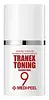
This brightening essence is formulated around Niacinamide and Tranexamic Acid to fade the look of dark spots and brighten dull-looking skin.
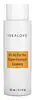
This barrier-repair essence is formulated around Galactomyces Ferment Filtrate and Bifida Ferment Lysate to strengthen the skin barrier and soften the look of wrinkles.

What's inside
What's inside
 Key Ingredients
Benefits
Concerns
Ingredients Side-by-side
Water
Skin ConditioningButylene Glycol
Humectant

Cyclopentasiloxane
Emollient
Dimethicone
Emollient
Glycerin
Humectant
Dipropylene Glycol
HumectantNiacinamide
Smoothing









Cetyl PEG/PPG-10/1 Dimethicone
Emulsifying
1,2-Hexanediol
Skin Conditioning
Polysorbate 60
Emulsifying

Titanium Dioxide
Cosmetic Colorant

Arachidyl Alcohol
Emollient
Dimethicone/Vinyl Dimethicone Crosspolymer
Skin Conditioning
Caprylic/Capric Triglyceride
Masking
Behenyl Alcohol
Emollient
Arachidyl Glucoside
EmulsifyingOlea Europaea Fruit Oil
Masking



Sodium Hyaluronate
Humectant
Copper Tripeptide-1
Skin Conditioning
Panthenol
Skin Conditioning
Allantoin
Skin Conditioning
Betaine
Humectant
Vitis Vinifera Seed Oil
Emollient
Lecithin
Emollient
Phytosphingosine
Skin Conditioning
Tranexamic Acid
Astringent
Carnitine
Cleansing
Cysteine
Antioxidant
Ascorbic Acid
Antioxidant
Arbutin
Antioxidant
3-O-Ethyl Ascorbic Acid
Skin Conditioning
Bisabolol
Antioxidant
Ascorbyl Tetraisopalmitate
Antioxidant
Ascorbyl Glucoside
Antioxidant
Magnesium Ascorbyl Phosphate
Antioxidant
Camellia Sinensis Leaf Extract
Antimicrobial
Carum Carvi Fruit Extract
Perfuming
Polygonum Cuspidatum Root Extract
Antioxidant
Aletris Farinosa Root Extract
Antioxidant
Morus Alba Bark Extract
Skin ConditioningGolden Extract
Salvia Officinalis Extract
Antimicrobial
Angelica Archangelica Root Extract
Masking
Tremella Fuciformis Extract
Humectant
Paeonia Lactiflora Root Extract
Skin ConditioningInula Racemosa Root Extract
Skin ConditioningUlmus Davidiana Root Extract
Skin Conditioning
Sesamum Indicum Seed Extract
Skin Conditioning
Origanum Vulgare Extract
Skin ConditioningThymus Vulgaris Flower/Leaf/Stem Extract
Skin ConditioningRosmarinus Officinalis Leaf Extract
AntimicrobialLavandula Angustifolia Flower Extract
Cleansing

Ginkgo Biloba Leaf Extract
Skin Conditioning
Morus Alba Fruit Extract
Antioxidant
Punica Granatum Extract
AstringentFicus Carica Fruit Extract
Humectant
Phyllanthus Emblica Fruit Extract
HumectantItea Virginica Leaf Extract
Sh-Polypeptide-3
Skin Conditioning
Sh-Polypeptide-16
Skin Protecting
Sh-Polypeptide-1
Skin Conditioning
Sh-Oligopeptide-2
Skin Conditioning
Sh-Oligopeptide-1
Skin Conditioning
Palmitoyl Olive Leaf Extract
Antioxidant
Glycyrrhiza Glabra Root Extract
Bleaching
Taraxacum Officinale Leaf Extract
Skin ConditioningFlower Extract
Rosa Damascena Flower Extract
Masking
Adenosine
Skin Conditioning
Propanediol
Solvent
Ethylhexylglycerin
Skin ConditioningAluminum Hydroxide
EmollientTriethoxycaprylylsilane
Carbomer
Emulsion StabilisingArginine
Masking
Phenyl Trimethicone
Skin Conditioning
Triceteareth-4 Phosphate
EmulsifyingStearyl Glycyrrhetinate
Skin ConditioningGlyceryl Acrylate/Acrylic Acid Copolymer
HumectantPropylene Glycol
Humectant
Pvm/Ma Copolymer
Emulsion StabilisingDisodium EDTA
ChelatingGlucose
Humectant
Parfum
Masking
Citronellol
Perfuming
Butylphenyl Methylpropional
Perfuming
Linalool
Perfuming
Water, Butylene Glycol, Cyclopentasiloxane, Dimethicone, Glycerin, Dipropylene Glycol, Niacinamide, Cetyl PEG/PPG-10/1 Dimethicone, 1,2-Hexanediol, Polysorbate 60, Titanium Dioxide, Arachidyl Alcohol, Dimethicone/Vinyl Dimethicone Crosspolymer, Caprylic/Capric Triglyceride, Behenyl Alcohol, Arachidyl Glucoside, Olea Europaea Fruit Oil, Sodium Hyaluronate, Copper Tripeptide-1, Panthenol, Allantoin, Betaine, Vitis Vinifera Seed Oil, Lecithin, Phytosphingosine, Tranexamic Acid, Carnitine, Cysteine, Ascorbic Acid, Arbutin, 3-O-Ethyl Ascorbic Acid, Bisabolol, Ascorbyl Tetraisopalmitate, Ascorbyl Glucoside, Magnesium Ascorbyl Phosphate, Camellia Sinensis Leaf Extract, Carum Carvi Fruit Extract, Polygonum Cuspidatum Root Extract, Aletris Farinosa Root Extract, Morus Alba Bark Extract, Golden Extract, Salvia Officinalis Extract, Angelica Archangelica Root Extract, Tremella Fuciformis Extract, Paeonia Lactiflora Root Extract, Inula Racemosa Root Extract, Ulmus Davidiana Root Extract, Sesamum Indicum Seed Extract, Origanum Vulgare Extract, Thymus Vulgaris Flower/Leaf/Stem Extract, Rosmarinus Officinalis Leaf Extract, Lavandula Angustifolia Flower Extract, Ginkgo Biloba Leaf Extract, Morus Alba Fruit Extract, Punica Granatum Extract, Ficus Carica Fruit Extract, Phyllanthus Emblica Fruit Extract, Itea Virginica Leaf Extract, Sh-Polypeptide-3, Sh-Polypeptide-16, Sh-Polypeptide-1, Sh-Oligopeptide-2, Sh-Oligopeptide-1, Palmitoyl Olive Leaf Extract, Glycyrrhiza Glabra Root Extract, Taraxacum Officinale Leaf Extract, Flower Extract, Rosa Damascena Flower Extract, Adenosine, Propanediol, Ethylhexylglycerin, Aluminum Hydroxide, Triethoxycaprylylsilane, Carbomer, Arginine, Phenyl Trimethicone, Triceteareth-4 Phosphate, Stearyl Glycyrrhetinate, Glyceryl Acrylate/Acrylic Acid Copolymer, Propylene Glycol, Pvm/Ma Copolymer, Disodium EDTA, Glucose, Parfum, Citronellol, Butylphenyl Methylpropional, Linalool
Galactomyces Ferment Filtrate
Humectant
Water
Skin ConditioningButylene Glycol
Humectant
Pentylene Glycol
Skin Conditioning
1,2-Hexanediol
Skin Conditioning
Bifida Ferment Lysate
Skin Conditioning
Lactobacillus Ferment
Skin Conditioning
Tripeptide-1
Skin Conditioning
Palmitoyl Tripeptide-1
Skin Conditioning
Palmitoyl Pentapeptide-4
Skin Conditioning
Hexapeptide-9
Skin Conditioning
Hexapeptide-11
Skin Conditioning
Copper Tripeptide-1
Skin Conditioning
Soluble Proteoglycan
Skin ConditioningPolygonum Cuspidatum Root Extract
Antioxidant
Centella Asiatica Extract
Cleansing
Scutellaria Baicalensis Root Extract
Astringent
Sodium Hyaluronate
Humectant
Glycyrrhiza Glabra Root Extract
Bleaching
Camellia Sinensis Leaf Extract
Antimicrobial
Panthenol
Skin Conditioning
Ceramide Ns
Skin Conditioning
Ceramide As
Skin Conditioning
Ceramide AP
Skin Conditioning
Ceramide NP
Skin Conditioning
Ceramide EOP
Skin Conditioning
Betaine
Humectant
Propanediol
Solvent
Allantoin
Skin Conditioning
Adenosine
Skin Conditioning
Hydrogenated Lecithin
Emulsifying
Rosmarinus Officinalis Leaf Extract
AntimicrobialChamomilla Recutita Flower Extract
Masking
Phytosphingosine
Skin Conditioning
Cholesterol
Emollient
Glycerin
Humectant
Cetearyl Alcohol
Emollient
Stearic Acid
Cleansing
Polyglyceryl-10 Laurate
Skin Conditioning
Xanthan Gum
EmulsifyingCaprylyl Glycol
Emollient
Galactomyces Ferment Filtrate, Water, Butylene Glycol, Pentylene Glycol, 1,2-Hexanediol, Bifida Ferment Lysate, Lactobacillus Ferment, Tripeptide-1, Palmitoyl Tripeptide-1, Palmitoyl Pentapeptide-4, Hexapeptide-9, Hexapeptide-11, Copper Tripeptide-1, Soluble Proteoglycan, Polygonum Cuspidatum Root Extract, Centella Asiatica Extract, Scutellaria Baicalensis Root Extract, Sodium Hyaluronate, Glycyrrhiza Glabra Root Extract, Camellia Sinensis Leaf Extract, Panthenol, Ceramide Ns, Ceramide As, Ceramide AP, Ceramide NP, Ceramide EOP, Betaine, Propanediol, Allantoin, Adenosine, Hydrogenated Lecithin, Rosmarinus Officinalis Leaf Extract, Chamomilla Recutita Flower Extract, Phytosphingosine, Cholesterol, Glycerin, Cetearyl Alcohol, Stearic Acid, Polyglyceryl-10 Laurate, Xanthan Gum, Caprylyl Glycol
Reviews
Ingredients Explained
These ingredients are found in both products.
Ingredients higher up in an ingredient list are typically present in a larger amount.
1,2-Hexanediol is a synthetic liquid and another multi-functional powerhouse.
It is a:
- Humectant, drawing moisture into the skin
- Emollient, helping to soften skin
- Solvent, dispersing and stabilizing formulas
- Preservative booster, enhancing the antimicrobial activity of other preservatives
Adenosine is a purine nucleoside that your body already makes in every cell. In skincare, it acts mainly as a skin conditioning and anti-aging agent.
The way it works is fairly well mapped out:
Your skin has cells called fibroblasts that build collagen (the stuff that keeps skin firm and smooth). Adenosine basically flips a switch on these cells that tells them to get to work making more collagen and other proteins. These cells slow down on their own as skin ages, so Adenosine helps give them a little nudge to keep going.
The clinical backing is pretty solid too.
A blind, randomized, placebo-controlled trial of 126 women aged 45-65 tested a 0.1% cream twice daily and found real improvements in crow's feet and frown lines using a precise 3D skin-mapping technique; these changes showed up by week 3 and held at 2 months.
A later study using Adenosine-loaded dissolving microneedle patches reported gains in wrinkle depth, dermal density, elasticity, and hydration.
On concentrations, South Korea's Ministry of Food and Drug Safety has set 0.04% as the approved functional anti-wrinkle level. You'll typically see this ingredient used somewhere in the 0.04-0.1% range since it works at low doses.
This ingredient has been found safe for cosmetics with the data showing no irritation or sensitization.
Overall, this is a great ingredient for any anti-aging routine and has no photosensitizing effect, so it suits both AM and PM use.
Learn more about AdenosineAllantoin is a soothing ingredient known for its protective and moisturizing properties; it's basically a quiet workhorse ingredient you can find in a huge range of cosmetics.
Though it can be derived from the comfrey plant, allantoin is produced synthetically for cosmetic products to ensure purity.
Research shows it can encourage your skin cells to turn over and renew by stimulating keratinocyte and fibroblast proliferation.
It also has mild keratolytic properties to help loosen and shed dead skin cells without being harsh.
Studies also suggest allantoin can help calm inflammation by dialing down some of the chemical signals your skin sends out when it is irritated.
This ingredient is typically used in the 0.1-0.5% range, and the FDA recognizes it as a skin protectant in OTC products up to 2%.
Overall, allantoin is a wonderful addition to most routines; it is stable across a wide pH range (~4-8), works well with other ingredients, and is considered non-sensitizing/non-irritating.
Fun fact: Allantoin is naturally occurring in comfrey root, beets, chamomile, and wheat sprouts. Our bodies even produce it as a byproduct of uric acid metabolism.
Learn more about AllantoinBetaine is a humectant. Like hyaluronic acid, it helps attract and retain moisture in the skin. It’s known for being gentle and for helping the skin maintain balanced hydration.
Betaine is mainly used to improve hydration and support calmer skin. It helps skin cells regulate water balance because it functions as an osmolyte.
Some studies suggest betaine may support making skin tone more even.
Fun fact: Betaine naturally exists in the skin and the body. In cosmetic products, it can be either plant-derived (most commonly from sugar beets) or synthetically produced for consistency and stability.
Betaine is also known as trimethylglycine.
Learn more about BetaineButylene Glycol (or BG) is used within cosmetic products for a few different reasons:
Overall, Butylene Glycol is a safe and well-rounded ingredient that works well with other ingredients.
Though this ingredient works well with most skin types, some people with sensitive skin may experience a reaction such as allergic rashes, closed comedones, or itchiness.
Learn more about Butylene GlycolCamellia Sinensis Leaf Extract (tea extract) is one of the most well-researched plant extracts in skincare with an impressive resume.
Black tea, green tea, and oolong tea are all harvested from the Camellia Sinensis plant.
Studies show green tea extract and its catechins (like epigallocatechin gallate (EGCG)) help your skin cells product energy more efficiently and reducing the number of free-radicals that can damage your skin from the inside.
In lab-grown skin models, this translated to younger, healthier, and stronger skin.
There's also good sun protection data; researchers saw less DNA damage and redness on human skin when green tea was applied before UVB exposure. And the more they applied, the better the protection.
Needless to say, this ingredient shouldn't replace your sunscreen. But it is a great supportive ingredient that you can already find in many sunscreens and antioxidant serums.
A 2009 study found a 2% green tea lotion was effective for mild-to-moderate acne thanks to its anti-inflammatory and mild antimicrobial activity.
The quality of the extract matters a lot here:
Good extracts contain 50-90% catechins while lower quality ones are mostly there for marketing. We recommend reaching out to the brand if you have questions about the quality or source of their ingredients.
Human Repeated Insult Patch Testing showed no irritation or sensitization at use concentrations (0.86% in leave-on products and up to 30% as leaf water).
Learn more about Camellia Sinensis Leaf ExtractCopper Tripeptide-1 (GHK-Cu) is a skin repairing ingredient said to boost collagen, improve firmness, and support skin regeneration.
It is a complex made up of a naturally occurring peptide (glycine-histidine-lysine) and copper, an essential trace element.
While studying wound healing, researchers noticed GHK-Cu stimulated hair follicle enlargement and growth by keeping hair in its active growth phase longer. This has made it a promising ingredient for hair regrowth treatments.
Some people have reported increased facial hair. While GHK-Cu can make your hair follicles bigger, it usually doesn’t turn soft, barely-visible facial hairs into thick, dark ones.
Anecdotal reports suggest that overusing copper peptides might lead to premature aging due to excess free copper or enzyme imbalances. This claim isn’t backed by large-scale studies.
Unfortunately, there are limited human studies for this ingredient. While early results are promising, many studies are either small, in-vitro, or not rigorously controlled.
For example, there is a 1998 study that explored the effects of copper tripeptide, vitamin C, tretinoin, and melatonin on skin repair and collagen synthesis.
After one month, increased procollagen production was seen in 7 out of 10 participants using copper tripeptide (more than those using vitamin C, melatonin, or tretinoin.
While the study was exploratory, it offers early evidence that copper tripeptide may support collagen production. Larger, well-designed trials are still needed to confirm its potential and understand individual responses.
Read more about other common types of peptides here:
Learn more about Copper Tripeptide-1Glycerin (or glycerol) is a compound naturally found in your skin. It's a powerhouse humectant that pulls water into the stratum corneum.
Topically, glycerin does several things at once:
Your skin makes glycerin on its own (mostly from sebaceous oil breakdown) and shuttles it to your outermost layer of skin, or your epidermis, via aquaporin-3.
Aquaporin-3 is a transporter that is essential for normal skin hydration, elasticity, and repair. Interestingly, mice lacking in AQP3 have dry and less elastic skin that can be fully corrected with glycerin.
This ingredient is non-irritating, plays well with almost every ingredient, and works across all skin types. Typical use is anywhere between 3-10% but can go up to 79% in some leave-on products.
Just know very high concentrations (>40%) can feel tacky in low humidity.
Glycerin is the name for this ingredient in American English. British English uses Glycerol/Glycerine.
Learn more about GlycerinGlycyrrhiza Glabra Root Extract is an extract of the roots of Licorice. It has been found to have several benefits such as skin hydrating, conditioning, and soothing.
One component, glabridin, has extra potent antioxidant and soothing properties. It has also been found to block pigmentation from UVB rays in guinea pigs.
Licorice Root also contains a flavonoid. Flavonoids are a natural substance from in plants. Flavonoids also have antioxidant properties.
Another component, glycyrrhizin, has been found to have anti-inflammatory and antimicrobial benefits. This may make licorice root extract effective at treating acne. However, more research is needed to support this.
Liquiritin is one of the flavone compounds found in licorice. It has been found to help lighten skin by preventing tyrosinase from reacting with tyrosine. When the two react, protein is converted to melanin. Melanin is the substance in your body that gives your features pigmentation.
Learn more about Glycyrrhiza Glabra Root ExtractPanthenol is a common ingredient that helps hydrate and soothe the skin. It is found naturally in our skin and hair.
There are two forms of panthenol: D and L.
D-panthenol is also known as dexpanthenol. Most cosmetics use dexpanthenol or a mixture of D and L-panthenol.
Panthenol is famous due to its ability to go deeper into the skin's layers. Using this ingredient has numerous pros (and no cons):
Like hyaluronic acid, panthenol is a humectant. Humectants are able to bind and hold large amounts of water to keep skin hydrated.
This ingredient works well for wound healing. It works by increasing tissue in the wound and helps close open wounds.
Once oxidized, panthenol converts to pantothenic acid. Panthothenic acid is found in all living cells.
This ingredient is also referred to as pro-vitamin B5.
Learn more about PanthenolPhytosphingosine is a phospholipid naturally found in our skin as a building block for ceramides.. It helps moisturize, soothe, and protect skin.
Phytosphingosine contributes to your skin's natural moisturizing factor (NMF). The NMF is responsible for hydration, a strong barrier, and plasticity. Our NMF decreases with age. Increasing NMF leads to more healthy and hydrated skin.
Studies show products formulated with NMF ingredients help strengthen our skin's barrier. Having a healthy skin barrier reduces irritation and increases hydration. Our skin barrier is responsible for having plump and firm skin. It also helps protect our skin against infection, allergies, and inflammation.
Fun fact: Phytosphingosine is abundant in plants and fungi.
More ingredients that help boost collagen in skin:
Learn more about PhytosphingosinePolygonum Cuspidatum Root Extract comes from the Japanese Knotweed plant native to Japan, Korea, and China.
This plant contains anti-inflammatory and antioxidant properties. It contains high amounts of resveratrol, a potent antioxidant.
The root of the plant has been used in traditional folk medicine throughout Asia.
Learn more about Polygonum Cuspidatum Root ExtractPropanediol is an all-star ingredient. It softens, hydrates, and smooths the skin.
It’s often used to:
Propanediol is not likely to cause sensitivity and considered safe to use. It is derived from corn or petroleum with a clear color and no scent.
Learn more about PropanediolThis is a botanical extract from the rosemary plant (the same one you cook with). In skincare, it mostly works as a skin conditioning agent.
Its activity comes from a handful of polyphenols, carnosic acid, carnosol, and rosmarinic acid. Almost 90% of the antioxidant activity of this ingredient can be attributed to canosol and carnosic acid.
These compounds protect your skin two ways:
1) They fight off free radicals, or the unstable molecules from things like sun and pollution that age and damage skin.
2) They help calm inflammation by switching off the chemical signals that tell skin to get red and irritated.
Lab studies also suggest that rosmarinic acid may help protect collagen and slow sugar-related damage to it.
The Cosmetic Ingredient Review has concluded rosemary-derived ingredients to be safe when formulated to be non-sensitizing.
Rosemary can occasionally cause allergic contact dermatitis (due to carnosol), so be sure to patch test if you have reactive or fragrance-sensitive skin.
Learn more about Rosmarinus Officinalis Leaf ExtractSodium Hyaluronate is the salt form of hyaluronic acid. It is a long sugar chain that is naturally found in your skin, joints, and connective tissue that maintains hydration and elasticity.
In skincare, it works as a humectant. It pulls water from the environment and deeper layers of skin and binds it to the surface.
Interestingly, the size of the molecule affects its behavior:
Some clinical evidence links low molecular weight versions to improved wrinkle depth, elasticity, anti-inflammatory effects, and barrier repair.
Many serums use a blend of both weights so you can get surface hydration plus longer-lasting and deeper effects.
You'll typically see concentrations between 0.1-2% for this ingredient.
Learn more about Sodium HyaluronateWater. It's the most common cosmetic ingredient of all. You'll usually see it at the top of ingredient lists, meaning that it makes up the largest part of the product.
So why is it so popular? Water most often acts as a solvent - this means that it helps dissolve other ingredients into the formulation.
You'll also recognize water as that liquid we all need to stay alive. If you see this, drink a glass of water. Remember to stay hydrated!
Learn more about Water

