MEDI-PEEL Peptide 9 Vitanol Pro Sun Stick SPF 50+ Versus CommonLabs Vitamin C Brightening Sun Stick SPF 50+
This chemical sunscreen covers the full UV range and blocks ~98% of UVB at SPF 50.
This chemical sunscreen covers the full UV range and blocks ~98% of UVB at SPF 50.

What's inside
What's inside
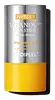 Key Ingredients
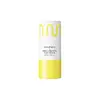
Benefits
Concerns
Ingredients Side-by-side
Water
Skin ConditioningDibutyl Adipate
EmollientSynthetic Wax
Abrasive

Silica
Abrasive

Diethylamino Hydroxybenzoyl Hexyl Benzoate
UV Filter
Dimethicone
Emollient

Butyloctyl Salicylate
Skin Conditioning
Ethylhexyl Triazone
UV Absorber
Vinyl Dimethicone/Methicone Silsesquioxane Crosspolymer
Polysilicone-15
UV Filter
Bis-Ethylhexyloxyphenol Methoxyphenyl Triazine
UV Absorber
Butylene Glycol
Humectant

Niacinamide
Smoothing







Stearyl Heptanoate
Emollient

Lauryl Polyglyceryl-3 Polydimethylsiloxyethyl Dimethicone
Skin Conditioning
Triethoxycaprylylsilane
1,2-Hexanediol
Skin Conditioning
Caprylic/Capric Glycerides
EmollientPolyglyceryl-4 Diisostearate/Polyhydroxystearate/Sebacate
Emulsifying

Polyglyceryl-4 Isostearate
Emulsifying
Methyl Diisopropyl Propionamide
MaskingAdenosine
Skin Conditioning
Disodium EDTA
ChelatingPropanediol
Solvent
Ectoin
Skin Conditioning
Hydrolyzed Collagen
Emollient
Ecklonia Cava Extract
Skin Conditioning
Macadamia Ternifolia Seed Oil
Emollient
Caprylic/Capric Triglyceride
Masking
Propylene Glycol
Humectant
Glycerin
Humectant
Hydrogenated Lecithin
Emulsifying
Eriobotrya Japonica Leaf Extract
Skin ConditioningCholesterol
Emollient
Retinal
Skin Conditioning

Mentha Viridis Extract
MaskingBrassica Campestris Sterols
EmollientPolyglyceryl-10 Laurate
Skin Conditioning
PEG-5 Rapeseed Sterol
Cleansing
Ceteth-3
EmulsifyingCeteth-5
EmulsifyingLavandula Angustifolia Flower Extract
Cleansing
Chamomilla Recutita Flower Extract
Masking
Borago Officinalis Extract
Emollient
Centaurea Cyanus Flower Extract
Astringent
Aluminum/Magnesium Hydroxide Stearate
Emulsion StabilisingSalvia Sclarea Extract
AntiseborrhoeicHyacinthus Orientalis Extract
Skin ConditioningUndaria Pinnatifida Extract
Skin ConditioningPsidium Guajava Leaf Extract
AstringentSargassum Fulvellum Extract
Skin ConditioningEthylhexylglycerin
Skin ConditioningSalicornia Herbacea Extract
Skin ConditioningPotassium Cetyl Phosphate
EmulsifyingPentaerythrityl Tetra-Di-T-Butyl Hydroxyhydrocinnamate
Antioxidant
Magnesium Ascorbyl Phosphate
Antioxidant
Sasa Quelpaertensis Extract
Skin ConditioningThiamine Hcl
MaskingPantothenic Acid
Skin ConditioningTripeptide-8
Skin Conditioning
Opuntia Ficus-Indica Stem Extract
Skin Conditioning
Acetyl Hexapeptide-8
Humectant
Alanine/Histidine/Lysine Polypeptide Copper Hcl
Skin Conditioning
Copper Tripeptide-1
Skin Conditioning
Palmitoyl Tripeptide-1
Skin Conditioning
Palmitoyl Pentapeptide-4
Skin Conditioning
Hexapeptide-11
Skin Conditioning
Hexapeptide-9
Skin Conditioning
Nonapeptide-1
Skin Conditioning
Riboflavin
Cosmetic ColorantPyridoxine
Skin ConditioningBiotin
AntiseborrhoeicCyanocobalamin
Skin ConditioningFolic Acid
Skin ConditioningParfum
Masking

Water, Dibutyl Adipate, Synthetic Wax, Silica, Diethylamino Hydroxybenzoyl Hexyl Benzoate, Dimethicone, Butyloctyl Salicylate, Ethylhexyl Triazone, Vinyl Dimethicone/Methicone Silsesquioxane Crosspolymer, Polysilicone-15, Bis-Ethylhexyloxyphenol Methoxyphenyl Triazine, Butylene Glycol, Niacinamide, Stearyl Heptanoate, Lauryl Polyglyceryl-3 Polydimethylsiloxyethyl Dimethicone, Triethoxycaprylylsilane, 1,2-Hexanediol, Caprylic/Capric Glycerides, Polyglyceryl-4 Diisostearate/Polyhydroxystearate/Sebacate, Polyglyceryl-4 Isostearate, Methyl Diisopropyl Propionamide, Adenosine, Disodium EDTA, Propanediol, Ectoin, Hydrolyzed Collagen, Ecklonia Cava Extract, Macadamia Ternifolia Seed Oil, Caprylic/Capric Triglyceride, Propylene Glycol, Glycerin, Hydrogenated Lecithin, Eriobotrya Japonica Leaf Extract, Cholesterol, Retinal, Mentha Viridis Extract, Brassica Campestris Sterols, Polyglyceryl-10 Laurate, PEG-5 Rapeseed Sterol, Ceteth-3, Ceteth-5, Lavandula Angustifolia Flower Extract, Chamomilla Recutita Flower Extract, Borago Officinalis Extract, Centaurea Cyanus Flower Extract, Aluminum/Magnesium Hydroxide Stearate, Salvia Sclarea Extract, Hyacinthus Orientalis Extract, Undaria Pinnatifida Extract, Psidium Guajava Leaf Extract, Sargassum Fulvellum Extract, Ethylhexylglycerin, Salicornia Herbacea Extract, Potassium Cetyl Phosphate, Pentaerythrityl Tetra-Di-T-Butyl Hydroxyhydrocinnamate, Magnesium Ascorbyl Phosphate, Sasa Quelpaertensis Extract, Thiamine Hcl, Pantothenic Acid, Tripeptide-8, Opuntia Ficus-Indica Stem Extract, Acetyl Hexapeptide-8, Alanine/Histidine/Lysine Polypeptide Copper Hcl, Copper Tripeptide-1, Palmitoyl Tripeptide-1, Palmitoyl Pentapeptide-4, Hexapeptide-11, Hexapeptide-9, Nonapeptide-1, Riboflavin, Pyridoxine, Biotin, Cyanocobalamin, Folic Acid, Parfum
Methyl Methacrylate Crosspolymer
Synthetic Wax
Abrasive
Coco-Caprylate/Caprate
Emollient
Butylene Glycol Dicaprylate/Dicaprate
EmollientCetyl Ethylhexanoate
EmollientDibutyl Adipate
EmollientButyloctyl Salicylate
Skin Conditioning
Vinyl Dimethicone/Methicone Silsesquioxane Crosspolymer
Silica
Abrasive
Diethylamino Hydroxybenzoyl Hexyl Benzoate
UV Filter
Tocopheryl Acetate
Antioxidant
Isopropyl Palmitate
Emollient
Ethylhexyl Triazone
UV Absorber
Dicaprylyl Carbonate
EmollientVinyldimethicone
Diethylhexyl 2,6-Naphthalate
EmollientPolysilicone-15
UV Filter
Bis-Ethylhexyloxyphenol Methoxyphenyl Triazine
UV Absorber
C12-15 Alkyl Benzoate
AntimicrobialOzokerite
Emulsion StabilisingBisabolol
Antioxidant
Citrus Aurantium Dulcis Oil
Masking
Glyceryl Caprylate
EmollientCaprylyl Glycol
Emollient
Polyglyceryl-4 Diisostearate/Polyhydroxystearate/Sebacate
Emulsifying
Ethylhexylglycerin
Skin ConditioningCitrus Nobilis Peel Oil
Masking
Litsea Cubeba Fruit Oil
Masking
Simmondsia Chinensis Seed Oil
Emollient
Squalane
Emollient
Tocopherol
Antioxidant
Solanum Lycopersicum Fruit Extract
Antioxidant
Water
Skin ConditioningAscorbic Acid
Antioxidant
Butylene Glycol
Humectant
Dipropylene Glycol
HumectantGlycerin
Humectant
Sodium Palmitoyl Proline
Skin ConditioningPrunus Mume Fruit Extract
Humectant
Pyrus Malus Fruit Extract
Skin Conditioning
Carica Papaya Fruit Extract
Skin ConditioningVitis Vinifera Fruit Extract
Skin Conditioning1,2-Hexanediol
Skin Conditioning
Hydrogenated Lecithin
Emulsifying
Polyglyceryl-10 Stearate
Skin Conditioning
Bellis Perennis Flower Extract
Skin ConditioningPanthenol
Skin Conditioning
Phenethyl Alcohol
MaskingSodium Ascorbyl Phosphate
Antioxidant
Malpighia Emarginata Fruit Extract
Skin ConditioningCryptomeria Japonica Leaf Extract
HumectantEuterpe Oleracea Fruit Extract
Nelumbo Nucifera Leaf Extract
Skin ConditioningTerminalia Ferdinandiana Fruit Extract
Antioxidant
Saccharomyces Ferment Filtrate
Humectant
Oenothera Biennis Flower Extract
AstringentUlmus Davidiana Root Extract
Skin Conditioning
Pinus Palustris Leaf Extract
TonicPueraria Lobata Root Extract
HumectantNymphaea Alba Flower Extract
Skin ConditioningNiacinamide
Smoothing
Disodium Phosphate
BufferingSodium Chloride
MaskingPotassium Chloride
Potassium Phosphate
BufferingRetinyl Palmitate
Skin Conditioning
Biotin
AntiseborrhoeicThiamine Hcl
MaskingFolic Acid
Skin ConditioningPyridoxine
Skin ConditioningCyanocobalamin
Skin ConditioningLimonene
Perfuming
Citral
Perfuming
Linalool
Perfuming
Citronellol
Perfuming
Methyl Methacrylate Crosspolymer, Synthetic Wax, Coco-Caprylate/Caprate, Butylene Glycol Dicaprylate/Dicaprate, Cetyl Ethylhexanoate, Dibutyl Adipate, Butyloctyl Salicylate, Vinyl Dimethicone/Methicone Silsesquioxane Crosspolymer, Silica, Diethylamino Hydroxybenzoyl Hexyl Benzoate, Tocopheryl Acetate, Isopropyl Palmitate, Ethylhexyl Triazone, Dicaprylyl Carbonate, Vinyldimethicone, Diethylhexyl 2,6-Naphthalate, Polysilicone-15, Bis-Ethylhexyloxyphenol Methoxyphenyl Triazine, C12-15 Alkyl Benzoate, Ozokerite, Bisabolol, Citrus Aurantium Dulcis Oil, Glyceryl Caprylate, Caprylyl Glycol, Polyglyceryl-4 Diisostearate/Polyhydroxystearate/Sebacate, Ethylhexylglycerin, Citrus Nobilis Peel Oil, Litsea Cubeba Fruit Oil, Simmondsia Chinensis Seed Oil, Squalane, Tocopherol, Solanum Lycopersicum Fruit Extract, Water, Ascorbic Acid, Butylene Glycol, Dipropylene Glycol, Glycerin, Sodium Palmitoyl Proline, Prunus Mume Fruit Extract, Pyrus Malus Fruit Extract, Carica Papaya Fruit Extract, Vitis Vinifera Fruit Extract, 1,2-Hexanediol, Hydrogenated Lecithin, Polyglyceryl-10 Stearate, Bellis Perennis Flower Extract, Panthenol, Phenethyl Alcohol, Sodium Ascorbyl Phosphate, Malpighia Emarginata Fruit Extract, Cryptomeria Japonica Leaf Extract, Euterpe Oleracea Fruit Extract, Nelumbo Nucifera Leaf Extract, Terminalia Ferdinandiana Fruit Extract, Saccharomyces Ferment Filtrate, Oenothera Biennis Flower Extract, Ulmus Davidiana Root Extract, Pinus Palustris Leaf Extract, Pueraria Lobata Root Extract, Nymphaea Alba Flower Extract, Niacinamide, Disodium Phosphate, Sodium Chloride, Potassium Chloride, Potassium Phosphate, Retinyl Palmitate, Biotin, Thiamine Hcl, Folic Acid, Pyridoxine, Cyanocobalamin, Limonene, Citral, Linalool, Citronellol
Reviews
Ingredients Explained
These ingredients are found in both products.
Ingredients higher up in an ingredient list are typically present in a larger amount.
1,2-Hexanediol is a synthetic liquid and another multi-functional powerhouse.
It is a:
- Humectant, drawing moisture into the skin
- Emollient, helping to soften skin
- Solvent, dispersing and stabilizing formulas
- Preservative booster, enhancing the antimicrobial activity of other preservatives
Biotin is a B vitamin that is naturally produced by our bodies. It is also called Vitamin H.
Our bodies use biotin in the metabolism process. It also helps our bodies use enzymes and move nutrients around. A biotin deficiency can lead to brittle hair and nails.
More research is needed on applying biotin topically. However, taking biotin orally has been shown to help nourish the skin, hair, and nails. They play a role in forming skin-hydrating fatty acids.
Biotin is water-soluble. It can be found in foods such as fish, eggs, dairy, nuts, and meat. Vitamin H stands for "haar" and "haut". These are the German words for hair and skin.
Learn more about BiotinThis ingredient is better known as bemotrizinol or Tinosorb S and is one of the best broad-spectrum UV filters in modern sunscreen.
It works by absorbing UV light across a whole range (280-400 nm) with peaks around 310 nm (UVB) and 340-345 nm (UVA). This means it covers UVB plus the deeper UVA wavelengths that drive photoaging and pigmentation.
Another pro?
It's exceptionally photostable, barely degrades in sunlight, and acts as a "bodyguard" for less stable filters.
That's why you'll see it paired with avobenzone or octinoxate; this team up ensures they keep working through sun exposure.
Safety reviews have been reassuring across the board. This ingredient shows low absorption through the skin, rarely irritates, and lab studies found it doesn't act like a hormone in the body (a concern that's been raised about some older sunscreen filters).
On maximum concentrations:
In 2026, the US F.D.A finally added it as an OTC sunscreen ingredient at concentrations up to 6% for adults / children 6 months and older
Learn more about Bis-Ethylhexyloxyphenol Methoxyphenyl TriazineButylene Glycol (or BG) is used within cosmetic products for a few different reasons:
Overall, Butylene Glycol is a safe and well-rounded ingredient that works well with other ingredients.
Though this ingredient works well with most skin types, some people with sensitive skin may experience a reaction such as allergic rashes, closed comedones, or itchiness.
Learn more about Butylene GlycolButyloctyl Salicylate is a chemical UV filter structurally similar to octisalate. It is a photostabilizer, SPF booster, emollient and solvent. This ingredient helps evenly spread out ingredients.
According to a manufacturer, it is suitable for pairing with micro Titanium Dioxide, Zinc Oxide, and pigments.
Photostabilizers help stabilize UV-filters and prevents them from degrading quickly.
Learn more about Butyloctyl SalicylateCyanocobalamin is the manufactured version of vitamin B12. It has skin soothing, antioxidant, and barrier protecting properties. Topical cyanocobalamin is used to treat skin irritation and atopic dermatitis.
Dibutyl Adipate is a lightweight, oil-soluble ester that acts as an emollient and solvent. It helps products spread more easily and leaves a soft, silky, dry-touch finish without being greasy.
You'll likely see this ingredient in sunscreens because it does a nice job dissolving UV filters and keeping them evenly distributed.
This ingredient has been found to be safe as used in cosmetics, wasn't a skin or eye irritant in clinical patch testing, and wasn't phototoxic.
In a clinical comedogenicity test, this ingredient tested negative so it isn't likely to clog pores.
Typical use levels are about 5-8% for sunscreens + nail products, but can range from 0.005%-8% depending on the product.
Learn more about Dibutyl AdipateDiethylamino Hydroxybenzoyl Hexyl Benzoate (DHHB) is a chemical UV-A absorber. It is formulated for high UVA protection (320-400 nm).
DHHB is well-liked for:
DHHB has been approved by the EU, Japan, Taiwan, and South America for use up to 10%. Unfortunately, it has not been approved for use in the US or Canada due to slow regulatory processes.
This ingredient is soluble in oils, fats, and lipids.
Learn more about Diethylamino Hydroxybenzoyl Hexyl BenzoateEthylhexyl Triazone (aka Octyl Triazone) is an oil-soluble organic UVB filter. It has peak absorption around 314 nm, right in the middle of the UVB range.
This ingredient is described as one of the most effective UVB filters available and small concentrations are enough to deliver a high SPF thanks to its strong UV absorbing power.
Formulators love it for its stability; its ability to filter UV stays practically unchanged even under intense radiation and it can also help boost the photostability of less stable filters like avobenzone.
It's also a great pick for water resistant products because it's insoluble in water and has a good affinity for keratin.
Because it's a big, heavy molecule, the European Scientific Committee has found to to have very low dermal penetration and negative results for allergenicity.
In vitro testing also showed a low absorption rate and clean results on irritation.
Typical use levels are 1-5% with 5% being the maximum in the EU, Japan, and other markets that allow it. However, this ingredient is not approved yet in the US or Canada.
Learn more about Ethylhexyl TriazoneEthylhexylglycerin is created from glycerin. It is a multitasker ingredient that:
The CIR Expert Panel found minimal skin absorption or sensitization of any kind in a safety assessment. Though this ingredient is considered well-tolerated, a small number of cases of allergic dermatitis have been published since 2002. Just be sure to patch test if you are unsure.
Industry-reported use ranges from 8% in rinse-off products and 2% in leave-on formulations.
Learn more about EthylhexylglycerinFolic acid is a form of Vitamin B9. Our bodies use folic acid for creating new cells and for DNA repair.
Folic acid is an antioxidant, making it an effective skin repair ingredient.
In vivo studies show folic acid to decrease UV-C induced DNA damage on human fibroblasts. This is because folic acid is effective at rejoining breaks in the fibroblast DNA. It is believed folic acid may play a role in reducing UV-B damage as well. While the mechanisms are unknown, it is believed folic acid plays a role in disrupting the DNA damage process.
Studies show using moisturizers rich in folic acid led to increased hydration of the skin. Hydrated skin is essential for collagen and elastin, or for keeping skin plump. One study found a reduction in wrinkles from using folic acid creams.
Foods rich in folic acid include leafy vegetables, beans, peanuts, fresh fruit, and eggs.
Learn more about Folic AcidGlycerin (or glycerol) is a compound naturally found in your skin. It's a powerhouse humectant that pulls water into the stratum corneum.
Topically, glycerin does several things at once:
Your skin makes glycerin on its own (mostly from sebaceous oil breakdown) and shuttles it to your outermost layer of skin, or your epidermis, via aquaporin-3.
Aquaporin-3 is a transporter that is essential for normal skin hydration, elasticity, and repair. Interestingly, mice lacking in AQP3 have dry and less elastic skin that can be fully corrected with glycerin.
This ingredient is non-irritating, plays well with almost every ingredient, and works across all skin types. Typical use is anywhere between 3-10% but can go up to 79% in some leave-on products.
Just know very high concentrations (>40%) can feel tacky in low humidity.
Glycerin is the name for this ingredient in American English. British English uses Glycerol/Glycerine.
Learn more about GlycerinHydrogenated Lecithin is a more stable version of lecithin.
It's made by taking lecithin (a phospholipid commonly found in soybeans and egg yolks) and hydrogenating it. This just means the unsaturated fatty acids are turned into saturated ones so they don't go bad as easily.
This ingredient is an emollient, emulsifier, and penetration enhancer. As an emollient, it helps soften and hydrate skin by trapping moisture within. As an emulsifier, it prevents oil and water ingredients from separating.
Hydrogenated Lecithin can form tiny spherical structures made of phospholipid bilayers called liposomes. These liposomes are able to capture compounds inside their structure and deliver them through the skin barrier.
Because phospholipids are a natural component of our cell membranes, this ingredient is inherently compatible with skin.
A 2021 study found lecithin-based surfactants were less harsh and more tolerable comared to Sodium Lauryl Sulfate (SLS).
Learn more about Hydrogenated LecithinNiacinamide is a multitasking form of vitamin B3 that strengthens the skin barrier, reduces pores and dark spots, regulates oil, and improves signs of aging.
And the best part? It's gentle and well-tolerated by most skin types, including sensitive and reactive skin.
You might have heard of "niacin flush", or the reddening of skin that causes itchiness. Niacinamide has not been found to cause this.
In very rare cases, some individuals may not be able to tolerate niacinamide at all or experience an allergic reaction to it.
If you are experiencing flaking, irritation, and dryness with this ingredient, be sure to double check all your products as this ingredient can be found in all categories of skincare.
When incorporating niacinamide into your routine, look out for concentration amounts. Typically, 5% niacinamide provides benefits such as fading dark spots. However, if you have sensitive skin, it is better to begin with a smaller concentration.
When you apply niacinamide to your skin, your body converts it into nicotinamide adenine dinucleotide (NAD). NAD is an essential coenzyme that is already found in your cells as "fuel" and powers countless biological processes.
In your skin, NAD helps repair cell damage, produce new healthy cells, support collagen production, strengthen the skin barrier, and fight environmental stressors (like UV and pollution).
Our natural NAD levels start to decline with age, leading to slower skin repair, visible aging, and a weaker skin barrier. By providing your skin niacinamide, you're recharging your skin's NAD levels. This leads to stronger, healthier, and younger looking skin.
Another name for vitamin B3 is nicotinamide. This vitamin is water-soluble and our bodies don't store it. We obtain Vitamin B3 from either food or skincare. Meat, fish, wheat, yeast, and leafy greens contain vitamin B3.
The type of niacinamide used in skincare is synthetically created.
Learn more about NiacinamideThis ingredient is a water-in-oil emulsifier and is sometimes known by its trade name, Isolan GPS. It helps create stable emulsions by bridging oil and water phases without adding a greasy feel.
Common usage levels sit between 2-5% for this ingredient.
Polysilicone-15 (trade name: Parsol SLX) is a silicone-based UVB filter that soaks up UVB light (~280-320nm) with a peak around 310nm.
It's a fairly modest sunscreen filter so formulators mostly use it as an SPF booster and "light stabilizer". This just means it helps keep other light-sensitive ingredients from breaking down in sunlight.
A 2007 study measured the in-vitro SPF of 18 filters and found Polysilicone-15 contributed an SPF of about 3.64 at its maximum legal concentration (though worth noting its maker points out that in-vitro tests tend to underestimate its real performance because of its large polymeric structure).
Usage levels vary; it's approved up to 10% as a UV filter in the EU, China, Japan, Australia, ASEAN, and Mercosur countries. In the US, it's only permitted up to 1% as a light stabilizer because the FDA hasn't reviewed it as a sunscreen active.
Typical use levels range from 1-3%.
The EU's scientific committee concluded that this ingredient is safe for use as a UV absorber up to 10%, and tests came back negative for irritation, phototoxicity, and photoallergy.
There is one case of allergic lip inflammation from a lip balm with this ingredient, though this is rare.
Learn more about Polysilicone-15We don't have a description for Pyridoxine yet.
Silica, also known as silicon dioxide, is a naturally occurring mineral. It is used as a fine, spherical, and porous powder in cosmetics.
Though it has exfoliant properties, the function of silica varies depending on the product.
The unique structure of silica enhances the spreadability and adds smoothness, making it a great texture enhancer.
It is also used as an active carrier, emulsifier, and mattifier due to its ability to absorb excess oil.
In some products, tiny microneedles called spicules are made from silica or hydrolyzed sponge. When you rub them in, they lightly polish away dead skin layers and enhance the penetration of active ingredients.
Learn more about SilicaSynthetic Wax is a manufactured hydrocarbon wax. In formulas, it works as an occlusive emollient that helps reduce water loss and improves the spreadability of products.
Research comparing synthetic wax to traditional mineral-derived products found that formulas containing it perform as well for skin hydration.
It is considered non-comedogenic and vegan-friendly.
This ingredient has a well-established safety record by the CIR Expert Panel for Cosmetic Ingredient Safety.
Synthetic Waxes are straight/branched-chain hydrocarbons with no ester bond or fatty acids. That means there is nothing for the Malassezia yeast to feed on.
Learn more about Synthetic WaxThiamine Hcl is Vitamin B1. The HCL stands for hydrochloride. Thiamine HCL is created using thiamine chloride and hydrochloric acid.
Our bodies use Thiamine HCL for aerobic metabolism, cell growth, and transmission of nerve impulses.
Learn more about Vitamin B in skincare:
Learn more about Thiamine HclThis ingredient is used in makeup and skincare to thicken formulas, reduce shine, and give skin a silky-smooth feel.
It’s a white silicone powder that sits in fine lines and pores to blur their appearance though its effectiveness depends on the particle size.
You'll typically find this ingredient in amounts between 0.1-20%.
Learn more about Vinyl Dimethicone/Methicone Silsesquioxane CrosspolymerWater. It's the most common cosmetic ingredient of all. You'll usually see it at the top of ingredient lists, meaning that it makes up the largest part of the product.
So why is it so popular? Water most often acts as a solvent - this means that it helps dissolve other ingredients into the formulation.
You'll also recognize water as that liquid we all need to stay alive. If you see this, drink a glass of water. Remember to stay hydrated!
Learn more about Water

