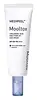
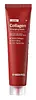
MEDI-PEEL Mooltox Hyaluronic Acid Mild Tone Up Sun Cream SPF50+ PA++++ Versus MEDI-PEEL Red Lacto Collagen Wrapping Mask
This hybrid sunscreen covers the full UV range and blocks ~98% of UVB at SPF 50.
This wash off mask is made with Hydrolyzed Collagen Extract and Simmondsia Chinensis Seed Oil for a rinse-off hydration boost.

What's inside
What's inside
 Key Ingredients
Benefits
Concerns
Ingredients Side-by-side
Water
Skin ConditioningZinc Oxide
Cosmetic Colorant


Butyloctyl Salicylate
Skin Conditioning
Propanediol
Solvent

Propylheptyl Caprylate
EmollientCoco-Caprylate/Caprate
Emollient
Cyclohexasiloxane
Emollient
Isododecane
EmollientTriethylhexanoin
MaskingMethyl Trimethicone
Skin Conditioning
Caprylyl Methicone
Skin Conditioning
Niacinamide
Smoothing









Sodium Hyaluronate
Humectant
Xylitol
Humectant
Centella Asiatica Extract
Cleansing
Centella Asiatica Leaf Extract
Skin Conditioning
Centella Asiatica Root Extract
Skin Conditioning
Moringa Oleifera Seed Oil
Emollient




Enantia Chlorantha Bark Extract
Skin ConditioningSoluble Collagen
Humectant
Vitis Vinifera Fruit Extract
Skin ConditioningEuterpe Oleracea Fruit Extract
Hydrolyzed Hyaluronic Acid
Humectant
Hyaluronic Acid
Humectant
Anemarrhena Asphodeloides Root Extract
Skin Conditioning
Lauryl Polyglyceryl-3 Polydimethylsiloxyethyl Dimethicone
Skin Conditioning
Magnesium Sulfate
Methyl Methacrylate Crosspolymer
Triethoxycaprylylsilane
Lauryl Dimethicone/Polyglycerin-3 Crosspolymer
Cleansing
Disteardimonium Hectorite
Stabilising1,2-Hexanediol
Skin Conditioning
Polyglyceryl-2 Dipolyhydroxystearate
Skin Conditioning
Caprylyl Glycol
Emollient
Glyceryl Caprylate
EmollientAdenosine
Skin Conditioning
Dipropylene Glycol
HumectantButylene Glycol
Humectant
Tocopherol
Antioxidant

Sodium Citrate
BufferingEthylhexylglycerin
Skin ConditioningGlycerin
Humectant
Hydrolyzed Sodium Hyaluronate
Skin Conditioning
Allantoin
Skin Conditioning
Ectoin
Skin Conditioning
Polyglutamic Acid
Skin Conditioning
Hydrogenated Polyisobutene
EmollientGlyceryl Glucoside
Humectant
Ceramide NP
Skin Conditioning
Phytosphingosine
Skin Conditioning
Glucose
Humectant
Glycine
Buffering
Hydrogenated Lecithin
Emulsifying
Arginine
Masking
Glutamic Acid
Humectant
Dimethylsilanol Hyaluronate
Humectant
Caprylhydroxamic Acid
ChelatingPotassium Hyaluronate
Skin ConditioningHydroxypropyltrimonium Hyaluronate
Sodium Hyaluronate Crosspolymer
Humectant
Sodium Hyaluronate Dimethylsilanol
HumectantSodium Acetylated Hyaluronate
Humectant
Oleanolic Acid
Skin ConditioningMadecassoside
Antioxidant
Asiaticoside
Antioxidant
Asiatic Acid
Skin Conditioning
Madecassic Acid
Skin Conditioning
Parfum
Masking


Ultramarines
Water, Zinc Oxide, Butyloctyl Salicylate, Propanediol, Propylheptyl Caprylate, Coco-Caprylate/Caprate, Cyclohexasiloxane, Isododecane, Triethylhexanoin, Methyl Trimethicone, Caprylyl Methicone, Niacinamide, Sodium Hyaluronate, Xylitol, Centella Asiatica Extract, Centella Asiatica Leaf Extract, Centella Asiatica Root Extract, Moringa Oleifera Seed Oil, Enantia Chlorantha Bark Extract, Soluble Collagen, Vitis Vinifera Fruit Extract, Euterpe Oleracea Fruit Extract, Hydrolyzed Hyaluronic Acid, Hyaluronic Acid, Anemarrhena Asphodeloides Root Extract, Lauryl Polyglyceryl-3 Polydimethylsiloxyethyl Dimethicone, Magnesium Sulfate, Methyl Methacrylate Crosspolymer, Triethoxycaprylylsilane, Lauryl Dimethicone/Polyglycerin-3 Crosspolymer, Disteardimonium Hectorite, 1,2-Hexanediol, Polyglyceryl-2 Dipolyhydroxystearate, Caprylyl Glycol, Glyceryl Caprylate, Adenosine, Dipropylene Glycol, Butylene Glycol, Tocopherol, Sodium Citrate, Ethylhexylglycerin, Glycerin, Hydrolyzed Sodium Hyaluronate, Allantoin, Ectoin, Polyglutamic Acid, Hydrogenated Polyisobutene, Glyceryl Glucoside, Ceramide NP, Phytosphingosine, Glucose, Glycine, Hydrogenated Lecithin, Arginine, Glutamic Acid, Dimethylsilanol Hyaluronate, Caprylhydroxamic Acid, Potassium Hyaluronate, Hydroxypropyltrimonium Hyaluronate, Sodium Hyaluronate Crosspolymer, Sodium Hyaluronate Dimethylsilanol, Sodium Acetylated Hyaluronate, Oleanolic Acid, Madecassoside, Asiaticoside, Asiatic Acid, Madecassic Acid, Parfum, Ultramarines
Hydrolyzed Collagen Extract 70.23%
Skin Protecting
Simmondsia Chinensis Seed Oil
Emollient
Polyvinyl Alcohol
Methylpropanediol
Solvent1,2-Hexanediol
Skin Conditioning
Algin
MaskingPolysorbate 80
Emulsifying
Caprylic/Capric Triglyceride
Masking
Polyglyceryl-10 Oleate
Skin Conditioning
Pullulan
Oenothera Biennis Flower Extract
AstringentUlmus Davidiana Root Extract
Skin Conditioning
Pinus Palustris Leaf Extract
TonicPueraria Lobata Root Extract
HumectantDiospyros Kaki Leaf Extract
Skin Protecting
Camellia Sinensis Leaf Extract
Antimicrobial
Castanea Crenata Shell Extract
Skin ConditioningCarthamus Tinctorius Flower Extract
Skin ConditioningZanthoxylum Piperitum Fruit Extract
Skin ConditioningCoffea Arabica Seed Extract
Masking
Vitis Vinifera Fruit Extract
Skin ConditioningPolygonum Cuspidatum Root Extract
Antioxidant
Sodium Hyaluronate
Humectant
Glyceryl Stearate
Emollient
Panthenol
Skin Conditioning
Disteardimonium Hectorite
StabilisingSodium Polystyrene Sulfonate
Emulsion StabilisingWater
Skin ConditioningCellulose Gum
Emulsion StabilisingTocopheryl Acetate
Antioxidant
Allantoin
Skin Conditioning
Butylene Glycol
Humectant
Sodium Phytate
ChelatingLactobacillus Ferment
Skin Conditioning
Glycine
Buffering
Serine
Masking
Glutamic Acid
Humectant
Aspartic Acid
Masking
Leucine
Skin ConditioningLysine
Skin ConditioningAlanine
Masking
Arginine
Masking
Valine
MaskingIsoleucine
Skin ConditioningTyrosine
MaskingThreonine
Phenylalanine
Masking
Proline
Skin Conditioning
Histidine
Humectant
Methionine
Skin ConditioningCysteine
Antioxidant
Sodium Acetylated Hyaluronate
Humectant
Hydrolyzed Hyaluronic Acid
Humectant
PEG-100 Stearate
Surfactant
Parfum
Masking
Ethylhexylglycerin
Skin ConditioningHydrolyzed Collagen Extract 70.23%, Simmondsia Chinensis Seed Oil, Polyvinyl Alcohol, Methylpropanediol, 1,2-Hexanediol, Algin, Polysorbate 80, Caprylic/Capric Triglyceride, Polyglyceryl-10 Oleate, Pullulan, Oenothera Biennis Flower Extract, Ulmus Davidiana Root Extract, Pinus Palustris Leaf Extract, Pueraria Lobata Root Extract, Diospyros Kaki Leaf Extract, Camellia Sinensis Leaf Extract, Castanea Crenata Shell Extract, Carthamus Tinctorius Flower Extract, Zanthoxylum Piperitum Fruit Extract, Coffea Arabica Seed Extract, Vitis Vinifera Fruit Extract, Polygonum Cuspidatum Root Extract, Sodium Hyaluronate, Glyceryl Stearate, Panthenol, Disteardimonium Hectorite, Sodium Polystyrene Sulfonate, Water, Cellulose Gum, Tocopheryl Acetate, Allantoin, Butylene Glycol, Sodium Phytate, Lactobacillus Ferment, Glycine, Serine, Glutamic Acid, Aspartic Acid, Leucine, Lysine, Alanine, Arginine, Valine, Isoleucine, Tyrosine, Threonine, Phenylalanine, Proline, Histidine, Methionine, Cysteine, Sodium Acetylated Hyaluronate, Hydrolyzed Hyaluronic Acid, PEG-100 Stearate, Parfum, Ethylhexylglycerin
Reviews
Ingredients Explained
These ingredients are found in both products.
Ingredients higher up in an ingredient list are typically present in a larger amount.
1,2-Hexanediol is a synthetic liquid and another multi-functional powerhouse.
It is a:
- Humectant, drawing moisture into the skin
- Emollient, helping to soften skin
- Solvent, dispersing and stabilizing formulas
- Preservative booster, enhancing the antimicrobial activity of other preservatives
Allantoin is a soothing ingredient known for its protective and moisturizing properties; it's basically a quiet workhorse ingredient you can find in a huge range of cosmetics.
Though it can be derived from the comfrey plant, allantoin is produced synthetically for cosmetic products to ensure purity.
Research shows it can encourage your skin cells to turn over and renew by stimulating keratinocyte and fibroblast proliferation.
It also has mild keratolytic properties to help loosen and shed dead skin cells without being harsh.
Studies also suggest allantoin can help calm inflammation by dialing down some of the chemical signals your skin sends out when it is irritated.
This ingredient is typically used in the 0.1-0.5% range, and the FDA recognizes it as a skin protectant in OTC products up to 2%.
Overall, allantoin is a wonderful addition to most routines; it is stable across a wide pH range (~4-8), works well with other ingredients, and is considered non-sensitizing/non-irritating.
Fun fact: Allantoin is naturally occurring in comfrey root, beets, chamomile, and wheat sprouts. Our bodies even produce it as a byproduct of uric acid metabolism.
Learn more about AllantoinArginine is a semi-essential amino acid. This just means our bodies can product a bit on its own, but sometimes needs a little boost from food sources.
It is a part of your skin's natural moisturizing factor (NMF), or the water-loving molecules in your outermost layer of skin (stratum corneum) that keeps everything hydrated and happy.
Here's an interesting thing about Arginine: your skin converts it into urea through the Krebs-Henseleit urea cycle. Urea is one of the most effective humectants your skin naturally produces.
A clinical study showed applying 2.5% arginine hydrochloride to atopic dermatitis skin showed significant urea levels in the stratum corneum and improved moisture in just four weeks.
Arginine is also a precursor to nitric oxide; nitric oxide improves microcirculation and supports wound healing and collagen synthesis.
One study found that an amino acid complex containing Arginine reduced skin irritation, improved hydration, and accelerated skin repair in clinical / in-vivo studies.
Arginine itself is an amino acid and not a fatty acid, oil, or ester. On its own, it's not a direct food source for Malassezia, or the yeast that causes fungal acne.
Learn more about ArginineButylene Glycol (or BG) is used within cosmetic products for a few different reasons:
Overall, Butylene Glycol is a safe and well-rounded ingredient that works well with other ingredients.
Though this ingredient works well with most skin types, some people with sensitive skin may experience a reaction such as allergic rashes, closed comedones, or itchiness.
Learn more about Butylene GlycolDisteardimonium Hectorite comes from the clay mineral named hectorite. It is used to add thickness to a product.
It can also help stabilize a product by helping to disperse other ingredients.
Hectorite is a rare, white clay mineral.
Learn more about Disteardimonium HectoriteEthylhexylglycerin is created from glycerin. It is a multitasker ingredient that:
The CIR Expert Panel found minimal skin absorption or sensitization of any kind in a safety assessment. Though this ingredient is considered well-tolerated, a small number of cases of allergic dermatitis have been published since 2002. Just be sure to patch test if you are unsure.
Industry-reported use ranges from 8% in rinse-off products and 2% in leave-on formulations.
Learn more about EthylhexylglycerinGlutamic Acid is an amino acid that is found in all living organisms. Our bodies use this to help nerve cells in the brain communicate with other cells.
In cosmetics, glutamic acid is a famous humectant. It draws water from the air to your skin, keeping your skin hydrated (like hyaluronic acid).
An in-vitro study from 2024 found glutamic acid to play a role in inhibiting inflammation and thus a potential skin-soothing ingredient.
Other studies show it to be have potential wound healing, skin barrier repair, and hair growth properties.
Glutamic acid has poor solubility in water and other solvents.
Learn more about Glutamic AcidGlycine is the smallest amino acid and a key building block of collagen. It's part if your skin's Natural Moisturizing Factor (NMF), or the water-loving molecules in your outermost layer of skin (stratum corneum) that keeps everything hydrated and happy.
A study from 2022 found that an amino acid complex featuring taurine, arginine, and glycine significantly reduced skin irritation, improved redness, and accelerated the skin repair process.
Hydrolyzed Hyaluronic Acid is hyaluronic acid (HA) that is broken down into lower molecular weight fragments.
It's a humectant that pulls and holds water in the skin to help with hydration, plumpness, and reduce transepidermal water loss.
Because hydrolyzed hyaluronic acid is smaller in size, it can slip past your outermost layer of skin more easily than full-sized HA.
Most formulations will combine all sizes to get the best of both worlds.
Typical usage levels range from 0.01-1%. Any percentage higher than 2% might become goopy and tacky.
Learn more about Hydrolyzed Hyaluronic AcidParfum is a catch-all term for an ingredient or more that is used to give a scent to products.
Also called "fragrance", this ingredient can be a blend of hundreds of chemicals or plant oils. This means every product with "fragrance" or "parfum" in the ingredients list is a different mixture.
For instance, Habanolide is a proprietary trade name for a specific aroma chemical. When used as a fragrance ingredient in cosmetics, most aroma chemicals fall under the broad labeling category of “FRAGRANCE” or “PARFUM” according to EU and US regulations.
The term 'parfum' or 'fragrance' is not regulated in many countries. In many cases, it is up to the brand to define this term.
For instance, many brands choose to label themselves as "fragrance-free" because they are not using synthetic fragrances. However, their products may still contain ingredients such as essential oils that are considered a fragrance by INCI standards.
One example is Calendula flower extract. Calendula is an essential oil that still imparts a scent or 'fragrance'.
Depending on the blend, the ingredients in the mixture can cause allergies and sensitivities on the skin. Some ingredients that are known EU allergens include linalool and citronellol.
Parfum can also be used to mask or cover an unpleasant scent.
The bottom line is: not all fragrances/parfum/ingredients are created equally. If you are worried about fragrances, we recommend taking a closer look at an ingredient. And of course, we always recommend speaking with a professional.
Learn more about ParfumSodium Acetylated Hyaluronate is a type of Hyaluronic Acid.
Hyaluronic Acids help moisturize, soothe, and protect the skin.
Read about common types of Hyaluronic Acid here:
Learn more about Sodium Acetylated HyaluronateSodium Hyaluronate is the salt form of hyaluronic acid. It is a long sugar chain that is naturally found in your skin, joints, and connective tissue that maintains hydration and elasticity.
In skincare, it works as a humectant. It pulls water from the environment and deeper layers of skin and binds it to the surface.
Interestingly, the size of the molecule affects its behavior:
Some clinical evidence links low molecular weight versions to improved wrinkle depth, elasticity, anti-inflammatory effects, and barrier repair.
Many serums use a blend of both weights so you can get surface hydration plus longer-lasting and deeper effects.
You'll typically see concentrations between 0.1-2% for this ingredient.
Learn more about Sodium HyaluronateVitis Vinifera Fruit Extract comes from grapes.
Grape extract has many skin benefits. It also contains many potent antioxidants such as Vitamin E , Vitamin C, proanthocyanidins, polyphenols, flavonoids, and anthocyanins. Antioxidants help protect skin. Proanthocyanidin have also been shown to help even out skin tone.
Grape extract also helps soothe and hydrate your skin.
Learn more about Vitis Vinifera Fruit ExtractWater. It's the most common cosmetic ingredient of all. You'll usually see it at the top of ingredient lists, meaning that it makes up the largest part of the product.
So why is it so popular? Water most often acts as a solvent - this means that it helps dissolve other ingredients into the formulation.
You'll also recognize water as that liquid we all need to stay alive. If you see this, drink a glass of water. Remember to stay hydrated!
Learn more about Water

