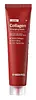
This wash off mask is made with Hydrolyzed Collagen Extract and Simmondsia Chinensis Seed Oil for a rinse-off hydration boost.
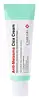
This brightening moisturizer is formulated around Niacinamide and Centella Asiatica Extract to fade the look of dark spots and calm redness.

What's inside
What's inside
 Key Ingredients
Benefits
Concerns
Ingredients Side-by-side
Hydrolyzed Collagen Extract 70.23%
Skin Protecting
Simmondsia Chinensis Seed Oil
Emollient





Polyvinyl Alcohol
Methylpropanediol
Solvent1,2-Hexanediol
Skin Conditioning
Algin
MaskingPolysorbate 80
Emulsifying
Caprylic/Capric Triglyceride
Masking
Polyglyceryl-10 Oleate
Skin Conditioning
Pullulan
Oenothera Biennis Flower Extract
AstringentUlmus Davidiana Root Extract
Skin Conditioning
Pinus Palustris Leaf Extract
TonicPueraria Lobata Root Extract
HumectantDiospyros Kaki Leaf Extract
Skin Protecting
Camellia Sinensis Leaf Extract
Antimicrobial




Castanea Crenata Shell Extract
Skin ConditioningCarthamus Tinctorius Flower Extract
Skin ConditioningZanthoxylum Piperitum Fruit Extract
Skin ConditioningCoffea Arabica Seed Extract
Masking
Vitis Vinifera Fruit Extract
Skin ConditioningPolygonum Cuspidatum Root Extract
Antioxidant
Sodium Hyaluronate
Humectant
Glyceryl Stearate
Emollient
Panthenol
Skin Conditioning
Disteardimonium Hectorite
StabilisingSodium Polystyrene Sulfonate
Emulsion StabilisingWater
Skin ConditioningCellulose Gum
Emulsion StabilisingTocopheryl Acetate
Antioxidant
Allantoin
Skin Conditioning
Butylene Glycol
Humectant
Sodium Phytate
ChelatingLactobacillus Ferment
Skin Conditioning
Glycine
Buffering
Serine
Masking
Glutamic Acid
Humectant
Aspartic Acid
Masking
Leucine
Skin ConditioningLysine
Skin ConditioningAlanine
Masking
Arginine
Masking
Valine
MaskingIsoleucine
Skin ConditioningTyrosine
MaskingThreonine
Phenylalanine
Masking
Proline
Skin Conditioning
Histidine
Humectant
Methionine
Skin ConditioningCysteine
Antioxidant
Sodium Acetylated Hyaluronate
Humectant
Hydrolyzed Hyaluronic Acid
Humectant
PEG-100 Stearate
Surfactant
Parfum
Masking



Ethylhexylglycerin
Skin ConditioningHydrolyzed Collagen Extract 70.23%, Simmondsia Chinensis Seed Oil, Polyvinyl Alcohol, Methylpropanediol, 1,2-Hexanediol, Algin, Polysorbate 80, Caprylic/Capric Triglyceride, Polyglyceryl-10 Oleate, Pullulan, Oenothera Biennis Flower Extract, Ulmus Davidiana Root Extract, Pinus Palustris Leaf Extract, Pueraria Lobata Root Extract, Diospyros Kaki Leaf Extract, Camellia Sinensis Leaf Extract, Castanea Crenata Shell Extract, Carthamus Tinctorius Flower Extract, Zanthoxylum Piperitum Fruit Extract, Coffea Arabica Seed Extract, Vitis Vinifera Fruit Extract, Polygonum Cuspidatum Root Extract, Sodium Hyaluronate, Glyceryl Stearate, Panthenol, Disteardimonium Hectorite, Sodium Polystyrene Sulfonate, Water, Cellulose Gum, Tocopheryl Acetate, Allantoin, Butylene Glycol, Sodium Phytate, Lactobacillus Ferment, Glycine, Serine, Glutamic Acid, Aspartic Acid, Leucine, Lysine, Alanine, Arginine, Valine, Isoleucine, Tyrosine, Threonine, Phenylalanine, Proline, Histidine, Methionine, Cysteine, Sodium Acetylated Hyaluronate, Hydrolyzed Hyaluronic Acid, PEG-100 Stearate, Parfum, Ethylhexylglycerin
Water
Skin ConditioningGlycerin
Humectant
Niacinamide
Smoothing



Propanediol
Solvent
Caprylic/Capric Triglyceride
Masking
Caprylyl Methicone
Skin Conditioning
1,2-Hexanediol
Skin Conditioning
Centella Asiatica Extract
Cleansing
Butyrospermum Parkii Butter
Skin Conditioning

Hydrogenated Poly(C6-14 Olefin)
EmollientPolyglyceryl-3 Distearate
Emulsifying
Cetearyl Alcohol
Emollient
Palmitic Acid
Emollient
Stearic Acid
Cleansing
Glyceryl Stearate
Emollient
Carbomer
Emulsion StabilisingParfum
Masking
Tromethamine
BufferingSodium Acrylate/Sodium Acryloyldimethyl Taurate Copolymer
Emulsion StabilisingTranexamic Acid
Astringent
Glyceryl Stearate Citrate
Emollient
Polyisobutene
Disodium EDTA
ChelatingMyristic Acid
Cleansing
Madecassoside
Antioxidant
Sorbitan Oleate
Emulsifying
Caprylyl/Capryl Glucoside
CleansingEthylhexylglycerin
Skin ConditioningCitronellol
Perfuming
Farnesol
Perfuming
Geraniol
Perfuming
Linalool
Perfuming
Water, Glycerin, Niacinamide, Propanediol, Caprylic/Capric Triglyceride, Caprylyl Methicone, 1,2-Hexanediol, Centella Asiatica Extract, Butyrospermum Parkii Butter, Hydrogenated Poly(C6-14 Olefin), Polyglyceryl-3 Distearate, Cetearyl Alcohol, Palmitic Acid, Stearic Acid, Glyceryl Stearate, Carbomer, Parfum, Tromethamine, Sodium Acrylate/Sodium Acryloyldimethyl Taurate Copolymer, Tranexamic Acid, Glyceryl Stearate Citrate, Polyisobutene, Disodium EDTA, Myristic Acid, Madecassoside, Sorbitan Oleate, Caprylyl/Capryl Glucoside, Ethylhexylglycerin, Citronellol, Farnesol, Geraniol, Linalool
Reviews
Ingredients Explained
These ingredients are found in both products.
Ingredients higher up in an ingredient list are typically present in a larger amount.
1,2-Hexanediol is a synthetic liquid and another multi-functional powerhouse.
It is a:
- Humectant, drawing moisture into the skin
- Emollient, helping to soften skin
- Solvent, dispersing and stabilizing formulas
- Preservative booster, enhancing the antimicrobial activity of other preservatives
Caprylic/Capric Triglyceride (aka MCT Oil) is a lightweight emollient, solvent, and texture enhancer. It is considered a skin-softener by helping to prevent moisture loss.
Though it behaves like an oil, it is not technically one due to its chemical composition. One perk of this ingredient is that it is very stable, resistant to oxidation, and unlikely to go rancid.
In practice, that translates to a long shelf life and a consistently elegant skin feel.
While there is an assumption Caprylic Triglyceride can clog pores due to it being derived from coconut oil, there is no research supporting this. Just patch test if you have concerns.
Fractionated coconut oil and MCT Oil are both listed as Caprylic/Capric Triglyceride according to INCI. This is because INCI names are based on the ingredient’s final chemical composition and not its marketing name or source.
This ingredient is treated as the gold standard fungal acne safe oil. Even though it is coconut derived, the problematic lauric acid is stripped out.
This leaves just caprylic (C8) and capric (C10) acid. These chain lengths actually trend antifungal; a 2020 study found caprylic acid was enough to disrupt Malassezia furfur cell membrane, with a caprylic acid derivative damaging membrane structures at concentrations as low as 0.2%.
Learn more about Caprylic/Capric TriglycerideEthylhexylglycerin is created from glycerin. It is a multitasker ingredient that:
The CIR Expert Panel found minimal skin absorption or sensitization of any kind in a safety assessment. Though this ingredient is considered well-tolerated, a small number of cases of allergic dermatitis have been published since 2002. Just be sure to patch test if you are unsure.
Industry-reported use ranges from 8% in rinse-off products and 2% in leave-on formulations.
Learn more about EthylhexylglycerinGlyceryl Stearate is made by reacting glycerin with stearic acid (typically sourced from plant oils like palm or coconut). It's an emulsifier, emollient, and mild occlusive.
Emulsifiers help ingredients like oil and water stay mixed so your formula stays nicely blended and uniform in texture.
This ingredient is typically used in concentrations between 1-10%. Studies have found it to be non-sensitizing, non-phototoxic, and non-photoallergenic.
A close cousin of this ingredient is Glyceryl Stearate SE ("self-emulsifying"). This just has a small amount of sodium or potassium stearate added so it can emulsify without a co-emulsifier.
Since this ingredient is an ester of a C18 fatty acid, it may not be fungal acne safe. The Malassezia yeast can potentially metabolize within the C11-C24 range.
Fun fact: The human body also creates Glyceryl Stearate naturally.
Learn more about Glyceryl StearateParfum is a catch-all term for an ingredient or more that is used to give a scent to products.
Also called "fragrance", this ingredient can be a blend of hundreds of chemicals or plant oils. This means every product with "fragrance" or "parfum" in the ingredients list is a different mixture.
For instance, Habanolide is a proprietary trade name for a specific aroma chemical. When used as a fragrance ingredient in cosmetics, most aroma chemicals fall under the broad labeling category of “FRAGRANCE” or “PARFUM” according to EU and US regulations.
The term 'parfum' or 'fragrance' is not regulated in many countries. In many cases, it is up to the brand to define this term.
For instance, many brands choose to label themselves as "fragrance-free" because they are not using synthetic fragrances. However, their products may still contain ingredients such as essential oils that are considered a fragrance by INCI standards.
One example is Calendula flower extract. Calendula is an essential oil that still imparts a scent or 'fragrance'.
Depending on the blend, the ingredients in the mixture can cause allergies and sensitivities on the skin. Some ingredients that are known EU allergens include linalool and citronellol.
Parfum can also be used to mask or cover an unpleasant scent.
The bottom line is: not all fragrances/parfum/ingredients are created equally. If you are worried about fragrances, we recommend taking a closer look at an ingredient. And of course, we always recommend speaking with a professional.
Learn more about ParfumWater. It's the most common cosmetic ingredient of all. You'll usually see it at the top of ingredient lists, meaning that it makes up the largest part of the product.
So why is it so popular? Water most often acts as a solvent - this means that it helps dissolve other ingredients into the formulation.
You'll also recognize water as that liquid we all need to stay alive. If you see this, drink a glass of water. Remember to stay hydrated!
Learn more about Water


