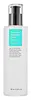
This pore-care toner is formulated around Salix Alba Bark Water and Betaine Salicylate to refine the look of pores and balance excess oil.
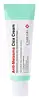
This brightening moisturizer is formulated around Niacinamide and Centella Asiatica Extract to fade the look of dark spots and calm redness.

What's inside
What's inside
 Key Ingredients
Benefits
Concerns
Ingredients Side-by-side
Salix Alba Bark Water
Astringent
Butylene Glycol
Humectant

Hydroxypropyl Cyclodextrin
MaskingWater
Skin ConditioningPentylene Glycol
Skin Conditioning
1,2-Hexanediol
Skin Conditioning
Betaine Salicylate
Antimicrobial





Arginine
Masking
Betaine
Humectant
PEG-60 Hydrogenated Castor Oil
Emulsifying

Allantoin
Skin Conditioning
Panthenol
Skin Conditioning
Ethylhexylglycerin
Skin ConditioningSodium Hyaluronate
Humectant

Carbomer
Emulsion StabilisingCassia Obtusifolia Seed Extract
Skin ConditioningMenthyl Lactate
Masking
Mentha Haplocalix Extract
MaskingSalix Alba Bark Water, Butylene Glycol, Hydroxypropyl Cyclodextrin, Water, Pentylene Glycol, 1,2-Hexanediol, Betaine Salicylate, Arginine, Betaine, PEG-60 Hydrogenated Castor Oil, Allantoin, Panthenol, Ethylhexylglycerin, Sodium Hyaluronate, Carbomer, Cassia Obtusifolia Seed Extract, Menthyl Lactate, Mentha Haplocalix Extract
Water
Skin ConditioningGlycerin
Humectant
Niacinamide
Smoothing



Propanediol
Solvent
Caprylic/Capric Triglyceride
Masking
Caprylyl Methicone
Skin Conditioning
1,2-Hexanediol
Skin Conditioning
Centella Asiatica Extract
Cleansing
Butyrospermum Parkii Butter
Skin Conditioning


Hydrogenated Poly(C6-14 Olefin)
EmollientPolyglyceryl-3 Distearate
Emulsifying
Cetearyl Alcohol
Emollient
Palmitic Acid
Emollient
Stearic Acid
Cleansing
Glyceryl Stearate
Emollient
Carbomer
Emulsion StabilisingParfum
Masking

Tromethamine
BufferingSodium Acrylate/Sodium Acryloyldimethyl Taurate Copolymer
Emulsion StabilisingTranexamic Acid
Astringent
Glyceryl Stearate Citrate
Emollient
Polyisobutene
Disodium EDTA
ChelatingMyristic Acid
Cleansing
Madecassoside
Antioxidant
Sorbitan Oleate
Emulsifying
Caprylyl/Capryl Glucoside
CleansingEthylhexylglycerin
Skin ConditioningCitronellol
Perfuming
Farnesol
Perfuming
Geraniol
Perfuming
Linalool
Perfuming
Water, Glycerin, Niacinamide, Propanediol, Caprylic/Capric Triglyceride, Caprylyl Methicone, 1,2-Hexanediol, Centella Asiatica Extract, Butyrospermum Parkii Butter, Hydrogenated Poly(C6-14 Olefin), Polyglyceryl-3 Distearate, Cetearyl Alcohol, Palmitic Acid, Stearic Acid, Glyceryl Stearate, Carbomer, Parfum, Tromethamine, Sodium Acrylate/Sodium Acryloyldimethyl Taurate Copolymer, Tranexamic Acid, Glyceryl Stearate Citrate, Polyisobutene, Disodium EDTA, Myristic Acid, Madecassoside, Sorbitan Oleate, Caprylyl/Capryl Glucoside, Ethylhexylglycerin, Citronellol, Farnesol, Geraniol, Linalool
Ingredients Explained
These ingredients are found in both products.
Ingredients higher up in an ingredient list are typically present in a larger amount.
1,2-Hexanediol is a synthetic liquid and another multi-functional powerhouse.
It is a:
- Humectant, drawing moisture into the skin
- Emollient, helping to soften skin
- Solvent, dispersing and stabilizing formulas
- Preservative booster, enhancing the antimicrobial activity of other preservatives
Carbomer is a synthetic thickening and gelling agent. It's basically the ingredient that gives a lot of serums, gels, creams, and sunscreens their smooth, non-sticky texture.
Although legally permitted at very high levels, carbomers are normally used at concentrations below 1%.
It also needs to be neutralized to actually thicken, and because it is a large molecule, it doesn't really penetrate the skin barrier.
Allergy-wise, the risk is very low. Clinical studies show carbomers have low potential for skin irritation/sensitization even at concentrations up to 100%.
A 2024 UK study patch-tested 1,302 patients and found true allergy to the parent group of carbomer to be rare with no confirmed relevant reactions.
Learn more about CarbomerEthylhexylglycerin is created from glycerin. It is a multitasker ingredient that:
The CIR Expert Panel found minimal skin absorption or sensitization of any kind in a safety assessment. Though this ingredient is considered well-tolerated, a small number of cases of allergic dermatitis have been published since 2002. Just be sure to patch test if you are unsure.
Industry-reported use ranges from 8% in rinse-off products and 2% in leave-on formulations.
Learn more about EthylhexylglycerinWater. It's the most common cosmetic ingredient of all. You'll usually see it at the top of ingredient lists, meaning that it makes up the largest part of the product.
So why is it so popular? Water most often acts as a solvent - this means that it helps dissolve other ingredients into the formulation.
You'll also recognize water as that liquid we all need to stay alive. If you see this, drink a glass of water. Remember to stay hydrated!
Learn more about Water


