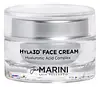
This anti-aging moisturizer is formulated around Sodium Hyaluronate and Sodium Hyaluronate Crosspolymer to soften the look of wrinkles and hydrate skin.
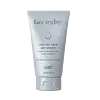
This barrier-repair moisturizer is formulated around Squalane and Ceramide NP to strengthen the skin barrier and calm redness.

What's inside
What's inside
 Key Ingredients
Benefits
Concerns
Ingredients Side-by-side
Water
Skin ConditioningGlycerin
Humectant


Cetyl Ricinoleate
Emollient

Hexyl Laurate
Emollient
Oryza Sativa Bran Extract
Skin Conditioning
Cetyl Alcohol
Emollient

Glyceryl Stearate
Emollient
PEG-100 Stearate
Surfactant
Polysorbate 20
Emulsifying
Palmitic Acid
Emollient


Sodium Hyaluronate
Humectant


Helianthus Annuus Seed Oil
Emollient
Sodium Hyaluronate Crosspolymer
Humectant
Aloe Barbadensis Leaf Juice
Skin Conditioning
Oligopeptide-24
Skin Conditioning
Oryza Sativa Bran Oil
Emollient
Citrullus Lanatus Fruit Extract
Skin Conditioning
Lens Esculenta Fruit Extract
Skin ConditioningPyrus Malus Fruit Extract
Skin Conditioning
Sodium Lactate
Buffering
Sodium PCA
Humectant
Arnica Montana Flower Extract
Masking
Cucumis Sativus Fruit Extract
Emollient
Anacyclus Pyrethrum Root Extract
Skin ConditioningTetrahydrodiferuloylmethane
Antioxidant
Tocotrienols
Skin Conditioning
Tocopherol
Antioxidant

Glycine Soja Oil
Emollient
Hydrogenated Lecithin
Emulsifying
Sodium Oleate
CleansingCetyl Esters
Emollient
Potassium Phosphate
BufferingAlcohol
Antimicrobial


Lecithin
Emollient
Stearic Acid
Cleansing
Retinyl Palmitate/Carrot Polypeptide
Skin Conditioning

Sorbitan Stearate
Emulsifying
Carbomer
Emulsion StabilisingTriethanolamine
BufferingDiethanolamine
BufferingParfum
Masking
Linalool
Perfuming
Geraniol
Perfuming
Benzyl Salicylate
Perfuming
Eugenol
Perfuming
Amyl Cinnamal
Perfuming
Maltodextrin
Absorbent
Acacia Senegal Gum
MaskingCaprylic/Capric Triglyceride
Masking
Sucrose
Humectant
Sodium Ascorbate
Antioxidant


Silica
Abrasive

Ascorbic Acid
Antioxidant
Hydrolyzed Elastin
EmollientMyristic Acid
Cleansing
Hexylene Glycol
EmulsifyingCaprylyl Glycol
Emollient
Ethylhexylglycerin
Skin ConditioningPentylene Glycol
Skin Conditioning
Potassium Sorbate
Preservative
Sodium Benzoate
Masking
Hydrolyzed Wheat Protein
Skin ConditioningBenzyl Alcohol
Perfuming
Disodium EDTA
ChelatingPhenoxyethanol
Preservative
CI 40800
Cosmetic ColorantWater, Glycerin, Cetyl Ricinoleate, Hexyl Laurate, Oryza Sativa Bran Extract, Cetyl Alcohol, Glyceryl Stearate, PEG-100 Stearate, Polysorbate 20, Palmitic Acid, Sodium Hyaluronate, Helianthus Annuus Seed Oil, Sodium Hyaluronate Crosspolymer, Aloe Barbadensis Leaf Juice, Oligopeptide-24, Oryza Sativa Bran Oil, Citrullus Lanatus Fruit Extract, Lens Esculenta Fruit Extract, Pyrus Malus Fruit Extract, Sodium Lactate, Sodium PCA, Arnica Montana Flower Extract, Cucumis Sativus Fruit Extract, Anacyclus Pyrethrum Root Extract, Tetrahydrodiferuloylmethane, Tocotrienols, Tocopherol, Glycine Soja Oil, Hydrogenated Lecithin, Sodium Oleate, Cetyl Esters, Potassium Phosphate, Alcohol, Lecithin, Stearic Acid, Retinyl Palmitate/Carrot Polypeptide, Sorbitan Stearate, Carbomer, Triethanolamine, Diethanolamine, Parfum, Linalool, Geraniol, Benzyl Salicylate, Eugenol, Amyl Cinnamal, Maltodextrin, Acacia Senegal Gum, Caprylic/Capric Triglyceride, Sucrose, Sodium Ascorbate, Silica, Ascorbic Acid, Hydrolyzed Elastin, Myristic Acid, Hexylene Glycol, Caprylyl Glycol, Ethylhexylglycerin, Pentylene Glycol, Potassium Sorbate, Sodium Benzoate, Hydrolyzed Wheat Protein, Benzyl Alcohol, Disodium EDTA, Phenoxyethanol, CI 40800
Water
Skin ConditioningSqualane
Emollient
Glycerin
Humectant
Dicaprylyl Ether
Emollient
Hydrolyzed Jojoba Esters
Skin Conditioning
Glyceryl Stearate
Emollient
Dicaprylyl Carbonate
EmollientHydroxyethyl Acrylate/Sodium Acryloyldimethyl Taurate Copolymer
Emulsion StabilisingCeramide NP
Skin Conditioning
Ceramide Ng
Skin Conditioning
Ceramide AP
Skin Conditioning
Punica Granatum Sterols
Skin Conditioning
Euterpe Oleracea Sterols
Skin ConditioningLinoleic Acid
Cleansing
Linolenic Acid
Cleansing
Serine
Masking
Alanine
Masking
Glycine
Buffering
Lysine Hcl
Skin Conditioning
Threonine
Arginine
Masking
Proline
Skin Conditioning
Betaine
Humectant
Glutamic Acid
Humectant
Sodium PCA
Humectant
Sodium Lactate
Buffering
PCA
Humectant
Sodium Hyaluronate
Humectant
Sodium Acetylated Hyaluronate
Humectant
Sodium Hyaluronate Crosspolymer
Humectant
Hydrolyzed Sodium Hyaluronate
Skin Conditioning
Asiaticoside
Antioxidant
Madecassic Acid
Skin Conditioning
Centella Asiatica Extract
Cleansing
Asiatic Acid
Skin Conditioning
Bisabolol
Antioxidant
Allantoin
Skin Conditioning
Panthenol
Skin Conditioning
Jojoba Esters
Emollient
Sodium Stearoyl Glutamate
CleansingOleic Acid
Emollient
Maltodextrin
Absorbent
Cetyl Alcohol
Emollient
Beta-Glucan
Skin Conditioning
Inulin
Skin Conditioning
Sodium Phytate
ChelatingTocopheryl Acetate
Antioxidant
Xanthan Gum
EmulsifyingPolysorbate 60
Emulsifying
Dimethicone
Emollient
Polyacrylate Crosspolymer-6
Emulsion StabilisingPhenoxyethanol
Preservative
Hydrolyzed Gardenia Florida Extract
Antioxidant
Propanediol
Solvent
Caprylyl Glycol
Emollient
Ethylhexylglycerin
Skin ConditioningHexylene Glycol
EmulsifyingCitric Acid
Buffering
Pentylene Glycol
Skin Conditioning
Water, Squalane, Glycerin, Dicaprylyl Ether, Hydrolyzed Jojoba Esters, Glyceryl Stearate, Dicaprylyl Carbonate, Hydroxyethyl Acrylate/Sodium Acryloyldimethyl Taurate Copolymer, Ceramide NP, Ceramide Ng, Ceramide AP, Punica Granatum Sterols, Euterpe Oleracea Sterols, Linoleic Acid, Linolenic Acid, Serine, Alanine, Glycine, Lysine Hcl, Threonine, Arginine, Proline, Betaine, Glutamic Acid, Sodium PCA, Sodium Lactate, PCA, Sodium Hyaluronate, Sodium Acetylated Hyaluronate, Sodium Hyaluronate Crosspolymer, Hydrolyzed Sodium Hyaluronate, Asiaticoside, Madecassic Acid, Centella Asiatica Extract, Asiatic Acid, Bisabolol, Allantoin, Panthenol, Jojoba Esters, Sodium Stearoyl Glutamate, Oleic Acid, Maltodextrin, Cetyl Alcohol, Beta-Glucan, Inulin, Sodium Phytate, Tocopheryl Acetate, Xanthan Gum, Polysorbate 60, Dimethicone, Polyacrylate Crosspolymer-6, Phenoxyethanol, Hydrolyzed Gardenia Florida Extract, Propanediol, Caprylyl Glycol, Ethylhexylglycerin, Hexylene Glycol, Citric Acid, Pentylene Glycol
Ingredients Explained
These ingredients are found in both products.
Ingredients higher up in an ingredient list are typically present in a larger amount.
Caprylyl Glycol is a humectant, skin conditioner, emollient, and preservative booster derived from either caprylic acid or synthetically created.
Typical use levels vary from 0.3-1% as a preservative booster and go up to 2% to condition skin.
Because it is not a free-fatty acid, this ingredient is fungal acne safe (there's nothing for Malassezia to feed on).
Learn more about Caprylyl GlycolCetyl Alcohol is a fatty alcohol. Fatty Alcohols are most often used as an emollient or to thicken a product.
Its main roles are:
Though it has "alcohol" in the name, it is not related to denatured alcohol or ethyl alcohol.
The FDA allows products labeled "alcohol-free" to have fatty alcohols.
This ingredient may not be fungal acne safe. It is a primary fatty alcohol with a chain length above 12 carbons. A study from 2019 show Malassezia can feed on fatty alcohols in this range, so it may trigger fungal acne in those prone to it.
Learn more about Cetyl AlcoholEthylhexylglycerin is created from glycerin. It is a multitasker ingredient that:
The CIR Expert Panel found minimal skin absorption or sensitization of any kind in a safety assessment. Though this ingredient is considered well-tolerated, a small number of cases of allergic dermatitis have been published since 2002. Just be sure to patch test if you are unsure.
Industry-reported use ranges from 8% in rinse-off products and 2% in leave-on formulations.
Learn more about EthylhexylglycerinGlycerin (or glycerol) is a compound naturally found in your skin. It's a powerhouse humectant that pulls water into the stratum corneum.
Topically, glycerin does several things at once:
Your skin makes glycerin on its own (mostly from sebaceous oil breakdown) and shuttles it to your outermost layer of skin, or your epidermis, via aquaporin-3.
Aquaporin-3 is a transporter that is essential for normal skin hydration, elasticity, and repair. Interestingly, mice lacking in AQP3 have dry and less elastic skin that can be fully corrected with glycerin.
This ingredient is non-irritating, plays well with almost every ingredient, and works across all skin types. Typical use is anywhere between 3-10% but can go up to 79% in some leave-on products.
Just know very high concentrations (>40%) can feel tacky in low humidity.
Glycerin is the name for this ingredient in American English. British English uses Glycerol/Glycerine.
Learn more about GlycerinGlyceryl Stearate is made by reacting glycerin with stearic acid (typically sourced from plant oils like palm or coconut). It's an emulsifier, emollient, and mild occlusive.
Emulsifiers help ingredients like oil and water stay mixed so your formula stays nicely blended and uniform in texture.
This ingredient is typically used in concentrations between 1-10%. Studies have found it to be non-sensitizing, non-phototoxic, and non-photoallergenic.
A close cousin of this ingredient is Glyceryl Stearate SE ("self-emulsifying"). This just has a small amount of sodium or potassium stearate added so it can emulsify without a co-emulsifier.
Since this ingredient is an ester of a C18 fatty acid, it may not be fungal acne safe. The Malassezia yeast can potentially metabolize within the C11-C24 range.
Fun fact: The human body also creates Glyceryl Stearate naturally.
Learn more about Glyceryl StearateHexylene Glycol is a multitasker ingredient that works as a solvent, humectant, emulsifier, viscosity reducer, and preservative booster.
It is able to dissolve both water and oil-soluble ingredients to stabilize tricky actives and make products spread more easily.
As a humectant, it pulls water into the skin. But it's a pretty minor moisturizing ingredient compared to other humectants, like glycerin.
Interestingly, it can act as a mild penetration enhancer. One in vitro study on human skin found a 12% concentration upped the absorption of mometasone furoate (a medicinal ingredient used to treat inflammatory skin conditions) up to 7%.
This ingredient is typically used at levels of 0.1-10% depending on the role it's playing.
A patch test study on eczema patients didn't find a significant increase in irritation versus the control group, but the potential for irritation rises at higher concentrations.
Learn more about Hexylene GlycolMaltodextrin is a plant-derived carbohydrate made by breaking down starch (usually from corn, potato, or rice). In cosmetic formulas, it's a multitasking absorbent, emulsion stabilizer, and skin conditioner.
This ingredient is mostly used to stabilize emulsions and improve the powdery, non-greasy feel of products (like dry shampoos).
Safety-wise, this ingredient is pretty solid; it's even recognized as a food additive. Both animal and clinical studies found no adverse effects at the levels used in cosmetics.
Industry data shows this ingredient is used up to 45.7% in spray products and up to 33% in powder products.
Learn more about MaltodextrinPentylene Glycol (1,2-pentanediol) is a multitasking little diol with three main roles in a formula:
Research on alkanediols (the family pentylene glycol belongs to) show they work by disrupting microbial cell membranes. This disruption helps the primary preservative system in a product work more effectively at lower doses.
On the safety side, the Cosmetic Ingredient Review Expert Panel has concluded this ingredient to be safe as used in current cosmetic practices + concentrations.
Typical use levels in a formula run about 1-5%.
Learn more about Pentylene GlycolPhenoxyethanol is one of the most widely used preservatives in skincare (and for good reason!).
It has a large spectrum of antimicrobial activity and especially effective bacteria, yeast, and mold while only having a weak effect on your skin's natural microbiome.
On a cellular level, it disrupts the cell membranes of microbes by poking holes that make the cell leak. This shuts down the chemical reactions the microbe needs to make energy so it can no longer survive.
Another perk of this ingredient is that it stays functional across a wide pH range (3-10).
You'll often see it paired with boosters like Ethylhexylglycerin; one study showed that a 1:9 ratio of Ethylhexylglycerin to Phenoxyethanol damages bacterial membranes as effectively as doubling the Phenoxyethanol concentration on its own.
Typical use concentrations range from 0.3-1% depending on the formula, and this ingredient is capped at 1% int the EU.
Safety-wise, the fear mongering does not hold up to the evidence. The EU's Scientific Committee on Consumer Safety and FDA consider it safe as a preservative at up to 1%, including for children of all ages.
Adverse systemic effects only showed up in animal studies at exposures roughly 200x higher than what people get from cosmetics. And despite its very widespread use, this ingredient is a rare sensitizer and allergic reactions are uncommon.
Learn more about PhenoxyethanolSodium Hyaluronate is the salt form of hyaluronic acid. It is a long sugar chain that is naturally found in your skin, joints, and connective tissue that maintains hydration and elasticity.
In skincare, it works as a humectant. It pulls water from the environment and deeper layers of skin and binds it to the surface.
Interestingly, the size of the molecule affects its behavior:
Some clinical evidence links low molecular weight versions to improved wrinkle depth, elasticity, anti-inflammatory effects, and barrier repair.
Many serums use a blend of both weights so you can get surface hydration plus longer-lasting and deeper effects.
You'll typically see concentrations between 0.1-2% for this ingredient.
Learn more about Sodium HyaluronateSodium Hyaluronate Crosspolymer is a crosslinked version of sodium hyaluronate. This just means it's linked into a 3D mesh network that lets it be more stable and sit on skin as a cohesive, gel-like film rather than sinking into skin.
A 2016 human skin study found crosslinked HA increased epidermal water content by 7.6% over the control group and reduced transepidermal water loss by 27.8%.
A follow-up clinical trial found that a topical crosslinked HA serum applied after fillers, microneedling, or chemical peels was well-tolerated and enhanced skin quality at 14 / 28 days.
More recent research suggests that concentrations as low as 0.03% can act as a penetration enhancer for other skincare actives.
Learn more about Sodium Hyaluronate CrosspolymerSodium Lactate is the sodium salt of lactic acid, an AHA. It is a humectant and sometimes used to adjust the pH of a product.
This ingredient is part of our skin's NMF, or natural moisturizing factor. Our NMF is essential for the hydration of our top skin layers and plasticity of skin. NMF also influences our skin's natural acid mantle and pH, which protects our skin from harmful bacteria.
High percentages of Sodium Lactate can have an exfoliating effect.
Fun fact: Sodium Lactate is produced from fermented sugar.
Learn more about Sodium LactateSodium PCA (the salt of PCA) is one of the most well-established humectants in skincare.
Why is it so special? Your skin already makes it naturally; it's a natural component of your skin's Natural Moisturizing Factor (NMF), or the mix of water-binding compounds inside your skin cells that keeps things soft and hydrated.
As a cosmetic ingredient, it grabs water and holds it in the upper layers of skin to smooth roughness and ease dehydration.
There's some clinical support for the NMF approach with a study showing that a cream built to mimic the skin's NMF significantly boosted hydration.
Safety-wise, this ingredient non-irritating, non-comedogenic, and non-phototoxic in testing, with minimal skin absorption.
It also works really well with other hydrators like glycerin or hyaluronic acid, and typical usage is somewhere between 0.2-4%.
Learn more about Sodium PCAWater. It's the most common cosmetic ingredient of all. You'll usually see it at the top of ingredient lists, meaning that it makes up the largest part of the product.
So why is it so popular? Water most often acts as a solvent - this means that it helps dissolve other ingredients into the formulation.
You'll also recognize water as that liquid we all need to stay alive. If you see this, drink a glass of water. Remember to stay hydrated!
Learn more about Water

