
What's inside
What's inside
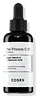 Key Ingredients
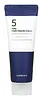
Benefits
Concerns
Ingredients Side-by-side
Water
Skin ConditioningAscorbic Acid 23%
Antioxidant






Propanediol
Solvent

Dimethicone
Emollient
Tromethamine
BufferingPanthenol
Skin Conditioning

3-O-Ethyl Ascorbic Acid
Skin Conditioning
Squalane
Emollient
Caffeine
Skin Conditioning
Sodium Chloride
MaskingSodium Hyaluronate
Humectant
Sodium Sulfite
Preservative
Disodium EDTA
Glutathione
Adenosine
Skin Conditioning
Acetyl Glucosamine
Skin Conditioning
Gardenia Florida Fruit Extract
Skin ConditioningAllantoin
Skin Conditioning
Dextrin
AbsorbentTocotrienols
Skin Conditioning
Tocopherol
Antioxidant
Elaeis Guineensis Oil
Emollient

Butylene Glycol
Humectant
Arginine
Masking
Niacinamide
Smoothing


Pentylene Glycol
Skin Conditioning
Alcohol Denat.
Antimicrobial




Helianthus Annuus Seed Oil
Emollient
Glycyrrhiza Glabra Root Extract
Bleaching
Methyl Trimethicone
Skin Conditioning
Carthamus Tinctorius Seed Oil
Masking
Camellia Japonica Seed Oil
Emollient
Daucus Carota Sativa Root Extract
Skin Conditioning
Beta-Carotene
Skin ConditioningWater, Ascorbic Acid 23%, Propanediol, Dimethicone, Tromethamine, Panthenol, 3-O-Ethyl Ascorbic Acid, Squalane, Caffeine, Sodium Chloride, Sodium Hyaluronate, Sodium Sulfite, Disodium EDTA, Glutathione, Adenosine, Acetyl Glucosamine, Gardenia Florida Fruit Extract, Allantoin, Dextrin, Tocotrienols, Tocopherol, Elaeis Guineensis Oil, Butylene Glycol, Arginine, Niacinamide, Pentylene Glycol, Alcohol Denat., Helianthus Annuus Seed Oil, Glycyrrhiza Glabra Root Extract, Methyl Trimethicone, Carthamus Tinctorius Seed Oil, Camellia Japonica Seed Oil, Daucus Carota Sativa Root Extract, Beta-Carotene
Terminalia Ferdinandiana Fruit Extract
Antioxidant
Methylpropanediol
SolventGlycerin
Humectant
Cetyl Ethylhexanoate
EmollientCetearyl Alcohol
Emollient



Panthenol
Skin Conditioning
Niacinamide
Smoothing
Betaine
Humectant
Vinyldimethicone
Squalane
Emollient
Caprylic/Capric Triglyceride
Masking
1,2-Hexanediol
Skin Conditioning
Methyl Trimethicone
Skin Conditioning
Butyrospermum Parkii Butter
Skin Conditioning
Polymethylsilsesquioxane
Propanediol
Solvent
Melia Azadirachta Flower Extract
Skin ConditioningMelia Azadirachta Leaf Extract
Skin ConditioningCurcuma Longa Root Extract
Masking
Ocimum Sanctum Leaf Extract
Skin ConditioningTheobroma Cacao Seed Extract
Antioxidant
Corallina Officinalis Extract
Skin Conditioning
Olea Europaea Leaf Extract
Perfuming
Phaseolus Lunatus Seed Extract
EmollientCitrus Aurantium Dulcis Oil
Masking
Hydrogenated Lecithin
Emulsifying
Citrus Nobilis Peel Oil
Masking
Litsea Cubeba Fruit Oil
Masking
Rosa Canina Fruit Oil
Emollient
Camellia Sinensis Leaf Water
Masking
Water
Skin ConditioningGlyceryl Linolenate
Emollient
Glyceryl Linoleate
Emollient
Tocopheryl Acetate
Antioxidant
Polyglyceryl-2 Stearate
Emulsifying
Isononyl Isononanoate
EmollientGlyceryl Stearate Se
Emulsifying
Glyceryl Stearate
Emollient
Bisabolol
Antioxidant
Hydroxyethyl Acrylate/Sodium Acryloyldimethyl Taurate Copolymer
Emulsion StabilisingStearyl Alcohol
Emollient
Acrylates/C10-30 Alkyl Acrylate Crosspolymer
Emulsion StabilisingTromethamine
BufferingXanthan Gum
Emulsifying3-O-Ethyl Ascorbic Acid
Skin Conditioning
Behenyl Alcohol
Emollient
Ascorbyl Tetraisopalmitate
Antioxidant
Adenosine
Skin Conditioning
Disodium EDTA
Butylene Glycol
Humectant
Sorbitan Isostearate
Emulsifying
Cholesterol
Emollient
Hydroxydecyl Ubiquinone
Antioxidant
Cyamopsis Tetragonoloba Gum
Emulsion StabilisingAgar
MaskingDextrin
AbsorbentCeramide NP
Skin Conditioning
7-Dehydrocholesterol
Emulsion StabilisingMagnesium Myristate
Magnesium Stearate
Cosmetic ColorantSea Salt
Abrasive
Acetyl Glucosamine
Skin Conditioning
Zinc Gluconate
Skin Conditioning
Calcium Stearate
Cosmetic ColorantLactic Acid
Buffering
Cetyl Hydroxyethylcellulose
Emulsion StabilisingRutin
Antioxidant
Ascorbyl Glucoside
Antioxidant
Zinc PCA
Humectant
Glycine
Buffering
Glutamic Acid
Humectant
Glutamine
Skin ConditioningDipotassium Phosphate
BufferingLysine
Skin ConditioningLeucine
Skin ConditioningMethionine
Skin ConditioningValine
MaskingSerine
Masking
Cysteine
Antioxidant
Citrulline
Skin ConditioningAscorbic Acid
Antioxidant
Asparagine
MaskingAspartic Acid
Masking
Isoleucine
Skin ConditioningAlanine
Masking
Arginine
Masking
Ornithine
Skin ConditioningCopper Tripeptide-1
Skin Conditioning
Taurine
BufferingTyrosine
MaskingThreonine
Tryptophan
MaskingPantothenic Acid
Skin ConditioningPhenylalanine
Masking
Proline
Skin Conditioning
Histidine
Humectant
Retinyl Palmitate
Skin Conditioning
Repagermanium
Skin ConditioningLinolenic Acid
Cleansing
Riboflavin
Cosmetic ColorantMagnesium Ascorbyl Phosphate
Antioxidant
Menadione
MaskingBiotin
AntiseborrhoeicBioflavonoids
Skin ConditioningCyanocobalamin
Skin ConditioningSodium Ascorbyl Phosphate
Antioxidant
Tocopherol
Antioxidant
Thiamine Hcl
MaskingPalmitoyl Tetrapeptide-7
Skin Conditioning
Palmitoyl Tripeptide-1
Skin Conditioning
Folic Acid
Skin ConditioningPyridoxine
Skin ConditioningHesperidin
EmollientEthylhexylglycerin
Skin ConditioningLimonene
Perfuming
Citral
Perfuming
Terminalia Ferdinandiana Fruit Extract, Methylpropanediol, Glycerin, Cetyl Ethylhexanoate, Cetearyl Alcohol, Panthenol, Niacinamide, Betaine, Vinyldimethicone, Squalane, Caprylic/Capric Triglyceride, 1,2-Hexanediol, Methyl Trimethicone, Butyrospermum Parkii Butter, Polymethylsilsesquioxane, Propanediol, Melia Azadirachta Flower Extract, Melia Azadirachta Leaf Extract, Curcuma Longa Root Extract, Ocimum Sanctum Leaf Extract, Theobroma Cacao Seed Extract, Corallina Officinalis Extract, Olea Europaea Leaf Extract, Phaseolus Lunatus Seed Extract, Citrus Aurantium Dulcis Oil, Hydrogenated Lecithin, Citrus Nobilis Peel Oil, Litsea Cubeba Fruit Oil, Rosa Canina Fruit Oil, Camellia Sinensis Leaf Water, Water, Glyceryl Linolenate, Glyceryl Linoleate, Tocopheryl Acetate, Polyglyceryl-2 Stearate, Isononyl Isononanoate, Glyceryl Stearate Se, Glyceryl Stearate, Bisabolol, Hydroxyethyl Acrylate/Sodium Acryloyldimethyl Taurate Copolymer, Stearyl Alcohol, Acrylates/C10-30 Alkyl Acrylate Crosspolymer, Tromethamine, Xanthan Gum, 3-O-Ethyl Ascorbic Acid, Behenyl Alcohol, Ascorbyl Tetraisopalmitate, Adenosine, Disodium EDTA, Butylene Glycol, Sorbitan Isostearate, Cholesterol, Hydroxydecyl Ubiquinone, Cyamopsis Tetragonoloba Gum, Agar, Dextrin, Ceramide NP, 7-Dehydrocholesterol, Magnesium Myristate, Magnesium Stearate, Sea Salt, Acetyl Glucosamine, Zinc Gluconate, Calcium Stearate, Lactic Acid, Cetyl Hydroxyethylcellulose, Rutin, Ascorbyl Glucoside, Zinc PCA, Glycine, Glutamic Acid, Glutamine, Dipotassium Phosphate, Lysine, Leucine, Methionine, Valine, Serine, Cysteine, Citrulline, Ascorbic Acid, Asparagine, Aspartic Acid, Isoleucine, Alanine, Arginine, Ornithine, Copper Tripeptide-1, Taurine, Tyrosine, Threonine, Tryptophan, Pantothenic Acid, Phenylalanine, Proline, Histidine, Retinyl Palmitate, Repagermanium, Linolenic Acid, Riboflavin, Magnesium Ascorbyl Phosphate, Menadione, Biotin, Bioflavonoids, Cyanocobalamin, Sodium Ascorbyl Phosphate, Tocopherol, Thiamine Hcl, Palmitoyl Tetrapeptide-7, Palmitoyl Tripeptide-1, Folic Acid, Pyridoxine, Hesperidin, Ethylhexylglycerin, Limonene, Citral
Reviews
Ingredients Explained
These ingredients are found in both products.
Ingredients higher up in an ingredient list are typically present in a larger amount.
You might know this ingredient as Ethyl Ascorbic Acid, a more stable version of ascorbic acid.
Like other types of vitamin C, this ingredient has many benefits including reducing wrinkles, skin soothing, dark spot fading, and fighting against free radicals.
3-O-Ethyl Ascorbic Acid interferes with the process of skin darkening, helping to reduce hyperpigmentation. It also encourages the skin to produce more collagen.
Once applied, 3-O-Ethyl Ascorbic Acid is converted to Vitamin C deeper in the skin's layers. This process is slow but makes this ingredient more tolerable for skin.
The optimum pH range for this ingredient is 4 - 5.5
Learn more about 3-O-Ethyl Ascorbic AcidAcetyl Glucosamine is an antioxidant and humectant. It is an amino acid sugar and is naturally found in our skin.
The cool thing about this ingredient? It helps the skin produce hyaluronic acid and boost hydration. It also has antioxidant benefits to protect skin cells.
When paired with niacinamide, Acetyl Glucosamine has been shown to be effective at reducing discoloration.
Learn more about Acetyl GlucosamineAdenosine is in every living organism. It is one of four components in nucleic acids that helps store our DNA.
Adenosine has many benefits when used. These benefits include hydrating the skin, smoothing skin, and reducing wrinkles. Once applied, adenosine increases collagen production. It also helps with improving firmness and tissue repair.
Studies have found adenosine may also help with wound healing.
In skincare products, Adenosine is usually derived from yeast.
Learn more about AdenosineArginine is a semi-essential amino acid. This just means our bodies can product a bit on its own, but sometimes needs a little boost from food sources.
It is a part of your skin's natural moisturizing factor (NMF), or the water-loving molecules in your outermost layer of skin (stratum corneum) that keeps everything hydrated and happy.
Here's an interesting thing about Arginine: your skin converts it into urea through the Krebs-Henseleit urea cycle. Urea is one of the most effective humectants your skin naturally produces.
A clinical study showed applying 2.5% arginine hydrochloride to atopic dermatitis skin showed significant urea levels in the stratum corneum and improved moisture in just four weeks.
Arginine is also a precursor to nitric oxide; nitric oxide improves microcirculation and supports wound healing and collagen synthesis.
One study found that an amino acid complex containing Arginine reduced skin irritation, improved hydration, and accelerated skin repair in clinical / in-vivo studies.
Arginine itself is an amino acid and not a fatty acid, oil, or ester. On its own, it's not a direct food source for Malassezia, or the yeast that causes fungal acne.
Learn more about ArginineAscorbic Acid is is pure Vitamin C and is the biologically active form used directly by skin.
Not only is vitamin C great for your overall health and immune system, but it also has plenty of benefits for your skin. It is best supported by academic literature for:
Topical vitamin C has been shown to help neutralize oxidative stress from UV and pollution, helping to improve photoaging and hyperpigmentation when used consistently.
One clinical study found that using 5% topical vitamin C for six months improved signs of photodamaged skin, both on the surface and in the deeper structural layers of the skin.
While vitamin C doesn’t replace sunscreen, studies show it can boost photoprotection when combined with Vitamin E and ferulic acid. These two ingredients help improve stability and protective effects.
The big downside of this ingredient is formulation difficulty. Vitamin C is prone to oxidation and doesn't penetrate the skin unless formulated correctly. Research found that vitamin C absorbs into the skin best at a low pH (< 3.5) with about 20% being the upper limit for effective absorption.
Skin levels can saturate after repeated application; this means your skin won’t keep absorbing more once it’s full of vitamin C. This is why more isn’t always better with vitamin C and why very high concentrations don’t necessarily give extra benefits.
Ascorbic acid generally works well with many skincare ingredients but can be irritating when combined with other active ingredients. Strong oxidizing acne treatments like benzoyl peroxide can reduce the effectiveness of vitamin C if they are used at the same time; they are often recommended for use at different times of day.
Read more about other types of Vitamin C:
Foods rich with vitamin C include oranges, strawberries, broccoli, bell peppers, and more. When consuming Vitamin C, your skin receives a portion of the nutrients.
Learn more about Ascorbic AcidButylene Glycol (or BG) is used within cosmetic products for a few different reasons:
Overall, Butylene Glycol is a safe and well-rounded ingredient that works well with other ingredients.
Though this ingredient works well with most skin types, some people with sensitive skin may experience a reaction such as allergic rashes, closed comedones, or itchiness.
Learn more about Butylene GlycolDextrin is used to thicken a product and helps bind ingredients together. It is created from starch and glycogen.
As an emulsifier, dextrin prevents ingredients from separating. This helps elongate a product's shelf life.
Studies show coating UV filters with dextrin prevents these ingredients from being absorbed. This helps UV ingredients last longer on the skin.
Learn more about DextrinDisodium EDTA is a chelating agent. It grabs onto and deactivates metal ions that sneak into your products from water, packaging, or air.
This ingredient mainly works behind the scenes and helps with:
On top of that, this ingredient can counteract the effects of hard water by binding to the minerals in it.
One thing worth knowing is that Disodium EDTA has been shown to be a mild penetration enhancer. It can help other ingredients absorb into skin more effectively which can be a double-edged sword (great for actives, but can also make the active too strong if you have sensitive skin).
Clinical patch testing showed no significant skin irritation at typical use concentrations and minimal dermal absorption.
You'll most likely see this ingredient near the end of an ingredient list. It's typically found in concentrations less than 1%.
Learn more about Disodium EDTAMethyl Trimethicone is a type of silicone. It is a solvent and emulsifier.
Solvents are used to keep ingredients together in a product. They can help dissolve ingredients to stable bases or help evenly distribute ingredients throughout the product.
Emulsifiers help stabilize a product. It does this by preventing certain ingredients from separating.
Methyl Trimethicone does not get absorbed into the skin.
Learn more about Methyl TrimethiconeNiacinamide is a multitasking form of vitamin B3 that strengthens the skin barrier, reduces pores and dark spots, regulates oil, and improves signs of aging.
And the best part? It's gentle and well-tolerated by most skin types, including sensitive and reactive skin.
You might have heard of "niacin flush", or the reddening of skin that causes itchiness. Niacinamide has not been found to cause this.
In very rare cases, some individuals may not be able to tolerate niacinamide at all or experience an allergic reaction to it.
If you are experiencing flaking, irritation, and dryness with this ingredient, be sure to double check all your products as this ingredient can be found in all categories of skincare.
When incorporating niacinamide into your routine, look out for concentration amounts. Typically, 5% niacinamide provides benefits such as fading dark spots. However, if you have sensitive skin, it is better to begin with a smaller concentration.
When you apply niacinamide to your skin, your body converts it into nicotinamide adenine dinucleotide (NAD). NAD is an essential coenzyme that is already found in your cells as "fuel" and powers countless biological processes.
In your skin, NAD helps repair cell damage, produce new healthy cells, support collagen production, strengthen the skin barrier, and fight environmental stressors (like UV and pollution).
Our natural NAD levels start to decline with age, leading to slower skin repair, visible aging, and a weaker skin barrier. By providing your skin niacinamide, you're recharging your skin's NAD levels. This leads to stronger, healthier, and younger looking skin.
Another name for vitamin B3 is nicotinamide. This vitamin is water-soluble and our bodies don't store it. We obtain Vitamin B3 from either food or skincare. Meat, fish, wheat, yeast, and leafy greens contain vitamin B3.
The type of niacinamide used in skincare is synthetically created.
Learn more about NiacinamidePanthenol is a common ingredient that helps hydrate and soothe the skin. It is found naturally in our skin and hair.
There are two forms of panthenol: D and L.
D-panthenol is also known as dexpanthenol. Most cosmetics use dexpanthenol or a mixture of D and L-panthenol.
Panthenol is famous due to its ability to go deeper into the skin's layers. Using this ingredient has numerous pros (and no cons):
Like hyaluronic acid, panthenol is a humectant. Humectants are able to bind and hold large amounts of water to keep skin hydrated.
This ingredient works well for wound healing. It works by increasing tissue in the wound and helps close open wounds.
Once oxidized, panthenol converts to pantothenic acid. Panthothenic acid is found in all living cells.
This ingredient is also referred to as pro-vitamin B5.
Learn more about PanthenolPropanediol is an all-star ingredient. It softens, hydrates, and smooths the skin.
It’s often used to:
Propanediol is not likely to cause sensitivity and considered safe to use. It is derived from corn or petroleum with a clear color and no scent.
Learn more about PropanediolSqualane is the hydrogenated and shelf-stable form of squalene (a lipid that naturally occurs in human sebum).
It is an emollient and skin conditioning agent that is able to integrate seamlessly into the skin's lipid barrier without clogging pores.
This is due to how structurally similar it is to what your skin already produces.
Though it is mostly an emollient that helps soften and hydrate skin, it also has some humectant and occlusive action. Humectants help the skin retain moisture while occlusives seal it in, making squalane a triple-threat moisturizer.
Research shows it has antioxidant capabilities that help protect against stressors like UV exposure, specifically UVA induced oxidative stress. This study also found that it supports collagen biosynthesis in human dermal fibroblasts.
No clinical study has reported significant adverse effects and irritation reactions are very rare from this ingredient (even at 100% concentration).
Overall, it's a fantastic ingredient for hydration and is suitable for all skin types.
This depends on the source. Squalane can be derived from both plants and animals. Most squalane used in skincare comes from plants.
Please note: the source of squalane is only known if disclosed by the brand. We recommend reaching out to the brand if you have any questions about their squalane.
Read more about squalene with an "e".
Though squalane is often called an oil, it’s technically not one. It is a hydrocarbon, meaning it is only made of carbon and hydrogen. True oils are triglycerides and made of fatty acids and glycerol.
The term “oil-free” isn’t regulated so companies can define it however they want. Some exclude all oils, while others just avoid mineral oil or comedogenic oils.
Squalane has a comedogenic rating of 1 from the original 1972 study that tested raw ingredients under occlusion on rabbit ears. This system is not standardized or peer-reviewed, and using the raw ingredients is very different from how diluted cosmetic formulations are used on human skin.
A comedogenic rating of 1 means it is "unlikely to clog pores" according to the original rating system.
The overall formula of a product matters more than the individual ingredients on whether or not it will cause clogged pores.
Learn more about SqualaneTocopherol is a fat-soluble antioxidant known as Vitamin E.
You'll find this ingredient in the vast majority of skincare (for good reason). It works to neutralize free radicals, or unstable molecules generated by UV exposure, pollution, and other environmental stressors, before they can cause oxidative damage to your skin cells.
Topically applied tocopherol has been shown to protect against UV damage by ramping up the skin's own natural defense enzymes.
It also acts as a skin conditioning agent; some studies show that regular topical use can improve the skin's water-binding capacity over 2-4 weeks.
This ingredient is especially loved for being a team player. When combined with Vitamin C, the photoprotective effect of both ingredients roughly doubles and the combo also helps reduce UV-induced DNA damage.
This ingredient has some brightening potential but it's more of a prevention ingredient than spot-fader. Cell studies show it can slow down melanin production but it's worth noting that it's not the most powerful brightener out there.
In formulations, it also serves as a stabilizer that helps protect other oxidation-prone ingredients from degrading.
Concentrations usually range from 0.1-1% in most leave-on products.
Learn more about TocopherolTromethamine helps balance the pH and improve the texture of a product. It is synthetically created.
As an emulsifier, Tromethamine prevents oil and water ingredients from separating. This helps stabilize the product and elongate a product's shelf life. Tromethamine also makes a product thicker.
Tromethamine helps balance the pH level of a product. Normal pH level of skin is slightly acidic (~4.75-5.5). The acidity of our skin is maintained by our glands and skin biome. Being slightly acidic allows our skin to create an "acid mantle". This acid mantle is a thin barrier that protects our skin from bacteria and contaminants.
Oral Tromethanmine is an anti-inflammatory drug but plays the role of masking, adding fragrance, and/or balancing pH in skincare.
1,3-Propanediol, 2-amino-2-(hydroxymethyl)-
Learn more about TromethamineWater. It's the most common cosmetic ingredient of all. You'll usually see it at the top of ingredient lists, meaning that it makes up the largest part of the product.
So why is it so popular? Water most often acts as a solvent - this means that it helps dissolve other ingredients into the formulation.
You'll also recognize water as that liquid we all need to stay alive. If you see this, drink a glass of water. Remember to stay hydrated!
Learn more about Water
