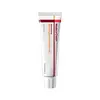
This anti-aging moisturizer is formulated around Niacinamide and Asiaticoside to soften the look of wrinkles and strengthen the skin barrier.
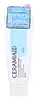
This barrier-repair moisturizer is formulated around Squalane and Ceramide NP to strengthen the skin barrier and hydrate skin.


What's inside
What's inside
 Key Ingredients
Benefits
Concerns
Ingredients Side-by-side
Water
Skin ConditioningDipropylene Glycol
HumectantHydrogenated Polydecene
EmollientCaprylic/Capric Triglyceride
Masking


Glycerin
Humectant
Pentaerythrityl Tetraethylhexanoate
Emollient
Glyceryl Stearate
Emollient

Cyclohexasiloxane
Emollient
Niacinamide
Smoothing









Cetyl Alcohol
Emollient
Polyglyceryl-6 Distearate
Emulsifying
Vinyldimethicone
Dicaprylyl Ether
Emollient
Polyglyceryl-10 Laurate
Skin Conditioning
Stearyl Alcohol
Emollient
Jojoba Esters
Emollient
Beeswax
Emulsion Stabilising


Panthenol
Skin Conditioning
1,2-Hexanediol
Skin Conditioning
Sodium Stearoyl Glutamate
CleansingMadecassic Acid
Skin Conditioning
Asiaticoside
Antioxidant
Xylitylglucoside
Humectant
Hydroxyethyl Acrylate/Sodium Acryloyldimethyl Taurate Copolymer
Emulsion StabilisingOlea Europaea Fruit Oil
Masking

Hydroxyacetophenone
Antioxidant
Anhydroxylitol
Humectant
Centella Asiatica Leaf Extract
Skin Conditioning
Asiatic Acid
Skin Conditioning
Glycoproteins
Skin Conditioning
Butylene Glycol
Humectant
Polyglyceryl-3 Beeswax
Emulsifying
Xylitol
Humectant
Centella Asiatica Oil
Antimicrobial
Methylpropanediol
SolventAllantoin
Skin Conditioning
Propanediol
Solvent
Candida Bombicola/Glucose/Methyl Rapeseedate Ferment
AntimicrobialCitrus Aurantium Dulcis Oil
Masking
Xanthan Gum
EmulsifyingHelianthus Annuus Seed Wax
Skin Conditioning
Ethylhexylglycerin
Skin ConditioningEthoxydiglycol
HumectantCitrus Nobilis Peel Oil
Masking
Glucose
Humectant
Disodium EDTA
ChelatingAdenosine
Skin Conditioning
Sorbitan Isostearate
Emulsifying
Lavandula Angustifolia Oil
Masking


Sodium Laurate
CleansingCyclodextrin
AbsorbentHydrolyzed Hyaluronic Acid
Humectant
Citrus Aurantium Bergamia Fruit Oil
Masking
Citrus Aurantium Dulcis Peel Oil
Masking
Rosmarinus Officinalis Leaf Oil
Masking
Litsea Cubeba Fruit Oil
Masking
Macadamia Ternifolia Seed Oil
Emollient
Polyglycerin-3
Humectant
Pvm/Ma Copolymer
Emulsion StabilisingLauric Acid
Cleansing
Sodium Polyacrylate
Absorbent
Octyldodecanol
Emollient
Glycine Soja Oil
Emollient
Hydrogenated Lecithin
Emulsifying
Glycolipids
Skin ConditioningCaffeine
Skin Conditioning
Madecassoside
Antioxidant
Centella Asiatica Extract
Cleansing
C12-13 Pareth-9
EmulsifyingCollagen Amino Acids
Moisturising
Ceramide NP
Skin Conditioning
Copaifera Officinalis Resin
MaskingCitrus Grandis Peel Oil
Masking
Juniperus Virginiana Oil
Masking
Cimicifuga Racemosa Root Extract
Antimicrobial
Silybum Marianum Extract
Skin Conditioning
Resveratrol
Antioxidant
Arginine
Masking
Taurine
BufferingGlycogen
HumectantHydrolyzed Elastin
EmollientEctoin
Skin Conditioning
Cedrus Atlantica Bark Oil
Masking
Retinol
Skin Conditioning
Lepidium Meyenii Root Extract
Skin ConditioningMaltodextrin
Absorbent
Ascorbic Acid
Antioxidant
Hydrolyzed Vegetable Protein
Skin ConditioningPelargonium Graveolens Flower Oil
Masking
Phytosphingosine
Skin Conditioning
Tocopherol
Antioxidant
Sucrose Distearate
Emollient
Sodium Hyaluronate
Humectant
Sodium DNA
Skin Conditioning
Jasminum Officinale Oil
Masking
Potassium Sorbate
Preservative
Phenoxyethanol
Preservative
Artemisia Absinthium Extract
Skin ConditioningMyrtus Communis Oil
Masking
Rose Flower Oil
Masking
Vanilla Planifolia Fruit Extract
Skin Conditioning
Cyanocobalamin
Skin ConditioningAspartic Acid
Masking
Ferula Galbaniflua Resin Oil
Antimicrobial
Glycine
Buffering
Glutamic Acid
Humectant
Limonene
Perfuming
Linalool
Perfuming
Citral
Perfuming
Camphor
Masking
Beta-Caryophyllene
Masking
Citrus Aurantium Peel Oil
Citrus Aurantium Bergamia Peel Oil
Perfuming
Lavandula Oil/Extract
Linalyl Acetate
Masking
Pinene
Masking
Water, Dipropylene Glycol, Hydrogenated Polydecene, Caprylic/Capric Triglyceride, Glycerin, Pentaerythrityl Tetraethylhexanoate, Glyceryl Stearate, Cyclohexasiloxane, Niacinamide, Cetyl Alcohol, Polyglyceryl-6 Distearate, Vinyldimethicone, Dicaprylyl Ether, Polyglyceryl-10 Laurate, Stearyl Alcohol, Jojoba Esters, Beeswax, Panthenol, 1,2-Hexanediol, Sodium Stearoyl Glutamate, Madecassic Acid, Asiaticoside, Xylitylglucoside, Hydroxyethyl Acrylate/Sodium Acryloyldimethyl Taurate Copolymer, Olea Europaea Fruit Oil, Hydroxyacetophenone, Anhydroxylitol, Centella Asiatica Leaf Extract, Asiatic Acid, Glycoproteins, Butylene Glycol, Polyglyceryl-3 Beeswax, Xylitol, Centella Asiatica Oil, Methylpropanediol, Allantoin, Propanediol, Candida Bombicola/Glucose/Methyl Rapeseedate Ferment, Citrus Aurantium Dulcis Oil, Xanthan Gum, Helianthus Annuus Seed Wax, Ethylhexylglycerin, Ethoxydiglycol, Citrus Nobilis Peel Oil, Glucose, Disodium EDTA, Adenosine, Sorbitan Isostearate, Lavandula Angustifolia Oil, Sodium Laurate, Cyclodextrin, Hydrolyzed Hyaluronic Acid, Citrus Aurantium Bergamia Fruit Oil, Citrus Aurantium Dulcis Peel Oil, Rosmarinus Officinalis Leaf Oil, Litsea Cubeba Fruit Oil, Macadamia Ternifolia Seed Oil, Polyglycerin-3, Pvm/Ma Copolymer, Lauric Acid, Sodium Polyacrylate, Octyldodecanol, Glycine Soja Oil, Hydrogenated Lecithin, Glycolipids, Caffeine, Madecassoside, Centella Asiatica Extract, C12-13 Pareth-9, Collagen Amino Acids, Ceramide NP, Copaifera Officinalis Resin, Citrus Grandis Peel Oil, Juniperus Virginiana Oil, Cimicifuga Racemosa Root Extract, Silybum Marianum Extract, Resveratrol, Arginine, Taurine, Glycogen, Hydrolyzed Elastin, Ectoin, Cedrus Atlantica Bark Oil, Retinol, Lepidium Meyenii Root Extract, Maltodextrin, Ascorbic Acid, Hydrolyzed Vegetable Protein, Pelargonium Graveolens Flower Oil, Phytosphingosine, Tocopherol, Sucrose Distearate, Sodium Hyaluronate, Sodium DNA, Jasminum Officinale Oil, Potassium Sorbate, Phenoxyethanol, Artemisia Absinthium Extract, Myrtus Communis Oil, Rose Flower Oil, Vanilla Planifolia Fruit Extract, Cyanocobalamin, Aspartic Acid, Ferula Galbaniflua Resin Oil, Glycine, Glutamic Acid, Limonene, Linalool, Citral, Camphor, Beta-Caryophyllene, Citrus Aurantium Peel Oil, Citrus Aurantium Bergamia Peel Oil, Lavandula Oil/Extract, Linalyl Acetate, Pinene
Stearyl Glycyrrhetinate
Skin ConditioningWater
Skin ConditioningParaffinum Liquidum
Emollient
Petrolatum
Emollient
Dipropylene Glycol
HumectantButylene Glycol
Humectant
Squalane
Emollient
Glycerin
Humectant
Glyceryl Stearate Se
Emulsifying
Cetearyl Alcohol
Emollient
Behenyl Alcohol
Emollient
Glycol Stearate
Emollient
Serine
Masking
Ceramide NP
Skin Conditioning
Tocopherol
Antioxidant
Ubiquinone
Antioxidant
Cetyl Ethylhexanoate
EmollientAcrylic Acid
Acrylates/C10-30 Alkyl Acrylate Crosspolymer
Emulsion StabilisingIsostearic Acid
Cleansing
Disodium EDTA
ChelatingHydroxyethylcellulose
Emulsion StabilisingMethicone
Emollient
Sodium Hydroxide
BufferingPhenoxyethanol
Preservative
Stearyl Glycyrrhetinate, Water, Paraffinum Liquidum, Petrolatum, Dipropylene Glycol, Butylene Glycol, Squalane, Glycerin, Glyceryl Stearate Se, Cetearyl Alcohol, Behenyl Alcohol, Glycol Stearate, Serine, Ceramide NP, Tocopherol, Ubiquinone, Cetyl Ethylhexanoate, Acrylic Acid, Acrylates/C10-30 Alkyl Acrylate Crosspolymer, Isostearic Acid, Disodium EDTA, Hydroxyethylcellulose, Methicone, Sodium Hydroxide, Phenoxyethanol
Reviews
Ingredients Explained
These ingredients are found in both products.
Ingredients higher up in an ingredient list are typically present in a larger amount.
Butylene Glycol (or BG) is used within cosmetic products for a few different reasons:
Overall, Butylene Glycol is a safe and well-rounded ingredient that works well with other ingredients.
Though this ingredient works well with most skin types, some people with sensitive skin may experience a reaction such as allergic rashes, closed comedones, or itchiness.
Learn more about Butylene GlycolCeramide NP (formerly known as Ceramide 3) is one of the skin's naturally occurring lipids.
Since ceramides are the major lipid components of the skin, they are crucial for maintaining skin barrier and hydration. Ceramide NP most closely mirrors the dominant kind in human skin amongst ceramide subtypes.
This ceramide works by slotting into gaps within the stratum corneum's lipid matrix to limit trans-epidermal water loss (TEWL) and shield the skin against external irritants.
A study with 312 patients found that using a ceramide-containing routine for 4 weeks reduced the severity of atopic dermatitis by over 61%.
Another clinical study in subjects aged 60 and older found that a ceramide body wash and moisturizer improved skin dryness and itchy skin in 15 days.
Overall, ceramides are considered non-irritating and safety tests have found little to no observable adverse effects from using this ingredient.
Ceramide NP is usually sourced from plants (like soybean or rice bran), or produced synthetically.
Learn more about Ceramide NPDipropylene Glycol is a synthetically created humectant, stabilizer, and solvent.
This ingredient helps:
Dipropylene glycol is technically an alcohol, but it belongs to the glycol family (often considered part of the ‘good’ alcohols). This means it is hydrating and gentle on skin unlike drying solvent alcohols like denatured alcohol.
As a masking agent, Dipropylene Glycol can be used to cover the smell of other ingredients. However, it does not have a scent.
Studies show Dipropylene Glycol is considered safe to use in skincare.
Learn more about Dipropylene GlycolDisodium EDTA is a chelating agent. It grabs onto and deactivates metal ions that sneak into your products from water, packaging, or air.
This ingredient mainly works behind the scenes and helps with:
On top of that, this ingredient can counteract the effects of hard water by binding to the minerals in it.
One thing worth knowing is that Disodium EDTA has been shown to be a mild penetration enhancer. It can help other ingredients absorb into skin more effectively which can be a double-edged sword (great for actives, but can also make the active too strong if you have sensitive skin).
Clinical patch testing showed no significant skin irritation at typical use concentrations and minimal dermal absorption.
You'll most likely see this ingredient near the end of an ingredient list. It's typically found in concentrations less than 1%.
Learn more about Disodium EDTAGlycerin (or glycerol) is a compound naturally found in your skin. It's a powerhouse humectant that pulls water into the stratum corneum.
Topically, glycerin does several things at once:
Your skin makes glycerin on its own (mostly from sebaceous oil breakdown) and shuttles it to your outermost layer of skin, or your epidermis, via aquaporin-3.
Aquaporin-3 is a transporter that is essential for normal skin hydration, elasticity, and repair. Interestingly, mice lacking in AQP3 have dry and less elastic skin that can be fully corrected with glycerin.
This ingredient is non-irritating, plays well with almost every ingredient, and works across all skin types. Typical use is anywhere between 3-10% but can go up to 79% in some leave-on products.
Just know very high concentrations (>40%) can feel tacky in low humidity.
Glycerin is the name for this ingredient in American English. British English uses Glycerol/Glycerine.
Learn more about GlycerinPhenoxyethanol is one of the most widely used preservatives in skincare (and for good reason!).
It has a large spectrum of antimicrobial activity and especially effective bacteria, yeast, and mold while only having a weak effect on your skin's natural microbiome.
On a cellular level, it disrupts the cell membranes of microbes by poking holes that make the cell leak. This shuts down the chemical reactions the microbe needs to make energy so it can no longer survive.
Another perk of this ingredient is that it stays functional across a wide pH range (3-10).
You'll often see it paired with boosters like Ethylhexylglycerin; one study showed that a 1:9 ratio of Ethylhexylglycerin to Phenoxyethanol damages bacterial membranes as effectively as doubling the Phenoxyethanol concentration on its own.
Typical use concentrations range from 0.3-1% depending on the formula, and this ingredient is capped at 1% int the EU.
Safety-wise, the fear mongering does not hold up to the evidence. The EU's Scientific Committee on Consumer Safety and FDA consider it safe as a preservative at up to 1%, including for children of all ages.
Adverse systemic effects only showed up in animal studies at exposures roughly 200x higher than what people get from cosmetics. And despite its very widespread use, this ingredient is a rare sensitizer and allergic reactions are uncommon.
Learn more about PhenoxyethanolTocopherol is a fat-soluble antioxidant known as Vitamin E.
You'll find this ingredient in the vast majority of skincare (for good reason). It works to neutralize free radicals, or unstable molecules generated by UV exposure, pollution, and other environmental stressors, before they can cause oxidative damage to your skin cells.
Topically applied tocopherol has been shown to protect against UV damage by ramping up the skin's own natural defense enzymes.
It also acts as a skin conditioning agent; some studies show that regular topical use can improve the skin's water-binding capacity over 2-4 weeks.
This ingredient is especially loved for being a team player. When combined with Vitamin C, the photoprotective effect of both ingredients roughly doubles and the combo also helps reduce UV-induced DNA damage.
This ingredient has some brightening potential but it's more of a prevention ingredient than spot-fader. Cell studies show it can slow down melanin production but it's worth noting that it's not the most powerful brightener out there.
In formulations, it also serves as a stabilizer that helps protect other oxidation-prone ingredients from degrading.
Concentrations usually range from 0.1-1% in most leave-on products.
Learn more about TocopherolWater. It's the most common cosmetic ingredient of all. You'll usually see it at the top of ingredient lists, meaning that it makes up the largest part of the product.
So why is it so popular? Water most often acts as a solvent - this means that it helps dissolve other ingredients into the formulation.
You'll also recognize water as that liquid we all need to stay alive. If you see this, drink a glass of water. Remember to stay hydrated!
Learn more about Water

