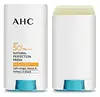
This chemical sunscreen covers the full UV range and blocks ~98% of UVB at SPF 50.
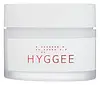
This barrier-repair moisturizer is formulated around Betula Platyphylla Japonica Juice and Niacinamide to strengthen the skin barrier and hydrate skin.

What's inside
What's inside
 Key Ingredients
Benefits
Concerns
Ingredients Side-by-side
Dimethicone
Emollient

Vinyl Dimethicone/Methicone Silsesquioxane Crosspolymer

Polyethylene
Abrasive

Cetyl Ethylhexanoate
EmollientHomosalate
Skin Conditioning

Ethylhexyl Methoxycinnamate
UV Absorber
Dicaprylyl Carbonate
EmollientHydrogenated Poly(C6-14 Olefin)
EmollientEthylhexyl Salicylate
UV Absorber
Tocopheryl Acetate
Antioxidant


Diethylamino Hydroxybenzoyl Hexyl Benzoate
UV Filter
Bis-Ethylhexyloxyphenol Methoxyphenyl Triazine
UV Absorber
Ozokerite
Emulsion StabilisingCitrus Aurantium Dulcis Peel Oil
Masking

Passiflora Edulis Seed Oil
Emollient

Camellia Sinensis Leaf Extract
Antimicrobial




Camellia Sinensis Flower Extract
Perfuming
Lavandula Angustifolia Flower Water
Skin Conditioning
Centella Asiatica Extract
Cleansing

Water
Skin ConditioningOpuntia Ficus-Indica Stem Extract
Skin Conditioning
Oryza Sativa Bran Extract
Skin Conditioning
Argania Spinosa Kernel Oil
Emollient
Aloe Barbadensis Leaf Extract
Emollient
Citrus Aurantium Dulcis Fruit Extract
MaskingCalendula Officinalis Flower Extract
Masking
Cocos Nucifera Oil
Masking


Vanilla Tahitensis Fruit Extract
Skin ConditioningHelianthus Annuus Seed Oil
Emollient
Sea Water
HumectantLactobacillus/Soybean Ferment Extract
Skin ConditioningDioscorea Villosa Root Extract
Skin Conditioning
Pseudoalteromonas Ferment Extract
Humectant
Origanum Vulgare Leaf Extract
Skin ConditioningCupressus Sempervirens Leaf Extract
Perfuming
Salix Alba Bark Extract
Astringent
Tremella Fuciformis Extract
Humectant
Portulaca Oleracea Extract
Skin Conditioning
Ficus Carica Bark Extract
Skin ConditioningGolden Extract
Nymphaea Alba Flower Extract
Skin ConditioningEpilobium Fleischeri Extract
Skin ConditioningCinnamomum Zeylanicum Bark Extract
Antimicrobial
Nephelium Lappaceum Branch/Fruit/Leaf Extract
Skin ConditioningOryza Sativa Extract
Absorbent
Garcinia Mangostana Peel Extract
Skin ConditioningGardenia Taitensis Flower Extract
Skin ConditioningBisabolol
Antioxidant
Lauryl PEG-9 Polydimethylsiloxyethyl Dimethicone
Skin Conditioning
Dehydroacetic Acid
Preservative
Hydrolyzed Hyaluronic Acid
Humectant
Dipropylene Glycol
HumectantButylene Glycol
Humectant
Glycerin
Humectant
Xylitylglucoside
Humectant
Anhydroxylitol
Humectant
Capryloyl Glycine
CleansingSodium Palmitoyl Proline
Skin ConditioningHexylene Glycol
EmulsifyingXylitol
Humectant
1,2-Hexanediol
Skin Conditioning
Citric Acid
Buffering
Caprylyl Glycol
Emollient
Potassium Sulfate
Oxygen
Skin ConditioningEthylhexylglycerin
Skin ConditioningTocopherol
Antioxidant
Limonene
Perfuming
Citral
Perfuming
Linalool
Perfuming
Dimethicone, Vinyl Dimethicone/Methicone Silsesquioxane Crosspolymer, Polyethylene, Cetyl Ethylhexanoate, Homosalate, Ethylhexyl Methoxycinnamate, Dicaprylyl Carbonate, Hydrogenated Poly(C6-14 Olefin), Ethylhexyl Salicylate, Tocopheryl Acetate, Diethylamino Hydroxybenzoyl Hexyl Benzoate, Bis-Ethylhexyloxyphenol Methoxyphenyl Triazine, Ozokerite, Citrus Aurantium Dulcis Peel Oil, Passiflora Edulis Seed Oil, Camellia Sinensis Leaf Extract, Camellia Sinensis Flower Extract, Lavandula Angustifolia Flower Water, Centella Asiatica Extract, Water, Opuntia Ficus-Indica Stem Extract, Oryza Sativa Bran Extract, Argania Spinosa Kernel Oil, Aloe Barbadensis Leaf Extract, Citrus Aurantium Dulcis Fruit Extract, Calendula Officinalis Flower Extract, Cocos Nucifera Oil, Vanilla Tahitensis Fruit Extract, Helianthus Annuus Seed Oil, Sea Water, Lactobacillus/Soybean Ferment Extract, Dioscorea Villosa Root Extract, Pseudoalteromonas Ferment Extract, Origanum Vulgare Leaf Extract, Cupressus Sempervirens Leaf Extract, Salix Alba Bark Extract, Tremella Fuciformis Extract, Portulaca Oleracea Extract, Ficus Carica Bark Extract, Golden Extract, Nymphaea Alba Flower Extract, Epilobium Fleischeri Extract, Cinnamomum Zeylanicum Bark Extract, Nephelium Lappaceum Branch/Fruit/Leaf Extract, Oryza Sativa Extract, Garcinia Mangostana Peel Extract, Gardenia Taitensis Flower Extract, Bisabolol, Lauryl PEG-9 Polydimethylsiloxyethyl Dimethicone, Dehydroacetic Acid, Hydrolyzed Hyaluronic Acid, Dipropylene Glycol, Butylene Glycol, Glycerin, Xylitylglucoside, Anhydroxylitol, Capryloyl Glycine, Sodium Palmitoyl Proline, Hexylene Glycol, Xylitol, 1,2-Hexanediol, Citric Acid, Caprylyl Glycol, Potassium Sulfate, Oxygen, Ethylhexylglycerin, Tocopherol, Limonene, Citral, Linalool
Betula Platyphylla Japonica Juice
Skin Conditioning
Water
Skin ConditioningGlycerin
Humectant
Dipropylene Glycol
HumectantEthylhexyl Palmitate
Emollient
Cetyl Ethylhexanoate
EmollientCetearyl Alcohol
Emollient
Niacinamide
Smoothing

Macadamia Integrifolia Seed Oil
Skin Conditioning
Cyclopentasiloxane
Emollient
Hydrogenated Vegetable Oil
Emollient
1,2-Hexanediol
Skin Conditioning
Theobroma Cacao Seed Butter
Emollient
Citrus Aurantium Bergamia Fruit Oil
Masking
Xylitol
Humectant
Lactobacillus Ferment
Skin Conditioning
Lactococcus Ferment Lysate
Skin Conditioning
Bifida Ferment Lysate
Skin Conditioning
Macadamia Ternifolia Seed Oil
Emollient
Olea Europaea Fruit Oil
Masking
Simmondsia Chinensis Seed Oil
Emollient
Streptococcus Thermophilus Ferment
Humectant
Vitis Vinifera Seed Oil
Emollient
Cetearyl Glucoside
Emulsifying
Dimethicone
Emollient
Glyceryl Stearate
Emollient
Pentylene Glycol
Skin Conditioning
Polyglyceryl-3 Methylglucose Distearate
Emulsifying
Hydroxyethyl Acrylate/Sodium Acryloyldimethyl Taurate Copolymer
Emulsion StabilisingCetearyl Olivate
Sorbitan Olivate
Emulsifying
Caprylyl Glycol
Emollient
Dimethiconol
Emollient
Glyceryl Caprylate
EmollientLecithin
Emollient
Ethylhexylglycerin
Skin ConditioningAdenosine
Skin Conditioning
Bisabolol
Antioxidant
Xylitylglucoside
Humectant
Anhydroxylitol
Humectant
Hydrolyzed Hyaluronic Acid
Humectant
Tocopherol
Antioxidant
Caprylic/Capric Triglyceride
Masking
Butylene Glycol
Humectant
Hydrogenated Lecithin
Emulsifying
Sucrose Palmitate
EmollientCeramide NP
Skin Conditioning
Phospholipids
Skin Conditioning
Silica Dimethyl Silylate
EmollientCholesterol
Emollient
Sodium Hyaluronate
Humectant
Hexylene Glycol
EmulsifyingArginine
Masking
Phytosterols
Skin Conditioning
Behenyl Alcohol
Emollient
Xanthan Gum
EmulsifyingDisodium EDTA
Phenoxyethanol
Preservative
Betula Platyphylla Japonica Juice, Water, Glycerin, Dipropylene Glycol, Ethylhexyl Palmitate, Cetyl Ethylhexanoate, Cetearyl Alcohol, Niacinamide, Macadamia Integrifolia Seed Oil, Cyclopentasiloxane, Hydrogenated Vegetable Oil, 1,2-Hexanediol, Theobroma Cacao Seed Butter, Citrus Aurantium Bergamia Fruit Oil, Xylitol, Lactobacillus Ferment, Lactococcus Ferment Lysate, Bifida Ferment Lysate, Macadamia Ternifolia Seed Oil, Olea Europaea Fruit Oil, Simmondsia Chinensis Seed Oil, Streptococcus Thermophilus Ferment, Vitis Vinifera Seed Oil, Cetearyl Glucoside, Dimethicone, Glyceryl Stearate, Pentylene Glycol, Polyglyceryl-3 Methylglucose Distearate, Hydroxyethyl Acrylate/Sodium Acryloyldimethyl Taurate Copolymer, Cetearyl Olivate, Sorbitan Olivate, Caprylyl Glycol, Dimethiconol, Glyceryl Caprylate, Lecithin, Ethylhexylglycerin, Adenosine, Bisabolol, Xylitylglucoside, Anhydroxylitol, Hydrolyzed Hyaluronic Acid, Tocopherol, Caprylic/Capric Triglyceride, Butylene Glycol, Hydrogenated Lecithin, Sucrose Palmitate, Ceramide NP, Phospholipids, Silica Dimethyl Silylate, Cholesterol, Sodium Hyaluronate, Hexylene Glycol, Arginine, Phytosterols, Behenyl Alcohol, Xanthan Gum, Disodium EDTA, Phenoxyethanol
Reviews
Ingredients Explained
These ingredients are found in both products.
Ingredients higher up in an ingredient list are typically present in a larger amount.
1,2-Hexanediol is a synthetic liquid and another multi-functional powerhouse.
It is a:
- Humectant, drawing moisture into the skin
- Emollient, helping to soften skin
- Solvent, dispersing and stabilizing formulas
- Preservative booster, enhancing the antimicrobial activity of other preservatives
This ingredient is created from dehydrating xylitol in acidic conditions. Xylitol is a famous sugar and humectant.
Much like its predecessor, anhydroxylitol is a humectant. Humectants attract and hold water to moisturize the skin.
This ingredient is most commonly found in a popular trio called Aquaxyl. Aquaxyl is made up of anhydroxylitol (24 - 34%), xylitylglucoside (35 - 50%), and xylitol (5 - 15%).
According to a manufacturer, Aquaxyl is known for a 3-D hydration concept and an anti-dehydration shield to reinforce the outer layer of skin.
This ingredient is often derived from plants such as wood and sugarcane.
Learn more about AnhydroxylitolBisabolol is a gentle skin conditioner, antioxidant, and soothing ingredient.
It's primary claim to fame is soothing and research shows topically applied bisabolol can quiet the chemical messengers that cause your skin to become inflamed, helping to sooth any irritation.
A clinical study found that applying 0.5% bisabolol daily for 8 weeks produced an average 9% decrease in skin pigmentation. Researchers found it can also suppress the process that leads to excess melanin production in skin.
In vitro studies found that bisabolol combined with propylene glycol significantly increased skin permeability by increasing lipid fluidity in the stratum corneum.
You'll likely see use concentrations quite low, usually 0.1-0.2%.
Overall, this is a well-tolerated ingredient that works well in formulas designed for sensitive, reactive, or post-procedure skin.
Learn more about BisabololButylene Glycol (or BG) is used within cosmetic products for a few different reasons:
Overall, Butylene Glycol is a safe and well-rounded ingredient that works well with other ingredients.
Though this ingredient works well with most skin types, some people with sensitive skin may experience a reaction such as allergic rashes, closed comedones, or itchiness.
Learn more about Butylene GlycolCaprylyl Glycol is a humectant, skin conditioner, emollient, and preservative booster derived from either caprylic acid or synthetically created.
Typical use levels vary from 0.3-1% as a preservative booster and go up to 2% to condition skin.
Because it is not a free-fatty acid, this ingredient is fungal acne safe (there's nothing for Malassezia to feed on).
Learn more about Caprylyl GlycolCetyl Ethylhexanoate is an emollient ester. It comes from cetearyl alcohol and 2-ethylhexanoic acid.
Cetyl Ethylhexanoate is an emollient that adds a velvety feel to skin without being greasy or oily. Emollients help trap moisture into your skin, keeping your skin soft and hydrated.
Dimethicone is a type of synthetic silicone created from natural materials such as quartz. It is also known as polydimethylsiloxane.
What it does:
Dimethicone comes in different viscosities:
Depending on the viscosity, dimethicone has different properties.
Ingredients lists don't always show which type is used, so we recommend reaching out to the brand if you have questions about the viscosity.
This ingredient is unlikely to cause irritation because it does not get absorbed into skin. However, people with silicone allergies should be careful about using this ingredient.
Note: Dimethicone may contribute to pilling. This is because it is not oil or water soluble, so pilling may occur when layered with products. When mixed with heavy oils in a formula, the outcome is also quite greasy.
Learn more about DimethiconeDipropylene Glycol is a synthetically created humectant, stabilizer, and solvent.
This ingredient helps:
Dipropylene glycol is technically an alcohol, but it belongs to the glycol family (often considered part of the ‘good’ alcohols). This means it is hydrating and gentle on skin unlike drying solvent alcohols like denatured alcohol.
As a masking agent, Dipropylene Glycol can be used to cover the smell of other ingredients. However, it does not have a scent.
Studies show Dipropylene Glycol is considered safe to use in skincare.
Learn more about Dipropylene GlycolEthylhexylglycerin is created from glycerin. It is a multitasker ingredient that:
The CIR Expert Panel found minimal skin absorption or sensitization of any kind in a safety assessment. Though this ingredient is considered well-tolerated, a small number of cases of allergic dermatitis have been published since 2002. Just be sure to patch test if you are unsure.
Industry-reported use ranges from 8% in rinse-off products and 2% in leave-on formulations.
Learn more about EthylhexylglycerinGlycerin (or glycerol) is a compound naturally found in your skin. It's a powerhouse humectant that pulls water into the stratum corneum.
Topically, glycerin does several things at once:
Your skin makes glycerin on its own (mostly from sebaceous oil breakdown) and shuttles it to your outermost layer of skin, or your epidermis, via aquaporin-3.
Aquaporin-3 is a transporter that is essential for normal skin hydration, elasticity, and repair. Interestingly, mice lacking in AQP3 have dry and less elastic skin that can be fully corrected with glycerin.
This ingredient is non-irritating, plays well with almost every ingredient, and works across all skin types. Typical use is anywhere between 3-10% but can go up to 79% in some leave-on products.
Just know very high concentrations (>40%) can feel tacky in low humidity.
Glycerin is the name for this ingredient in American English. British English uses Glycerol/Glycerine.
Learn more about GlycerinHexylene Glycol is a multitasker ingredient that works as a solvent, humectant, emulsifier, viscosity reducer, and preservative booster.
It is able to dissolve both water and oil-soluble ingredients to stabilize tricky actives and make products spread more easily.
As a humectant, it pulls water into the skin. But it's a pretty minor moisturizing ingredient compared to other humectants, like glycerin.
Interestingly, it can act as a mild penetration enhancer. One in vitro study on human skin found a 12% concentration upped the absorption of mometasone furoate (a medicinal ingredient used to treat inflammatory skin conditions) up to 7%.
This ingredient is typically used at levels of 0.1-10% depending on the role it's playing.
A patch test study on eczema patients didn't find a significant increase in irritation versus the control group, but the potential for irritation rises at higher concentrations.
Learn more about Hexylene GlycolHydrolyzed Hyaluronic Acid is hyaluronic acid (HA) that is broken down into lower molecular weight fragments.
It's a humectant that pulls and holds water in the skin to help with hydration, plumpness, and reduce transepidermal water loss.
Because hydrolyzed hyaluronic acid is smaller in size, it can slip past your outermost layer of skin more easily than full-sized HA.
Most formulations will combine all sizes to get the best of both worlds.
Typical usage levels range from 0.01-1%. Any percentage higher than 2% might become goopy and tacky.
Learn more about Hydrolyzed Hyaluronic AcidTocopherol is a fat-soluble antioxidant known as Vitamin E.
You'll find this ingredient in the vast majority of skincare (for good reason). It works to neutralize free radicals, or unstable molecules generated by UV exposure, pollution, and other environmental stressors, before they can cause oxidative damage to your skin cells.
Topically applied tocopherol has been shown to protect against UV damage by ramping up the skin's own natural defense enzymes.
It also acts as a skin conditioning agent; some studies show that regular topical use can improve the skin's water-binding capacity over 2-4 weeks.
This ingredient is especially loved for being a team player. When combined with Vitamin C, the photoprotective effect of both ingredients roughly doubles and the combo also helps reduce UV-induced DNA damage.
This ingredient has some brightening potential but it's more of a prevention ingredient than spot-fader. Cell studies show it can slow down melanin production but it's worth noting that it's not the most powerful brightener out there.
In formulations, it also serves as a stabilizer that helps protect other oxidation-prone ingredients from degrading.
Concentrations usually range from 0.1-1% in most leave-on products.
Learn more about TocopherolWater. It's the most common cosmetic ingredient of all. You'll usually see it at the top of ingredient lists, meaning that it makes up the largest part of the product.
So why is it so popular? Water most often acts as a solvent - this means that it helps dissolve other ingredients into the formulation.
You'll also recognize water as that liquid we all need to stay alive. If you see this, drink a glass of water. Remember to stay hydrated!
Learn more about WaterXylitol is a humectant and prebiotic. It can help with dry skin.
In studies, xylitol has been shown to improve dry skin. It decreased transepidermal water loss, or when water passes through the skin and evaporates. Xylitol also showed to help improve the biomechanical properties of the skin barrier.
The prebiotic property of xylitol may also help reinforce our skin's natural microbiome. Having a healthy microbiome prevents infection by bad bacteria and helps with hydration.
As a humectant, Xylitol helps draw moisture from both the air and from deeper skin layers. This helps keep skin hydrated.
Xylitol is a sugar alcohol and commonly used as a sugar substitute. It is naturally occurring in plants such as strawberries and pumpkin.
Learn more about XylitolXylitylglucoside is created from xylitol and glucose, two humectants.
Not surprisingly, this ingredient is also a humectant. It attracts and holds water in your skin, helping to maintain hydration.
This ingredient is most commonly found in a popular trio called Aquaxyl. Aquaxyl is made up of anhydroxylitol(24 - 34%), xylitylglucoside (35 - 50%), and xylitol (5 - 15%).
According to a manufacturer, Aquaxyl is known for a 3-D hydration concept and an anti-dehydration shield to reinforce the outer layer of skin.
Learn more about Xylitylglucoside

