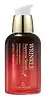
This anti-aging serum is formulated around Sodium Hyaluronate and Panax Ginseng Root Extract to soften the look of wrinkles and hydrate skin.
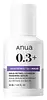
This anti-aging serum is formulated around Niacinamide and Retinol to soften the look of wrinkles and refine skin texture.

What's inside
What's inside
 Key Ingredients
Benefits
Concerns
Ingredients Side-by-side
Water
Skin ConditioningGlycerin
Humectant


Glyceryl Polyacrylate
Dimethicone
Emollient
Cyclomethicone
Emollient
PEG/PPG-18/4 Copolymer
SolventSodium Hyaluronate
Humectant


Glyceryl Acrylate/Acrylic Acid Copolymer
HumectantPropylene Glycol
Humectant

Dipropylene Glycol
HumectantC14-22 Alcohols
Emulsion Stabilising
Squalane
Emollient
Macadamia Integrifolia Seed Oil
Skin Conditioning

Triethylhexanoin
MaskingHydrogenated Lecithin
Emulsifying
Arachidyl Glucoside
EmulsifyingButyrospermum Parkii Butter
Skin Conditioning

1,2-Hexanediol
Skin Conditioning
Glyceryl Stearate
Emollient
Stearic Acid
Cleansing
Ceramide NP
Skin Conditioning

Cholesterol
Emollient
PEG-100 Stearate
Surfactant
Carbomer
Emulsion StabilisingTromethamine
BufferingButylene Glycol
Humectant
Betaine
Humectant
Raffinose
Skin ConditioningInositol
Humectant
Hyaluronic Acid
Humectant
Histidine
Humectant
Glutamine
Skin ConditioningLysine
Skin ConditioningArginine
Masking
Cysteine
Antioxidant
Caprylyl Glycol
Emollient
Cetyl Dimethicone
Emollient
Alcohol
Antimicrobial


Acanthopanax Senticosus Root Extract
Skin ConditioningPunica Granatum Fruit Extract
Antioxidant
Panax Ginseng Root Extract
Emollient
Carthamus Tinctorius Flower Extract
Skin ConditioningAcrylates/C10-30 Alkyl Acrylate Crosspolymer
Emulsion StabilisingGanoderma Lucidum Extract
Skin Protecting
Grifola Frondosa Extract
Skin ConditioningPhellinus Linteus Extract
Skin ConditioningFomes Officinalis Extract
Skin ProtectingSarcodon Aspratus Extract
Antioxidant
Trametes Versicolor Extract
Inonotus Obliquus Extract
Skin ConditioningAgaricus Blazei Extract
Skin ConditioningTricholoma Matsutake Extract
Skin ConditioningPropolis Extract
Skin Conditioning

Disodium EDTA
ChelatingAdenosine
Skin Conditioning
Ethylhexylglycerin
Skin ConditioningParfum
Masking

Benzyl Benzoate
Antimicrobial
Citral
Perfuming
Limonene
Perfuming
Geraniol
Perfuming
Hexyl Cinnamal
Perfuming
Linalool
Perfuming
Water, Glycerin, Glyceryl Polyacrylate, Dimethicone, Cyclomethicone, PEG/PPG-18/4 Copolymer, Sodium Hyaluronate, Glyceryl Acrylate/Acrylic Acid Copolymer, Propylene Glycol, Dipropylene Glycol, C14-22 Alcohols, Squalane, Macadamia Integrifolia Seed Oil, Triethylhexanoin, Hydrogenated Lecithin, Arachidyl Glucoside, Butyrospermum Parkii Butter, 1,2-Hexanediol, Glyceryl Stearate, Stearic Acid, Ceramide NP, Cholesterol, PEG-100 Stearate, Carbomer, Tromethamine, Butylene Glycol, Betaine, Raffinose, Inositol, Hyaluronic Acid, Histidine, Glutamine, Lysine, Arginine, Cysteine, Caprylyl Glycol, Cetyl Dimethicone, Alcohol, Acanthopanax Senticosus Root Extract, Punica Granatum Fruit Extract, Panax Ginseng Root Extract, Carthamus Tinctorius Flower Extract, Acrylates/C10-30 Alkyl Acrylate Crosspolymer, Ganoderma Lucidum Extract, Grifola Frondosa Extract, Phellinus Linteus Extract, Fomes Officinalis Extract, Sarcodon Aspratus Extract, Trametes Versicolor Extract, Inonotus Obliquus Extract, Agaricus Blazei Extract, Tricholoma Matsutake Extract, Propolis Extract, Disodium EDTA, Adenosine, Ethylhexylglycerin, Parfum, Benzyl Benzoate, Citral, Limonene, Geraniol, Hexyl Cinnamal, Linalool
Water
Skin ConditioningGlycereth-26
Humectant
Niacinamide 5%
Smoothing




Pyrus Malus Fruit Extract
Skin Conditioning
Glycerin
Humectant
1,2-Hexanediol
Skin Conditioning
Caprylic/Capric Triglyceride
Masking
Castanea Crenata Shell Extract
Skin ConditioningGlyceryl Citrate/Lactate/Linoleate/Oleate
Emulsifying
Diospyros Kaki Leaf Extract
Skin Protecting
Coptis Japonica Root Extract
Skin ConditioningPotentilla Anserina Extract
Skin ConditioningAvena Sativa Kernel Extract
Abrasive
Cynara Scolymus Leaf Extract
Skin ConditioningPortulaca Oleracea Extract
Skin Conditioning
Melaleuca Alternifolia Leaf Extract
Perfuming
Ficus Carica Fruit Extract
Humectant
Centella Asiatica Extract
Cleansing
Camellia Sinensis Leaf Extract
Antimicrobial
Artemisia Capillaris Flower Extract
Skin ConditioningArnica Montana Flower Extract
Masking
Houttuynia Cordata Extract
Skin Conditioning
Melia Azadirachta Leaf Extract
Skin ConditioningLavandula Angustifolia Flower Extract
Cleansing
Chamomilla Recutita Flower/Leaf Extract
AntimicrobialBorago Officinalis Extract
Emollient
Centaurea Cyanus Flower Extract
Astringent
Hydrogenated Lecithin
Emulsifying
Camellia Sinensis Leaf Water
Masking
Centaurea Cyanus Flower Water
Skin Conditioning
Sodium Hyaluronate
Humectant
Melaleuca Alternifolia Leaf Oil
Antioxidant
Carapa Guaianensis Seed Oil
Skin Conditioning
Hippophae Rhamnoides Acid
EmollientTocopherol
Antioxidant
Cetyl Ethylhexanoate
EmollientAmmonium Acryloyldimethyltaurate/Vp Copolymer
Pentaerythrityl Tetra-Di-T-Butyl Hydroxyhydrocinnamate
Antioxidant
Polyacrylate Crosspolymer-6
Emulsion StabilisingMethylpropanediol
SolventButylene Glycol
Humectant
Polysorbate 20
Emulsifying
Retinol 0.1%
Skin Conditioning
Ceramide NP
Skin Conditioning
Pentylene Glycol
Skin Conditioning
Carbomer
Emulsion StabilisingTromethamine
BufferingDipotassium Glycyrrhizate
Humectant
Ethylhexylglycerin
Skin ConditioningAdenosine
Skin Conditioning
Disodium EDTA
ChelatingPolyquaternium-51
Skin Conditioning
Squalane
Emollient
Panthenol
Skin Conditioning
Hydrolyzed Sodium Hyaluronate
Skin Conditioning
BHT
Antioxidant
Oleic Acid
Emollient
Dipropylene Glycol
HumectantBHA
Antioxidant
Allantoin
Skin Conditioning
Maltodextrin
Absorbent
Saccharide Hydrolysate
HumectantSorbitan Laurate
Emulsifying
Glyceryl Stearate
Emollient
Butyrospermum Parkii Butter
Skin Conditioning
Octyldodecanol
Emollient
Phytosterols
Skin Conditioning
Madecassoside
Antioxidant
Ceramide As
Skin Conditioning
Ceramide AP
Skin Conditioning
Capryloyl Salicylic Acid
Exfoliating
Cholesterol
Emollient
Hydroxyethylcellulose
Emulsion StabilisingAcetyl Dipeptide-1 Cetyl Ester
Skin Conditioning
Ceramide Ns
Skin Conditioning
Ceramide Ng
Skin Conditioning
Caprylyl Glycol
Emollient
Guaiazulene
Antimicrobial
Sucrose Distearate
Emollient
Nonapeptide-1
Skin Conditioning
Acetyl Hexapeptide-8
Humectant
Copper Tripeptide-1
Skin Conditioning
Tripeptide-1
Skin Conditioning
Palmitoyl Tetrapeptide-7
Skin Conditioning
Palmitoyl Tripeptide-1
Skin Conditioning
Palmitoyl Pentapeptide-4
Skin Conditioning
Hydroxypropyl Cyclodextrin
MaskingHexapeptide-9
Skin Conditioning
Ceramide EOP
Skin Conditioning
Water, Glycereth-26, Niacinamide 5%, Pyrus Malus Fruit Extract, Glycerin, 1,2-Hexanediol, Caprylic/Capric Triglyceride, Castanea Crenata Shell Extract, Glyceryl Citrate/Lactate/Linoleate/Oleate, Diospyros Kaki Leaf Extract, Coptis Japonica Root Extract, Potentilla Anserina Extract, Avena Sativa Kernel Extract, Cynara Scolymus Leaf Extract, Portulaca Oleracea Extract, Melaleuca Alternifolia Leaf Extract, Ficus Carica Fruit Extract, Centella Asiatica Extract, Camellia Sinensis Leaf Extract, Artemisia Capillaris Flower Extract, Arnica Montana Flower Extract, Houttuynia Cordata Extract, Melia Azadirachta Leaf Extract, Lavandula Angustifolia Flower Extract, Chamomilla Recutita Flower/Leaf Extract, Borago Officinalis Extract, Centaurea Cyanus Flower Extract, Hydrogenated Lecithin, Camellia Sinensis Leaf Water, Centaurea Cyanus Flower Water, Sodium Hyaluronate, Melaleuca Alternifolia Leaf Oil, Carapa Guaianensis Seed Oil, Hippophae Rhamnoides Acid, Tocopherol, Cetyl Ethylhexanoate, Ammonium Acryloyldimethyltaurate/Vp Copolymer, Pentaerythrityl Tetra-Di-T-Butyl Hydroxyhydrocinnamate, Polyacrylate Crosspolymer-6, Methylpropanediol, Butylene Glycol, Polysorbate 20, Retinol 0.1%, Ceramide NP, Pentylene Glycol, Carbomer, Tromethamine, Dipotassium Glycyrrhizate, Ethylhexylglycerin, Adenosine, Disodium EDTA, Polyquaternium-51, Squalane, Panthenol, Hydrolyzed Sodium Hyaluronate, BHT, Oleic Acid, Dipropylene Glycol, BHA, Allantoin, Maltodextrin, Saccharide Hydrolysate, Sorbitan Laurate, Glyceryl Stearate, Butyrospermum Parkii Butter, Octyldodecanol, Phytosterols, Madecassoside, Ceramide As, Ceramide AP, Capryloyl Salicylic Acid, Cholesterol, Hydroxyethylcellulose, Acetyl Dipeptide-1 Cetyl Ester, Ceramide Ns, Ceramide Ng, Caprylyl Glycol, Guaiazulene, Sucrose Distearate, Nonapeptide-1, Acetyl Hexapeptide-8, Copper Tripeptide-1, Tripeptide-1, Palmitoyl Tetrapeptide-7, Palmitoyl Tripeptide-1, Palmitoyl Pentapeptide-4, Hydroxypropyl Cyclodextrin, Hexapeptide-9, Ceramide EOP
Reviews
Ingredients Explained
These ingredients are found in both products.
Ingredients higher up in an ingredient list are typically present in a larger amount.
1,2-Hexanediol is a synthetic liquid and another multi-functional powerhouse.
It is a:
- Humectant, drawing moisture into the skin
- Emollient, helping to soften skin
- Solvent, dispersing and stabilizing formulas
- Preservative booster, enhancing the antimicrobial activity of other preservatives
Adenosine is a purine nucleoside that your body already makes in every cell. In skincare, it acts mainly as a skin conditioning and anti-aging agent.
The way it works is fairly well mapped out:
Your skin has cells called fibroblasts that build collagen (the stuff that keeps skin firm and smooth). Adenosine basically flips a switch on these cells that tells them to get to work making more collagen and other proteins. These cells slow down on their own as skin ages, so Adenosine helps give them a little nudge to keep going.
The clinical backing is pretty solid too.
A blind, randomized, placebo-controlled trial of 126 women aged 45-65 tested a 0.1% cream twice daily and found real improvements in crow's feet and frown lines using a precise 3D skin-mapping technique; these changes showed up by week 3 and held at 2 months.
A later study using Adenosine-loaded dissolving microneedle patches reported gains in wrinkle depth, dermal density, elasticity, and hydration.
On concentrations, South Korea's Ministry of Food and Drug Safety has set 0.04% as the approved functional anti-wrinkle level. You'll typically see this ingredient used somewhere in the 0.04-0.1% range since it works at low doses.
This ingredient has been found safe for cosmetics with the data showing no irritation or sensitization.
Overall, this is a great ingredient for any anti-aging routine and has no photosensitizing effect, so it suits both AM and PM use.
Learn more about AdenosineButylene Glycol (or BG) is used within cosmetic products for a few different reasons:
Overall, Butylene Glycol is a safe and well-rounded ingredient that works well with other ingredients.
Though this ingredient works well with most skin types, some people with sensitive skin may experience a reaction such as allergic rashes, closed comedones, or itchiness.
Learn more about Butylene GlycolThis ingredient is also known as shea butter. It is a plant-derived extract from the nuts of the Africa shea tree and one of the most well-studied emollients.
Because it has a high concentration of fatty acids (primarily oleic, stearic, and linoleic) it is able to form a protective barrier on the skin's surface. This helps seal in moisture and prevents transepidermal water loss (TEWL).
In vitro research found an increase in skin hydration by 58% and a decrease in TEWL by 37.8% after 24 hours of applying this ingredient (pretty impressive for a single ingredient!).
Besides hydration, shea butter also contains triterpenes that have anti-inflammatory potential. In particule, lupeol cinnamate has shown the highest anti-inflammatory activity in vivo.
Shea butter also contains vitamins A and E which may contribute to antioxidant activity.
While Shea Butter has an SPF rating of about 3-4, it is not a sunscreen replacement.
This ingredient may not be fungal acne safe because its fatty acids fall within the C11-C24 range that the Malassezia yeast can metabolize.
This ingredient shows up on a lot of "pore-clogging" lists but there's no real evidence behind that. It doesn't even have a comedogenic rating from an actual study; the numbers you'll find online come from blogs citing other blogs.
Ratings for other ingredients mostly come from a 1980s rabbit ear test. This test doesn't translate well to human skin or to real products because the ingredient sits at a much lower percentage.
Some people still find it breaks them out. So if that's you, definitely trust your skin. Just know this one's based on experience and not evidence.
Learn more about Butyrospermum Parkii ButterCaprylyl Glycol is a humectant, skin conditioner, emollient, and preservative booster derived from either caprylic acid or synthetically created.
Typical use levels vary from 0.3-1% as a preservative booster and go up to 2% to condition skin.
Because it is not a free-fatty acid, this ingredient is fungal acne safe (there's nothing for Malassezia to feed on).
Learn more about Caprylyl GlycolCarbomer is a synthetic thickening and gelling agent. It's basically the ingredient that gives a lot of serums, gels, creams, and sunscreens their smooth, non-sticky texture.
Although legally permitted at very high levels, carbomers are normally used at concentrations below 1%.
It also needs to be neutralized to actually thicken, and because it is a large molecule, it doesn't really penetrate the skin barrier.
Allergy-wise, the risk is very low. Clinical studies show carbomers have low potential for skin irritation/sensitization even at concentrations up to 100%.
A 2024 UK study patch-tested 1,302 patients and found true allergy to the parent group of carbomer to be rare with no confirmed relevant reactions.
Learn more about CarbomerCeramide NP (formerly known as Ceramide 3) is one of the skin's naturally occurring lipids.
Since ceramides are the major lipid components of the skin, they are crucial for maintaining skin barrier and hydration. Ceramide NP most closely mirrors the dominant kind in human skin amongst ceramide subtypes.
This ceramide works by slotting into gaps within the stratum corneum's lipid matrix to limit trans-epidermal water loss (TEWL) and shield the skin against external irritants.
A study with 312 patients found that using a ceramide-containing routine for 4 weeks reduced the severity of atopic dermatitis by over 61%.
Another clinical study in subjects aged 60 and older found that a ceramide body wash and moisturizer improved skin dryness and itchy skin in 15 days.
Overall, ceramides are considered non-irritating and safety tests have found little to no observable adverse effects from using this ingredient.
Ceramide NP is usually sourced from plants (like soybean or rice bran), or produced synthetically.
Learn more about Ceramide NPCholesterol is a lipid that is naturally found in human skin and is one of the three key components of your skin barrier. In skincare, it is an emollient and barrier-repairing ingredient.
It works by fitting directly into the lipid layers of skin to help restore structure and reduce transepidermal water loss (TEWL).
This is a great ingredient for dry, compromised, or aging skin; our skin starts to produce less cholesterol with age.
Research shows cholesterol works best in combination with ceramides and fatty acids, the other two major components in your skin barrier.
Cholesterol is also a well-establish penetration enhancer and can help other actives absorb more effectively.
Cosmetic-grade cholesterol is usually derived from lanolin but plant and synthetic options also exist. We recommend reaching out to the brand if you have questions about their source of cholesterol.
Learn more about CholesterolDipropylene Glycol is a synthetically created humectant, stabilizer, and solvent.
This ingredient helps:
Dipropylene glycol is technically an alcohol, but it belongs to the glycol family (often considered part of the ‘good’ alcohols). This means it is hydrating and gentle on skin unlike drying solvent alcohols like denatured alcohol.
As a masking agent, Dipropylene Glycol can be used to cover the smell of other ingredients. However, it does not have a scent.
Studies show Dipropylene Glycol is considered safe to use in skincare.
Learn more about Dipropylene GlycolDisodium EDTA is a chelating agent. It grabs onto and deactivates metal ions that sneak into your products from water, packaging, or air.
This ingredient mainly works behind the scenes and helps with:
On top of that, this ingredient can counteract the effects of hard water by binding to the minerals in it.
One thing worth knowing is that Disodium EDTA has been shown to be a mild penetration enhancer. It can help other ingredients absorb into skin more effectively which can be a double-edged sword (great for actives, but can also make the active too strong if you have sensitive skin).
Clinical patch testing showed no significant skin irritation at typical use concentrations and minimal dermal absorption.
You'll most likely see this ingredient near the end of an ingredient list. It's typically found in concentrations less than 1%.
Learn more about Disodium EDTAEthylhexylglycerin is created from glycerin. It is a multitasker ingredient that:
The CIR Expert Panel found minimal skin absorption or sensitization of any kind in a safety assessment. Though this ingredient is considered well-tolerated, a small number of cases of allergic dermatitis have been published since 2002. Just be sure to patch test if you are unsure.
Industry-reported use ranges from 8% in rinse-off products and 2% in leave-on formulations.
Learn more about EthylhexylglycerinGlycerin (or glycerol) is a compound naturally found in your skin. It's a powerhouse humectant that pulls water into the stratum corneum.
Topically, glycerin does several things at once:
Your skin makes glycerin on its own (mostly from sebaceous oil breakdown) and shuttles it to your outermost layer of skin, or your epidermis, via aquaporin-3.
Aquaporin-3 is a transporter that is essential for normal skin hydration, elasticity, and repair. Interestingly, mice lacking in AQP3 have dry and less elastic skin that can be fully corrected with glycerin.
This ingredient is non-irritating, plays well with almost every ingredient, and works across all skin types. Typical use is anywhere between 3-10% but can go up to 79% in some leave-on products.
Just know very high concentrations (>40%) can feel tacky in low humidity.
Glycerin is the name for this ingredient in American English. British English uses Glycerol/Glycerine.
Learn more about GlycerinGlyceryl Stearate is made by reacting glycerin with stearic acid (typically sourced from plant oils like palm or coconut). It's an emulsifier, emollient, and mild occlusive.
Emulsifiers help ingredients like oil and water stay mixed so your formula stays nicely blended and uniform in texture.
This ingredient is typically used in concentrations between 1-10%. Studies have found it to be non-sensitizing, non-phototoxic, and non-photoallergenic.
A close cousin of this ingredient is Glyceryl Stearate SE ("self-emulsifying"). This just has a small amount of sodium or potassium stearate added so it can emulsify without a co-emulsifier.
Since this ingredient is an ester of a C18 fatty acid, it may not be fungal acne safe. The Malassezia yeast can potentially metabolize within the C11-C24 range.
Fun fact: The human body also creates Glyceryl Stearate naturally.
Learn more about Glyceryl StearateHydrogenated Lecithin is a more stable version of lecithin.
It's made by taking lecithin (a phospholipid commonly found in soybeans and egg yolks) and hydrogenating it. This just means the unsaturated fatty acids are turned into saturated ones so they don't go bad as easily.
This ingredient is an emollient, emulsifier, and penetration enhancer. As an emollient, it helps soften and hydrate skin by trapping moisture within. As an emulsifier, it prevents oil and water ingredients from separating.
Hydrogenated Lecithin can form tiny spherical structures made of phospholipid bilayers called liposomes. These liposomes are able to capture compounds inside their structure and deliver them through the skin barrier.
Because phospholipids are a natural component of our cell membranes, this ingredient is inherently compatible with skin.
A 2021 study found lecithin-based surfactants were less harsh and more tolerable comared to Sodium Lauryl Sulfate (SLS).
Learn more about Hydrogenated LecithinSodium Hyaluronate is the salt form of hyaluronic acid. It is a long sugar chain that is naturally found in your skin, joints, and connective tissue that maintains hydration and elasticity.
In skincare, it works as a humectant. It pulls water from the environment and deeper layers of skin and binds it to the surface.
Interestingly, the size of the molecule affects its behavior:
Some clinical evidence links low molecular weight versions to improved wrinkle depth, elasticity, anti-inflammatory effects, and barrier repair.
Many serums use a blend of both weights so you can get surface hydration plus longer-lasting and deeper effects.
You'll typically see concentrations between 0.1-2% for this ingredient.
Learn more about Sodium HyaluronateSqualane is the hydrogenated and shelf-stable form of squalene (a lipid that naturally occurs in human sebum).
It is an emollient and skin conditioning agent that is able to integrate seamlessly into the skin's lipid barrier without clogging pores.
This is due to how structurally similar it is to what your skin already produces.
Though it is mostly an emollient that helps soften and hydrate skin, it also has some humectant and occlusive action. Humectants help the skin retain moisture while occlusives seal it in, making squalane a triple-threat moisturizer.
Research shows it has antioxidant capabilities that help protect against stressors like UV exposure, specifically UVA induced oxidative stress. This study also found that it supports collagen biosynthesis in human dermal fibroblasts.
No clinical study has reported significant adverse effects and irritation reactions are very rare from this ingredient (even at 100% concentration).
Overall, it's a fantastic ingredient for hydration and is suitable for all skin types.
This depends on the source. Squalane can be derived from both plants and animals. Most squalane used in skincare comes from plants.
Please note: the source of squalane is only known if disclosed by the brand. We recommend reaching out to the brand if you have any questions about their squalane.
Read more about squalene with an "e".
Though squalane is often called an oil, it’s technically not one. It is a hydrocarbon, meaning it is only made of carbon and hydrogen. True oils are triglycerides and made of fatty acids and glycerol.
The term “oil-free” isn’t regulated so companies can define it however they want. Some exclude all oils, while others just avoid mineral oil or comedogenic oils.
Squalane has a comedogenic rating of 1 from the original 1972 study that tested raw ingredients under occlusion on rabbit ears. This system is not standardized or peer-reviewed, and using the raw ingredients is very different from how diluted cosmetic formulations are used on human skin.
A comedogenic rating of 1 means it is "unlikely to clog pores" according to the original rating system.
The overall formula of a product matters more than the individual ingredients on whether or not it will cause clogged pores.
Learn more about SqualaneTromethamine (aka THAM) is a synthetic amino acid that shows up in skincare as a helper ingredient.
It functions as a pH adjuster to help neutralize acidic ingredients and set a formula's pH to the right spot.
This matters a lot because a lot of actives (like vitamin C) needs a specific pH to work well and feel comfortable on skin.
Concentration use ranges from 0.1-1.0% depending on the formula.
Learn more about TromethamineWater. It's the most common cosmetic ingredient of all. You'll usually see it at the top of ingredient lists, meaning that it makes up the largest part of the product.
So why is it so popular? Water most often acts as a solvent - this means that it helps dissolve other ingredients into the formulation.
You'll also recognize water as that liquid we all need to stay alive. If you see this, drink a glass of water. Remember to stay hydrated!
Learn more about Water

