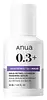
This anti-aging serum is formulated around Niacinamide and Retinol to soften the look of wrinkles and refine skin texture.
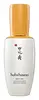
This hydrating serum is formulated around Glycyrrhiza Uralensis Root Extract and Camellia Sinensis Leaf Extract to hydrate skin.

What's inside
What's inside
 Key Ingredients
Benefits
Concerns
Ingredients Side-by-side
Water
Skin ConditioningGlycereth-26
Humectant
Niacinamide 5%
Smoothing











Pyrus Malus Fruit Extract
Skin Conditioning
Glycerin
Humectant
1,2-Hexanediol
Skin Conditioning
Caprylic/Capric Triglyceride
Masking
Castanea Crenata Shell Extract
Skin ConditioningGlyceryl Citrate/Lactate/Linoleate/Oleate
Emulsifying

Diospyros Kaki Leaf Extract
Skin Protecting
Coptis Japonica Root Extract
Skin ConditioningPotentilla Anserina Extract
Skin ConditioningAvena Sativa Kernel Extract
Abrasive

Cynara Scolymus Leaf Extract
Skin ConditioningPortulaca Oleracea Extract
Skin Conditioning
Melaleuca Alternifolia Leaf Extract
Perfuming
Ficus Carica Fruit Extract
Humectant
Centella Asiatica Extract
Cleansing
Camellia Sinensis Leaf Extract
Antimicrobial
Artemisia Capillaris Flower Extract
Skin ConditioningArnica Montana Flower Extract
Masking
Houttuynia Cordata Extract
Skin Conditioning
Melia Azadirachta Leaf Extract
Skin ConditioningLavandula Angustifolia Flower Extract
Cleansing

Chamomilla Recutita Flower/Leaf Extract
AntimicrobialBorago Officinalis Extract
Emollient
Centaurea Cyanus Flower Extract
Astringent
Hydrogenated Lecithin
Emulsifying
Camellia Sinensis Leaf Water
Masking
Centaurea Cyanus Flower Water
Skin Conditioning
Sodium Hyaluronate
Humectant
Melaleuca Alternifolia Leaf Oil
Antioxidant


Carapa Guaianensis Seed Oil
Skin Conditioning
Hippophae Rhamnoides Acid
EmollientTocopherol
Antioxidant
Cetyl Ethylhexanoate
EmollientAmmonium Acryloyldimethyltaurate/Vp Copolymer
Pentaerythrityl Tetra-Di-T-Butyl Hydroxyhydrocinnamate
Antioxidant
Polyacrylate Crosspolymer-6
Emulsion StabilisingMethylpropanediol
SolventButylene Glycol
Humectant
Polysorbate 20
Emulsifying
Retinol 0.1%
Skin Conditioning
Ceramide NP
Skin Conditioning
Pentylene Glycol
Skin Conditioning
Carbomer
Emulsion StabilisingTromethamine
BufferingDipotassium Glycyrrhizate
Humectant
Ethylhexylglycerin
Skin ConditioningAdenosine
Skin Conditioning
Disodium EDTA
ChelatingPolyquaternium-51
Skin Conditioning
Squalane
Emollient
Panthenol
Skin Conditioning
Hydrolyzed Sodium Hyaluronate
Skin Conditioning
BHT
Antioxidant
Oleic Acid
Emollient

Dipropylene Glycol
HumectantBHA
Antioxidant
Allantoin
Skin Conditioning
Maltodextrin
Absorbent
Saccharide Hydrolysate
HumectantSorbitan Laurate
Emulsifying
Glyceryl Stearate
Emollient
Butyrospermum Parkii Butter
Skin Conditioning
Octyldodecanol
Emollient
Phytosterols
Skin Conditioning
Madecassoside
Antioxidant
Ceramide As
Skin Conditioning
Ceramide AP
Skin Conditioning
Capryloyl Salicylic Acid
Exfoliating
Cholesterol
Emollient
Hydroxyethylcellulose
Emulsion StabilisingAcetyl Dipeptide-1 Cetyl Ester
Skin Conditioning
Ceramide Ns
Skin Conditioning
Ceramide Ng
Skin Conditioning
Caprylyl Glycol
Emollient
Guaiazulene
Antimicrobial
Sucrose Distearate
Emollient
Nonapeptide-1
Skin Conditioning
Acetyl Hexapeptide-8
Humectant
Copper Tripeptide-1
Skin Conditioning
Tripeptide-1
Skin Conditioning
Palmitoyl Tetrapeptide-7
Skin Conditioning
Palmitoyl Tripeptide-1
Skin Conditioning
Palmitoyl Pentapeptide-4
Skin Conditioning
Hydroxypropyl Cyclodextrin
MaskingHexapeptide-9
Skin Conditioning
Ceramide EOP
Skin Conditioning
Water, Glycereth-26, Niacinamide 5%, Pyrus Malus Fruit Extract, Glycerin, 1,2-Hexanediol, Caprylic/Capric Triglyceride, Castanea Crenata Shell Extract, Glyceryl Citrate/Lactate/Linoleate/Oleate, Diospyros Kaki Leaf Extract, Coptis Japonica Root Extract, Potentilla Anserina Extract, Avena Sativa Kernel Extract, Cynara Scolymus Leaf Extract, Portulaca Oleracea Extract, Melaleuca Alternifolia Leaf Extract, Ficus Carica Fruit Extract, Centella Asiatica Extract, Camellia Sinensis Leaf Extract, Artemisia Capillaris Flower Extract, Arnica Montana Flower Extract, Houttuynia Cordata Extract, Melia Azadirachta Leaf Extract, Lavandula Angustifolia Flower Extract, Chamomilla Recutita Flower/Leaf Extract, Borago Officinalis Extract, Centaurea Cyanus Flower Extract, Hydrogenated Lecithin, Camellia Sinensis Leaf Water, Centaurea Cyanus Flower Water, Sodium Hyaluronate, Melaleuca Alternifolia Leaf Oil, Carapa Guaianensis Seed Oil, Hippophae Rhamnoides Acid, Tocopherol, Cetyl Ethylhexanoate, Ammonium Acryloyldimethyltaurate/Vp Copolymer, Pentaerythrityl Tetra-Di-T-Butyl Hydroxyhydrocinnamate, Polyacrylate Crosspolymer-6, Methylpropanediol, Butylene Glycol, Polysorbate 20, Retinol 0.1%, Ceramide NP, Pentylene Glycol, Carbomer, Tromethamine, Dipotassium Glycyrrhizate, Ethylhexylglycerin, Adenosine, Disodium EDTA, Polyquaternium-51, Squalane, Panthenol, Hydrolyzed Sodium Hyaluronate, BHT, Oleic Acid, Dipropylene Glycol, BHA, Allantoin, Maltodextrin, Saccharide Hydrolysate, Sorbitan Laurate, Glyceryl Stearate, Butyrospermum Parkii Butter, Octyldodecanol, Phytosterols, Madecassoside, Ceramide As, Ceramide AP, Capryloyl Salicylic Acid, Cholesterol, Hydroxyethylcellulose, Acetyl Dipeptide-1 Cetyl Ester, Ceramide Ns, Ceramide Ng, Caprylyl Glycol, Guaiazulene, Sucrose Distearate, Nonapeptide-1, Acetyl Hexapeptide-8, Copper Tripeptide-1, Tripeptide-1, Palmitoyl Tetrapeptide-7, Palmitoyl Tripeptide-1, Palmitoyl Pentapeptide-4, Hydroxypropyl Cyclodextrin, Hexapeptide-9, Ceramide EOP
Water
Skin ConditioningButylene Glycol
Humectant
Alcohol
Antimicrobial

Glycerin
Humectant
Betaine
Humectant
PEG/PPG-17/6 Copolymer
SolventGlyceryl Polymethacrylate
Ophiopogon Japonicus Root Extract
Skin ConditioningPhenoxyethanol
Preservative
Bis-PEG-18 Methyl Ether Dimethyl Silane
EmollientPEG-60 Hydrogenated Castor Oil
Emulsifying
Carbomer
Emulsion StabilisingTromethamine
BufferingGlycyrrhiza Uralensis Root Extract
Skin Conditioning
Parfum
Masking
Honey
Humectant
Juglans Regia Seed Extract
Skin ConditioningTheobroma Cacao Extract
Skin ConditioningDextrin
AbsorbentLilium Candidum Bulb Extract
Skin ConditioningPaeonia Albiflora Root Extract
Skin ConditioningRehmannia Glutinosa Root Extract
Skin ConditioningPolygonatum Officinale Rhizome/Root Extract
Skin ConditioningNelumbo Nucifera Flower Extract
Skin ConditioningXanthan Gum
EmulsifyingEthylhexylglycerin
Skin ConditioningPortulaca Oleracea Extract
Skin Conditioning
Limonene
Perfuming
Camellia Sinensis Leaf Extract
Antimicrobial
Disodium EDTA
ChelatingPhenyl Trimethicone
Skin Conditioning
Chondrus Crispus
Masking
Linalool
Perfuming
Biosaccharide Gum-1
Humectant
Ziziphus Jujuba Fruit Extract
Skin ConditioningNatto Gum
Citronellol
Perfuming
Citral
Perfuming
Propylene Glycol
Humectant
Geraniol
Perfuming
Chlorphenesin
Antimicrobial
Hydrogenated Lecithin
Emulsifying
BHT
Antioxidant
Sodium Dehydroacetate
Preservative
Potassium Sorbate
Preservative
Citric Acid
Buffering
Sorbic Acid
Preservative
Tocopherol
Antioxidant
Water, Butylene Glycol, Alcohol, Glycerin, Betaine, PEG/PPG-17/6 Copolymer, Glyceryl Polymethacrylate, Ophiopogon Japonicus Root Extract, Phenoxyethanol, Bis-PEG-18 Methyl Ether Dimethyl Silane, PEG-60 Hydrogenated Castor Oil, Carbomer, Tromethamine, Glycyrrhiza Uralensis Root Extract, Parfum, Honey, Juglans Regia Seed Extract, Theobroma Cacao Extract, Dextrin, Lilium Candidum Bulb Extract, Paeonia Albiflora Root Extract, Rehmannia Glutinosa Root Extract, Polygonatum Officinale Rhizome/Root Extract, Nelumbo Nucifera Flower Extract, Xanthan Gum, Ethylhexylglycerin, Portulaca Oleracea Extract, Limonene, Camellia Sinensis Leaf Extract, Disodium EDTA, Phenyl Trimethicone, Chondrus Crispus, Linalool, Biosaccharide Gum-1, Ziziphus Jujuba Fruit Extract, Natto Gum, Citronellol, Citral, Propylene Glycol, Geraniol, Chlorphenesin, Hydrogenated Lecithin, BHT, Sodium Dehydroacetate, Potassium Sorbate, Citric Acid, Sorbic Acid, Tocopherol
Reviews
Ingredients Explained
These ingredients are found in both products.
Ingredients higher up in an ingredient list are typically present in a larger amount.
BHT is a synthetic antioxidant and preservative.
As an antioxidant, it helps your body fight off free-radicals. Free-radicals are molecules that may damage your skin cells.
As a preservative, it is used to stabilize products and prevent them from degrading. Specifically, BHT prevents degradation from oxidation.
The concerns related to BHT come from oral studies; this ingredient is currently allowed for use by both the FDA and EU.
However, it was recently restricted for use in the UK as of April 2024.
Learn more about BHTButylene Glycol (or BG) is used within cosmetic products for a few different reasons:
Overall, Butylene Glycol is a safe and well-rounded ingredient that works well with other ingredients.
Though this ingredient works well with most skin types, some people with sensitive skin may experience a reaction such as allergic rashes, closed comedones, or itchiness.
Learn more about Butylene GlycolCamellia Sinensis Leaf Extract (tea extract) is one of the most well-researched plant extracts in skincare with an impressive resume.
Black tea, green tea, and oolong tea are all harvested from the Camellia Sinensis plant.
Studies show green tea extract and its catechins (like epigallocatechin gallate (EGCG)) help your skin cells product energy more efficiently and reducing the number of free-radicals that can damage your skin from the inside.
In lab-grown skin models, this translated to younger, healthier, and stronger skin.
There's also good sun protection data; researchers saw less DNA damage and redness on human skin when green tea was applied before UVB exposure. And the more they applied, the better the protection.
Needless to say, this ingredient shouldn't replace your sunscreen. But it is a great supportive ingredient that you can already find in many sunscreens and antioxidant serums.
A 2009 study found a 2% green tea lotion was effective for mild-to-moderate acne thanks to its anti-inflammatory and mild antimicrobial activity.
The quality of the extract matters a lot here:
Good extracts contain 50-90% catechins while lower quality ones are mostly there for marketing. We recommend reaching out to the brand if you have questions about the quality or source of their ingredients.
Human Repeated Insult Patch Testing showed no irritation or sensitization at use concentrations (0.86% in leave-on products and up to 30% as leaf water).
Learn more about Camellia Sinensis Leaf ExtractCarbomer is a synthetic thickening and gelling agent. It's basically the ingredient that gives a lot of serums, gels, creams, and sunscreens their smooth, non-sticky texture.
Although legally permitted at very high levels, carbomers are normally used at concentrations below 1%.
It also needs to be neutralized to actually thicken, and because it is a large molecule, it doesn't really penetrate the skin barrier.
Allergy-wise, the risk is very low. Clinical studies show carbomers have low potential for skin irritation/sensitization even at concentrations up to 100%.
A 2024 UK study patch-tested 1,302 patients and found true allergy to the parent group of carbomer to be rare with no confirmed relevant reactions.
Learn more about CarbomerDisodium EDTA is a chelating agent. It grabs onto and deactivates metal ions that sneak into your products from water, packaging, or air.
This ingredient mainly works behind the scenes and helps with:
On top of that, this ingredient can counteract the effects of hard water by binding to the minerals in it.
One thing worth knowing is that Disodium EDTA has been shown to be a mild penetration enhancer. It can help other ingredients absorb into skin more effectively which can be a double-edged sword (great for actives, but can also make the active too strong if you have sensitive skin).
Clinical patch testing showed no significant skin irritation at typical use concentrations and minimal dermal absorption.
You'll most likely see this ingredient near the end of an ingredient list. It's typically found in concentrations less than 1%.
Learn more about Disodium EDTAEthylhexylglycerin is created from glycerin. It is a multitasker ingredient that:
The CIR Expert Panel found minimal skin absorption or sensitization of any kind in a safety assessment. Though this ingredient is considered well-tolerated, a small number of cases of allergic dermatitis have been published since 2002. Just be sure to patch test if you are unsure.
Industry-reported use ranges from 8% in rinse-off products and 2% in leave-on formulations.
Learn more about EthylhexylglycerinGlycerin (or glycerol) is a compound naturally found in your skin. It's a powerhouse humectant that pulls water into the stratum corneum.
Topically, glycerin does several things at once:
Your skin makes glycerin on its own (mostly from sebaceous oil breakdown) and shuttles it to your outermost layer of skin, or your epidermis, via aquaporin-3.
Aquaporin-3 is a transporter that is essential for normal skin hydration, elasticity, and repair. Interestingly, mice lacking in AQP3 have dry and less elastic skin that can be fully corrected with glycerin.
This ingredient is non-irritating, plays well with almost every ingredient, and works across all skin types. Typical use is anywhere between 3-10% but can go up to 79% in some leave-on products.
Just know very high concentrations (>40%) can feel tacky in low humidity.
Glycerin is the name for this ingredient in American English. British English uses Glycerol/Glycerine.
Learn more about GlycerinHydrogenated Lecithin is a more stable version of lecithin.
It's made by taking lecithin (a phospholipid commonly found in soybeans and egg yolks) and hydrogenating it. This just means the unsaturated fatty acids are turned into saturated ones so they don't go bad as easily.
This ingredient is an emollient, emulsifier, and penetration enhancer. As an emollient, it helps soften and hydrate skin by trapping moisture within. As an emulsifier, it prevents oil and water ingredients from separating.
Hydrogenated Lecithin can form tiny spherical structures made of phospholipid bilayers called liposomes. These liposomes are able to capture compounds inside their structure and deliver them through the skin barrier.
Because phospholipids are a natural component of our cell membranes, this ingredient is inherently compatible with skin.
A 2021 study found lecithin-based surfactants were less harsh and more tolerable comared to Sodium Lauryl Sulfate (SLS).
Learn more about Hydrogenated LecithinThis extract comes from Purslane, a succulent. It has anti-inflammatory, antioxidant, and hydrating properties.
Purslane is very nutritious. It contains omega-3 fatty acids, NMFs, many vitamins, minerals, and antioxidants. The vitamins found in purslane include: Vitamin C, Vitamin A, and Vitamin E.
Fun fact: Purslane is a succulent with an extensive habitat. It is used in traditional Korean medicine to treat irritated skin.
Nowadays, purslane is becoming a superfood due to its highly nutritious content.
Learn more about Portulaca Oleracea ExtractTocopherol is a fat-soluble antioxidant known as Vitamin E.
You'll find this ingredient in the vast majority of skincare (for good reason). It works to neutralize free radicals, or unstable molecules generated by UV exposure, pollution, and other environmental stressors, before they can cause oxidative damage to your skin cells.
Topically applied tocopherol has been shown to protect against UV damage by ramping up the skin's own natural defense enzymes.
It also acts as a skin conditioning agent; some studies show that regular topical use can improve the skin's water-binding capacity over 2-4 weeks.
This ingredient is especially loved for being a team player. When combined with Vitamin C, the photoprotective effect of both ingredients roughly doubles and the combo also helps reduce UV-induced DNA damage.
This ingredient has some brightening potential but it's more of a prevention ingredient than spot-fader. Cell studies show it can slow down melanin production but it's worth noting that it's not the most powerful brightener out there.
In formulations, it also serves as a stabilizer that helps protect other oxidation-prone ingredients from degrading.
Concentrations usually range from 0.1-1% in most leave-on products.
Learn more about TocopherolTromethamine (aka THAM) is a synthetic amino acid that shows up in skincare as a helper ingredient.
It functions as a pH adjuster to help neutralize acidic ingredients and set a formula's pH to the right spot.
This matters a lot because a lot of actives (like vitamin C) needs a specific pH to work well and feel comfortable on skin.
Concentration use ranges from 0.1-1.0% depending on the formula.
Learn more about TromethamineWater. It's the most common cosmetic ingredient of all. You'll usually see it at the top of ingredient lists, meaning that it makes up the largest part of the product.
So why is it so popular? Water most often acts as a solvent - this means that it helps dissolve other ingredients into the formulation.
You'll also recognize water as that liquid we all need to stay alive. If you see this, drink a glass of water. Remember to stay hydrated!
Learn more about Water

