Philosophy Dose of Wisdom Bouncy Skin Reactivating Serum Versus StriVectin Hydration Multiplier Hyaluronic Acid Serum
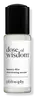
This hydrating serum is formulated around 3-O-Ethyl Ascorbic Acid and Squalane to hydrate skin and soften the look of wrinkles.
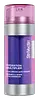
This hydrating serum is formulated around Squalane and Sodium Hyaluronate to hydrate skin and strengthen the skin barrier.

What's inside
What's inside
 Key Ingredients
Benefits
Concerns
Ingredients Side-by-side
Water
Skin ConditioningGlycerin
Humectant


Pentaerythrityl Tetraethylhexanoate
Emollient
Propanediol
Solvent
Alcohol Denat.
Antimicrobial




Xanthan Gum
Emulsifying3-O-Ethyl Ascorbic Acid
Skin Conditioning




Hydroxyacetophenone
Antioxidant
Caprylic/Capric Triglyceride
Masking
Hydroxyethyl Acrylate/Sodium Acryloyldimethyl Taurate Copolymer
Emulsion StabilisingMaltodextrin
Absorbent
Squalane
Emollient
1,2-Hexanediol
Skin Conditioning
Caprylyl Glycol
Emollient
Methylpropanediol
SolventSodium Citrate
BufferingCitric Acid
Buffering
Parfum
Masking

Plantago Lanceolata Leaf Extract
AntimicrobialCarbomer
Emulsion StabilisingLactobacillus
Skin ConditioningSodium PCA
Humectant
Sodium Hydroxide
BufferingPolysorbate 60
Emulsifying
Adenosine
Skin Conditioning
PEG-8
HumectantMica
Cosmetic ColorantSorbitan Isostearate
Emulsifying
Tocopherol
Antioxidant

Biosaccharide Gum-1
Humectant
Pentylene Glycol
Skin Conditioning
Limonene
Perfuming
Silica
Abrasive

Dimethylmethoxy Chromanol
Antioxidant
Ethylhexylglycerin
Skin ConditioningHordeum Vulgare Extract
EmollientHyaluronic Acid
Humectant
Ganoderma Lucidum Stem Extract
Skin ConditioningSilanetriol
Ascorbyl Palmitate
Antioxidant
Agave Americana Leaf Extract
Skin ConditioningCitral
Perfuming
Rosmarinus Officinalis Leaf Extract
AntimicrobialAscorbic Acid
Antioxidant
Sodium Benzoate
Masking
Potassium Sorbate
Preservative
Titanium Dioxide
Cosmetic Colorant

Water, Glycerin, Pentaerythrityl Tetraethylhexanoate, Propanediol, Alcohol Denat., Xanthan Gum, 3-O-Ethyl Ascorbic Acid, Hydroxyacetophenone, Caprylic/Capric Triglyceride, Hydroxyethyl Acrylate/Sodium Acryloyldimethyl Taurate Copolymer, Maltodextrin, Squalane, 1,2-Hexanediol, Caprylyl Glycol, Methylpropanediol, Sodium Citrate, Citric Acid, Parfum, Plantago Lanceolata Leaf Extract, Carbomer, Lactobacillus, Sodium PCA, Sodium Hydroxide, Polysorbate 60, Adenosine, PEG-8, Mica, Sorbitan Isostearate, Tocopherol, Biosaccharide Gum-1, Pentylene Glycol, Limonene, Silica, Dimethylmethoxy Chromanol, Ethylhexylglycerin, Hordeum Vulgare Extract, Hyaluronic Acid, Ganoderma Lucidum Stem Extract, Silanetriol, Ascorbyl Palmitate, Agave Americana Leaf Extract, Citral, Rosmarinus Officinalis Leaf Extract, Ascorbic Acid, Sodium Benzoate, Potassium Sorbate, Titanium Dioxide
Water
Skin ConditioningPentylene Glycol
Skin Conditioning
Propanediol
Solvent
Caprylic/Capric Triglyceride
Masking
Squalane
Emollient
Behenyl Alcohol
Emollient
Isopentyldiol
Humectant
Myristyl Nicotinate
Skin ConditioningPentaerythrityl Tetraethylhexanoate
Emollient
Saccharide Isomerate
Humectant
Polyglyceryl-3 Stearate
Emulsifying
Glycerin
Humectant
Undecane
EmollientVegetable Oil
Skin Conditioning
Coco-Caprylate/Caprate
Emollient
Acrylates/C10-30 Alkyl Acrylate Crosspolymer
Emulsion StabilisingBacillus/Sea Salt Ferment Filtrate
Skin ConditioningCeramide AP
Skin Conditioning
Polyglutamic Acid
Skin Conditioning
Sodium Hyaluronate Crosspolymer
Humectant
Glyceryl Caprylate
EmollientSodium Acetylated Hyaluronate
Humectant
Ceramide Ag
Humectant
Tridecane
Perfuming
Ceramide Ng
Skin Conditioning
Butyrospermum Parkii Butter
Skin Conditioning

Spirodela Polyrhiza Extract
Skin ConditioningHyaluronic Acid
Humectant
Ceramide EOP
Skin Conditioning
Sodium Hyaluronate
Humectant
Triheptanoin
Skin ConditioningHydrolyzed Jojoba Esters
Skin Conditioning
Hydrolyzed Hyaluronic Acid
Humectant
Hydrolyzed Sodium Hyaluronate
Skin Conditioning
Hydrolyzed Glycosaminoglycans
HumectantPullulan
Lecithin
Emollient
Sodium Stearoyl Glutamate
CleansingBisabolol
Antioxidant
C9-12 Alkane
SolventDilinoleic Acid/Butanediol Copolymer
Oryza Sativa Bran Extract
Skin Conditioning
Allantoin
Skin Conditioning
Chlorphenesin
Antimicrobial
Caprylhydroxamic Acid
ChelatingParfum
Masking
Trisodium Ethylenediamine Disuccinate
ChelatingHelianthus Annuus Extract
Emollient
Rosmarinus Officinalis Leaf Extract
AntimicrobialCeramide NP
Skin Conditioning
Hydrogenated Lecithin
Emulsifying
Dipropylene Glycol
HumectantGlyceryl Stearate
Emollient
Cholesterol
Emollient
Castor Oil/Ipdi Copolymer
Tocopherol
Antioxidant
1,2-Hexanediol
Skin Conditioning
Polysorbate 20
Emulsifying
Panthenol
Skin Conditioning
Sclerotium Gum
Emulsion StabilisingSodium Hydroxide
BufferingXanthan Gum
EmulsifyingSilica
Abrasive
Citric Acid
Buffering
Sodium Citrate
BufferingLimonene
Perfuming
Linalool
Perfuming
Benzyl Salicylate
Perfuming
Geraniol
Perfuming
Citronellol
Perfuming
Water, Pentylene Glycol, Propanediol, Caprylic/Capric Triglyceride, Squalane, Behenyl Alcohol, Isopentyldiol, Myristyl Nicotinate, Pentaerythrityl Tetraethylhexanoate, Saccharide Isomerate, Polyglyceryl-3 Stearate, Glycerin, Undecane, Vegetable Oil, Coco-Caprylate/Caprate, Acrylates/C10-30 Alkyl Acrylate Crosspolymer, Bacillus/Sea Salt Ferment Filtrate, Ceramide AP, Polyglutamic Acid, Sodium Hyaluronate Crosspolymer, Glyceryl Caprylate, Sodium Acetylated Hyaluronate, Ceramide Ag, Tridecane, Ceramide Ng, Butyrospermum Parkii Butter, Spirodela Polyrhiza Extract, Hyaluronic Acid, Ceramide EOP, Sodium Hyaluronate, Triheptanoin, Hydrolyzed Jojoba Esters, Hydrolyzed Hyaluronic Acid, Hydrolyzed Sodium Hyaluronate, Hydrolyzed Glycosaminoglycans, Pullulan, Lecithin, Sodium Stearoyl Glutamate, Bisabolol, C9-12 Alkane, Dilinoleic Acid/Butanediol Copolymer, Oryza Sativa Bran Extract, Allantoin, Chlorphenesin, Caprylhydroxamic Acid, Parfum, Trisodium Ethylenediamine Disuccinate, Helianthus Annuus Extract, Rosmarinus Officinalis Leaf Extract, Ceramide NP, Hydrogenated Lecithin, Dipropylene Glycol, Glyceryl Stearate, Cholesterol, Castor Oil/Ipdi Copolymer, Tocopherol, 1,2-Hexanediol, Polysorbate 20, Panthenol, Sclerotium Gum, Sodium Hydroxide, Xanthan Gum, Silica, Citric Acid, Sodium Citrate, Limonene, Linalool, Benzyl Salicylate, Geraniol, Citronellol
Ingredients Explained
These ingredients are found in both products.
Ingredients higher up in an ingredient list are typically present in a larger amount.
1,2-Hexanediol is a synthetic liquid and another multi-functional powerhouse.
It is a:
- Humectant, drawing moisture into the skin
- Emollient, helping to soften skin
- Solvent, dispersing and stabilizing formulas
- Preservative booster, enhancing the antimicrobial activity of other preservatives
Caprylic/Capric Triglyceride (aka MCT Oil) is a lightweight emollient, solvent, and texture enhancer. It is considered a skin-softener by helping to prevent moisture loss.
Though it behaves like an oil, it is not technically one due to its chemical composition. One perk of this ingredient is that it is very stable, resistant to oxidation, and unlikely to go rancid.
In practice, that translates to a long shelf life and a consistently elegant skin feel.
While there is an assumption Caprylic Triglyceride can clog pores due to it being derived from coconut oil, there is no research supporting this. Just patch test if you have concerns.
Fractionated coconut oil and MCT Oil are both listed as Caprylic/Capric Triglyceride according to INCI. This is because INCI names are based on the ingredient’s final chemical composition and not its marketing name or source.
This ingredient is treated as the gold standard fungal acne safe oil. Even though it is coconut derived, the problematic lauric acid is stripped out.
This leaves just caprylic (C8) and capric (C10) acid. These chain lengths actually trend antifungal; a 2020 study found caprylic acid was enough to disrupt Malassezia furfur cell membrane, with a caprylic acid derivative damaging membrane structures at concentrations as low as 0.2%.
Learn more about Caprylic/Capric TriglycerideCitric Acid is an alpha hydroxy acid (AHA) naturally found in citrus fruits like oranges, lemons, and limes.
Like other AHAs, citric acid can exfoliate skin by breaking down the bonds that hold dead skin cells together. This helps reveal smoother and brighter skin underneath.
However, this exfoliating effect only happens at high concentrations (20%) which can be hard to find in cosmetic products.
Due to this, citric acid is usually included in small amounts as a pH adjuster. This helps keep products slightly more acidic and compatible with skin's natural pH.
In skincare formulas, citric acid can:
While it can provide some skin benefits, research shows lactic acid and glycolic acid are generally more effective and less irritating exfoliants.
Most citric acid used in skincare today is made by fermenting sugars (usually from molasses). This synthetic version is identical to the natural citrus form but easier to stabilize and use in formulations.
Rosacea skin has a lower threshold for acids generally, with 62.5% of rosacea subjects in one study reacting to lactic acid in a sting test. This is why we mark citric acid as a potential rosacea trigger.
However, this ingredient shows up as a pH adjuster or chelator at roughly 0.1-1% in many products. These low levels are unlikely to be an issue for rosacea skin and becomes a potential trigger at exfoliating concentrations (20%). Because everybody's skin is unique, we recommend a patch test if you are unsure.
Learn more about Citric AcidGlycerin (or glycerol) is a compound naturally found in your skin. It's a powerhouse humectant that pulls water into the stratum corneum.
Topically, glycerin does several things at once:
Your skin makes glycerin on its own (mostly from sebaceous oil breakdown) and shuttles it to your outermost layer of skin, or your epidermis, via aquaporin-3.
Aquaporin-3 is a transporter that is essential for normal skin hydration, elasticity, and repair. Interestingly, mice lacking in AQP3 have dry and less elastic skin that can be fully corrected with glycerin.
This ingredient is non-irritating, plays well with almost every ingredient, and works across all skin types. Typical use is anywhere between 3-10% but can go up to 79% in some leave-on products.
Just know very high concentrations (>40%) can feel tacky in low humidity.
Glycerin is the name for this ingredient in American English. British English uses Glycerol/Glycerine.
Learn more about GlycerinHyaluronic acid (HA) is a glycosaminoglycan (basically a long sugar chain) that your skin already makes on its own. In your skin, HA lives in the extracellular matrix and acts as the body's moisture reservoir.
Topically, HA is a humectant that binds water and helps skin look more plump, smooth, and hydrated.
The only catch is that HA isn't a single thing; it actually comes in a wide range of molecular weights (~50 - 2,000+ kDA) and size matters.
Some clinical evidence links low molecular weight versions to improved wrinkle depth, elasticity, anti-inflammatory effects, and barrier repair.
This is why the best HA serums blend the two sizes together so you get the best of both worlds.
The majority of cosmetic HA is produced by bacterial fermentation, typically using Streptococcus or Bacillus strains. Typical use levels in skincare sit around 0.1-2%.
A clinical study using a 0.2% low-molecular weight HA gel showed improvement in facial seborrheic dermatitis with excellent tolerance.
These are some other common types of Hyaluronic Acid:
Learn more about Hyaluronic AcidLimonene is the compound that gives citrus peel its smell.
In skincare, it shows up as a standalone fragrance ingredient or as a natural compound of citrus and other essential oils.
You'll typically see this ingredient used in very small amounts; anything above 0.001% in a leave-on product or 0.01% in a rinse-off has to be named on the label in the EU. The citrus oils that carry it sit around 0.5-1% in a finished formula.
Fresh limonene is a weak allergen; the real issue is that it slowly reacts with air and then breaks down from oxidation to create hydroperoxides (which are strong sensitizers). This is why suppliers are required to keep the peroxide value below 20 mmol.
Positive reactions in people being investigated for eczema vary:
It's worth skipping if you have a known fragrance allergy or a compromised barrier, but the risk is low for most people.
Older or long-opened products are also more likely to bother you than fresh ones due to oxidation.
Learn more about LimoneneParfum is a catch-all term for an ingredient or more that is used to give a scent to products.
Also called "fragrance", this ingredient can be a blend of hundreds of chemicals or plant oils. This means every product with "fragrance" or "parfum" in the ingredients list is a different mixture.
For instance, Habanolide is a proprietary trade name for a specific aroma chemical. When used as a fragrance ingredient in cosmetics, most aroma chemicals fall under the broad labeling category of “FRAGRANCE” or “PARFUM” according to EU and US regulations.
The term 'parfum' or 'fragrance' is not regulated in many countries. In many cases, it is up to the brand to define this term.
For instance, many brands choose to label themselves as "fragrance-free" because they are not using synthetic fragrances. However, their products may still contain ingredients such as essential oils that are considered a fragrance by INCI standards.
One example is Calendula flower extract. Calendula is an essential oil that still imparts a scent or 'fragrance'.
Depending on the blend, the ingredients in the mixture can cause allergies and sensitivities on the skin. Some ingredients that are known EU allergens include linalool and citronellol.
Parfum can also be used to mask or cover an unpleasant scent.
The bottom line is: not all fragrances/parfum/ingredients are created equally. If you are worried about fragrances, we recommend taking a closer look at an ingredient. And of course, we always recommend speaking with a professional.
Learn more about ParfumPentaerythrityl Tetraethylhexanoate is an emollient that helps make your skin smooth and hydrated. It specializes in creating a non-oily and "wet" feeling on skin.
This ingredient comes from isostearic acid, a saturated fatty acid. It is a synthetic ingredient.
Pentylene Glycol (1,2-pentanediol) is a multitasking little diol with three main roles in a formula:
Research on alkanediols (the family pentylene glycol belongs to) show they work by disrupting microbial cell membranes. This disruption helps the primary preservative system in a product work more effectively at lower doses.
On the safety side, the Cosmetic Ingredient Review Expert Panel has concluded this ingredient to be safe as used in current cosmetic practices + concentrations.
Typical use levels in a formula run about 1-5%.
Learn more about Pentylene GlycolPropanediol is an all-star ingredient. It softens, hydrates, and smooths the skin.
It’s often used to:
Propanediol is not likely to cause sensitivity and considered safe to use. It is derived from corn or petroleum with a clear color and no scent.
Learn more about PropanediolThis is a botanical extract from the rosemary plant (the same one you cook with). In skincare, it mostly works as a skin conditioning agent.
Its activity comes from a handful of polyphenols, carnosic acid, carnosol, and rosmarinic acid. Almost 90% of the antioxidant activity of this ingredient can be attributed to canosol and carnosic acid.
These compounds protect your skin two ways:
1) They fight off free radicals, or the unstable molecules from things like sun and pollution that age and damage skin.
2) They help calm inflammation by switching off the chemical signals that tell skin to get red and irritated.
Lab studies also suggest that rosmarinic acid may help protect collagen and slow sugar-related damage to it.
The Cosmetic Ingredient Review has concluded rosemary-derived ingredients to be safe when formulated to be non-sensitizing.
Rosemary can occasionally cause allergic contact dermatitis (due to carnosol), so be sure to patch test if you have reactive or fragrance-sensitive skin.
Learn more about Rosmarinus Officinalis Leaf ExtractSilica, also known as silicon dioxide, is a naturally occurring mineral. It is used as a fine, spherical, and porous powder in cosmetics.
Though it has exfoliant properties, the function of silica varies depending on the product.
The unique structure of silica enhances the spreadability and adds smoothness, making it a great texture enhancer.
It is also used as an active carrier, emulsifier, and mattifier due to its ability to absorb excess oil.
In some products, tiny microneedles called spicules are made from silica or hydrolyzed sponge. When you rub them in, they lightly polish away dead skin layers and enhance the penetration of active ingredients.
Learn more about SilicaSodium Citrate is the sodium salts of citric acid. In skincare, it is used to alter pH levels and acts as a preservative.
Its main functions are to maintain the pH of a product and neutralize metal ions.
The acidity of our skin is maintained by our glands and skin biome; normal pH level of skin is slightly acidic (~4.75-5.5).
Being slightly acidic allows our skin to create an "acid mantle". This acid mantle is a thin barrier that protects our skin from bacteria and contaminants.
Learn more about Sodium CitrateSodium Hydroxide is also known as lye or caustic soda. It is used to adjust the pH of products; many ingredients require a specific pH to be effective.
In small amounts, sodium hydroxide is considered safe to use. However, large amounts may cause chemical burns due to its high alkaline.
Your skin has a natural pH and acid mantle. This acid mantle helps prevent harmful bacteria from breaking through. The acid mantle also helps keep your skin hydrated.
"Alkaline" refers to a high pH level. A low pH level would be considered acidic.
Learn more about Sodium HydroxideSqualane is the hydrogenated and shelf-stable form of squalene (a lipid that naturally occurs in human sebum).
It is an emollient and skin conditioning agent that is able to integrate seamlessly into the skin's lipid barrier without clogging pores.
This is due to how structurally similar it is to what your skin already produces.
Though it is mostly an emollient that helps soften and hydrate skin, it also has some humectant and occlusive action. Humectants help the skin retain moisture while occlusives seal it in, making squalane a triple-threat moisturizer.
Research shows it has antioxidant capabilities that help protect against stressors like UV exposure, specifically UVA induced oxidative stress. This study also found that it supports collagen biosynthesis in human dermal fibroblasts.
No clinical study has reported significant adverse effects and irritation reactions are very rare from this ingredient (even at 100% concentration).
Overall, it's a fantastic ingredient for hydration and is suitable for all skin types.
This depends on the source. Squalane can be derived from both plants and animals. Most squalane used in skincare comes from plants.
Please note: the source of squalane is only known if disclosed by the brand. We recommend reaching out to the brand if you have any questions about their squalane.
Read more about squalene with an "e".
Though squalane is often called an oil, it’s technically not one. It is a hydrocarbon, meaning it is only made of carbon and hydrogen. True oils are triglycerides and made of fatty acids and glycerol.
The term “oil-free” isn’t regulated so companies can define it however they want. Some exclude all oils, while others just avoid mineral oil or comedogenic oils.
Squalane has a comedogenic rating of 1 from the original 1972 study that tested raw ingredients under occlusion on rabbit ears. This system is not standardized or peer-reviewed, and using the raw ingredients is very different from how diluted cosmetic formulations are used on human skin.
A comedogenic rating of 1 means it is "unlikely to clog pores" according to the original rating system.
The overall formula of a product matters more than the individual ingredients on whether or not it will cause clogged pores.
Learn more about SqualaneTocopherol is a fat-soluble antioxidant known as Vitamin E.
You'll find this ingredient in the vast majority of skincare (for good reason). It works to neutralize free radicals, or unstable molecules generated by UV exposure, pollution, and other environmental stressors, before they can cause oxidative damage to your skin cells.
Topically applied tocopherol has been shown to protect against UV damage by ramping up the skin's own natural defense enzymes.
It also acts as a skin conditioning agent; some studies show that regular topical use can improve the skin's water-binding capacity over 2-4 weeks.
This ingredient is especially loved for being a team player. When combined with Vitamin C, the photoprotective effect of both ingredients roughly doubles and the combo also helps reduce UV-induced DNA damage.
This ingredient has some brightening potential but it's more of a prevention ingredient than spot-fader. Cell studies show it can slow down melanin production but it's worth noting that it's not the most powerful brightener out there.
In formulations, it also serves as a stabilizer that helps protect other oxidation-prone ingredients from degrading.
Concentrations usually range from 0.1-1% in most leave-on products.
Learn more about TocopherolWater. It's the most common cosmetic ingredient of all. You'll usually see it at the top of ingredient lists, meaning that it makes up the largest part of the product.
So why is it so popular? Water most often acts as a solvent - this means that it helps dissolve other ingredients into the formulation.
You'll also recognize water as that liquid we all need to stay alive. If you see this, drink a glass of water. Remember to stay hydrated!
Learn more about WaterXanthan gum is used as a stabilizer and thickener within cosmetic products. It helps give products a sticky, thick feeling - preventing them from being too runny.
On the technical side of things, xanthan gum is a polysaccharide - a combination consisting of multiple sugar molecules bonded together.
Xanthan gum is a pretty common and great ingredient. It is a natural, non-toxic, non-irritating ingredient that is also commonly used in food products.
Learn more about Xanthan Gum

