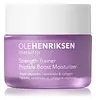
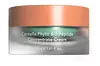
Olehenriksen Strength Trainer Peptide Boost Moisturizer Versus Haruharu Wonder Centella Phyto & 5 Peptide Concentrate Cream
This barrier-repair moisturizer is formulated around Niacinamide and Acetyl Hexapeptide-8 to strengthen the skin barrier and soften the look of wrinkles.
This anti-aging moisturizer is formulated around Centella Asiatica Extract and Madecassoside to soften the look of wrinkles and calm redness.


What's inside
What's inside
 Key Ingredients
Benefits
Concerns
Ingredients Side-by-side
Water
Skin ConditioningPropanediol
Solvent

Dicaprylyl Carbonate
EmollientGlycerin
Humectant
Methylpropanediol
SolventCetearyl Alcohol
Emollient






Stearyl Alcohol
Emollient
Mangifera Indica Seed Butter
Skin Conditioning
Niacinamide
Smoothing









Acetyl Hexapeptide-1
Skin Conditioning
Acetyl Hexapeptide-8
Humectant
Acetyl Octapeptide-3
Humectant
Acetyl Tetrapeptide-2
Skin Conditioning
Acetyl Dipeptide-1 Cetyl Ester
Skin Conditioning
Palmitoyl Tripeptide-1
Skin Conditioning
Palmitoyl Tetrapeptide-7
Skin Conditioning
Carnosine
Skin Conditioning
Ceramide NP
Skin Conditioning
Ceramide AP
Skin Conditioning
Ceramide EOP
Skin Conditioning
Collagen
Moisturising
Serine
Masking
Alanine
Masking
Glycine
Buffering
Glutamic Acid
Humectant
Lysine Hcl
Skin Conditioning
Threonine
Arginine
Masking
Proline
Skin Conditioning
Hyaluronic Acid
Humectant
Sodium Hyaluronate
Humectant
Linoleic Acid
Cleansing
Linolenic Acid
Cleansing

Sodium PCA
Humectant
Sodium Lactate
Buffering
Panthenol
Skin Conditioning
Tocopherol
Antioxidant

Tocopheryl Acetate
Antioxidant
Betaine
Humectant
PCA
Humectant
Cyanocobalamin
Skin ConditioningXylitol
Humectant
Anhydroxylitol
Humectant
Xylitylglucoside
Humectant
Sorbitan Olivate
Emulsifying
Carbomer
Emulsion StabilisingHydroxyethylcellulose
Emulsion StabilisingXanthan Gum
EmulsifyingCetearyl Olivate
Sorbitan Laurate
Emulsifying
Phytosphingosine
Skin Conditioning
Cholesterol
Emollient
Polysorbate 60
Emulsifying
Butylene Glycol
Humectant
Hydroxyacetophenone
Antioxidant
Glycine Soja Oil
Emollient
Acrylates/C10-30 Alkyl Acrylate Crosspolymer
Emulsion StabilisingPolysorbate 20
Emulsifying
Ammonium Acryloyldimethyltaurate/Beheneth-25 Methacrylate Crosspolymer
Emulsion StabilisingDimethicone
Emollient
Sodium Phytate
ChelatingSodium Lauroyl Lactylate
EmulsifyingPentaerythrityl Tetra-Di-T-Butyl Hydroxyhydrocinnamate
Antioxidant
Leuconostoc/Radish Root Ferment Filtrate
Antimicrobial
Citric Acid
Buffering
Caprylyl Glycol
Emollient
Ethylhexylglycerin
Skin ConditioningPhenoxyethanol
Preservative
Parfum
Masking
Citral
Perfuming
Limonene
Perfuming
Linalool
Perfuming
Water, Propanediol, Dicaprylyl Carbonate, Glycerin, Methylpropanediol, Cetearyl Alcohol, Stearyl Alcohol, Mangifera Indica Seed Butter, Niacinamide, Acetyl Hexapeptide-1, Acetyl Hexapeptide-8, Acetyl Octapeptide-3, Acetyl Tetrapeptide-2, Acetyl Dipeptide-1 Cetyl Ester, Palmitoyl Tripeptide-1, Palmitoyl Tetrapeptide-7, Carnosine, Ceramide NP, Ceramide AP, Ceramide EOP, Collagen, Serine, Alanine, Glycine, Glutamic Acid, Lysine Hcl, Threonine, Arginine, Proline, Hyaluronic Acid, Sodium Hyaluronate, Linoleic Acid, Linolenic Acid, Sodium PCA, Sodium Lactate, Panthenol, Tocopherol, Tocopheryl Acetate, Betaine, PCA, Cyanocobalamin, Xylitol, Anhydroxylitol, Xylitylglucoside, Sorbitan Olivate, Carbomer, Hydroxyethylcellulose, Xanthan Gum, Cetearyl Olivate, Sorbitan Laurate, Phytosphingosine, Cholesterol, Polysorbate 60, Butylene Glycol, Hydroxyacetophenone, Glycine Soja Oil, Acrylates/C10-30 Alkyl Acrylate Crosspolymer, Polysorbate 20, Ammonium Acryloyldimethyltaurate/Beheneth-25 Methacrylate Crosspolymer, Dimethicone, Sodium Phytate, Sodium Lauroyl Lactylate, Pentaerythrityl Tetra-Di-T-Butyl Hydroxyhydrocinnamate, Leuconostoc/Radish Root Ferment Filtrate, Citric Acid, Caprylyl Glycol, Ethylhexylglycerin, Phenoxyethanol, Parfum, Citral, Limonene, Linalool
Water
Skin ConditioningGlycerin
Humectant
Butylene Glycol
Humectant
Caprylic/Capric Triglyceride
Masking
Helianthus Annuus Seed Oil
Emollient
Polyglyceryl-3 Distearate
Emulsifying
1,2-Hexanediol
Skin Conditioning
Cetyl Alcohol
Emollient
Cetyl Palmitate
Emollient
Ammonium Acryloyldimethyltaurate/Vp Copolymer
Sorbitan Palmitate
Emulsifying
Sorbitan Olivate
Emulsifying
Glyceryl Stearate
Emollient
Stearyl Alcohol
Emollient
Xanthan Gum
EmulsifyingGlyceryl Stearate Citrate
Emollient
Myristyl Alcohol
Emollient
Squalane
Emollient
Caffeine
Skin Conditioning
Hydrolyzed Soy Protein
Humectant
Hydrogenated Lecithin
Emulsifying
Pentylene Glycol
Skin Conditioning
Ethylhexylglycerin
Skin ConditioningAdenosine
Skin Conditioning
Butyrospermum Parkii Butter
Skin Conditioning
Phytosterols
Skin Conditioning
Lauryl Alcohol
Emollient
Centella Asiatica Extract
Cleansing
Hydrolyzed Pea Protein
EmollientMadecassoside
Antioxidant
Asiaticoside
Antioxidant
Caprylyl Glycol
Emollient
Xylitylglucoside
Humectant
Anhydroxylitol
Humectant
Copper Tripeptide-1
Skin Conditioning
Xylitol
Humectant
Acetyl Hexapeptide-8
Humectant
Asiatic Acid
Skin Conditioning
Madecassic Acid
Skin Conditioning
Glucose
Humectant
Ceramide NP
Skin Conditioning
Hippophae Rhamnoides Fruit Extract
Skin Conditioning
Oligopeptide-32
Antiseborrhoeic
Oligopeptide-29
Antioxidant
Palmitoyl Pentapeptide-4
Skin Conditioning
Water, Glycerin, Butylene Glycol, Caprylic/Capric Triglyceride, Helianthus Annuus Seed Oil, Polyglyceryl-3 Distearate, 1,2-Hexanediol, Cetyl Alcohol, Cetyl Palmitate, Ammonium Acryloyldimethyltaurate/Vp Copolymer, Sorbitan Palmitate, Sorbitan Olivate, Glyceryl Stearate, Stearyl Alcohol, Xanthan Gum, Glyceryl Stearate Citrate, Myristyl Alcohol, Squalane, Caffeine, Hydrolyzed Soy Protein, Hydrogenated Lecithin, Pentylene Glycol, Ethylhexylglycerin, Adenosine, Butyrospermum Parkii Butter, Phytosterols, Lauryl Alcohol, Centella Asiatica Extract, Hydrolyzed Pea Protein, Madecassoside, Asiaticoside, Caprylyl Glycol, Xylitylglucoside, Anhydroxylitol, Copper Tripeptide-1, Xylitol, Acetyl Hexapeptide-8, Asiatic Acid, Madecassic Acid, Glucose, Ceramide NP, Hippophae Rhamnoides Fruit Extract, Oligopeptide-32, Oligopeptide-29, Palmitoyl Pentapeptide-4
Reviews
Ingredients Explained
These ingredients are found in both products.
Ingredients higher up in an ingredient list are typically present in a larger amount.
Acetyl Hexapeptide-8 (also known as Argireline) is a synthetic hexapeptide that is often called a "topical Botox alternative".
It works by mimicking how Botox relaxes muscles; it interferes with the signaling process that tells your facial muscles to contract. This can help soften expression lines like forehead wrinkles or crow's feet over time.
The comparison to Botox does have limits because the molecule is water-loving and relatively large.
Acetyl Hexapeptide-8 has a hard time absorbing deeply enough through the skin's outer barrier to actually reach the muscles.
So whether it truly works the way Botox does at a biological level is still up for debate, but early clinical outcomes are fairly encouraging.
A 12 week human study of a multi-ingredient regimen containing this ingredient saw:
While some studies have observed improvements in wrinkle appearance, it is important to note that more consistent results are seen in multi-ingredient formulations (vs just Acetyl Hexapeptide-8 alone).
Some research studies also used higher concentrations (up to 10%) while this ingredient is usually found in concentrations up to 0.005% in leave-on formulations.
Learn more about Acetyl Hexapeptide-8This ingredient is created from dehydrating xylitol in acidic conditions. Xylitol is a famous sugar and humectant.
Much like its predecessor, anhydroxylitol is a humectant. Humectants attract and hold water to moisturize the skin.
This ingredient is most commonly found in a popular trio called Aquaxyl. Aquaxyl is made up of anhydroxylitol (24 - 34%), xylitylglucoside (35 - 50%), and xylitol (5 - 15%).
According to a manufacturer, Aquaxyl is known for a 3-D hydration concept and an anti-dehydration shield to reinforce the outer layer of skin.
This ingredient is often derived from plants such as wood and sugarcane.
Learn more about AnhydroxylitolButylene Glycol (or BG) is used within cosmetic products for a few different reasons:
Overall, Butylene Glycol is a safe and well-rounded ingredient that works well with other ingredients.
Though this ingredient works well with most skin types, some people with sensitive skin may experience a reaction such as allergic rashes, closed comedones, or itchiness.
Learn more about Butylene GlycolCaprylyl Glycol is a humectant, skin conditioner, emollient, and preservative booster derived from either caprylic acid or synthetically created.
Typical use levels vary from 0.3-1% as a preservative booster and go up to 2% to condition skin.
Because it is not a free-fatty acid, this ingredient is fungal acne safe (there's nothing for Malassezia to feed on).
Learn more about Caprylyl GlycolCeramide NP (formerly known as Ceramide 3) is one of the skin's naturally occurring lipids.
Since ceramides are the major lipid components of the skin, they are crucial for maintaining skin barrier and hydration. Ceramide NP most closely mirrors the dominant kind in human skin amongst ceramide subtypes.
This ceramide works by slotting into gaps within the stratum corneum's lipid matrix to limit trans-epidermal water loss (TEWL) and shield the skin against external irritants.
A study with 312 patients found that using a ceramide-containing routine for 4 weeks reduced the severity of atopic dermatitis by over 61%.
Another clinical study in subjects aged 60 and older found that a ceramide body wash and moisturizer improved skin dryness and itchy skin in 15 days.
Overall, ceramides are considered non-irritating and safety tests have found little to no observable adverse effects from using this ingredient.
Ceramide NP is usually sourced from plants (like soybean or rice bran), or produced synthetically.
Learn more about Ceramide NPEthylhexylglycerin is created from glycerin. It is a multitasker ingredient that:
The CIR Expert Panel found minimal skin absorption or sensitization of any kind in a safety assessment. Though this ingredient is considered well-tolerated, a small number of cases of allergic dermatitis have been published since 2002. Just be sure to patch test if you are unsure.
Industry-reported use ranges from 8% in rinse-off products and 2% in leave-on formulations.
Learn more about EthylhexylglycerinGlycerin (or glycerol) is a compound naturally found in your skin. It's a powerhouse humectant that pulls water into the stratum corneum.
Topically, glycerin does several things at once:
Your skin makes glycerin on its own (mostly from sebaceous oil breakdown) and shuttles it to your outermost layer of skin, or your epidermis, via aquaporin-3.
Aquaporin-3 is a transporter that is essential for normal skin hydration, elasticity, and repair. Interestingly, mice lacking in AQP3 have dry and less elastic skin that can be fully corrected with glycerin.
This ingredient is non-irritating, plays well with almost every ingredient, and works across all skin types. Typical use is anywhere between 3-10% but can go up to 79% in some leave-on products.
Just know very high concentrations (>40%) can feel tacky in low humidity.
Glycerin is the name for this ingredient in American English. British English uses Glycerol/Glycerine.
Learn more about GlycerinSorbitan Olivate is created from the fatty acids in olive oil and sorbitol.
This ingredient is an oil in water emulsifier. It helps stabilize a product by preventing oils and waters from separating. Sorbitan Olivate also helps hydrate the skin.
This ingredient is also known as part of Olivem 1000, with Cetearyl Olivate being the other part.
According to a manufacturer, this ingredient helps preserve the natural microbiome of skin. Having a healthy microbiome helps keep our skin healthy and protects against harmful bacteria.
Please note, having a healthy microbiome is different from fungal acne; a healthy microbiome includes small amounts of yeast that normally live on your skin without causing problems.
Fungal acne happens when one type of yeast (Malassezia) grows out of control. This is usually because it's feeding on certain oils or fatty acids. Due to the olive oil base, this ingredient may not be fungal acne safe.
Learn more about Sorbitan OlivateStearyl Alcohol is a type of fatty alcohol from stearic acid. It is a white, waxy compound used to emulsify ingredients used as an emollient or to thicken a product.
Emollients help soothe and hydrate the skin by trapping moisture.
Fatty alcohols are usually derived from natural fats and oils and therefore do not have the same drying or irritating effect as solvent (ethanol) alcohols.
The FDA allows products labeled "alcohol-free" to have fatty alcohols.
This ingredient may not be fungal acne safe. It is a primary fatty alcohol with a chain length above 12 carbons. A study from 2019 show Malassezia can feed on fatty alcohols in this range, so it may trigger fungal acne in those prone to it.
Learn more about Stearyl AlcoholWater. It's the most common cosmetic ingredient of all. You'll usually see it at the top of ingredient lists, meaning that it makes up the largest part of the product.
So why is it so popular? Water most often acts as a solvent - this means that it helps dissolve other ingredients into the formulation.
You'll also recognize water as that liquid we all need to stay alive. If you see this, drink a glass of water. Remember to stay hydrated!
Learn more about WaterXanthan gum is used as a stabilizer and thickener within cosmetic products. It helps give products a sticky, thick feeling - preventing them from being too runny.
On the technical side of things, xanthan gum is a polysaccharide - a combination consisting of multiple sugar molecules bonded together.
Xanthan gum is a pretty common and great ingredient. It is a natural, non-toxic, non-irritating ingredient that is also commonly used in food products.
Learn more about Xanthan GumXylitol is a humectant and prebiotic. It can help with dry skin.
In studies, xylitol has been shown to improve dry skin. It decreased transepidermal water loss, or when water passes through the skin and evaporates. Xylitol also showed to help improve the biomechanical properties of the skin barrier.
The prebiotic property of xylitol may also help reinforce our skin's natural microbiome. Having a healthy microbiome prevents infection by bad bacteria and helps with hydration.
As a humectant, Xylitol helps draw moisture from both the air and from deeper skin layers. This helps keep skin hydrated.
Xylitol is a sugar alcohol and commonly used as a sugar substitute. It is naturally occurring in plants such as strawberries and pumpkin.
Learn more about XylitolXylitylglucoside is created from xylitol and glucose, two humectants.
Not surprisingly, this ingredient is also a humectant. It attracts and holds water in your skin, helping to maintain hydration.
This ingredient is most commonly found in a popular trio called Aquaxyl. Aquaxyl is made up of anhydroxylitol(24 - 34%), xylitylglucoside (35 - 50%), and xylitol (5 - 15%).
According to a manufacturer, Aquaxyl is known for a 3-D hydration concept and an anti-dehydration shield to reinforce the outer layer of skin.
Learn more about Xylitylglucoside

