
What's inside
What's inside
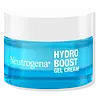 Key Ingredients
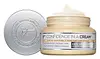
Benefits
Concerns
Ingredients Side-by-side
Water
Skin ConditioningGlycerin
Humectant


Dimethicone
Emollient
Cetearyl Olivate

Sorbitan Olivate
Emulsifying
Sodium Hyaluronate
Humectant


Serine
Masking
Glycine
Buffering
Alanine
Masking
Threonine
Arginine
Masking
Proline
Skin Conditioning
Lysine Hcl
Skin Conditioning
Glutamic Acid
Humectant
Sodium PCA
Humectant
PCA
Humectant
Sodium Lactate
Buffering
Urea
Buffering

Sodium Chloride
MaskingCitric Acid
Buffering


Betaine
Humectant
Allantoin
Skin Conditioning
Fructose
Humectant
Maltose
MaskingTrehalose
Humectant
Glucose
Humectant
Pentylene Glycol
Skin Conditioning
Synthetic Beeswax
Emulsion Stabilising
Polyacrylate Crosspolymer-6
Emulsion StabilisingDimethicone Crosspolymer
Emulsion Stabilising
Dimethiconol
Emollient
Ethylhexylglycerin
Skin ConditioningCaprylyl Glycol
Emollient
Sodium Hydroxide
BufferingWater, Glycerin, Dimethicone, Cetearyl Olivate, Sorbitan Olivate, Sodium Hyaluronate, Serine, Glycine, Alanine, Threonine, Arginine, Proline, Lysine Hcl, Glutamic Acid, Sodium PCA, PCA, Sodium Lactate, Urea, Sodium Chloride, Citric Acid, Betaine, Allantoin, Fructose, Maltose, Trehalose, Glucose, Pentylene Glycol, Synthetic Beeswax, Polyacrylate Crosspolymer-6, Dimethicone Crosspolymer, Dimethiconol, Ethylhexylglycerin, Caprylyl Glycol, Sodium Hydroxide
Water
Skin ConditioningButylene Glycol
Humectant
Cyclopentasiloxane
Emollient
Glycerin
Humectant
Butylene Glycol Dicaprylate/Dicaprate
EmollientEthylhexyl Isononanoate
EmollientHydrogenated Polyisobutene
EmollientCaprylic/Capric/Myristic/Stearic Triglyceride
EmollientGlyceryl Stearate
Emollient
PEG-100 Stearate
Surfactant
Polyglyceryl-3 Methylglucose Distearate
Emulsifying
Stearyl Behenate
Emollient
Dimethicone
Emollient
Pentaerythrityl Tetraethylhexanoate
Emollient
Biosaccharide Gum-1
Humectant
Dimethicone/Vinyl Dimethicone Crosspolymer
Skin Conditioning
Cetearyl Alcohol
Emollient


Palmitic Acid
Emollient
Stearic Acid
Cleansing
Polyethylene
Abrasive

PEG/PPG-20/15 Dimethicone
Emulsifying
Phenyl Methicone
Emollient
Portulaca Oleracea Extract
Skin Conditioning
Cocos Nucifera Oil
Masking

Aloe Barbadensis Leaf Extract
Emollient
Butyrospermum Parkii Butter
Skin Conditioning
Hydroxyethyl Acrylate/Sodium Acryloyldimethyl Taurate Copolymer
Emulsion StabilisingSodium Hyaluronate
Humectant
Hydrogenated Lecithin
Emulsifying
Polyquaternium-51
Skin Conditioning
Niacinamide
Smoothing




Hydrolyzed Collagen
Emollient
Camellia Sinensis Leaf Extract
Antimicrobial
Tocopheryl Acetate
Antioxidant
Carbomer
Emulsion StabilisingPEG-150 Distearate
Emulsifying
Ceramide AP
Skin Conditioning
Glycosphingolipids
EmollientGlyceryl Polymethacrylate
Meadowfoam Estolide
Skin ConditioningSorbitan Isostearate
Emulsifying
Squalane
Emollient
Palmitoyl Pentapeptide-4
Skin Conditioning
Polysorbate 20
Emulsifying
Steareth-20
CleansingN-Hydroxysuccinimide
Skin ConditioningChrysin
Skin ConditioningPalmitoyl Tripeptide-1
Skin Conditioning
Palmitoyl Tetrapeptide-7
Skin Conditioning
Polysorbate 60
Emulsifying
Aleuritic Acid
Skin ConditioningYeast Extract
Skin ConditioningGlycoproteins
Skin Conditioning
Betaine
Humectant
Hydrogenated Polydecene
EmollientCeramide NP
Skin Conditioning
Allantoin
Skin Conditioning
Colloidal Oatmeal
Absorbent
Retinyl Retinoate
Skin Conditioning
Polylactic Acid
Abrasive
Canola Oil
Emollient
Cholesteryl Nonanoate
EmollientAscorbyl Tetraisopalmitate
Antioxidant
Glycyrrhiza Glabra Root Extract
Bleaching
Chamomilla Recutita Flower Water
MaskingCurcuma Longa Root Extract
Masking
Leuconostoc/Radish Root Ferment Filtrate
Antimicrobial
Eruca Sativa Leaf Extract
Skin ConditioningGlyceryl Citrate/Lactate/Linoleate/Oleate
Emulsifying
Ceteareth-20
CleansingHydroxypropyl Bispalmitamide Mea
Emollient
Glycine Soja Sterols
Emollient
Melaleuca Alternifolia Leaf Oil
Antioxidant
Phytosteryl/Isostearyl/Cetyl/Stearyl/Behenyl Dimer Dilinoleate
Skin Conditioning
Santalum Album Oil
Masking

Chamomilla Recutita Flower Oil
Masking
Caprylhydroxamic Acid
Cetearyl Glucoside
Emulsifying
Glucose
Humectant
Stearyl Stearate
Emollient
Tromethamine
BufferingCitric Acid
Buffering
1,2-Hexanediol
Skin Conditioning
Chlorhexidine Digluconate
Antimicrobial
Potassium Sorbate
Preservative
Dipropylene Glycol
HumectantLavandula Angustifolia Oil
Masking
Citrus Paradisi Peel Oil
Masking
Cymbopogon Citratus Leaf Oil
Masking
Pelargonium Graveolens Oil
Masking
Citrus Aurantium Dulcis Peel Oil
Masking
Pogostemon Cablin Leaf Oil
Masking
Citrus Aurantium Bergamia Fruit Oil
Masking
Ethylhexylglycerin
Skin ConditioningCaramel
Cosmetic ColorantDisodium EDTA
Phenoxyethanol
Preservative
Caprylyl Glycol
Emollient
Limonene
Perfuming
Linalool
Perfuming
Water, Butylene Glycol, Cyclopentasiloxane, Glycerin, Butylene Glycol Dicaprylate/Dicaprate, Ethylhexyl Isononanoate, Hydrogenated Polyisobutene, Caprylic/Capric/Myristic/Stearic Triglyceride, Glyceryl Stearate, PEG-100 Stearate, Polyglyceryl-3 Methylglucose Distearate, Stearyl Behenate, Dimethicone, Pentaerythrityl Tetraethylhexanoate, Biosaccharide Gum-1, Dimethicone/Vinyl Dimethicone Crosspolymer, Cetearyl Alcohol, Palmitic Acid, Stearic Acid, Polyethylene, PEG/PPG-20/15 Dimethicone, Phenyl Methicone, Portulaca Oleracea Extract, Cocos Nucifera Oil, Aloe Barbadensis Leaf Extract, Butyrospermum Parkii Butter, Hydroxyethyl Acrylate/Sodium Acryloyldimethyl Taurate Copolymer, Sodium Hyaluronate, Hydrogenated Lecithin, Polyquaternium-51, Niacinamide, Hydrolyzed Collagen, Camellia Sinensis Leaf Extract, Tocopheryl Acetate, Carbomer, PEG-150 Distearate, Ceramide AP, Glycosphingolipids, Glyceryl Polymethacrylate, Meadowfoam Estolide, Sorbitan Isostearate, Squalane, Palmitoyl Pentapeptide-4, Polysorbate 20, Steareth-20, N-Hydroxysuccinimide, Chrysin, Palmitoyl Tripeptide-1, Palmitoyl Tetrapeptide-7, Polysorbate 60, Aleuritic Acid, Yeast Extract, Glycoproteins, Betaine, Hydrogenated Polydecene, Ceramide NP, Allantoin, Colloidal Oatmeal, Retinyl Retinoate, Polylactic Acid, Canola Oil, Cholesteryl Nonanoate, Ascorbyl Tetraisopalmitate, Glycyrrhiza Glabra Root Extract, Chamomilla Recutita Flower Water, Curcuma Longa Root Extract, Leuconostoc/Radish Root Ferment Filtrate, Eruca Sativa Leaf Extract, Glyceryl Citrate/Lactate/Linoleate/Oleate, Ceteareth-20, Hydroxypropyl Bispalmitamide Mea, Glycine Soja Sterols, Melaleuca Alternifolia Leaf Oil, Phytosteryl/Isostearyl/Cetyl/Stearyl/Behenyl Dimer Dilinoleate, Santalum Album Oil, Chamomilla Recutita Flower Oil, Caprylhydroxamic Acid, Cetearyl Glucoside, Glucose, Stearyl Stearate, Tromethamine, Citric Acid, 1,2-Hexanediol, Chlorhexidine Digluconate, Potassium Sorbate, Dipropylene Glycol, Lavandula Angustifolia Oil, Citrus Paradisi Peel Oil, Cymbopogon Citratus Leaf Oil, Pelargonium Graveolens Oil, Citrus Aurantium Dulcis Peel Oil, Pogostemon Cablin Leaf Oil, Citrus Aurantium Bergamia Fruit Oil, Ethylhexylglycerin, Caramel, Disodium EDTA, Phenoxyethanol, Caprylyl Glycol, Limonene, Linalool
Reviews
Ingredients Explained
These ingredients are found in both products.
Ingredients higher up in an ingredient list are typically present in a larger amount.
Allantoin is a soothing ingredient known for its protective and moisturizing properties; it's basically a quiet workhorse ingredient you can find in a huge range of cosmetics.
Though it can be derived from the comfrey plant, allantoin is produced synthetically for cosmetic products to ensure purity.
Research shows it can encourage your skin cells to turn over and renew by stimulating keratinocyte and fibroblast proliferation.
It also has mild keratolytic properties to help loosen and shed dead skin cells without being harsh.
Studies also suggest allantoin can help calm inflammation by dialing down some of the chemical signals your skin sends out when it is irritated.
This ingredient is typically used in the 0.1-0.5% range, and the FDA recognizes it as a skin protectant in OTC products up to 2%.
Overall, allantoin is a wonderful addition to most routines; it is stable across a wide pH range (~4-8), works well with other ingredients, and is considered non-sensitizing/non-irritating.
Fun fact: Allantoin is naturally occurring in comfrey root, beets, chamomile, and wheat sprouts. Our bodies even produce it as a byproduct of uric acid metabolism.
Learn more about AllantoinBetaine is a humectant. Like hyaluronic acid, it helps attract and retain moisture in the skin. It’s known for being gentle and for helping the skin maintain balanced hydration.
Betaine is mainly used to improve hydration and support calmer skin. It helps skin cells regulate water balance because it functions as an osmolyte.
Some studies suggest betaine may support making skin tone more even.
Fun fact: Betaine naturally exists in the skin and the body. In cosmetic products, it can be either plant-derived (most commonly from sugar beets) or synthetically produced for consistency and stability.
Betaine is also known as trimethylglycine.
Learn more about BetaineCaprylyl Glycol is a humectant, skin conditioner, emollient, and preservative booster derived from either caprylic acid or synthetically created.
Typical use levels vary from 0.3-1% as a preservative booster and go up to 2% to condition skin.
Because it is not a free-fatty acid, this ingredient is fungal acne safe (there's nothing for Malassezia to feed on).
Learn more about Caprylyl GlycolCitric Acid is an alpha hydroxy acid (AHA) naturally found in citrus fruits like oranges, lemons, and limes.
Like other AHAs, citric acid can exfoliate skin by breaking down the bonds that hold dead skin cells together. This helps reveal smoother and brighter skin underneath.
However, this exfoliating effect only happens at high concentrations (20%) which can be hard to find in cosmetic products.
Due to this, citric acid is usually included in small amounts as a pH adjuster. This helps keep products slightly more acidic and compatible with skin's natural pH.
In skincare formulas, citric acid can:
While it can provide some skin benefits, research shows lactic acid and glycolic acid are generally more effective and less irritating exfoliants.
Most citric acid used in skincare today is made by fermenting sugars (usually from molasses). This synthetic version is identical to the natural citrus form but easier to stabilize and use in formulations.
Read more about some other popular AHA's here:
Learn more about Citric AcidDimethicone is a type of synthetic silicone created from natural materials such as quartz. It is also known as polydimethylsiloxane.
What it does:
Dimethicone comes in different viscosities:
Depending on the viscosity, dimethicone has different properties.
Ingredients lists don't always show which type is used, so we recommend reaching out to the brand if you have questions about the viscosity.
This ingredient is unlikely to cause irritation because it does not get absorbed into skin. However, people with silicone allergies should be careful about using this ingredient.
Note: Dimethicone may contribute to pilling. This is because it is not oil or water soluble, so pilling may occur when layered with products. When mixed with heavy oils in a formula, the outcome is also quite greasy.
Learn more about DimethiconeEthylhexylglycerin is created from glycerin. It is a multitasker ingredient that:
The CIR Expert Panel found minimal skin absorption or sensitization of any kind in a safety assessment. Though this ingredient is considered well-tolerated, a small number of cases of allergic dermatitis have been published since 2002. Just be sure to patch test if you are unsure.
Industry-reported use ranges from 8% in rinse-off products and 2% in leave-on formulations.
Learn more about EthylhexylglycerinGlucose is a simple sugar (a monosaccharide). In skincare, it is mostly a humectant and skin conditioning agent.
Mechanistically, it has multiple hydroxyl groups that hydrogen-bond to water. This pulls moisture into the upper layers of skin to keep the surface soft and hydrated.
It's worth knowing sugars are already a natural component of the skin's NMF (natural moisturizing factor) so it's a molecule that your stratum corneum is well-acquainted with.
Just so you know, glucose is hydrophilic (water-loving) and the stratum corneum is a strong barrier to hydrophilic compounds. This just means penetration is slow and most of the action is happening on the surface.
Gram-to-gram, glucose is not as efficient as a humectant as glycerin. This is why you'll likely see glycose paired with stronger humectants for a bigger hydration payoff.
In skincare, glucose is typically derived from corn or other starch sources.
Learn more about GlucoseGlycerin (or glycerol) is a compound naturally found in your skin. It's a powerhouse humectant that pulls water into the stratum corneum.
Topically, glycerin does several things at once:
Your skin makes glycerin on its own (mostly from sebaceous oil breakdown) and shuttles it to your outermost layer of skin, or your epidermis, via aquaporin-3.
Aquaporin-3 is a transporter that is essential for normal skin hydration, elasticity, and repair. Interestingly, mice lacking in AQP3 have dry and less elastic skin that can be fully corrected with glycerin.
This ingredient is non-irritating, plays well with almost every ingredient, and works across all skin types. Typical use is anywhere between 3-10% but can go up to 79% in some leave-on products.
Just know very high concentrations (>40%) can feel tacky in low humidity.
Glycerin is the name for this ingredient in American English. British English uses Glycerol/Glycerine.
Learn more about GlycerinSodium Hyaluronate is the salt form of hyaluronic acid. It is a long sugar chain that is naturally found in your skin, joints, and connective tissue that maintains hydration and elasticity.
In skincare, it works as a humectant. It pulls water from the environment and deeper layers of skin and binds it to the surface.
Interestingly, the size of the molecule affects its behavior:
Some clinical evidence links low molecular weight versions to improved wrinkle depth, elasticity, anti-inflammatory effects, and barrier repair.
Many serums use a blend of both weights so you can get surface hydration plus longer-lasting and deeper effects.
You'll typically see concentrations between 0.1-2% for this ingredient.
Learn more about Sodium HyaluronateWater. It's the most common cosmetic ingredient of all. You'll usually see it at the top of ingredient lists, meaning that it makes up the largest part of the product.
So why is it so popular? Water most often acts as a solvent - this means that it helps dissolve other ingredients into the formulation.
You'll also recognize water as that liquid we all need to stay alive. If you see this, drink a glass of water. Remember to stay hydrated!
Learn more about Water
