

What's inside
What's inside
 Key Ingredients
Benefits
Concerns
Ingredients Side-by-side
Water
Skin ConditioningMyristic Acid
Cleansing

Glycerin
Humectant



Stearic Acid
Cleansing
Potassium Hydroxide
BufferingPropylene Glycol
Humectant

Lauric Acid
Cleansing
Glycol Distearate
Emollient
Glyceryl Stearate Se
Emulsifying
Coco-Glucoside
CleansingButylene Glycol
Humectant
Cetearyl Alcohol
Emollient
Centella Asiatica Extract
Cleansing


Collagen
Moisturising
Soluble Collagen
Humectant
Collagen Amino Acids
Moisturising
Hydrolyzed Collagen
Emollient
Collagen Extract
Skin Conditioning
Origanum Vulgare Leaf Extract
Skin ConditioningChamaecyparis Obtusa Leaf Extract
Skin ConditioningSalix Alba Bark Extract
Astringent
Lactobacillus/Soybean Ferment Extract
Skin ConditioningPortulaca Oleracea Extract
Skin Conditioning
Cinnamomum Cassia Bark Extract
Masking
Scutellaria Baicalensis Root Extract
AstringentPanicum Miliaceum Seed Extract
Skin ConditioningLavandula Angustifolia Oil
Masking



Citrus Aurantium Bergamia Fruit Oil
Masking
Pelargonium Graveolens Flower Oil
Masking
Salvia Sclarea Oil
Masking
Citrus Limon Peel Oil
Masking
Juniperus Virginiana Oil
Masking
Panthenol
Skin Conditioning
Sodium Hyaluronate
Humectant
Biosaccharide Gum-4
Skin Conditioning
Asiatic Acid
Skin ConditioningAsiaticoside
Antioxidant
Madecassic Acid
Skin Conditioning
Madecassoside
Antioxidant
Glycine
Buffering
Serine
Masking
Glutamic Acid
Humectant
Aspartic Acid
Masking
Leucine
Skin ConditioningAlanine
MaskingLysine
Skin ConditioningArginine
Masking
Tyrosine
MaskingPhenylalanine
Masking
Valine
MaskingThreonine
Proline
Skin ConditioningIsoleucine
Skin ConditioningHistidine
Humectant
Methionine
Skin ConditioningCysteine
Antioxidant
Tannic Acid
AstringentCitric Acid
Buffering


Caprylic/Capric Triglyceride
Masking
Hydrogenated Phosphatidylcholine
EmulsifyingSucrose Stearate
EmollientDisodium EDTA
Lactose
HumectantCellulose
AbsorbentAscorbyl Palmitate
Antioxidant
Tocopheryl Acetate
Antioxidant
Hydroxypropyl Methylcellulose
Emulsion StabilisingJojoba Esters
Emollient
1,2-Hexanediol
Skin Conditioning
Potassium Sorbate
Preservative
CI 77289
Cosmetic ColorantLinalool
Perfuming
Limonene
Perfuming
Citronellol
Perfuming
Geraniol
Perfuming
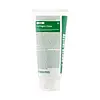
Water, Myristic Acid, Glycerin, Stearic Acid, Potassium Hydroxide, Propylene Glycol, Lauric Acid, Glycol Distearate, Glyceryl Stearate Se, Coco-Glucoside, Butylene Glycol, Cetearyl Alcohol, Centella Asiatica Extract, Collagen, Soluble Collagen, Collagen Amino Acids, Hydrolyzed Collagen, Collagen Extract, Origanum Vulgare Leaf Extract, Chamaecyparis Obtusa Leaf Extract, Salix Alba Bark Extract, Lactobacillus/Soybean Ferment Extract, Portulaca Oleracea Extract, Cinnamomum Cassia Bark Extract, Scutellaria Baicalensis Root Extract, Panicum Miliaceum Seed Extract, Lavandula Angustifolia Oil, Citrus Aurantium Bergamia Fruit Oil, Pelargonium Graveolens Flower Oil, Salvia Sclarea Oil, Citrus Limon Peel Oil, Juniperus Virginiana Oil, Panthenol, Sodium Hyaluronate, Biosaccharide Gum-4, Asiatic Acid, Asiaticoside, Madecassic Acid, Madecassoside, Glycine, Serine, Glutamic Acid, Aspartic Acid, Leucine, Alanine, Lysine, Arginine, Tyrosine, Phenylalanine, Valine, Threonine, Proline, Isoleucine, Histidine, Methionine, Cysteine, Tannic Acid, Citric Acid, Caprylic/Capric Triglyceride, Hydrogenated Phosphatidylcholine, Sucrose Stearate, Disodium EDTA, Lactose, Cellulose, Ascorbyl Palmitate, Tocopheryl Acetate, Hydroxypropyl Methylcellulose, Jojoba Esters, 1,2-Hexanediol, Potassium Sorbate, CI 77289, Linalool, Limonene, Citronellol, Geraniol
Titanium Dioxide 9%
Cosmetic Colorant

Zinc Oxide 6.3%
Cosmetic Colorant
Water
Skin ConditioningPhenyl Trimethicone
Skin Conditioning
Dimethicone
Emollient
Butylene Glycol
Humectant
Butylene Glycol Dicaprylate/Dicaprate
EmollientOrbignya Oleifera Seed Oil
Emollient
Butyloctyl Salicylate
Skin Conditioning
Cetyl PEG/PPG-10/1 Dimethicone
Emulsifying
Cyclopentasiloxane
Emollient
Snail Secretion Filtrate
Skin Conditioning
Aluminum Hydroxide
EmollientMagnesium Sulfate
Polyglyceryl-4 Isostearate
Emulsifying
Stearic Acid
Cleansing
Cyclohexasiloxane
Emollient
Dimethicone/Vinyl Dimethicone Crosspolymer
Skin Conditioning
Hexyl Laurate
Emollient
Calcium Stearate
Cosmetic ColorantTriethoxycaprylylsilane
Caprylyl Glycol
Emollient
Ethyl Hexanediol
SolventEthylhexylglycerin
Skin ConditioningLimonene
Perfuming
Citrus Limon Peel Oil
Masking
Sorbitan Isostearate
Emulsifying
Tocopheryl Acetate
Antioxidant
Phenoxyethanol
Preservative
Citrus Aurantium Bergamia Fruit Oil
Masking
1,2-Hexanediol
Skin Conditioning
Adenosine
Skin Conditioning
Citrus Aurantium Dulcis Peel Oil
Masking
Citrus Aurantifolia Oil
Cleansing
Pinus Sylvestris Leaf Oil
Masking
Linalool
Perfuming
Eucalyptus Globulus Leaf Oil
Perfuming
Glycerin
Humectant
Citral
Perfuming
Niacinamide
Smoothing

Hyaluronic Acid
Humectant
Colloidal Oatmeal
Absorbent
Hydrolyzed Collagen
Emollient
Steareth-20
CleansingPentaerythrityl Tetra-Di-T-Butyl Hydroxyhydrocinnamate
Antioxidant
Camellia Sinensis Leaf Extract
Antimicrobial
Olea Europaea Leaf Extract
Perfuming
Chlorhexidine Digluconate
Antimicrobial
N-Hydroxysuccinimide
Skin ConditioningSilk Extract
Skin ConditioningHydrolyzed Silk
Humectant
Sodium Citrate
BufferingPotassium Sorbate
Preservative
Palmitoyl Tripeptide-1
Skin Conditioning
Chrysin
Skin ConditioningPalmitoyl Tetrapeptide-7
Skin Conditioning
Citric Acid
Buffering
Biotin
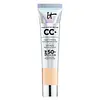
AntiseborrhoeicTitanium Dioxide 9%, Zinc Oxide 6.3%, Water, Phenyl Trimethicone, Dimethicone, Butylene Glycol, Butylene Glycol Dicaprylate/Dicaprate, Orbignya Oleifera Seed Oil, Butyloctyl Salicylate, Cetyl PEG/PPG-10/1 Dimethicone, Cyclopentasiloxane, Snail Secretion Filtrate, Aluminum Hydroxide, Magnesium Sulfate, Polyglyceryl-4 Isostearate, Stearic Acid, Cyclohexasiloxane, Dimethicone/Vinyl Dimethicone Crosspolymer, Hexyl Laurate, Calcium Stearate, Triethoxycaprylylsilane, Caprylyl Glycol, Ethyl Hexanediol, Ethylhexylglycerin, Limonene, Citrus Limon Peel Oil, Sorbitan Isostearate, Tocopheryl Acetate, Phenoxyethanol, Citrus Aurantium Bergamia Fruit Oil, 1,2-Hexanediol, Adenosine, Citrus Aurantium Dulcis Peel Oil, Citrus Aurantifolia Oil, Pinus Sylvestris Leaf Oil, Linalool, Eucalyptus Globulus Leaf Oil, Glycerin, Citral, Niacinamide, Hyaluronic Acid, Colloidal Oatmeal, Hydrolyzed Collagen, Steareth-20, Pentaerythrityl Tetra-Di-T-Butyl Hydroxyhydrocinnamate, Camellia Sinensis Leaf Extract, Olea Europaea Leaf Extract, Chlorhexidine Digluconate, N-Hydroxysuccinimide, Silk Extract, Hydrolyzed Silk, Sodium Citrate, Potassium Sorbate, Palmitoyl Tripeptide-1, Chrysin, Palmitoyl Tetrapeptide-7, Citric Acid, Biotin
Reviews
Ingredients Explained
These ingredients are found in both products.
Ingredients higher up in an ingredient list are typically present in a larger amount.
1,2-Hexanediol is a synthetic liquid and another multi-functional powerhouse.
It is a:
- Humectant, drawing moisture into the skin
- Emollient, helping to soften skin
- Solvent, dispersing and stabilizing formulas
- Preservative booster, enhancing the antimicrobial activity of other preservatives
Butylene Glycol (or BG) is used within cosmetic products for a few different reasons:
Overall, Butylene Glycol is a safe and well-rounded ingredient that works well with other ingredients.
Though this ingredient works well with most skin types, some people with sensitive skin may experience a reaction such as allergic rashes, closed comedones, or itchiness.
Learn more about Butylene GlycolCitric Acid is an alpha hydroxy acid (AHA) naturally found in citrus fruits like oranges, lemons, and limes.
Like other AHAs, citric acid can exfoliate skin by breaking down the bonds that hold dead skin cells together. This helps reveal smoother and brighter skin underneath.
However, this exfoliating effect only happens at high concentrations (20%) which can be hard to find in cosmetic products.
Due to this, citric acid is usually included in small amounts as a pH adjuster. This helps keep products slightly more acidic and compatible with skin's natural pH.
In skincare formulas, citric acid can:
While it can provide some skin benefits, research shows lactic acid and glycolic acid are generally more effective and less irritating exfoliants.
Most citric acid used in skincare today is made by fermenting sugars (usually from molasses). This synthetic version is identical to the natural citrus form but easier to stabilize and use in formulations.
Read more about some other popular AHA's here:
Learn more about Citric AcidCitrus Aurantium Bergamia Fruit Oil is the oil from the bergamot orange. It is native to Italy.
This ingredient is used to add fragrance to products. It contains limonene, linalool, and linalyl acetate.
The term 'fragrance' is not regulated in many countries. In many cases, it is up to the brand to define this term. For instance, many brands choose to label themselves as "fragrance-free" because they are not using synthetic fragrances. However, their products may still contain ingredients such as essential oils that are considered a fragrance.
When used topically, Citrus Aurantium Bergamia Fruit Oil is a photosensitizer due to its furanocoumarins. Photosensitizers make the skin and eyes much more sensitive to sunlight. Photosensitizers are linked to skin cancer.
However, more cosmetics using Citrus Aurantium Bergamia Fruit Oil are removing the furanocoumarins.
Bergamot oil was also found to have anti-inflammatory, antibacterial and antifungal properties.
Learn more about Citrus Aurantium Bergamia Fruit OilCitrus Limon Peel Oil is created from the peels of the lemon. It is used to add a lemon-scent to products. Lemon peel oil also has antibacterial, antifungal, and antioxidant properties. However, it may also cause phototoxicity and sensitize skin.
Lemon peel oil contains limonene, a skin sensitizing ingredient. Another component is furanocoumarin, which induces phototoxicity in skin.
Furanocoumarins bind and destabilize your DNA to increase the rate of sunburn.
Most reputable companies will remove furanocoumarins from their formulations.
Learn more about Citrus Limon Peel OilGlycerin is already naturally found in your skin. It helps moisturize and protect your skin.
A study from 2016 found glycerin to be more effective as a humectant than AHAs and hyaluronic acid.
As a humectant, it helps the skin stay hydrated by pulling moisture to your skin. The low molecular weight of glycerin allows it to pull moisture into the deeper layers of your skin.
Hydrated skin improves your skin barrier; Your skin barrier helps protect against irritants and bacteria.
Glycerin has also been found to have antimicrobial and antiviral properties. Due to these properties, glycerin is often used in wound and burn treatments.
In cosmetics, glycerin is usually derived from plants such as soybean or palm. However, it can also be sourced from animals, such as tallow or animal fat.
This ingredient is organic, colorless, odorless, and non-toxic.
Glycerin is the name for this ingredient in American English. British English uses Glycerol/Glycerine.
Learn more about GlycerinHydrolyzed collagen has a misleading name because it is actually a mixture of various proteins/peptides. This ingredient has skin hydrating properties.
Collagen is the most abundant type of structural protein found in your body. In your skin, it is responsible for keeping it firm and youthful.
Hydrolyzed Collagen is created by breaking up proteins into smaller peptide bonds. These peptides act as humectants and emollients.
Humectants are great at holding onto water, keeping skin hydrated. Emollients create a thin barrier on the skin to prevent moisture from escaping.
There is ongoing debate about whether hydrolyzed collagen works because it increases skin hydration. Skin hydration is also linked to elasticity and the appearance of wrinkles.
Collagen or peptide ingredients can be used in the morning or night. They will not increase sun sensitivity, but you should always wear sunscreen during the day.
According to a manufacturer, this ingredient is a great hair conditioner as well.
This ingredient can be extracted from different sources, including:
Vegan collagen is derived from yeast, bacteria, or plant sources. Vegan collagen would go by a different INCI name, such as hydrolyzed soy protein.
The results are varied.
A study from 2021 found hydrolyzed collagen increased elasticity and improved wrinkles in 1,125 participants between age 20 and 70. Another study found increased skin thickness in participants between the ages of 45 to 59.
However, It is difficult to prove that oral collagen will end up working on your skin. Many of the studies using hydrolyzed collagen also add several vitamins and nutrients into the test mixture as well.
Further studies are needed at this time.
Learn more about Hydrolyzed CollagenLimonene is a fragrance that adds scent and taste to a formulation.
It's found in the peel oil of citrus fruits and other plants such as lavender and eucalyptus. The scent of limonene is generally described as "sweet citrus".
Limonene acts as an antioxidant, meaning it helps neutralize free radicals.
When exposed to air, oxidized limonene may sensitize the skin. Because of this, limonene is often avoided by people with sensitive skin.
The term 'fragrance' is not regulated in many countries. In many cases, it is up to the brand to define this term. For instance, many brands choose to label themselves as "fragrance-free" because they are not using synthetic fragrances. However, their products may still contain ingredients such as essential oils that are considered a fragrance.
Learn more about LimoneneLinalool is a fragrance and helps add scent to products. It's derived from common plants such as cinnamon, mint, citrus, and lavender.
Like Limonene, this ingredient oxidizes when exposed to air. Oxidized linalool can cause allergies and skin sensitivity.
This ingredient has a scent that is floral, spicy tropical, and citrus-like.
Learn more about LinaloolPotassium Sorbate is a preservative used to prevent yeast and mold in products. It is commonly found in both cosmetic and food products.
This ingredient comes from potassium salt derived from sorbic acid. Sorbic acid is a natural antibiotic and effective against fungus.
Both potassium sorbate and sorbic acid can be found in baked goods, cheeses, dried meats, dried fruit, ice cream, pickles, wine, yogurt, and more.
You'll often find this ingredient used with other preservatives.
Learn more about Potassium SorbateStearic Acid is a fatty acid. It is an emollient, emulsifier, and texture enhancer.
As an emollient, stearic acid helps soften skin. It aids the skin's protective barrier by preventing water loss. It also provides a gentle cleansing effect without stripping away natural oils.
Stearic acid may also be used to enhance the texture of products. It can add volume and stabilize ingredients such as water and oil. This can help water and oil ingredients from separating.
Sources of stearic acid include animal or vegetable fats/oils such as coconut or shea. It can be naturally found in butter, cocoa butter, shea butter, vegetable fats, and animal tallow.
This ingredient may not be Malassezia folliculitis, or fungal-acne safe.
Learn more about Stearic AcidTocopheryl Acetate is AKA Vitamin E. It is an antioxidant and protects your skin from free radicals. Free radicals damage the skin by breaking down collagen.
One study found using Tocopheryl Acetate with Vitamin C decreased the number of sunburned cells.
Tocopheryl Acetate is commonly found in both skincare and dietary supplements.
Learn more about Tocopheryl AcetateWater. It's the most common cosmetic ingredient of all. You'll usually see it at the top of ingredient lists, meaning that it makes up the largest part of the product.
So why is it so popular? Water most often acts as a solvent - this means that it helps dissolve other ingredients into the formulation.
You'll also recognize water as that liquid we all need to stay alive. If you see this, drink a glass of water. Stay hydrated!
Learn more about Water
