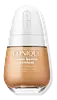
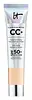
Clinique Even Better Clinical Serum Foundation Broad Spectrum SPF 25 Versus IT Cosmetics CC+ Cream With SPF 50+

What's inside
What's inside
 Key Ingredients
Benefits
Concerns
Ingredients Side-by-side
Dimethicone
Emollient

Water
Skin ConditioningPEG-10 Dimethicone
Skin Conditioning
Butylene Glycol
Humectant

Vinyl Dimethicone/Methicone Silsesquioxane Crosspolymer

Phenyl Trimethicone
Skin Conditioning
Isododecane
EmollientButyloctyl Salicylate
Skin Conditioning
Isodecyl Isononanoate
EmollientLauryl PEG-9 Polydimethylsiloxyethyl Dimethicone
Skin Conditioning
Alcohol Denat.
Antimicrobial




Dimethicone/Vinyl Dimethicone Crosspolymer
Skin Conditioning
Hydrated Silica
Abrasive
Ascorbyl Glucoside
Antioxidant


Tetrahexyldecyl Ascorbate
Antioxidant


Magnesium Ascorbyl Phosphate
Antioxidant
Sodium Hyaluronate
Humectant

Tocopheryl Acetate
Antioxidant
Laminaria Saccharina Extract
Skin ProtectingPolygala Senega Root Extract
RefreshingBerberis Vulgaris Bark Extract
Skin ConditioningNymphaea Alba Root Extract
Skin ConditioningCamellia Sinensis Leaf Extract
Antimicrobial
Salvia Hispanica Seed Extract
EmollientMolasses Extract
Skin ConditioningDimethoxytolyl Propylresorcinol
Antioxidant
Caffeine
Skin Conditioning
Niacinamide
Smoothing


Salicylic Acid
Masking

Linoleic Acid
Cleansing
Tocopherol
Antioxidant
Lactoperoxidase
StabilisingGlucose Oxidase
StabilisingLactobacillus Ferment
Skin Conditioning
Glycyrrhetinic Acid
Skin Conditioning
Cholesterol
Emollient
Jojoba Esters
Emollient
Glucose
Humectant
Polysilicone-11
Laureth-7
EmulsifyingTrimethylsiloxysilicate
Emollient
Sorbitan Sesquioleate
Emulsifying
Lecithin
Emollient
Xanthan Gum
EmulsifyingSilica
Abrasive
Caprylyl Glycol
Emollient
Dimethicone/PEG-10/15 Crosspolymer
Disteardimonium Hectorite
StabilisingTriethoxycaprylylsilane
Alumina
Abrasive
Propylene Carbonate
SolventDipropylene Glycol
HumectantSodium Chloride
MaskingSodium Hydroxide
BufferingCitric Acid
Buffering
Potassium Phosphate
BufferingTetrasodium EDTA
Sodium Citrate
BufferingPotassium Sorbate
Preservative
Phenoxyethanol
Preservative
Mica
Cosmetic ColorantCI 77891
Cosmetic ColorantCI 77491
Cosmetic ColorantCI 77492
Cosmetic ColorantCI 77499
Cosmetic ColorantDimethicone, Water, PEG-10 Dimethicone, Butylene Glycol, Vinyl Dimethicone/Methicone Silsesquioxane Crosspolymer, Phenyl Trimethicone, Isododecane, Butyloctyl Salicylate, Isodecyl Isononanoate, Lauryl PEG-9 Polydimethylsiloxyethyl Dimethicone, Alcohol Denat., Dimethicone/Vinyl Dimethicone Crosspolymer, Hydrated Silica, Ascorbyl Glucoside, Tetrahexyldecyl Ascorbate, Magnesium Ascorbyl Phosphate, Sodium Hyaluronate, Tocopheryl Acetate, Laminaria Saccharina Extract, Polygala Senega Root Extract, Berberis Vulgaris Bark Extract, Nymphaea Alba Root Extract, Camellia Sinensis Leaf Extract, Salvia Hispanica Seed Extract, Molasses Extract, Dimethoxytolyl Propylresorcinol, Caffeine, Niacinamide, Salicylic Acid, Linoleic Acid, Tocopherol, Lactoperoxidase, Glucose Oxidase, Lactobacillus Ferment, Glycyrrhetinic Acid, Cholesterol, Jojoba Esters, Glucose, Polysilicone-11, Laureth-7, Trimethylsiloxysilicate, Sorbitan Sesquioleate, Lecithin, Xanthan Gum, Silica, Caprylyl Glycol, Dimethicone/PEG-10/15 Crosspolymer, Disteardimonium Hectorite, Triethoxycaprylylsilane, Alumina, Propylene Carbonate, Dipropylene Glycol, Sodium Chloride, Sodium Hydroxide, Citric Acid, Potassium Phosphate, Tetrasodium EDTA, Sodium Citrate, Potassium Sorbate, Phenoxyethanol, Mica, CI 77891, CI 77491, CI 77492, CI 77499
Titanium Dioxide 9%
Cosmetic Colorant
Zinc Oxide 6.3%
Cosmetic Colorant
Water
Skin ConditioningPhenyl Trimethicone
Skin Conditioning
Dimethicone
Emollient
Butylene Glycol
Humectant
Butylene Glycol Dicaprylate/Dicaprate
EmollientOrbignya Oleifera Seed Oil
Emollient
Butyloctyl Salicylate
Skin Conditioning
Cetyl PEG/PPG-10/1 Dimethicone
Emulsifying
Cyclopentasiloxane
Emollient
Snail Secretion Filtrate
Skin Conditioning
Aluminum Hydroxide
EmollientMagnesium Sulfate
Polyglyceryl-4 Isostearate
Emulsifying
Stearic Acid
Cleansing
Cyclohexasiloxane
Emollient
Dimethicone/Vinyl Dimethicone Crosspolymer
Skin Conditioning
Hexyl Laurate
Emollient
Calcium Stearate
Cosmetic ColorantTriethoxycaprylylsilane
Caprylyl Glycol
Emollient
Ethyl Hexanediol
SolventEthylhexylglycerin
Skin ConditioningLimonene
Perfuming

Citrus Limon Peel Oil
Masking
Sorbitan Isostearate
Emulsifying
Tocopheryl Acetate
Antioxidant
Phenoxyethanol
Preservative
Citrus Aurantium Bergamia Fruit Oil
Masking
1,2-Hexanediol
Skin Conditioning
Adenosine
Skin Conditioning
Citrus Aurantium Dulcis Peel Oil
Masking
Citrus Aurantifolia Oil
Cleansing
Pinus Sylvestris Leaf Oil
Masking
Linalool
Perfuming
Eucalyptus Globulus Leaf Oil
Perfuming
Glycerin
Humectant
Citral
Perfuming
Niacinamide
Smoothing
Hyaluronic Acid
Humectant
Colloidal Oatmeal
Absorbent
Hydrolyzed Collagen
Emollient
Steareth-20
CleansingPentaerythrityl Tetra-Di-T-Butyl Hydroxyhydrocinnamate
Antioxidant
Camellia Sinensis Leaf Extract
Antimicrobial
Olea Europaea Leaf Extract
Perfuming
Chlorhexidine Digluconate
Antimicrobial
N-Hydroxysuccinimide
Skin ConditioningSilk Extract
Skin ConditioningHydrolyzed Silk
Humectant
Sodium Citrate
BufferingPotassium Sorbate
Preservative
Palmitoyl Tripeptide-1
Skin Conditioning
Chrysin
Skin ConditioningPalmitoyl Tetrapeptide-7
Skin Conditioning
Citric Acid
Buffering
Biotin
AntiseborrhoeicTitanium Dioxide 9%, Zinc Oxide 6.3%, Water, Phenyl Trimethicone, Dimethicone, Butylene Glycol, Butylene Glycol Dicaprylate/Dicaprate, Orbignya Oleifera Seed Oil, Butyloctyl Salicylate, Cetyl PEG/PPG-10/1 Dimethicone, Cyclopentasiloxane, Snail Secretion Filtrate, Aluminum Hydroxide, Magnesium Sulfate, Polyglyceryl-4 Isostearate, Stearic Acid, Cyclohexasiloxane, Dimethicone/Vinyl Dimethicone Crosspolymer, Hexyl Laurate, Calcium Stearate, Triethoxycaprylylsilane, Caprylyl Glycol, Ethyl Hexanediol, Ethylhexylglycerin, Limonene, Citrus Limon Peel Oil, Sorbitan Isostearate, Tocopheryl Acetate, Phenoxyethanol, Citrus Aurantium Bergamia Fruit Oil, 1,2-Hexanediol, Adenosine, Citrus Aurantium Dulcis Peel Oil, Citrus Aurantifolia Oil, Pinus Sylvestris Leaf Oil, Linalool, Eucalyptus Globulus Leaf Oil, Glycerin, Citral, Niacinamide, Hyaluronic Acid, Colloidal Oatmeal, Hydrolyzed Collagen, Steareth-20, Pentaerythrityl Tetra-Di-T-Butyl Hydroxyhydrocinnamate, Camellia Sinensis Leaf Extract, Olea Europaea Leaf Extract, Chlorhexidine Digluconate, N-Hydroxysuccinimide, Silk Extract, Hydrolyzed Silk, Sodium Citrate, Potassium Sorbate, Palmitoyl Tripeptide-1, Chrysin, Palmitoyl Tetrapeptide-7, Citric Acid, Biotin
Reviews
Ingredients Explained
These ingredients are found in both products.
Ingredients higher up in an ingredient list are typically present in a larger amount.
Butylene Glycol (or BG) is used within cosmetic products for a few different reasons:
Overall, Butylene Glycol is a safe and well-rounded ingredient that works well with other ingredients.
Though this ingredient works well with most skin types, some people with sensitive skin may experience a reaction such as allergic rashes, closed comedones, or itchiness.
Learn more about Butylene GlycolButyloctyl Salicylate is a chemical UV filter structurally similar to octisalate. It is a photostabilizer, SPF booster, emollient and solvent. This ingredient helps evenly spread out ingredients.
According to a manufacturer, it is suitable for pairing with micro Titanium Dioxide, Zinc Oxide, and pigments.
Photostabilizers help stabilize UV-filters and prevents them from degrading quickly.
Learn more about Butyloctyl SalicylateCamellia Sinensis Leaf Extract (tea extract) is one of the most well-researched plant extracts in skincare with an impressive resume.
Black tea, green tea, and oolong tea are all harvested from the Camellia Sinensis plant.
Studies show green tea extract and its catechins (like epigallocatechin gallate (EGCG)) help your skin cells product energy more efficiently and reducing the number of free-radicals that can damage your skin from the inside.
In lab-grown skin models, this translated to younger, healthier, and stronger skin.
There's also good sun protection data; researchers saw less DNA damage and redness on human skin when green tea was applied before UVB exposure. And the more they applied, the better the protection.
Needless to say, this ingredient shouldn't replace your sunscreen. But it is a great supportive ingredient that you can already find in many sunscreens and antioxidant serums.
A 2009 study found a 2% green tea lotion was effective for mild-to-moderate acne thanks to its anti-inflammatory and mild antimicrobial activity.
The quality of the extract matters a lot here:
Good extracts contain 50-90% catechins while lower quality ones are mostly there for marketing. We recommend reaching out to the brand if you have questions about the quality or source of their ingredients.
Human Repeated Insult Patch Testing showed no irritation or sensitization at use concentrations (0.86% in leave-on products and up to 30% as leaf water).
Learn more about Camellia Sinensis Leaf ExtractCaprylyl Glycol is a humectant, skin conditioner, emollient, and preservative booster derived from either caprylic acid or synthetically created.
Typical use levels vary from 0.3-1% as a preservative booster and go up to 2% to condition skin.
Because it is not a free-fatty acid, this ingredient is fungal acne safe (there's nothing for Malassezia to feed on).
Learn more about Caprylyl GlycolCitric Acid is an alpha hydroxy acid (AHA) naturally found in citrus fruits like oranges, lemons, and limes.
Like other AHAs, citric acid can exfoliate skin by breaking down the bonds that hold dead skin cells together. This helps reveal smoother and brighter skin underneath.
However, this exfoliating effect only happens at high concentrations (20%) which can be hard to find in cosmetic products.
Due to this, citric acid is usually included in small amounts as a pH adjuster. This helps keep products slightly more acidic and compatible with skin's natural pH.
In skincare formulas, citric acid can:
While it can provide some skin benefits, research shows lactic acid and glycolic acid are generally more effective and less irritating exfoliants.
Most citric acid used in skincare today is made by fermenting sugars (usually from molasses). This synthetic version is identical to the natural citrus form but easier to stabilize and use in formulations.
Read more about some other popular AHA's here:
Learn more about Citric AcidDimethicone is a type of synthetic silicone created from natural materials such as quartz. It is also known as polydimethylsiloxane.
What it does:
Dimethicone comes in different viscosities:
Depending on the viscosity, dimethicone has different properties.
Ingredients lists don't always show which type is used, so we recommend reaching out to the brand if you have questions about the viscosity.
This ingredient is unlikely to cause irritation because it does not get absorbed into skin. However, people with silicone allergies should be careful about using this ingredient.
Note: Dimethicone may contribute to pilling. This is because it is not oil or water soluble, so pilling may occur when layered with products. When mixed with heavy oils in a formula, the outcome is also quite greasy.
Learn more about DimethiconeThis ingredient is a silicone elastomer that works as a texture enhancer, adds a silky slip, and also helps absorb excess oil.
Because it's a large macromolecule that's insoluble in water and chemically inert, it's not expected to penetrate or be absorbed into skin.
Human patch tests with a facial lotion containing 1% of this ingredient found no sensitization.
Learn more about Dimethicone/Vinyl Dimethicone CrosspolymerNiacinamide is a multitasking form of vitamin B3 that strengthens the skin barrier, reduces pores and dark spots, regulates oil, and improves signs of aging.
And the best part? It's gentle and well-tolerated by most skin types, including sensitive and reactive skin.
You might have heard of "niacin flush", or the reddening of skin that causes itchiness. Niacinamide has not been found to cause this.
In very rare cases, some individuals may not be able to tolerate niacinamide at all or experience an allergic reaction to it.
If you are experiencing flaking, irritation, and dryness with this ingredient, be sure to double check all your products as this ingredient can be found in all categories of skincare.
When incorporating niacinamide into your routine, look out for concentration amounts. Typically, 5% niacinamide provides benefits such as fading dark spots. However, if you have sensitive skin, it is better to begin with a smaller concentration.
When you apply niacinamide to your skin, your body converts it into nicotinamide adenine dinucleotide (NAD). NAD is an essential coenzyme that is already found in your cells as "fuel" and powers countless biological processes.
In your skin, NAD helps repair cell damage, produce new healthy cells, support collagen production, strengthen the skin barrier, and fight environmental stressors (like UV and pollution).
Our natural NAD levels start to decline with age, leading to slower skin repair, visible aging, and a weaker skin barrier. By providing your skin niacinamide, you're recharging your skin's NAD levels. This leads to stronger, healthier, and younger looking skin.
Another name for vitamin B3 is nicotinamide. This vitamin is water-soluble and our bodies don't store it. We obtain Vitamin B3 from either food or skincare. Meat, fish, wheat, yeast, and leafy greens contain vitamin B3.
The type of niacinamide used in skincare is synthetically created.
Learn more about NiacinamidePhenoxyethanol is a preservative that has germicide, antimicrobial, and aromatic properties. Studies show that phenoxyethanol can prevent microbial growth. By itself, it has a scent that is similar to that of a rose.
It's often used in formulations along with Caprylyl Glycol to preserve the shelf life of products.
Phenyl Trimethicone is a silicon-based polymer. It is derived from silica.
Phenyl Trimethicone is used as an emollient and prevents products from foaming.
As an emollient, it helps trap moisture in the skin. It is considered an occlusive.
Learn more about Phenyl TrimethiconePotassium Sorbate is a preservative used to prevent yeast and mold in products. It is commonly found in both cosmetic and food products.
This ingredient comes from potassium salt derived from sorbic acid. Sorbic acid is a natural antibiotic and effective against fungus.
Both potassium sorbate and sorbic acid can be found in baked goods, cheeses, dried meats, dried fruit, ice cream, pickles, wine, yogurt, and more.
You'll often find this ingredient used with other preservatives.
Learn more about Potassium SorbateSodium Citrate is the sodium salts of citric acid. In skincare, it is used to alter pH levels and acts as a preservative.
Its main functions are to maintain the pH of a product and neutralize metal ions.
The acidity of our skin is maintained by our glands and skin biome; normal pH level of skin is slightly acidic (~4.75-5.5).
Being slightly acidic allows our skin to create an "acid mantle". This acid mantle is a thin barrier that protects our skin from bacteria and contaminants.
Learn more about Sodium CitrateTocopheryl Acetate is AKA Vitamin E. It is an antioxidant and protects your skin from free radicals. Free radicals damage the skin by breaking down collagen.
One study found using Tocopheryl Acetate with Vitamin C decreased the number of sunburned cells.
Tocopheryl Acetate is commonly found in both skincare and dietary supplements.
Learn more about Tocopheryl AcetateTriethoxycaprylylsilane is a silicon-based surface modifier that makes sunscreens feel silky and makeup stay put.
Its main job is to coat mineral particles like titanium dioxide, zinc oxide, and color pigments in a thin, oily layer so they spread smoothly, don't clump, and stick to skin better.
This ingredient is typically used at low levels (up to 2.5% in eyeshadow and 1% in lipstick).
Learn more about TriethoxycaprylylsilaneWater. It's the most common cosmetic ingredient of all. You'll usually see it at the top of ingredient lists, meaning that it makes up the largest part of the product.
So why is it so popular? Water most often acts as a solvent - this means that it helps dissolve other ingredients into the formulation.
You'll also recognize water as that liquid we all need to stay alive. If you see this, drink a glass of water. Remember to stay hydrated!
Learn more about Water
