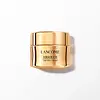
This anti-aging eye moisturizer is formulated around Rosa Damascena Flower Water and Adenosine to soften the look of wrinkles.
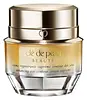
This anti-aging eye moisturizer is formulated around Squalane and Glycyrrhiza Glabra Root Extract to soften the look of wrinkles and hydrate skin.


What's inside
What's inside
 Key Ingredients
Benefits
Concerns
Ingredients Side-by-side
Water
Skin ConditioningGlycerin
Humectant


Rosa Damascena Flower Water
Masking

Butylene Glycol
Humectant
Butyrospermum Parkii Butter
Skin Conditioning




Jojoba Esters
Emollient
Dimethicone
Emollient
Isopropyl Myristate
Emollient
PEG/PPG/Polybutylene Glycol-8/5/3 Glycerin
HumectantPEG-40 Stearate
Emulsifying
Isopropyl Isostearate
Emollient
Helianthus Annuus Seed Wax
Skin Conditioning
Cera Alba
Emollient
Glyceryl Stearate
Emollient
PEG-100 Stearate
Surfactant
Propanediol
Solvent
Stearyl Alcohol
Emollient
Hydroxypropyl Tetrahydropyrantriol
Skin ConditioningOctyldodecanol
Emollient
Escin
TonicRosa Centifolia Flower Extract
Astringent
Rosa Hybrid Flower Extract
Skin ConditioningAdenosine
Skin Conditioning
Capryloyl Salicylic Acid
Exfoliating




Hydrolyzed Linseed Extract
Skin ConditioningHydroxyacetophenone
Antioxidant
Pentaerythrityl Tetra-Di-T-Butyl Hydroxyhydrocinnamate
Antioxidant
Saccharomyces Ferment Filtrate
Humectant
Sodium Hydroxide
BufferingTrisodium Ethylenediamine Disuccinate
ChelatingPanthenol
Skin Conditioning
Tocopherol
Antioxidant

Acacia Decurrens Flower Wax
Emollient
Polyglycerin-3
Humectant
Acrylamide/Sodium Acryloyldimethyltaurate Copolymer
Emulsion StabilisingAlcohol
Antimicrobial

Ammonium Polyacryloyldimethyl Taurate
Emulsion StabilisingArginine
Masking
CI 77891
Cosmetic ColorantCitric Acid
Buffering
Isohexadecane
EmollientMaltodextrin
Absorbent
Mica
Cosmetic ColorantPEG-20 Stearate
Emulsifying
Polysorbate 80
Emulsifying
Propylene Glycol
Humectant
Rosa Damascena Flower Oil
Masking


Sorbitan Oleate
Emulsifying
Sorbitan Tristearate
EmulsifyingTin Oxide
Abrasive
Dimethiconol
Emollient
Polysilicone-11
Citronellol
Perfuming
Geraniol
Perfuming
CI 19140
Cosmetic ColorantCI 77491
Cosmetic ColorantPhenoxyethanol
Preservative
Salicylic Acid
Masking

Sodium Benzoate
Masking
Water, Glycerin, Rosa Damascena Flower Water, Butylene Glycol, Butyrospermum Parkii Butter, Jojoba Esters, Dimethicone, Isopropyl Myristate, PEG/PPG/Polybutylene Glycol-8/5/3 Glycerin, PEG-40 Stearate, Isopropyl Isostearate, Helianthus Annuus Seed Wax, Cera Alba, Glyceryl Stearate, PEG-100 Stearate, Propanediol, Stearyl Alcohol, Hydroxypropyl Tetrahydropyrantriol, Octyldodecanol, Escin, Rosa Centifolia Flower Extract, Rosa Hybrid Flower Extract, Adenosine, Capryloyl Salicylic Acid, Hydrolyzed Linseed Extract, Hydroxyacetophenone, Pentaerythrityl Tetra-Di-T-Butyl Hydroxyhydrocinnamate, Saccharomyces Ferment Filtrate, Sodium Hydroxide, Trisodium Ethylenediamine Disuccinate, Panthenol, Tocopherol, Acacia Decurrens Flower Wax, Polyglycerin-3, Acrylamide/Sodium Acryloyldimethyltaurate Copolymer, Alcohol, Ammonium Polyacryloyldimethyl Taurate, Arginine, CI 77891, Citric Acid, Isohexadecane, Maltodextrin, Mica, PEG-20 Stearate, Polysorbate 80, Propylene Glycol, Rosa Damascena Flower Oil, Sorbitan Oleate, Sorbitan Tristearate, Tin Oxide, Dimethiconol, Polysilicone-11, Citronellol, Geraniol, CI 19140, CI 77491, Phenoxyethanol, Salicylic Acid, Sodium Benzoate
Water
Skin ConditioningPentaerythrityl Tetraethylhexanoate
Emollient
Butylene Glycol
Humectant
Glycerin
Humectant
Squalane
Emollient
Isododecane
EmollientDipropylene Glycol
HumectantBehenyl Alcohol
Emollient
Dimethicone
Emollient
Microcrystalline Wax
Emulsion StabilisingDiphenylsiloxy Phenyl Trimethicone
Skin Conditioning
Trehalose
Humectant
PEG/PPG-14/7 Dimethyl Ether
Skin ConditioningHydrogenated Polyisobutene
EmollientDimethylacrylamide/Sodium Acryloyldimethyltaurate Crosspolymer
Potassium Methoxysalicylate
BleachingStearyl Alcohol
Emollient
Hydrogenated Palm Oil
Emollient
Beheneth-20
EmulsifyingPhenoxyethanol
Preservative
Myristyl Myristate
Emollient
Dimethicone/Phenyl Vinyl Dimethicone Crosspolymer
Elaeis Guineensis Kernel Oil
Emollient
Elaeis Guineensis Oil
Emollient
Disodium EDTA
ChelatingTocopheryl Acetate
Antioxidant
Phytosteryl/Octyldodecyl Lauroyl Glutamate
Skin ConditioningSodium Citrate
BufferingBHT
Antioxidant
Dipotassium Glycyrrhizate
Humectant
Parfum
Masking
Sodium Metabisulfite
Antioxidant
Citric Acid
Buffering
Sodium Metaphosphate
BufferingSodium Acetylated Hyaluronate
Humectant
Glycyrrhiza Glabra Root Extract
Bleaching
Hexyl Cinnamal
Perfuming
Alpha-Isomethyl Ionone
Perfuming
Citronellol
Perfuming
CI 77492
Cosmetic ColorantLimonene
Perfuming
Linalool
Perfuming
Centaurea Cyanus Flower Extract
Astringent
Olea Europaea Leaf Extract
Perfuming
Iris Florentina Root Extract
MaskingPaeonia Albiflora Root Extract
Skin ConditioningGeraniol
Perfuming
Sanguisorba Officinalis Root Extract
CleansingCrataegus Monogyna Flower Extract
Skin ConditioningBenzyl Benzoate
Antimicrobial
Serine
Masking
Inositol
Humectant
CI 77491
Cosmetic ColorantRetinyl Acetate
Skin Conditioning
Retinyl Palmitate
Skin Conditioning
Tocopherol
Antioxidant
Potentilla Erecta Root Extract
Skin ConditioningHelianthus Annuus Seed Oil
Emollient
Zea Mays Oil
Emulsifying
Rosmarinus Officinalis Leaf Extract
AntimicrobialTheanine
EmollientRosa Roxburghii Fruit Extract
TonicSophora Angustifolia Root Extract
Skin ConditioningPolyquaternium-51
Skin Conditioning
Benzoic Acid
Masking
Hydrolyzed Silk
Humectant
Rubus Suavissimus Leaf Extract
Skin ConditioningHydrolyzed Conchiolin Protein
Skin ConditioningBupleurum Falcatum Root Extract
Skin ConditioningWater, Pentaerythrityl Tetraethylhexanoate, Butylene Glycol, Glycerin, Squalane, Isododecane, Dipropylene Glycol, Behenyl Alcohol, Dimethicone, Microcrystalline Wax, Diphenylsiloxy Phenyl Trimethicone, Trehalose, PEG/PPG-14/7 Dimethyl Ether, Hydrogenated Polyisobutene, Dimethylacrylamide/Sodium Acryloyldimethyltaurate Crosspolymer, Potassium Methoxysalicylate, Stearyl Alcohol, Hydrogenated Palm Oil, Beheneth-20, Phenoxyethanol, Myristyl Myristate, Dimethicone/Phenyl Vinyl Dimethicone Crosspolymer, Elaeis Guineensis Kernel Oil, Elaeis Guineensis Oil, Disodium EDTA, Tocopheryl Acetate, Phytosteryl/Octyldodecyl Lauroyl Glutamate, Sodium Citrate, BHT, Dipotassium Glycyrrhizate, Parfum, Sodium Metabisulfite, Citric Acid, Sodium Metaphosphate, Sodium Acetylated Hyaluronate, Glycyrrhiza Glabra Root Extract, Hexyl Cinnamal, Alpha-Isomethyl Ionone, Citronellol, CI 77492, Limonene, Linalool, Centaurea Cyanus Flower Extract, Olea Europaea Leaf Extract, Iris Florentina Root Extract, Paeonia Albiflora Root Extract, Geraniol, Sanguisorba Officinalis Root Extract, Crataegus Monogyna Flower Extract, Benzyl Benzoate, Serine, Inositol, CI 77491, Retinyl Acetate, Retinyl Palmitate, Tocopherol, Potentilla Erecta Root Extract, Helianthus Annuus Seed Oil, Zea Mays Oil, Rosmarinus Officinalis Leaf Extract, Theanine, Rosa Roxburghii Fruit Extract, Sophora Angustifolia Root Extract, Polyquaternium-51, Benzoic Acid, Hydrolyzed Silk, Rubus Suavissimus Leaf Extract, Hydrolyzed Conchiolin Protein, Bupleurum Falcatum Root Extract
Ingredients Explained
These ingredients are found in both products.
Ingredients higher up in an ingredient list are typically present in a larger amount.
Butylene Glycol (or BG) is used within cosmetic products for a few different reasons:
Overall, Butylene Glycol is a safe and well-rounded ingredient that works well with other ingredients.
Though this ingredient works well with most skin types, some people with sensitive skin may experience a reaction such as allergic rashes, closed comedones, or itchiness.
Learn more about Butylene GlycolCi 77491 is also hydrated iron III oxide. It's sole purpose is to give a red/pink hue to products.
Iron III oxides are classified as inorganic chemicals for coloring.
Synthetically created Ci 77491 is considered safer than those naturally found. This is because the synthetically created version may contain less impurities. Iron oxides are generally non-toxic and non-allergenic.
Learn more about CI 77491Citric Acid is an alpha hydroxy acid (AHA) naturally found in citrus fruits like oranges, lemons, and limes.
Like other AHAs, citric acid can exfoliate skin by breaking down the bonds that hold dead skin cells together. This helps reveal smoother and brighter skin underneath.
However, this exfoliating effect only happens at high concentrations (20%) which can be hard to find in cosmetic products.
Due to this, citric acid is usually included in small amounts as a pH adjuster. This helps keep products slightly more acidic and compatible with skin's natural pH.
In skincare formulas, citric acid can:
While it can provide some skin benefits, research shows lactic acid and glycolic acid are generally more effective and less irritating exfoliants.
Most citric acid used in skincare today is made by fermenting sugars (usually from molasses). This synthetic version is identical to the natural citrus form but easier to stabilize and use in formulations.
Rosacea skin has a lower threshold for acids generally, with 62.5% of rosacea subjects in one study reacting to lactic acid in a sting test. This is why we mark citric acid as a potential rosacea trigger.
However, this ingredient shows up as a pH adjuster or chelator at roughly 0.1-1% in many products. These low levels are unlikely to be an issue for rosacea skin and becomes a potential trigger at exfoliating concentrations (20%). Because everybody's skin is unique, we recommend a patch test if you are unsure.
Learn more about Citric AcidCitronellol is used to add fragrance/parfum to a product. It is often derived from plants such as roses. In fact, it can be found in many essential oils including geranium, lavender, neroli, and more. The scent of Citronellol is often described as "fresh, grassy, and citrus-like".
Since the Citronellol molecule is already unstable, Citronellol becomes irritating on the skin when exposed to air.
Citronellol is a modified terpene. Terpenes are unsaturated hydrocarbons found in plants. They make up the primary part of essential oils.
Citronellol is not able to be absorbed into deeper layers of the skin. It has low permeability,
Citronellol is also a natural insect repellent.
Learn more about CitronellolDimethicone is a type of synthetic silicone created from natural materials such as quartz. It is also known as polydimethylsiloxane.
What it does:
Dimethicone comes in different viscosities:
Depending on the viscosity, dimethicone has different properties.
Ingredients lists don't always show which type is used, so we recommend reaching out to the brand if you have questions about the viscosity.
This ingredient is unlikely to cause irritation because it does not get absorbed into skin. However, people with silicone allergies should be careful about using this ingredient.
Note: Dimethicone may contribute to pilling. This is because it is not oil or water soluble, so pilling may occur when layered with products. When mixed with heavy oils in a formula, the outcome is also quite greasy.
Learn more about DimethiconeGeraniol is used to add fragrance/parfum to a product. It is the main component of citronellol. It is a monoterpenoid and an alcohol.
Monoterpenes are naturally found in many parts of different plants.
Geraniol can be found in many essential oils including Rose Oil and Citronella Oil. The scent of Geraniol is often described as "rose-like". Many foods also contain Geraniol for fruit flavoring.
Geraniol can irritate the skin when exposed to air. However, irritation depends on the ability of geraniol to penetrate into the skin. In general, geraniol is not able to penetrate skin easily.
Geraniol is colorless and has low water-solubility. However, it is soluble in common organic solvents.
Like citronellol, it is a natural insect repellent.
2,6-Octadien-1-ol, 3,7-dimethyl-, (2E)-
Learn more about GeraniolGlycerin (or glycerol) is a compound naturally found in your skin. It's a powerhouse humectant that pulls water into the stratum corneum.
Topically, glycerin does several things at once:
Your skin makes glycerin on its own (mostly from sebaceous oil breakdown) and shuttles it to your outermost layer of skin, or your epidermis, via aquaporin-3.
Aquaporin-3 is a transporter that is essential for normal skin hydration, elasticity, and repair. Interestingly, mice lacking in AQP3 have dry and less elastic skin that can be fully corrected with glycerin.
This ingredient is non-irritating, plays well with almost every ingredient, and works across all skin types. Typical use is anywhere between 3-10% but can go up to 79% in some leave-on products.
Just know very high concentrations (>40%) can feel tacky in low humidity.
Glycerin is the name for this ingredient in American English. British English uses Glycerol/Glycerine.
Learn more about GlycerinPhenoxyethanol is one of the most widely used preservatives in skincare (and for good reason!).
It has a large spectrum of antimicrobial activity and especially effective bacteria, yeast, and mold while only having a weak effect on your skin's natural microbiome.
On a cellular level, it disrupts the cell membranes of microbes by poking holes that make the cell leak. This shuts down the chemical reactions the microbe needs to make energy so it can no longer survive.
Another perk of this ingredient is that it stays functional across a wide pH range (3-10).
You'll often see it paired with boosters like Ethylhexylglycerin; one study showed that a 1:9 ratio of Ethylhexylglycerin to Phenoxyethanol damages bacterial membranes as effectively as doubling the Phenoxyethanol concentration on its own.
Typical use concentrations range from 0.3-1% depending on the formula, and this ingredient is capped at 1% int the EU.
Safety-wise, the fear mongering does not hold up to the evidence. The EU's Scientific Committee on Consumer Safety and FDA consider it safe as a preservative at up to 1%, including for children of all ages.
Adverse systemic effects only showed up in animal studies at exposures roughly 200x higher than what people get from cosmetics. And despite its very widespread use, this ingredient is a rare sensitizer and allergic reactions are uncommon.
Learn more about PhenoxyethanolStearyl Alcohol is a type of fatty alcohol from stearic acid. It is a white, waxy compound used to emulsify ingredients used as an emollient or to thicken a product.
Emollients help soothe and hydrate the skin by trapping moisture.
Fatty alcohols are usually derived from natural fats and oils and therefore do not have the same drying or irritating effect as solvent (ethanol) alcohols.
The FDA allows products labeled "alcohol-free" to have fatty alcohols.
This ingredient may not be fungal acne safe. It is a primary fatty alcohol with a chain length above 12 carbons. A study from 2019 show Malassezia can feed on fatty alcohols in this range, so it may trigger fungal acne in those prone to it.
Learn more about Stearyl AlcoholTocopherol is a fat-soluble antioxidant known as Vitamin E.
You'll find this ingredient in the vast majority of skincare (for good reason). It works to neutralize free radicals, or unstable molecules generated by UV exposure, pollution, and other environmental stressors, before they can cause oxidative damage to your skin cells.
Topically applied tocopherol has been shown to protect against UV damage by ramping up the skin's own natural defense enzymes.
It also acts as a skin conditioning agent; some studies show that regular topical use can improve the skin's water-binding capacity over 2-4 weeks.
This ingredient is especially loved for being a team player. When combined with Vitamin C, the photoprotective effect of both ingredients roughly doubles and the combo also helps reduce UV-induced DNA damage.
This ingredient has some brightening potential but it's more of a prevention ingredient than spot-fader. Cell studies show it can slow down melanin production but it's worth noting that it's not the most powerful brightener out there.
In formulations, it also serves as a stabilizer that helps protect other oxidation-prone ingredients from degrading.
Concentrations usually range from 0.1-1% in most leave-on products.
Learn more about TocopherolWater. It's the most common cosmetic ingredient of all. You'll usually see it at the top of ingredient lists, meaning that it makes up the largest part of the product.
So why is it so popular? Water most often acts as a solvent - this means that it helps dissolve other ingredients into the formulation.
You'll also recognize water as that liquid we all need to stay alive. If you see this, drink a glass of water. Remember to stay hydrated!
Learn more about Water


