
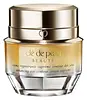
This anti-aging eye moisturizer is formulated around Squalane and Glycyrrhiza Glabra Root Extract to soften the look of wrinkles and hydrate skin.
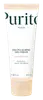
This calming moisturizer is formulated around Avena Sativa Seed Water and Dipotassium Glycyrrhizate to calm redness and hydrate skin.


What's inside
What's inside
 Key Ingredients
Benefits
Concerns
No concerns
Ingredients Side-by-side
Water
Skin ConditioningPentaerythrityl Tetraethylhexanoate
Emollient
Butylene Glycol
Humectant
Glycerin
Humectant
Squalane
Emollient
Isododecane
EmollientDipropylene Glycol
HumectantBehenyl Alcohol
Emollient
Dimethicone
Emollient
Microcrystalline Wax
Emulsion StabilisingDiphenylsiloxy Phenyl Trimethicone
Skin Conditioning
Trehalose
Humectant
PEG/PPG-14/7 Dimethyl Ether
Skin ConditioningHydrogenated Polyisobutene
EmollientDimethylacrylamide/Sodium Acryloyldimethyltaurate Crosspolymer
Potassium Methoxysalicylate
BleachingStearyl Alcohol
Emollient

Hydrogenated Palm Oil
Emollient
Beheneth-20
EmulsifyingPhenoxyethanol
Preservative
Myristyl Myristate
Emollient


Dimethicone/Phenyl Vinyl Dimethicone Crosspolymer
Elaeis Guineensis Kernel Oil
Emollient
Elaeis Guineensis Oil
Emollient
Disodium EDTA
ChelatingTocopheryl Acetate
Antioxidant


Phytosteryl/Octyldodecyl Lauroyl Glutamate
Skin ConditioningSodium Citrate
BufferingBHT
Antioxidant
Dipotassium Glycyrrhizate
Humectant

Parfum
Masking


Sodium Metabisulfite
Antioxidant
Citric Acid
Buffering
Sodium Metaphosphate
BufferingSodium Acetylated Hyaluronate
Humectant
Glycyrrhiza Glabra Root Extract
Bleaching
Hexyl Cinnamal
Perfuming
Alpha-Isomethyl Ionone
Perfuming
Citronellol
Perfuming
CI 77492
Cosmetic ColorantLimonene
Perfuming
Linalool
Perfuming
Centaurea Cyanus Flower Extract
Astringent
Olea Europaea Leaf Extract
Perfuming
Iris Florentina Root Extract
MaskingPaeonia Albiflora Root Extract
Skin ConditioningGeraniol
Perfuming
Sanguisorba Officinalis Root Extract
CleansingCrataegus Monogyna Flower Extract
Skin ConditioningBenzyl Benzoate
Antimicrobial
Serine
Masking
Inositol
Humectant
CI 77491
Cosmetic ColorantRetinyl Acetate
Skin Conditioning
Retinyl Palmitate
Skin Conditioning
Tocopherol
Antioxidant
Potentilla Erecta Root Extract
Skin ConditioningHelianthus Annuus Seed Oil
Emollient
Zea Mays Oil
Emulsifying
Rosmarinus Officinalis Leaf Extract
AntimicrobialTheanine
EmollientRosa Roxburghii Fruit Extract
TonicSophora Angustifolia Root Extract
Skin ConditioningPolyquaternium-51
Skin Conditioning
Benzoic Acid
Masking
Hydrolyzed Silk
Humectant
Rubus Suavissimus Leaf Extract
Skin ConditioningHydrolyzed Conchiolin Protein
Skin ConditioningBupleurum Falcatum Root Extract
Skin ConditioningWater, Pentaerythrityl Tetraethylhexanoate, Butylene Glycol, Glycerin, Squalane, Isododecane, Dipropylene Glycol, Behenyl Alcohol, Dimethicone, Microcrystalline Wax, Diphenylsiloxy Phenyl Trimethicone, Trehalose, PEG/PPG-14/7 Dimethyl Ether, Hydrogenated Polyisobutene, Dimethylacrylamide/Sodium Acryloyldimethyltaurate Crosspolymer, Potassium Methoxysalicylate, Stearyl Alcohol, Hydrogenated Palm Oil, Beheneth-20, Phenoxyethanol, Myristyl Myristate, Dimethicone/Phenyl Vinyl Dimethicone Crosspolymer, Elaeis Guineensis Kernel Oil, Elaeis Guineensis Oil, Disodium EDTA, Tocopheryl Acetate, Phytosteryl/Octyldodecyl Lauroyl Glutamate, Sodium Citrate, BHT, Dipotassium Glycyrrhizate, Parfum, Sodium Metabisulfite, Citric Acid, Sodium Metaphosphate, Sodium Acetylated Hyaluronate, Glycyrrhiza Glabra Root Extract, Hexyl Cinnamal, Alpha-Isomethyl Ionone, Citronellol, CI 77492, Limonene, Linalool, Centaurea Cyanus Flower Extract, Olea Europaea Leaf Extract, Iris Florentina Root Extract, Paeonia Albiflora Root Extract, Geraniol, Sanguisorba Officinalis Root Extract, Crataegus Monogyna Flower Extract, Benzyl Benzoate, Serine, Inositol, CI 77491, Retinyl Acetate, Retinyl Palmitate, Tocopherol, Potentilla Erecta Root Extract, Helianthus Annuus Seed Oil, Zea Mays Oil, Rosmarinus Officinalis Leaf Extract, Theanine, Rosa Roxburghii Fruit Extract, Sophora Angustifolia Root Extract, Polyquaternium-51, Benzoic Acid, Hydrolyzed Silk, Rubus Suavissimus Leaf Extract, Hydrolyzed Conchiolin Protein, Bupleurum Falcatum Root Extract
Avena Sativa Seed Water 77%
Solvent
Butylene Glycol
Humectant
Glycerin
Humectant
2,3-Butanediol
Humectant1,2-Hexanediol
Skin Conditioning
Water
Skin ConditioningAmmonium Acryloyldimethyltaurate/Vp Copolymer
Squalane
Emollient
Hydroxyacetophenone
Antioxidant
Carbomer
Emulsion StabilisingDipotassium Glycyrrhizate
Humectant
Panthenol
Skin Conditioning
Tromethamine
BufferingEthylhexylglycerin
Skin ConditioningInulin Lauryl Carbamate
Emulsion StabilisingSodium Surfactin
CleansingBeta-Glucan
Skin Conditioning
Avena Sativa Seed Water 77%, Butylene Glycol, Glycerin, 2,3-Butanediol, 1,2-Hexanediol, Water, Ammonium Acryloyldimethyltaurate/Vp Copolymer, Squalane, Hydroxyacetophenone, Carbomer, Dipotassium Glycyrrhizate, Panthenol, Tromethamine, Ethylhexylglycerin, Inulin Lauryl Carbamate, Sodium Surfactin, Beta-Glucan
Reviews
Ingredients Explained
These ingredients are found in both products.
Ingredients higher up in an ingredient list are typically present in a larger amount.
Butylene Glycol (or BG) is used within cosmetic products for a few different reasons:
Overall, Butylene Glycol is a safe and well-rounded ingredient that works well with other ingredients.
Though this ingredient works well with most skin types, some people with sensitive skin may experience a reaction such as allergic rashes, closed comedones, or itchiness.
Learn more about Butylene GlycolDipotassium Glycyrrhizate comes from licorice root.
Extracts of licorice have demonstrated to have antibacterial, anti‐inflammatory, antiviral, antioxidant properties.
One component, glabridin, has extra potent antioxidant and soothing properties. It has also been found to block pigmentation from UVB rays in guinea pigs.
Licorice Root also contains a flavonoid. Flavonoids are a natural substance from in plants. Flavonoids also have antioxidant properties.
Another component, glycyrrhizin, has been found to have anti-inflammatory and antimicrobial benefits. This may make licorice root extract effective at treating acne. However, more research is needed to support this.
Liquiritin is one of the flavone compounds found in licorice. It has been found to help lighten skin by preventing tyrosinase from reacting with tyrosine. When the two react, protein is converted to melanin. Melanin is the substance in your body that gives your features pigmentation.
Licorice root is native to Southern Europe and Asia. It has been used in traditional Chinese medicine to help with respiratory issues.
Learn more about Dipotassium GlycyrrhizateGlycerin (or glycerol) is a compound naturally found in your skin. It's a powerhouse humectant that pulls water into the stratum corneum.
Topically, glycerin does several things at once:
Your skin makes glycerin on its own (mostly from sebaceous oil breakdown) and shuttles it to your outermost layer of skin, or your epidermis, via aquaporin-3.
Aquaporin-3 is a transporter that is essential for normal skin hydration, elasticity, and repair. Interestingly, mice lacking in AQP3 have dry and less elastic skin that can be fully corrected with glycerin.
This ingredient is non-irritating, plays well with almost every ingredient, and works across all skin types. Typical use is anywhere between 3-10% but can go up to 79% in some leave-on products.
Just know very high concentrations (>40%) can feel tacky in low humidity.
Glycerin is the name for this ingredient in American English. British English uses Glycerol/Glycerine.
Learn more about GlycerinSqualane is the hydrogenated and shelf-stable form of squalene (a lipid that naturally occurs in human sebum).
It is an emollient and skin conditioning agent that is able to integrate seamlessly into the skin's lipid barrier without clogging pores.
This is due to how structurally similar it is to what your skin already produces.
Though it is mostly an emollient that helps soften and hydrate skin, it also has some humectant and occlusive action. Humectants help the skin retain moisture while occlusives seal it in, making squalane a triple-threat moisturizer.
Research shows it has antioxidant capabilities that help protect against stressors like UV exposure, specifically UVA induced oxidative stress. This study also found that it supports collagen biosynthesis in human dermal fibroblasts.
No clinical study has reported significant adverse effects and irritation reactions are very rare from this ingredient (even at 100% concentration).
Overall, it's a fantastic ingredient for hydration and is suitable for all skin types.
This depends on the source. Squalane can be derived from both plants and animals. Most squalane used in skincare comes from plants.
Please note: the source of squalane is only known if disclosed by the brand. We recommend reaching out to the brand if you have any questions about their squalane.
Read more about squalene with an "e".
Though squalane is often called an oil, it’s technically not one. It is a hydrocarbon, meaning it is only made of carbon and hydrogen. True oils are triglycerides and made of fatty acids and glycerol.
The term “oil-free” isn’t regulated so companies can define it however they want. Some exclude all oils, while others just avoid mineral oil or comedogenic oils.
Squalane has a comedogenic rating of 1 from the original 1972 study that tested raw ingredients under occlusion on rabbit ears. This system is not standardized or peer-reviewed, and using the raw ingredients is very different from how diluted cosmetic formulations are used on human skin.
A comedogenic rating of 1 means it is "unlikely to clog pores" according to the original rating system.
The overall formula of a product matters more than the individual ingredients on whether or not it will cause clogged pores.
Learn more about SqualaneWater. It's the most common cosmetic ingredient of all. You'll usually see it at the top of ingredient lists, meaning that it makes up the largest part of the product.
So why is it so popular? Water most often acts as a solvent - this means that it helps dissolve other ingredients into the formulation.
You'll also recognize water as that liquid we all need to stay alive. If you see this, drink a glass of water. Remember to stay hydrated!
Learn more about Water

