Kate Somerville KateCeuticals Resurfacing Overnight Peel Versus Dermalogica Powerbright Dark Spot Peel
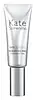
This smoothing night moisturizer is formulated around Glycolic Acid and Niacinamide to refine skin texture and soften the look of wrinkles.
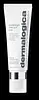
This brightening treatment is formulated around Glycolic Acid and Niacinamide to fade the look of dark spots and refine skin texture.

What's inside
What's inside
 Key Ingredients
Benefits
Concerns
Ingredients Side-by-side
Water
Skin ConditioningGlycolic Acid
Buffering











Lactose
HumectantCaprylic/Capric Triglyceride
Masking


Cetearyl Alcohol
Emollient




Sodium Hydroxide
BufferingNeopentyl Glycol Diheptanoate
EmollientPropanediol
Solvent
Glycerin
Humectant
Glyceryl Stearate
Emollient
Niacinamide
Smoothing


Trimethylpentanediol/Adipic Acid Copolymer
Skin ConditioningPEG-40 Stearate
Emulsifying
Polymethylsilsesquioxane

Retinol
Skin Conditioning
Opuntia Ficus-Indica Fruit Extract
Skin ConditioningHydrolyzed Hyaluronic Acid
Humectant
Polyacrylate Crosspolymer-6
Emulsion StabilisingGlycyrrhiza Glabra Root Extract
Bleaching
Cetyl Palmitate
Emollient
Adenosine
Skin Conditioning
Ceramide NP
Skin Conditioning
Glycine Soja Extract
Skin ConditioningPolysorbate 20
Emulsifying
Isopulegol
MaskingSaccharomyces Cerevisiae Extract
Skin Conditioning
Saccharide Isomerate
Humectant
Ceteareth-20
CleansingDimethicone
Emollient
Glabridin
BleachingLaureth-23
Cleansing
Tocopheryl Acetate
Antioxidant

Trideceth-6 Phosphate
EmulsifyingT-Butyl Alcohol
Perfuming



Potassium Sorbate
Preservative
Sodium Benzoate
Masking
Disodium EDTA
Ethylhexylglycerin
Skin ConditioningParfum
Masking
Xanthan Gum
EmulsifyingMagnesium Aluminum Silicate
Absorbent
Phenoxyethanol
Preservative
Benzyl Salicylate
Perfuming
Hexyl Cinnamal
Perfuming
Limonene
Perfuming
Linalool
Perfuming
Water, Glycolic Acid, Lactose, Caprylic/Capric Triglyceride, Cetearyl Alcohol, Sodium Hydroxide, Neopentyl Glycol Diheptanoate, Propanediol, Glycerin, Glyceryl Stearate, Niacinamide, Trimethylpentanediol/Adipic Acid Copolymer, PEG-40 Stearate, Polymethylsilsesquioxane, Retinol, Opuntia Ficus-Indica Fruit Extract, Hydrolyzed Hyaluronic Acid, Polyacrylate Crosspolymer-6, Glycyrrhiza Glabra Root Extract, Cetyl Palmitate, Adenosine, Ceramide NP, Glycine Soja Extract, Polysorbate 20, Isopulegol, Saccharomyces Cerevisiae Extract, Saccharide Isomerate, Ceteareth-20, Dimethicone, Glabridin, Laureth-23, Tocopheryl Acetate, Trideceth-6 Phosphate, T-Butyl Alcohol, Potassium Sorbate, Sodium Benzoate, Disodium EDTA, Ethylhexylglycerin, Parfum, Xanthan Gum, Magnesium Aluminum Silicate, Phenoxyethanol, Benzyl Salicylate, Hexyl Cinnamal, Limonene, Linalool
Water
Skin ConditioningGlycerin
Humectant
Butylene Glycol
Humectant
Lactobacillus/Pumpkin Fruit Ferment Filtrate
Skin ConditioningGlycolic Acid
Buffering
Polysorbate 20
Emulsifying
Niacinamide
Smoothing
C12-18 Alkanoyl Glycerin/Sebacic Acid Copolymer
Gluconolactone
Skin Conditioning
Phytic Acid
Mandelic Acid
Antimicrobial
Butyrospermum Parkii Butter
Skin Conditioning
Elaeis Guineensis Butter
Emollient
Sodium Hydroxide
BufferingTetrahydroxypropyl Ethylenediamine
Hectorite
AbsorbentBehenyl Alcohol
Emollient
Arachidyl Alcohol
Emollient
Tranexamic Acid
Astringent
Dipotassium Glycyrrhizate
Humectant
Simmondsia Chinensis Seed Oil
Emollient
Citrus Aurantium Dulcis Peel Oil
Masking
Citrus Aurantium Bergamia Fruit Oil
Masking
Citrus Limon Peel Oil
Masking
Citrus Paradisi Peel Oil
Masking
Ricinus Communis Seed Oil
Masking
Zingiber Officinale Root Oil
Masking
Lavandula Angustifolia Oil
Masking
Jasminum Sambac Flower Extract
Masking
Vanilla Planifolia Fruit
MaskingViola Odorata Leaf Extract
MaskingCocos Nucifera Oil
Masking
Leuconostoc/Radish Root Ferment Filtrate
Antimicrobial
Peat Extract
Skin ConditioningJuniperus Virginiana Oil
Masking
Curcuma Longa Root Extract
Antioxidant
Prunus Amygdalus Dulcis Oil
Skin Conditioning
Isochrysis Galbana Extract
Skin ConditioningNannochloropsis Gaditana Extract
Antioxidant
Ilex Paraguariensis Leaf Extract
Perfuming
Cucumis Sativus Seed Oil
Emollient
Mimosa Tenuiflora Bark Extract
Skin ProtectingTocopherol
Antioxidant
Squalene
Emollient
Phosphatidylcholine
EmulsifyingCaprylyl Glycol
Emollient
Lecithin
Emollient
Glyceryl Stearate
Emollient
Lauryl Alcohol
Emollient
Ethoxydiglycol
HumectantArachidyl Glucoside
EmulsifyingPalmitic Acid
Emollient
Myristyl Alcohol
Emollient
Bisabolol
Antioxidant
Polyquaternium-80
CleansingDidecyldimonium Chloride
EmulsifyingBeta-Sitosterol
Emulsion Stabilising
Dipteryx Odorata Seed Extract
MaskingXanthan Gum
EmulsifyingMethylpropanediol
SolventCetyl Alcohol
Emollient
Titanium Dioxide
Cosmetic Colorant

Tetrasodium Glutamate Diacetate
Citric Acid
Buffering
Stearic Acid
Cleansing
Hydroxyethylcellulose
Emulsion StabilisingCistus Ladaniferus Resin
MaskingStyrax Benzoin Resin Extract
Masking
Sodium Benzoate
Masking
Potassium Sorbate
Preservative
Limonene
Perfuming
Water, Glycerin, Butylene Glycol, Lactobacillus/Pumpkin Fruit Ferment Filtrate, Glycolic Acid, Polysorbate 20, Niacinamide, C12-18 Alkanoyl Glycerin/Sebacic Acid Copolymer, Gluconolactone, Phytic Acid, Mandelic Acid, Butyrospermum Parkii Butter, Elaeis Guineensis Butter, Sodium Hydroxide, Tetrahydroxypropyl Ethylenediamine, Hectorite, Behenyl Alcohol, Arachidyl Alcohol, Tranexamic Acid, Dipotassium Glycyrrhizate, Simmondsia Chinensis Seed Oil, Citrus Aurantium Dulcis Peel Oil, Citrus Aurantium Bergamia Fruit Oil, Citrus Limon Peel Oil, Citrus Paradisi Peel Oil, Ricinus Communis Seed Oil, Zingiber Officinale Root Oil, Lavandula Angustifolia Oil, Jasminum Sambac Flower Extract, Vanilla Planifolia Fruit, Viola Odorata Leaf Extract, Cocos Nucifera Oil, Leuconostoc/Radish Root Ferment Filtrate, Peat Extract, Juniperus Virginiana Oil, Curcuma Longa Root Extract, Prunus Amygdalus Dulcis Oil, Isochrysis Galbana Extract, Nannochloropsis Gaditana Extract, Ilex Paraguariensis Leaf Extract, Cucumis Sativus Seed Oil, Mimosa Tenuiflora Bark Extract, Tocopherol, Squalene, Phosphatidylcholine, Caprylyl Glycol, Lecithin, Glyceryl Stearate, Lauryl Alcohol, Ethoxydiglycol, Arachidyl Glucoside, Palmitic Acid, Myristyl Alcohol, Bisabolol, Polyquaternium-80, Didecyldimonium Chloride, Beta-Sitosterol, Dipteryx Odorata Seed Extract, Xanthan Gum, Methylpropanediol, Cetyl Alcohol, Titanium Dioxide, Tetrasodium Glutamate Diacetate, Citric Acid, Stearic Acid, Hydroxyethylcellulose, Cistus Ladaniferus Resin, Styrax Benzoin Resin Extract, Sodium Benzoate, Potassium Sorbate, Limonene
Ingredients Explained
These ingredients are found in both products.
Ingredients higher up in an ingredient list are typically present in a larger amount.
Glycerin (or glycerol) is a compound naturally found in your skin. It's a powerhouse humectant that pulls water into the stratum corneum.
Topically, glycerin does several things at once:
Your skin makes glycerin on its own (mostly from sebaceous oil breakdown) and shuttles it to your outermost layer of skin, or your epidermis, via aquaporin-3.
Aquaporin-3 is a transporter that is essential for normal skin hydration, elasticity, and repair. Interestingly, mice lacking in AQP3 have dry and less elastic skin that can be fully corrected with glycerin.
This ingredient is non-irritating, plays well with almost every ingredient, and works across all skin types. Typical use is anywhere between 3-10% but can go up to 79% in some leave-on products.
Just know very high concentrations (>40%) can feel tacky in low humidity.
Glycerin is the name for this ingredient in American English. British English uses Glycerol/Glycerine.
Learn more about GlycerinGlyceryl Stearate is made by reacting glycerin with stearic acid (typically sourced from plant oils like palm or coconut). It's an emulsifier, emollient, and mild occlusive.
Emulsifiers help ingredients like oil and water stay mixed so your formula stays nicely blended and uniform in texture.
This ingredient is typically used in concentrations between 1-10%. Studies have found it to be non-sensitizing, non-phototoxic, and non-photoallergenic.
A close cousin of this ingredient is Glyceryl Stearate SE ("self-emulsifying"). This just has a small amount of sodium or potassium stearate added so it can emulsify without a co-emulsifier.
Since this ingredient is an ester of a C18 fatty acid, it may not be fungal acne safe. The Malassezia yeast can potentially metabolize within the C11-C24 range.
Fun fact: The human body also creates Glyceryl Stearate naturally.
Learn more about Glyceryl StearateGlycolic Acid is arguably the most famous alpha hydroxy acid (AHA) with tons of research backing its benefits.
It is found naturally in sugar cane but the form used in skincare is usually synthetic for purity and stability.
Glycolic acid removes the top layer of dead skin cells to allow newer and fresher ones to emerge.
AHAs work by breaking down the structural “glue” that holds old skin cells in place. When that buildup is gone, your skin can renew itself more efficiently.
Research also shows glycolic acid stimulates collagen production, helping to firm and thicken the skin over time. This is one of its biggest advantages over other AHAs.
Overall, glycolic acid helps with:
Fun fact: Glycolic acid boosts skin hydration by helping it produce molecules that increase hyaluronic acid naturally.
To work best, glycolic acid products should have a pH between 3-4 (that’s where exfoliation is most effective but still gentle on skin).
The pH and concentration of a product are key to its effectiveness:
It is normal to feel a slight stinging sensation when using glycolic acid. This usually fades as your skin adjusts.
Because glycolic acid has the smallest molecular size in the AHA family, it can penetrate deeper, which enhances its effectiveness but also makes it more likely to irritate sensitive skin.
If your skin is very sensitive or prone to rosacea, glycolic acid may be too strong; in that case, try milder options like lactic acid or a PHA instead.
Recent studies suggest glycolic acid might even help protect against UV damage. But don’t skip sunscreen! Freshly exfoliated skin is more sensitive to the sun.
Glycolic acid is a skincare superstar. It smooths, brightens, hydrates, and firms the skin. Unless you’re highly sensitive, it’s well worth adding to your routine.
Read more about some other popular AHA's here:
Learn more about Glycolic AcidLimonene is a fragrance that adds scent and taste to a formulation.
It's found in the peel oil of citrus fruits and other plants such as lavender and eucalyptus. The scent of limonene is generally described as "sweet citrus".
Limonene acts as an antioxidant, meaning it helps neutralize free radicals.
When exposed to air, oxidized limonene may sensitize the skin. Because of this, limonene is often avoided by people with sensitive skin.
The term 'fragrance' is not regulated in many countries. In many cases, it is up to the brand to define this term. For instance, many brands choose to label themselves as "fragrance-free" because they are not using synthetic fragrances. However, their products may still contain ingredients such as essential oils that are considered a fragrance.
Learn more about LimoneneNiacinamide is a multitasking form of vitamin B3 that strengthens the skin barrier, reduces pores and dark spots, regulates oil, and improves signs of aging.
And the best part? It's gentle and well-tolerated by most skin types, including sensitive and reactive skin.
You might have heard of "niacin flush", or the reddening of skin that causes itchiness. Niacinamide has not been found to cause this.
In very rare cases, some individuals may not be able to tolerate niacinamide at all or experience an allergic reaction to it.
If you are experiencing flaking, irritation, and dryness with this ingredient, be sure to double check all your products as this ingredient can be found in all categories of skincare.
When incorporating niacinamide into your routine, look out for concentration amounts. Typically, 5% niacinamide provides benefits such as fading dark spots. However, if you have sensitive skin, it is better to begin with a smaller concentration.
When you apply niacinamide to your skin, your body converts it into nicotinamide adenine dinucleotide (NAD). NAD is an essential coenzyme that is already found in your cells as "fuel" and powers countless biological processes.
In your skin, NAD helps repair cell damage, produce new healthy cells, support collagen production, strengthen the skin barrier, and fight environmental stressors (like UV and pollution).
Our natural NAD levels start to decline with age, leading to slower skin repair, visible aging, and a weaker skin barrier. By providing your skin niacinamide, you're recharging your skin's NAD levels. This leads to stronger, healthier, and younger looking skin.
Another name for vitamin B3 is nicotinamide. This vitamin is water-soluble and our bodies don't store it. We obtain Vitamin B3 from either food or skincare. Meat, fish, wheat, yeast, and leafy greens contain vitamin B3.
The type of niacinamide used in skincare is synthetically created.
Learn more about NiacinamidePolysorbate 20 is a gentle, water-soluble emulsifier and mild surfactant. It stops oil and water from separating to keep your formulas blended and stable.
It also acts as a mild penetration enhancer by helping active ingredients absorb slightly better.
The common safety discussion around this ingredient involves a manufacturing byproduct called 1,4-dioxane.
Trace amounts can form during production but the EU's Scientific Committee on Consumer Safety has concluded that levels at/below 10 ppm in finished products are safe (commercial products consistently fall within acceptable margins).
True allergic reactions are uncommon and the CIR Expert Panel has confirmed this ingredient to be safe as used in cosmetics.
Because it is derived from lauric acid, it may not be fungal acne safe.
Learn more about Polysorbate 20Potassium Sorbate is a preservative used to prevent yeast and mold in products. It is commonly found in both cosmetic and food products.
This ingredient comes from potassium salt derived from sorbic acid. Sorbic acid is a natural antibiotic and effective against fungus.
Both potassium sorbate and sorbic acid can be found in baked goods, cheeses, dried meats, dried fruit, ice cream, pickles, wine, yogurt, and more.
You'll often find this ingredient used with other preservatives.
Learn more about Potassium SorbateSodium Benzoate is a preservative. It's used in both cosmetic and food products to inhibit the growth of mold and bacteria. It is typically produced synthetically.
Both the US FDA and EU Health Committee have approved the use of sodium benzoate. In the US, levels of 0.1% (of the total product) are allowed.
Sodium benzoate works as a preservative by inhibiting the growth of bacteria inside of cells. It prevents the cell from fermenting a type of sugar using an enzyme called phosphofructokinase.
It is the salt of benzoic acid. Foods containing sodium benzoate include soda, salad dressings, condiments, fruit juices, wines, and snack foods.
Studies for using ascorbic acid and sodium benzoate in cosmetics are lacking, especially in skincare routines with multiple steps.
We always recommend speaking with a professional, such as a dermatologist, if you have any concerns.
Learn more about Sodium BenzoateSodium Hydroxide is also known as lye or caustic soda. It is used to adjust the pH of products; many ingredients require a specific pH to be effective.
In small amounts, sodium hydroxide is considered safe to use. However, large amounts may cause chemical burns due to its high alkaline.
Your skin has a natural pH and acid mantle. This acid mantle helps prevent harmful bacteria from breaking through. The acid mantle also helps keep your skin hydrated.
"Alkaline" refers to a high pH level. A low pH level would be considered acidic.
Learn more about Sodium HydroxideWater. It's the most common cosmetic ingredient of all. You'll usually see it at the top of ingredient lists, meaning that it makes up the largest part of the product.
So why is it so popular? Water most often acts as a solvent - this means that it helps dissolve other ingredients into the formulation.
You'll also recognize water as that liquid we all need to stay alive. If you see this, drink a glass of water. Remember to stay hydrated!
Learn more about WaterXanthan gum is used as a stabilizer and thickener within cosmetic products. It helps give products a sticky, thick feeling - preventing them from being too runny.
On the technical side of things, xanthan gum is a polysaccharide - a combination consisting of multiple sugar molecules bonded together.
Xanthan gum is a pretty common and great ingredient. It is a natural, non-toxic, non-irritating ingredient that is also commonly used in food products.
Learn more about Xanthan Gum

