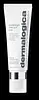
This brightening treatment is formulated around Glycolic Acid and Niacinamide to fade the look of dark spots and refine skin texture.
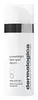
This brightening treatment is formulated around Niacinamide and Hexylresorcinol to fade the look of dark spots and brighten dull-looking skin.

What's inside
What's inside
 Key Ingredients
Benefits
Concerns
Ingredients Side-by-side
Water
Skin ConditioningGlycerin
Humectant


Butylene Glycol
Humectant
Lactobacillus/Pumpkin Fruit Ferment Filtrate
Skin ConditioningGlycolic Acid
Buffering










Polysorbate 20
Emulsifying
Niacinamide
Smoothing


C12-18 Alkanoyl Glycerin/Sebacic Acid Copolymer
Gluconolactone
Chelating
Phytic Acid
Chelating
Mandelic Acid
Antimicrobial
Butyrospermum Parkii Butter
Skin Conditioning


Elaeis Guineensis Butter
Emollient
Sodium Hydroxide
BufferingTetrahydroxypropyl Ethylenediamine
ChelatingHectorite
AbsorbentBehenyl Alcohol
Emollient
Arachidyl Alcohol
Emollient
Tranexamic Acid
Astringent
Dipotassium Glycyrrhizate
Humectant
Simmondsia Chinensis Seed Oil
Emollient
Citrus Aurantium Dulcis Peel Oil
Masking
Citrus Aurantium Bergamia Fruit Oil
Masking

Citrus Limon Peel Oil
Masking
Citrus Paradisi Peel Oil
Masking
Ricinus Communis Seed Oil
Masking
Zingiber Officinale Root Oil
Masking
Lavandula Angustifolia Oil
Masking
Jasminum Sambac Flower Extract
Masking
Vanilla Planifolia Fruit
MaskingViola Odorata Leaf Extract
MaskingCocos Nucifera Oil
Masking
Leuconostoc/Radish Root Ferment Filtrate
Antimicrobial
Peat Extract
Skin ConditioningJuniperus Virginiana Oil
Masking
Curcuma Longa Root Extract
Antioxidant
Prunus Amygdalus Dulcis Oil
Skin Conditioning
Isochrysis Galbana Extract
Skin ConditioningNannochloropsis Gaditana Extract
Antioxidant
Ilex Paraguariensis Leaf Extract
Perfuming
Cucumis Sativus Seed Oil
Emollient
Mimosa Tenuiflora Bark Extract
Skin ProtectingTocopherol
Antioxidant
Squalene
Emollient
Phosphatidylcholine
EmulsifyingCaprylyl Glycol
Emollient
Lecithin
Emollient
Glyceryl Stearate
Emollient
Lauryl Alcohol
Emollient
Ethoxydiglycol
HumectantArachidyl Glucoside
EmulsifyingPalmitic Acid
Emollient
Myristyl Alcohol
Emollient
Bisabolol
Antioxidant
Polyquaternium-80
CleansingDidecyldimonium Chloride
EmulsifyingBeta-Sitosterol
Emulsion Stabilising
Dipteryx Odorata Seed Extract
MaskingXanthan Gum
EmulsifyingMethylpropanediol
SolventCetyl Alcohol
Emollient
Titanium Dioxide
Cosmetic Colorant

Tetrasodium Glutamate Diacetate
ChelatingCitric Acid
Buffering
Stearic Acid
Cleansing
Hydroxyethylcellulose
Emulsion StabilisingCistus Ladaniferus Resin
MaskingStyrax Benzoin Resin Extract
Masking
Sodium Benzoate
Masking
Potassium Sorbate
Preservative
Limonene
Perfuming
Water, Glycerin, Butylene Glycol, Lactobacillus/Pumpkin Fruit Ferment Filtrate, Glycolic Acid, Polysorbate 20, Niacinamide, C12-18 Alkanoyl Glycerin/Sebacic Acid Copolymer, Gluconolactone, Phytic Acid, Mandelic Acid, Butyrospermum Parkii Butter, Elaeis Guineensis Butter, Sodium Hydroxide, Tetrahydroxypropyl Ethylenediamine, Hectorite, Behenyl Alcohol, Arachidyl Alcohol, Tranexamic Acid, Dipotassium Glycyrrhizate, Simmondsia Chinensis Seed Oil, Citrus Aurantium Dulcis Peel Oil, Citrus Aurantium Bergamia Fruit Oil, Citrus Limon Peel Oil, Citrus Paradisi Peel Oil, Ricinus Communis Seed Oil, Zingiber Officinale Root Oil, Lavandula Angustifolia Oil, Jasminum Sambac Flower Extract, Vanilla Planifolia Fruit, Viola Odorata Leaf Extract, Cocos Nucifera Oil, Leuconostoc/Radish Root Ferment Filtrate, Peat Extract, Juniperus Virginiana Oil, Curcuma Longa Root Extract, Prunus Amygdalus Dulcis Oil, Isochrysis Galbana Extract, Nannochloropsis Gaditana Extract, Ilex Paraguariensis Leaf Extract, Cucumis Sativus Seed Oil, Mimosa Tenuiflora Bark Extract, Tocopherol, Squalene, Phosphatidylcholine, Caprylyl Glycol, Lecithin, Glyceryl Stearate, Lauryl Alcohol, Ethoxydiglycol, Arachidyl Glucoside, Palmitic Acid, Myristyl Alcohol, Bisabolol, Polyquaternium-80, Didecyldimonium Chloride, Beta-Sitosterol, Dipteryx Odorata Seed Extract, Xanthan Gum, Methylpropanediol, Cetyl Alcohol, Titanium Dioxide, Tetrasodium Glutamate Diacetate, Citric Acid, Stearic Acid, Hydroxyethylcellulose, Cistus Ladaniferus Resin, Styrax Benzoin Resin Extract, Sodium Benzoate, Potassium Sorbate, Limonene
Water
Skin ConditioningEthylhexyl Isononanoate
EmollientTriolein
Skin Conditioning
Niacinamide
Smoothing
C12-16 Alcohols
Emollient1,2-Hexanediol
Skin Conditioning
Coco-Caprylate/Caprate
Emollient
Lentinus Edodes Mycelium Extract
Skin ConditioningC18-36 Acid Triglyceride
EmollientAcrylates Copolymer
Butylene Glycol
Humectant
Ectoin
Skin Conditioning
Paeonia Suffruticosa Root Extract
Skin ProtectingJojoba Esters
Emollient
Hydroxyacetophenone
Antioxidant
Hexylresorcinol
Antimicrobial
Phytosteryl Macadamiate
Skin Conditioning
Sodium Hyaluronate Crosspolymer
Humectant
Withania Somnifera Root Extract
Skin Conditioning
Phytosterols
Skin Conditioning
Sodium Levulinate
Skin ConditioningC12-18 Acid Triglyceride
EmollientRaspberry Ketone
Masking
Mimosa Tenuiflora Bark Extract
Skin ProtectingVanilla Planifolia Fruit
MaskingIlex Paraguariensis Leaf Extract
Perfuming
Helianthus Annuus Seed Oil
Emollient
Prunus Amygdalus Dulcis Oil
Skin Conditioning
Citrus Aurantium Dulcis Peel Oil
Masking
Citrus Aurantium Bergamia Fruit Oil
Masking
Citrus Limon Peel Oil
Masking
Citrus Paradisi Peel Oil
Masking
Ricinus Communis Seed Oil
Masking
Rosmarinus Officinalis Leaf Extract
AntimicrobialCistus Ladaniferus Resin
MaskingZingiber Officinale Root Oil
Masking
Lavandula Angustifolia Oil
Masking
Ribes Nigrum Seed Oil
Emollient
Jasminum Sambac Flower Extract
Masking
Cucumis Sativus Seed Oil
Emollient
Dipteryx Odorata Seed Extract
MaskingStyrax Benzoin Resin Extract
Masking
Viola Odorata Leaf Extract
MaskingJuniperus Virginiana Oil
Masking
Titanium Dioxide
Cosmetic Colorant
Tocopherol
Antioxidant
Ethylhexylglycerin
Skin ConditioningXanthan Gum
EmulsifyingSclerotium Gum
Emulsion StabilisingHydrogenated Lecithin
Emulsifying
Lecithin
Emollient
Palmitic Acid
Emollient
Octyldecanol
Emollient
Glycerin
Humectant
Octyldodecyl Oleate
Emollient
Squalene
Emollient
Octyldodecyl Stearoyl Stearate
Emollient
Tetrasodium Glutamate Diacetate
ChelatingCaprylyl Glycol
Emollient
Benzyl Glycol
SolventLaureth-21
CleansingPullulan
Silica
Abrasive
Alumina
Abrasive
Sodium Hydroxide
BufferingSodium Dehydroacetate
Preservative
Sodium Benzoate
Masking
Citral
Perfuming
Limonene
Perfuming
Linalool
Perfuming
Water, Ethylhexyl Isononanoate, Triolein, Niacinamide, C12-16 Alcohols, 1,2-Hexanediol, Coco-Caprylate/Caprate, Lentinus Edodes Mycelium Extract, C18-36 Acid Triglyceride, Acrylates Copolymer, Butylene Glycol, Ectoin, Paeonia Suffruticosa Root Extract, Jojoba Esters, Hydroxyacetophenone, Hexylresorcinol, Phytosteryl Macadamiate, Sodium Hyaluronate Crosspolymer, Withania Somnifera Root Extract, Phytosterols, Sodium Levulinate, C12-18 Acid Triglyceride, Raspberry Ketone, Mimosa Tenuiflora Bark Extract, Vanilla Planifolia Fruit, Ilex Paraguariensis Leaf Extract, Helianthus Annuus Seed Oil, Prunus Amygdalus Dulcis Oil, Citrus Aurantium Dulcis Peel Oil, Citrus Aurantium Bergamia Fruit Oil, Citrus Limon Peel Oil, Citrus Paradisi Peel Oil, Ricinus Communis Seed Oil, Rosmarinus Officinalis Leaf Extract, Cistus Ladaniferus Resin, Zingiber Officinale Root Oil, Lavandula Angustifolia Oil, Ribes Nigrum Seed Oil, Jasminum Sambac Flower Extract, Cucumis Sativus Seed Oil, Dipteryx Odorata Seed Extract, Styrax Benzoin Resin Extract, Viola Odorata Leaf Extract, Juniperus Virginiana Oil, Titanium Dioxide, Tocopherol, Ethylhexylglycerin, Xanthan Gum, Sclerotium Gum, Hydrogenated Lecithin, Lecithin, Palmitic Acid, Octyldecanol, Glycerin, Octyldodecyl Oleate, Squalene, Octyldodecyl Stearoyl Stearate, Tetrasodium Glutamate Diacetate, Caprylyl Glycol, Benzyl Glycol, Laureth-21, Pullulan, Silica, Alumina, Sodium Hydroxide, Sodium Dehydroacetate, Sodium Benzoate, Citral, Limonene, Linalool
Reviews
Alternatives
Ingredients Explained
These ingredients are found in both products.
Ingredients higher up in an ingredient list are typically present in a larger amount.
Butylene Glycol (or BG) is used within cosmetic products for a few different reasons:
Overall, Butylene Glycol is a safe and well-rounded ingredient that works well with other ingredients.
Though this ingredient works well with most skin types, some people with sensitive skin may experience a reaction such as allergic rashes, closed comedones, or itchiness.
Learn more about Butylene GlycolCaprylyl Glycol is a humectant, skin conditioner, emollient, and preservative booster derived from either caprylic acid or synthetically created.
Typical use levels vary from 0.3-1% as a preservative booster and go up to 2% to condition skin.
Because it is not a free-fatty acid, this ingredient is fungal acne safe (there's nothing for Malassezia to feed on).
Learn more about Caprylyl GlycolThis flower is native to the Mediterranean.
Citrus Aurantium Bergamia Fruit Oil is the oil from the bergamot orange and is primarily used as a fragrance. It has a "fresh" and "bright orange" scent.
The main aroma compounds found in this ingredient are limonene (~27-52%), linalool (~2-22%), and linalyl acetate (~27-40%). These are known EU fragrance allergens.
The term 'fragrance' is not regulated in many countries. In many cases, it is up to the brand to define this term. For instance, many brands choose to label themselves as "fragrance-free" because they are not using synthetic fragrances. However, their products may still contain ingredients such as essential oils that are considered a fragrance.
When used topically, Citrus Aurantium Bergamia Fruit Oil is a photosensitizer due to the furanocoumarin content. Furanocoumarins absorb UV-A and cause phytophotodermatitis; this can look like redness, blistering, and lasting brown pigmentation on sun-exposed skin.
Due to this, this ingredient is capped at 0.4% in leave-on products applied to sun exposed skin.
Many modern formulas used a "furanocoumarin-free" version that sidesteps the phototoxicity issue, but still contains the fragrance allergens.
Learn more about Citrus Aurantium Bergamia Fruit OilCitrus Aurantium Dulcis Peel Oil is oil from the peel of an orange fruit.
Limonene and linalool make up the majority of oils from citrus peels. Limonene has a "citrus" fragrance. Citrus peels also contain flavonoids, which have anti-inflammatory properties.
Citrus peel is also a rich source of flavonoids. Flavonoids are natural antioxidants and help protect your skin against damage. Flavonoids are a group of compounds naturally found in vegetables and fruits.
The term 'fragrance' is not regulated in many countries. In many cases, it is up to the brand to define this term. For instance, many brands choose to label themselves as "fragrance-free" because they are not using synthetic fragrances. However, their products may still contain ingredients such as essential oils that are considered a fragrance.
Learn more about Citrus Aurantium Dulcis Peel OilCitrus Limon Peel Oil is created from the peels of the lemon. It is used to add a lemon-scent to products. Lemon peel oil also has antibacterial, antifungal, and antioxidant properties. However, it may also cause phototoxicity and sensitize skin.
Lemon peel oil contains limonene, a skin sensitizing ingredient. Another component is furanocoumarin, which induces phototoxicity in skin.
Furanocoumarins bind and destabilize your DNA to increase the rate of sunburn.
Most reputable companies will remove furanocoumarins from their formulations.
Learn more about Citrus Limon Peel OilThis ingredient is also known as grapefruit peel oil. It is mainly used as a fragrance/perfuming ingredient and is made up of about 99-92% limonene.
Though in vitro or food science has shown this oil to be antibacterial, possess antioxidant activity, and be anti-inflammatory, there's very little research testing it directly on human skin or in cosmetics.
Limonene is a known skin sensitizer. Because grapefruit peel oil can contain furanocoumarins, this ingredient can also cause phototoxicity. It is possible to created furanocoumarin-free versions that are not phototoxic; it is best to reach out to the brand if you have questions about this ingredient in your cosmetics.
Learn more about Citrus Paradisi Peel OilCucumis Sativus Seed Oil is created from the seeds of the cucumber.
Cucumber seed oil is an emollient, meaning it helps hydrate the skin. Emollients create a barrier on the skin that prevents moisture from escaping.
Cucumber seed oil also contains Vitamin E, an antioxidant and soothing ingredient.
Learn more about Cucumis Sativus Seed OilThis ingredient comes from the tonka bean tree.
Glycerin (or glycerol) is a compound naturally found in your skin. It's a powerhouse humectant that pulls water into the stratum corneum.
Topically, glycerin does several things at once:
Your skin makes glycerin on its own (mostly from sebaceous oil breakdown) and shuttles it to your outermost layer of skin, or your epidermis, via aquaporin-3.
Aquaporin-3 is a transporter that is essential for normal skin hydration, elasticity, and repair. Interestingly, mice lacking in AQP3 have dry and less elastic skin that can be fully corrected with glycerin.
This ingredient is non-irritating, plays well with almost every ingredient, and works across all skin types. Typical use is anywhere between 3-10% but can go up to 79% in some leave-on products.
Just know very high concentrations (>40%) can feel tacky in low humidity.
Glycerin is the name for this ingredient in American English. British English uses Glycerol/Glycerine.
Learn more about GlycerinIlex Paraguariensis Leaf Extract is a fragrance.
Jasminum Sambac Flower Extract is a fragrance.
Juniperus Virginiana Oil is the volatile oil obtained from the fruits and leaves of the Red Cedar tree. This tree is native to North America.
Lavandula Angustifolia Oil is more commonly known as lavender essential oil. It is considered a fragrancing ingredient.
Lavender imparts a famous scent. While the smell is lovely, this ingredient and may sensitize skin in topical products. This is because about 85% of the oil is made up of linalool and linalyl acetate.
When exposed to air, these two compounds become strong allergens. This ingredient exhibits cytotoxicity at low concentrations; amounts of 0.25% have been shown to damage skin cells.
A study from Japan found this ingredient caused lavender sensitivity after widespread exposure.
Lavender essential oil has some antimicrobial, antibacterial, and anti-inflammatory properties. However, the cons of this ingredient may outweight the pros.
More research is needed to confirm lavender essential oil's effects when used in aromatherapy.
Lavandula Angustifolia is known as the English Lavender and famous for creating purple fields in Provence, France.
Learn more about Lavandula Angustifolia OilLecithin is a term for a group of substances found in the cell membranes of plants, animals, and humans. They are made up of phospholipids.
Thanks to its amphiphilic structure (water-loving head and oil-loving tail), it is a true multitasker:
It plays well with most ingredients and is typically used at 0.1-1%. However, concentrations up to 50% have been reported in moisturizers.
Learn more about LecithinLimonene is the compound that gives citrus peel its smell.
In skincare, it shows up as a standalone fragrance ingredient or as a natural compound of citrus and other essential oils.
You'll typically see this ingredient used in very small amounts; anything above 0.001% in a leave-on product or 0.01% in a rinse-off has to be named on the label in the EU. The citrus oils that carry it sit around 0.5-1% in a finished formula.
Fresh limonene is a weak allergen; the real issue is that it slowly reacts with air and then breaks down from oxidation to create hydroperoxides (which are strong sensitizers). This is why suppliers are required to keep the peroxide value below 20 mmol.
Positive reactions in people being investigated for eczema vary:
It's worth skipping if you have a known fragrance allergy or a compromised barrier, but the risk is low for most people.
Older or long-opened products are also more likely to bother you than fresh ones due to oxidation.
Learn more about LimoneneWe don't have a description for Mimosa Tenuiflora Bark Extract yet.
Niacinamide is a multitasking form of vitamin B3 that strengthens the skin barrier, reduces pores and dark spots, regulates oil, and improves signs of aging.
And the best part? It's gentle and well-tolerated by most skin types, including sensitive and reactive skin.
You might have heard of "niacin flush", or the reddening of skin that causes itchiness. Niacinamide has not been found to cause this.
In very rare cases, some individuals may not be able to tolerate niacinamide at all or experience an allergic reaction to it.
If you are experiencing flaking, irritation, and dryness with this ingredient, be sure to double check all your products as this ingredient can be found in all categories of skincare.
When incorporating niacinamide into your routine, look out for concentration amounts. Typically, 5% niacinamide provides benefits such as fading dark spots. However, if you have sensitive skin, it is better to begin with a smaller concentration.
When you apply niacinamide to your skin, your body converts it into nicotinamide adenine dinucleotide (NAD). NAD is an essential coenzyme that is already found in your cells as "fuel" and powers countless biological processes.
In your skin, NAD helps repair cell damage, produce new healthy cells, support collagen production, strengthen the skin barrier, and fight environmental stressors (like UV and pollution).
Our natural NAD levels start to decline with age, leading to slower skin repair, visible aging, and a weaker skin barrier. By providing your skin niacinamide, you're recharging your skin's NAD levels. This leads to stronger, healthier, and younger looking skin.
Another name for vitamin B3 is nicotinamide. This vitamin is water-soluble and our bodies don't store it. We obtain Vitamin B3 from either food or skincare. Meat, fish, wheat, yeast, and leafy greens contain vitamin B3.
The type of niacinamide used in skincare is synthetically created.
Learn more about NiacinamidePalmitic Acid is a fatty acid naturally found in our skin and in many plant and animal sources.
In cosmetics, it is usually derived from palm oil. It serves many purposes in skincare, acting as a cleanser, emollient, and emulsifier.
Interestingly, topically applied Palmitic Acid can be elongated into longer chain fatty acids and ceramides. A 2019 study found low levels of Palmitic Acid lead to slower development of cells, suggesting it plays a role in keeping your skin's renewal process on track.
The CIR (Cosmetic Ingredient Review) panel determined it safe as used in cosmetics at concentrations up to 13%. It is non-irritating and non-sensitizing in clinical studies.
The culprit behind fungal acne, the Malassezia yeast, feeds on fatty acids with carbon chain lengths between C11-C24. Palmitic Acid, at C16, falls right into that sweet spot.
In vitro studies have shown that Palmitic Acid is one of the fatty acids that induce rapid Malassezia growth in lab settings.
It's worth noting that what feeds yeast in a lab doesn't necessarily feed it on your face since formulation and your skin's chemistry play a bigger role.
This ingredient does have a comedogenic rating of 2, but this doesn't mean a formula with this ingredient will clog pores.
Human testing has proved that any finished product with a comedogenic ingredient won't automatically make you break out; it really comes down to concentration, formula, and your skin.
Learn more about Palmitic AcidThis ingredient is also known as sweet almond oil. It is a lightweight, cold-pressed oil from the ripe seeds of the sweet almond tree.
Sweet almond oil is rich in skin-nourishing fatty acids such as oleic acid (55-86%) and linolenic acid (7-35%).
As an emollient, it softens and hydrates skin by forming a thin barrier that locks in moisture.
Clinical studies have found it to be non-irritating and non-sensitizing. The CIR Expert Panel has evaluated the available safety data and concluded it is safe for topical use.
Because of the oleic acid content, this ingredient may not be fungal acne safe.
This ingredient does have a comedogenic rating of 3, but this doesn't mean a formula with this ingredient will clog pores.
Human testing has proved that any finished product with a comedogenic ingredient won't automatically make you break out; it really comes down to concentration, formula, and your skin.
Learn more about Prunus Amygdalus Dulcis OilThis ingredient is also known as castor oil. It is a skin conditioning ingredient.
The star component of castor oil is ricinoleic acid, an unusual fatty acid that makes up ~80-92% of its composition.
In skincare, it is an emollient that dries down to a solid film with water-binding properties. This helps keep skin hydrated and helps reduce transepidermal water loss (TEWL).
A 2026 dermatology review pulls together its broader uses:
Human clinical testing found this ingredient to be non-irritating and non-sensitizing.
Because castor oil contains fatty acids in the C11-24 range, this ingredient may not be fungal acne safe.
At this time, the literature does not support castor oil in regrowing hair. A 2022 systematic review found no strong evidence that it supports hair growth and only weak evidence that it improves hair shine.
Castor oil itself carries "perfuming" and "masking" function tags according to the official CosIng database. This is because of its mild odor and odor-dampening properties.
Learn more about Ricinus Communis Seed OilSodium Benzoate is a preservative. It's used in both cosmetic and food products to inhibit the growth of mold and bacteria. It is typically produced synthetically.
Both the US FDA and EU Health Committee have approved the use of sodium benzoate. In the US, levels of 0.1% (of the total product) are allowed.
Sodium benzoate works as a preservative by inhibiting the growth of bacteria inside of cells. It prevents the cell from fermenting a type of sugar using an enzyme called phosphofructokinase.
It is the salt of benzoic acid. Foods containing sodium benzoate include soda, salad dressings, condiments, fruit juices, wines, and snack foods.
Studies for using ascorbic acid and sodium benzoate in cosmetics are lacking, especially in skincare routines with multiple steps.
We always recommend speaking with a professional, such as a dermatologist, if you have any concerns.
Learn more about Sodium BenzoateSodium Hydroxide is also known as lye or caustic soda. It is used to adjust the pH of products; many ingredients require a specific pH to be effective.
In small amounts, sodium hydroxide is considered safe to use. However, large amounts may cause chemical burns due to its high alkaline.
Your skin has a natural pH and acid mantle. This acid mantle helps prevent harmful bacteria from breaking through. The acid mantle also helps keep your skin hydrated.
"Alkaline" refers to a high pH level. A low pH level would be considered acidic.
Learn more about Sodium HydroxideSqualene is one of the main components of skin surface lipids. It is naturally found in our skin and makes up about 13% of sebum.
Topically, it is an emollient and skin conditioning agent.
Research highlights its role in antioxidant activity, anti-inflammatory effects, skin barrier protection, and wound healing support.
In vivo research has shown that transepidermal water loss (TEWL) caused by irritant exposure can be reverse with squalene supplementation (pointing to barrier recovery support).
Its antioxidant activity is backed by ex vivo and cell-based evidence showing it can scavenge free radicals but large-scale human clinical trials isolating this effect remain limited.
One study found squalene regulated proinflammatory behavior in ways relevant to wound healing, and in vitro fibroblast studies also shows it stimulates cell migration which is a key step in skin repair.
There's just one nuance to know about this ingredient:
Squalene is particularly vulnerable to oxidation; it breaks down from UV exposure 10x faster than the other lipids on your skin's surface. The byproducts of that breakdown can clog pores and trigger inflammation, potentially worsening acne.
This is why squalene is often hydrogenated into its stable counterpart: squalane (with an "a"). Most great formulations will have alreadu kept this in mind.
Squalene has shown no significant clinical evidence of sensitization and is a great hydrating ingredient.
Learn more about SqualeneThis ingredient is used to add a warm, sweet, and vanilla-like scent to products.
Tetrasodium Glutamate Diacetate is a chelating agent. Chelating agents help prevent metal ions from binding to other ingredients. This helps prevent unwanted effects and reactions from a product. These metal ions may come from water and are found in miniscule amounts.
Tetrasodium Glutamate Diacetate can also help other preservatives be more effective.
Titanium Dioxide (TD) is a mineral UV filter widely used in sunscreens and cosmetics.
It's one of only two UV filters officially classified as "mineral" by regulatory agencies (the other being Zinc Oxide).
A really common myth is that mineral filters work by reflecting UV light off your skin like tiny mirrors.
They don't only do that; modern research shows TD protects mostly by absorbing UV radiation, the same way chemical filters do.
When researchers measured this, reflection accounted for only about 4-5% of the protection (and less than SPF 2 on its own). The other ~95% comes from absorption: the UV photons hit the particle and their energy gets soaked up by its semiconductor band gap rather than bouncing off.
So "reflects vs. absorbs" was never really the right way to split mineral from chemical filters.
TD gives broad-spectrum protection that's strongest in the UVB and UVA-2 range and weaker in the UVA-1 range. Its UVA protection isn't quite as strong as Zinc Oxide's which is why you'll often see the two paired together.
Together, they make a solid broad-spectrum system.
TD is a great pick for sensitive, acne-prone, or redness-prone skin because it's non-irritating and chemically inert. Regulatory reviews classify it as a non-sensitizer and mild-to-non-irritant.
It's also unlikely to cause the "eye sting" some chemical filters are known for.
The main trade-off is cosmetic; TD can leave a white cast and has a thicker texture. This is why mineral sunscreens are often less cosmetically elegant than chemical or hybrid formulas (and harder to shade-match on deeper skin tones).
Formulators often use micronized or nano-sized TD to cut down on white case and improve spreadability. Smaller particles scatter less visible light so the formula looks less chalky while still filtering UV.
TD is almost always bundled with coatings like Alumina, Silica, Stearic Acid, or Dimethicone. These coatings do two important jobs:
TD can be used at up to 25% in a finished sunscreen; this is the regulatory ceiling in both the US and the EU.
In practice, the amount in any given product varies a lot depending on the target SPF and whether it's paired with other UV filters.
TD is one of the most heavily vetted sunscreen ingredients out there. It is approved as a UV filter in all major markets worldwide, including the US, EU, UK, Japan, Korea, China, Australia, and Canada.
The safety evidence is solid. There was an old worry that nano particles might absorb through skin into the body but multiple studies (including on damaged, sunburned, and UV-irradiated skin) have shown that TD stays on the surface and the layer of dead skin cells on top of everything else.
There's also no evidence of carcinogenicity, mutagenicity, or reproductive toxicity from dermal exposure of this ingredient.
For those who have seen the headline about a 2022 EU ban on TD, that was on TD as a food additive (a complete separate use from topical sunscreen).
There are ongoing questions about how nano-TD might affect marine ecosystems. As of now, there has been no conclusive evidence that any form of TD (or any other sunscreen filter) harms coral reefs or marine life.
The science is still developing and it's a space worth watching rather than packing over.
However, several destinations have reef-safety sunscreen rules that restrict certain chemical filters and steer visitors toward mineral, non-nano options. If you're traveling somewhere with these rules, a non-nano mineral sunscreen is the safe bet.
Learn more about Titanium DioxideTocopherol is a fat-soluble antioxidant known as Vitamin E.
You'll find this ingredient in the vast majority of skincare (for good reason). It works to neutralize free radicals, or unstable molecules generated by UV exposure, pollution, and other environmental stressors, before they can cause oxidative damage to your skin cells.
Topically applied tocopherol has been shown to protect against UV damage by ramping up the skin's own natural defense enzymes.
It also acts as a skin conditioning agent; some studies show that regular topical use can improve the skin's water-binding capacity over 2-4 weeks.
This ingredient is especially loved for being a team player. When combined with Vitamin C, the photoprotective effect of both ingredients roughly doubles and the combo also helps reduce UV-induced DNA damage.
This ingredient has some brightening potential but it's more of a prevention ingredient than spot-fader. Cell studies show it can slow down melanin production but it's worth noting that it's not the most powerful brightener out there.
In formulations, it also serves as a stabilizer that helps protect other oxidation-prone ingredients from degrading.
Concentrations usually range from 0.1-1% in most leave-on products.
Learn more about TocopherolVanilla Planifolia Fruit comes from the vanilla orchid. This ingredient is skin-soothing and contains polyphenols.
These polyphenols give it antioxidant properties.
We don't have a description for Viola Odorata Leaf Extract yet.
Water. It's the most common cosmetic ingredient of all. You'll usually see it at the top of ingredient lists, meaning that it makes up the largest part of the product.
So why is it so popular? Water most often acts as a solvent - this means that it helps dissolve other ingredients into the formulation.
You'll also recognize water as that liquid we all need to stay alive. If you see this, drink a glass of water. Remember to stay hydrated!
Learn more about WaterXanthan gum is used as a stabilizer and thickener within cosmetic products. It helps give products a sticky, thick feeling - preventing them from being too runny.
On the technical side of things, xanthan gum is a polysaccharide - a combination consisting of multiple sugar molecules bonded together.
Xanthan gum is a pretty common and great ingredient. It is a natural, non-toxic, non-irritating ingredient that is also commonly used in food products.
Learn more about Xanthan GumZingiber Officinale is more commonly known as ginger.
Studies show the ginger root has antioxidant, anti-inflammation, and antimicrobial properties.
The antioxidant properties help protect your body from free-radicals. Free-radicals are molecules that may damage your skin cells. As a result, ginger may help slow down signs of aging such as hyperpigmentation and wrinkles.
Ginger originates from Southeast Asia but has spread throughout the world. It is now a common spice used in many cultures.
Learn more about Zingiber Officinale Root Oil

