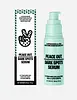
This brightening serum is formulated around Lactic Acid and Tranexamic Acid to fade the look of dark spots and refine skin texture.
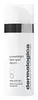
This brightening treatment is formulated around Niacinamide and Hexylresorcinol to fade the look of dark spots and brighten dull-looking skin.

What's inside
What's inside
 Key Ingredients
Benefits
Concerns
Ingredients Side-by-side
Water
Skin ConditioningPropanediol
Solvent

Lactic Acid
Buffering










Diglycerin
Humectant
Squalane
Emollient
Triheptanoin
Skin ConditioningMandelic Acid
Antimicrobial
Tranexamic Acid
Astringent


Alpha-Arbutin
Antioxidant

Glycolic Acid
Buffering
Sodium Hydroxide
BufferingSilica
Abrasive
Coco-Caprylate/Caprate
Emollient
Sodium Polyacryloyldimethyl Taurate
Emulsion StabilisingNiacinamide
Smoothing
Sodium PCA
Humectant
Kojic Acid
Antioxidant
Bakuchiol
Antimicrobial
Nonapeptide-1
Skin Conditioning
Oligopeptide-34
Skin Conditioning
Camellia Sinensis Leaf Extract
Antimicrobial
Glycerin
Humectant
Caprylyl Glycol
Emollient
Cetearyl Olivate

Sorbitan Olivate
Emulsifying
Dilinoleic Acid/Butanediol Copolymer
Trisodium Ethylenediamine Disuccinate
ChelatingCastor Oil/Ipdi Copolymer

Sodium Carbonate
BufferingEthylhexylglycerin
Skin ConditioningWater, Propanediol, Lactic Acid, Diglycerin, Squalane, Triheptanoin, Mandelic Acid, Tranexamic Acid, Alpha-Arbutin, Glycolic Acid, Sodium Hydroxide, Silica, Coco-Caprylate/Caprate, Sodium Polyacryloyldimethyl Taurate, Niacinamide, Sodium PCA, Kojic Acid, Bakuchiol, Nonapeptide-1, Oligopeptide-34, Camellia Sinensis Leaf Extract, Glycerin, Caprylyl Glycol, Cetearyl Olivate, Sorbitan Olivate, Dilinoleic Acid/Butanediol Copolymer, Trisodium Ethylenediamine Disuccinate, Castor Oil/Ipdi Copolymer, Sodium Carbonate, Ethylhexylglycerin
Water
Skin ConditioningEthylhexyl Isononanoate
EmollientTriolein
Skin Conditioning
Niacinamide
Smoothing
C12-16 Alcohols
Emollient1,2-Hexanediol
Skin Conditioning
Coco-Caprylate/Caprate
Emollient
Lentinus Edodes Mycelium Extract
Skin ConditioningC18-36 Acid Triglyceride
EmollientAcrylates Copolymer
Butylene Glycol
Humectant
Ectoin
Skin Conditioning
Paeonia Suffruticosa Root Extract
Skin ProtectingJojoba Esters
Emollient
Hydroxyacetophenone
Antioxidant
Hexylresorcinol
Antimicrobial
Phytosteryl Macadamiate
Skin Conditioning
Sodium Hyaluronate Crosspolymer
Humectant
Withania Somnifera Root Extract
Skin Conditioning
Phytosterols
Skin Conditioning
Sodium Levulinate
Skin ConditioningC12-18 Acid Triglyceride
EmollientRaspberry Ketone
Masking

Mimosa Tenuiflora Bark Extract
Skin ProtectingVanilla Planifolia Fruit
MaskingIlex Paraguariensis Leaf Extract
Perfuming
Helianthus Annuus Seed Oil
Emollient
Prunus Amygdalus Dulcis Oil
Skin Conditioning
Citrus Aurantium Dulcis Peel Oil
Masking
Citrus Aurantium Bergamia Fruit Oil
Masking
Citrus Limon Peel Oil
Masking
Citrus Paradisi Peel Oil
Masking
Ricinus Communis Seed Oil
Masking
Rosmarinus Officinalis Leaf Extract
AntimicrobialCistus Ladaniferus Resin
MaskingZingiber Officinale Root Oil
Masking
Lavandula Angustifolia Oil
Masking
Ribes Nigrum Seed Oil
Emollient
Jasminum Sambac Flower Extract
Masking
Cucumis Sativus Seed Oil
Emollient
Dipteryx Odorata Seed Extract
MaskingStyrax Benzoin Resin Extract
Masking
Viola Odorata Leaf Extract
MaskingJuniperus Virginiana Oil
Masking
Titanium Dioxide
Cosmetic Colorant

Tocopherol
Antioxidant
Ethylhexylglycerin
Skin ConditioningXanthan Gum
EmulsifyingSclerotium Gum
Emulsion StabilisingHydrogenated Lecithin
Emulsifying
Lecithin
Emollient
Palmitic Acid
Emollient
Octyldecanol
Emollient
Glycerin
Humectant
Octyldodecyl Oleate
Emollient
Squalene
Emollient
Octyldodecyl Stearoyl Stearate
Emollient
Tetrasodium Glutamate Diacetate
ChelatingCaprylyl Glycol
Emollient
Benzyl Glycol
SolventLaureth-21
CleansingPullulan
Silica
Abrasive
Alumina
Abrasive
Sodium Hydroxide
BufferingSodium Dehydroacetate
Preservative
Sodium Benzoate
Masking
Citral
Perfuming
Limonene
Perfuming
Linalool
Perfuming
Water, Ethylhexyl Isononanoate, Triolein, Niacinamide, C12-16 Alcohols, 1,2-Hexanediol, Coco-Caprylate/Caprate, Lentinus Edodes Mycelium Extract, C18-36 Acid Triglyceride, Acrylates Copolymer, Butylene Glycol, Ectoin, Paeonia Suffruticosa Root Extract, Jojoba Esters, Hydroxyacetophenone, Hexylresorcinol, Phytosteryl Macadamiate, Sodium Hyaluronate Crosspolymer, Withania Somnifera Root Extract, Phytosterols, Sodium Levulinate, C12-18 Acid Triglyceride, Raspberry Ketone, Mimosa Tenuiflora Bark Extract, Vanilla Planifolia Fruit, Ilex Paraguariensis Leaf Extract, Helianthus Annuus Seed Oil, Prunus Amygdalus Dulcis Oil, Citrus Aurantium Dulcis Peel Oil, Citrus Aurantium Bergamia Fruit Oil, Citrus Limon Peel Oil, Citrus Paradisi Peel Oil, Ricinus Communis Seed Oil, Rosmarinus Officinalis Leaf Extract, Cistus Ladaniferus Resin, Zingiber Officinale Root Oil, Lavandula Angustifolia Oil, Ribes Nigrum Seed Oil, Jasminum Sambac Flower Extract, Cucumis Sativus Seed Oil, Dipteryx Odorata Seed Extract, Styrax Benzoin Resin Extract, Viola Odorata Leaf Extract, Juniperus Virginiana Oil, Titanium Dioxide, Tocopherol, Ethylhexylglycerin, Xanthan Gum, Sclerotium Gum, Hydrogenated Lecithin, Lecithin, Palmitic Acid, Octyldecanol, Glycerin, Octyldodecyl Oleate, Squalene, Octyldodecyl Stearoyl Stearate, Tetrasodium Glutamate Diacetate, Caprylyl Glycol, Benzyl Glycol, Laureth-21, Pullulan, Silica, Alumina, Sodium Hydroxide, Sodium Dehydroacetate, Sodium Benzoate, Citral, Limonene, Linalool
Reviews
Alternatives
Ingredients Explained
These ingredients are found in both products.
Ingredients higher up in an ingredient list are typically present in a larger amount.
Caprylyl Glycol is a humectant, skin conditioner, emollient, and preservative booster derived from either caprylic acid or synthetically created.
Typical use levels vary from 0.3-1% as a preservative booster and go up to 2% to condition skin.
Because it is not a free-fatty acid, this ingredient is fungal acne safe (there's nothing for Malassezia to feed on).
Learn more about Caprylyl GlycolCoco-Caprylate/Caprate is a lightweight ester created from coconut oil fatty acids, caprylic acid, and capric acid.
It is an emollient that helps soften skin and reduce transepidermal water loss (TEWL). What sets it apart from heavier emollients is its ultralight, non-greasy feel.
Once applied, this ingredient dries down quickly and leaves a dry, silky finish behind. This also helps improve spreadability and texture.
This ingredient has an excellent safety-record and is non-irritating.
Typical concentrations for cosmetics range from 0.5-62%.
Research on Malassezia growth found no growth on fatty acid esters with chain lengths shorter than 12 carbons (it prefers C11-24).
Since Coco-Caprylate/Caprate is built on C8 and C10 fatty acids, it is out of the range that Malassezia metabolizes, and therefore safe for fungal acne.
Learn more about Coco-Caprylate/CaprateEthylhexylglycerin is created from glycerin. It is a multitasker ingredient that:
The CIR Expert Panel found minimal skin absorption or sensitization of any kind in a safety assessment. Though this ingredient is considered well-tolerated, a small number of cases of allergic dermatitis have been published since 2002. Just be sure to patch test if you are unsure.
Industry-reported use ranges from 8% in rinse-off products and 2% in leave-on formulations.
Learn more about EthylhexylglycerinGlycerin (or glycerol) is a compound naturally found in your skin. It's a powerhouse humectant that pulls water into the stratum corneum.
Topically, glycerin does several things at once:
Your skin makes glycerin on its own (mostly from sebaceous oil breakdown) and shuttles it to your outermost layer of skin, or your epidermis, via aquaporin-3.
Aquaporin-3 is a transporter that is essential for normal skin hydration, elasticity, and repair. Interestingly, mice lacking in AQP3 have dry and less elastic skin that can be fully corrected with glycerin.
This ingredient is non-irritating, plays well with almost every ingredient, and works across all skin types. Typical use is anywhere between 3-10% but can go up to 79% in some leave-on products.
Just know very high concentrations (>40%) can feel tacky in low humidity.
Glycerin is the name for this ingredient in American English. British English uses Glycerol/Glycerine.
Learn more about GlycerinNiacinamide is a multitasking form of vitamin B3 that strengthens the skin barrier, reduces pores and dark spots, regulates oil, and improves signs of aging.
And the best part? It's gentle and well-tolerated by most skin types, including sensitive and reactive skin.
You might have heard of "niacin flush", or the reddening of skin that causes itchiness. Niacinamide has not been found to cause this.
In very rare cases, some individuals may not be able to tolerate niacinamide at all or experience an allergic reaction to it.
If you are experiencing flaking, irritation, and dryness with this ingredient, be sure to double check all your products as this ingredient can be found in all categories of skincare.
When incorporating niacinamide into your routine, look out for concentration amounts. Typically, 5% niacinamide provides benefits such as fading dark spots. However, if you have sensitive skin, it is better to begin with a smaller concentration.
When you apply niacinamide to your skin, your body converts it into nicotinamide adenine dinucleotide (NAD). NAD is an essential coenzyme that is already found in your cells as "fuel" and powers countless biological processes.
In your skin, NAD helps repair cell damage, produce new healthy cells, support collagen production, strengthen the skin barrier, and fight environmental stressors (like UV and pollution).
Our natural NAD levels start to decline with age, leading to slower skin repair, visible aging, and a weaker skin barrier. By providing your skin niacinamide, you're recharging your skin's NAD levels. This leads to stronger, healthier, and younger looking skin.
Another name for vitamin B3 is nicotinamide. This vitamin is water-soluble and our bodies don't store it. We obtain Vitamin B3 from either food or skincare. Meat, fish, wheat, yeast, and leafy greens contain vitamin B3.
The type of niacinamide used in skincare is synthetically created.
Learn more about NiacinamideSilica, also known as silicon dioxide, is a naturally occurring mineral. It is used as a fine, spherical, and porous powder in cosmetics.
Though it has exfoliant properties, the function of silica varies depending on the product.
The unique structure of silica enhances the spreadability and adds smoothness, making it a great texture enhancer.
It is also used as an active carrier, emulsifier, and mattifier due to its ability to absorb excess oil.
In some products, tiny microneedles called spicules are made from silica or hydrolyzed sponge. When you rub them in, they lightly polish away dead skin layers and enhance the penetration of active ingredients.
Learn more about SilicaSodium Hydroxide is also known as lye or caustic soda. It is used to adjust the pH of products; many ingredients require a specific pH to be effective.
In small amounts, sodium hydroxide is considered safe to use. However, large amounts may cause chemical burns due to its high alkaline.
Your skin has a natural pH and acid mantle. This acid mantle helps prevent harmful bacteria from breaking through. The acid mantle also helps keep your skin hydrated.
"Alkaline" refers to a high pH level. A low pH level would be considered acidic.
Learn more about Sodium HydroxideWater. It's the most common cosmetic ingredient of all. You'll usually see it at the top of ingredient lists, meaning that it makes up the largest part of the product.
So why is it so popular? Water most often acts as a solvent - this means that it helps dissolve other ingredients into the formulation.
You'll also recognize water as that liquid we all need to stay alive. If you see this, drink a glass of water. Remember to stay hydrated!
Learn more about Water

