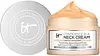
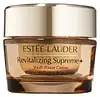
IT Cosmetics Confidence in a Neck Cream Moisturizer Versus Estée Lauder Revitalizing Supreme+ Youth Power Creme
This anti-aging moisturizer is formulated around Niacinamide and Copper Tripeptide-1 to soften the look of wrinkles.
This anti-aging day moisturizer is formulated around Moringa Oleifera Seed Extract and Acetyl Hexapeptide-8 to soften the look of wrinkles and hydrate skin.

What's inside
What's inside
 Key Ingredients
Benefits
Concerns
Ingredients Side-by-side
Water
Skin ConditioningGlycerin
Humectant


Mica
Cosmetic ColorantDimethicone
Emollient
Caprylic/Capric Triglyceride
Masking
Methylpropanediol
SolventGlyceryl Stearate
Emollient

Butyrospermum Parkii Butter
Skin Conditioning


1,2-Hexanediol
Skin Conditioning
Pvp
Emulsion StabilisingPolyglyceryl-3 Methylglucose Distearate
Emulsifying
PEG-100 Stearate
Surfactant
Stearic Acid
Cleansing
Hydrogenated Polyisobutene
EmollientPalmitic Acid
Emollient
Sorbitan Olivate
Emulsifying
Cetearyl Olivate
Aloe Barbadensis Leaf Extract
Emollient

Cocos Nucifera Oil
Masking

Isopropyl Myristate
Emollient
Citrus Aurantium Dulcis Peel Oil
Masking
Polyimide-1
Butylene Glycol
Humectant
Ammonium Acryloyldimethyltaurate/Vp Copolymer
Menthone Glycerin Acetal
Refreshing
Menthyl Lactate
Masking
CI 77891
Cosmetic ColorantHydrogenated Lecithin
Emulsifying
Xanthan Gum
EmulsifyingAllantoin
Skin Conditioning
Portulaca Oleracea Extract
Skin Conditioning
Citrus Paradisi Peel Oil
Masking

Citrus Grandis Peel Oil
Masking
Myristic Acid
Cleansing
Ethylhexylglycerin
Skin ConditioningTocopheryl Acetate
Antioxidant


Buteth-3
SolventDisodium EDTA
Sodium Benzotriazolyl Butylphenol Sulfonate
UV AbsorberCI 15985
Cosmetic ColorantSodium Hyaluronate
Humectant

Niacinamide
Smoothing





Phenoxyethanol
Preservative
Citral
Perfuming
T-Butyl Alcohol
Perfuming

Tin Oxide
Abrasive
Tributyl Citrate
SolventHydrolyzed Collagen
Emollient
Lactobacillus/Coconut Fruit Juice Ferment Filtrate
Skin Conditioning
Ceramide NP
Skin Conditioning
Copper Tripeptide-1
Skin Conditioning
Citrus Sinensis Peel Oil Expressed
Perfuming
Colloidal Oatmeal
Absorbent
Laminaria Digitata Extract
Skin Protecting
Tocopherol
Antioxidant
Polysorbate 20
Emulsifying
Carbomer
Emulsion StabilisingPanax Ginseng Callus Culture Extract
Skin ConditioningRosa Damascena Callus Culture Extract
Antioxidant
Daucus Carota Sativa Callus Culture Extract
Skin ConditioningCamellia Sinensis Callus Culture Extract
Perfuming
Leuconostoc/Radish Root Ferment Filtrate
Antimicrobial
Palmitoyl Pentapeptide-4
Skin Conditioning
Magnesium PCA
Humectant
Asparagine
MaskingAspartic Acid
Masking
Ceramide AP
Skin Conditioning
Ceramide EOP
Skin Conditioning
Calcium Chloride
AstringentLeucine
Skin ConditioningGlucosamine Hcl
Glycine
Buffering
1-Methylhydantoin-2-Imide
Skin ConditioningThreonine
Methionine
Skin ConditioningArginine
Masking
Valine
MaskingSerine
Masking
Maris Sal
Skin ConditioningLysine
Skin ConditioningIsoleucine
Skin ConditioningProline
Skin Conditioning
Formic Acid
Preservative
Alanine
Masking
Phenylalanine
Masking
Magnesium Chloride
Magnesium Citrate
Skin ConditioningDipotassium Phosphate
BufferingTyrosine
MaskingTryptophan
MaskingSucrose
Humectant
Hydrolyzed Elastin
EmollientCitrulline
Skin ConditioningTaurine
BufferingCysteine
Antioxidant
Histidine
Humectant
Glutamic Acid
Humectant
Glutamine
Skin ConditioningUsnea Barbata Extract
Evernia Prunastri Lichen Extract
Perfuming
Pulsatilla Koreana Extract
Skin ConditioningZanthoxylum Piperitum Fruit Extract
Skin ConditioningAstaxanthin
Skin Conditioning
Lecithin
Emollient
Water, Glycerin, Mica, Dimethicone, Caprylic/Capric Triglyceride, Methylpropanediol, Glyceryl Stearate, Butyrospermum Parkii Butter, 1,2-Hexanediol, Pvp, Polyglyceryl-3 Methylglucose Distearate, PEG-100 Stearate, Stearic Acid, Hydrogenated Polyisobutene, Palmitic Acid, Sorbitan Olivate, Cetearyl Olivate, Aloe Barbadensis Leaf Extract, Cocos Nucifera Oil, Isopropyl Myristate, Citrus Aurantium Dulcis Peel Oil, Polyimide-1, Butylene Glycol, Ammonium Acryloyldimethyltaurate/Vp Copolymer, Menthone Glycerin Acetal, Menthyl Lactate, CI 77891, Hydrogenated Lecithin, Xanthan Gum, Allantoin, Portulaca Oleracea Extract, Citrus Paradisi Peel Oil, Citrus Grandis Peel Oil, Myristic Acid, Ethylhexylglycerin, Tocopheryl Acetate, Buteth-3, Disodium EDTA, Sodium Benzotriazolyl Butylphenol Sulfonate, CI 15985, Sodium Hyaluronate, Niacinamide, Phenoxyethanol, Citral, T-Butyl Alcohol, Tin Oxide, Tributyl Citrate, Hydrolyzed Collagen, Lactobacillus/Coconut Fruit Juice Ferment Filtrate, Ceramide NP, Copper Tripeptide-1, Citrus Sinensis Peel Oil Expressed, Colloidal Oatmeal, Laminaria Digitata Extract, Tocopherol, Polysorbate 20, Carbomer, Panax Ginseng Callus Culture Extract, Rosa Damascena Callus Culture Extract, Daucus Carota Sativa Callus Culture Extract, Camellia Sinensis Callus Culture Extract, Leuconostoc/Radish Root Ferment Filtrate, Palmitoyl Pentapeptide-4, Magnesium PCA, Asparagine, Aspartic Acid, Ceramide AP, Ceramide EOP, Calcium Chloride, Leucine, Glucosamine Hcl, Glycine, 1-Methylhydantoin-2-Imide, Threonine, Methionine, Arginine, Valine, Serine, Maris Sal, Lysine, Isoleucine, Proline, Formic Acid, Alanine, Phenylalanine, Magnesium Chloride, Magnesium Citrate, Dipotassium Phosphate, Tyrosine, Tryptophan, Sucrose, Hydrolyzed Elastin, Citrulline, Taurine, Cysteine, Histidine, Glutamic Acid, Glutamine, Usnea Barbata Extract, Evernia Prunastri Lichen Extract, Pulsatilla Koreana Extract, Zanthoxylum Piperitum Fruit Extract, Astaxanthin, Lecithin
Water
Skin ConditioningDimethicone
Emollient
Glycerin
Humectant
Isohexadecane
EmollientButylene Glycol
Humectant
Bis-PEG-18 Methyl Ether Dimethyl Silane
EmollientPEG-10 Dimethicone
Skin Conditioning
Disteardimonium Hectorite
StabilisingMoringa Oleifera Seed Extract
Skin Conditioning
Hibiscus Sinensis Flower Extract
Skin ConditioningSodium Hyaluronate
Humectant
Acetyl Hexapeptide-8
Humectant
Laminaria Digitata Extract
Skin Protecting
Whey Protein
Skin ConditioningOpuntia Tuna Fruit Extract
Skin ConditioningAcetyl Glucosamine
Skin Conditioning
Tocopheryl Acetate
Antioxidant
Narcissus Tazetta Bulb Extract
Astringent
Squalane
Emollient
Algae Extract
EmollientHypnea Musciformis Extract
Skin ProtectingPyrus Malus Fruit Extract
Skin Conditioning
Cucumis Sativus Fruit Extract
Emollient
Lens Esculenta Fruit Extract
Skin ConditioningCitrullus Lanatus Fruit Extract
Skin Conditioning
Silybum Marianum Extract
Skin Conditioning
Gelidiella Acerosa Extract
Skin ProtectingHelianthus Annuus Seed Extract
Skin Conditioning
Sigesbeckia Orientalis Extract
Skin ConditioningCaffeine
Skin Conditioning
Hordeum Vulgare Extract
EmollientSodium Lactate
Buffering
Triticum Vulgare Germ Extract
Skin ConditioningSorbitol
Humectant
Propylene Glycol Dicaprate
EmollientSucrose
Humectant
Sodium PCA
Humectant
Aminopropyl Ascorbyl Phosphate
Antioxidant
Pentylene Glycol
Skin Conditioning
Caprylyl Glycol
Emollient
Propylene Carbonate
SolventPolyethylene
Abrasive
Polysilicone-11
PEG-32
HumectantPEG-6
HumectantDisodium EDTA
Isoceteth-20
EmulsifyingIsododecane
EmollientCitric Acid
Buffering
Parfum
Masking
BHT
Antioxidant
Sodium Citrate
BufferingPotassium Sorbate
Preservative
Sodium Dehydroacetate
Preservative
Sodium Benzoate
Masking
Phenoxyethanol
Preservative
CI 77491
Cosmetic ColorantWater, Dimethicone, Glycerin, Isohexadecane, Butylene Glycol, Bis-PEG-18 Methyl Ether Dimethyl Silane, PEG-10 Dimethicone, Disteardimonium Hectorite, Moringa Oleifera Seed Extract, Hibiscus Sinensis Flower Extract, Sodium Hyaluronate, Acetyl Hexapeptide-8, Laminaria Digitata Extract, Whey Protein, Opuntia Tuna Fruit Extract, Acetyl Glucosamine, Tocopheryl Acetate, Narcissus Tazetta Bulb Extract, Squalane, Algae Extract, Hypnea Musciformis Extract, Pyrus Malus Fruit Extract, Cucumis Sativus Fruit Extract, Lens Esculenta Fruit Extract, Citrullus Lanatus Fruit Extract, Silybum Marianum Extract, Gelidiella Acerosa Extract, Helianthus Annuus Seed Extract, Sigesbeckia Orientalis Extract, Caffeine, Hordeum Vulgare Extract, Sodium Lactate, Triticum Vulgare Germ Extract, Sorbitol, Propylene Glycol Dicaprate, Sucrose, Sodium PCA, Aminopropyl Ascorbyl Phosphate, Pentylene Glycol, Caprylyl Glycol, Propylene Carbonate, Polyethylene, Polysilicone-11, PEG-32, PEG-6, Disodium EDTA, Isoceteth-20, Isododecane, Citric Acid, Parfum, BHT, Sodium Citrate, Potassium Sorbate, Sodium Dehydroacetate, Sodium Benzoate, Phenoxyethanol, CI 77491
Reviews
Ingredients Explained
These ingredients are found in both products.
Ingredients higher up in an ingredient list are typically present in a larger amount.
Butylene Glycol (or BG) is used within cosmetic products for a few different reasons:
Overall, Butylene Glycol is a safe and well-rounded ingredient that works well with other ingredients.
Though this ingredient works well with most skin types, some people with sensitive skin may experience a reaction such as allergic rashes, closed comedones, or itchiness.
Learn more about Butylene GlycolDimethicone is a type of synthetic silicone created from natural materials such as quartz. It is also known as polydimethylsiloxane.
What it does:
Dimethicone comes in different viscosities:
Depending on the viscosity, dimethicone has different properties.
Ingredients lists don't always show which type is used, so we recommend reaching out to the brand if you have questions about the viscosity.
This ingredient is unlikely to cause irritation because it does not get absorbed into skin. However, people with silicone allergies should be careful about using this ingredient.
Note: Dimethicone may contribute to pilling. This is because it is not oil or water soluble, so pilling may occur when layered with products. When mixed with heavy oils in a formula, the outcome is also quite greasy.
Learn more about DimethiconeDisodium EDTA is a chelating agent. It grabs onto and deactivates metal ions that sneak into your products from water, packaging, or air.
This ingredient mainly works behind the scenes and helps with:
On top of that, this ingredient can counteract the effects of hard water by binding to the minerals in it.
One thing worth knowing is that Disodium EDTA has been shown to be a mild penetration enhancer. It can help other ingredients absorb into skin more effectively which can be a double-edged sword (great for actives, but can also make the active too strong if you have sensitive skin).
Clinical patch testing showed no significant skin irritation at typical use concentrations and minimal dermal absorption.
You'll most likely see this ingredient near the end of an ingredient list. It's typically found in concentrations less than 1%.
Learn more about Disodium EDTAGlycerin (or glycerol) is a compound naturally found in your skin. It's a powerhouse humectant that pulls water into the stratum corneum.
Topically, glycerin does several things at once:
Your skin makes glycerin on its own (mostly from sebaceous oil breakdown) and shuttles it to your outermost layer of skin, or your epidermis, via aquaporin-3.
Aquaporin-3 is a transporter that is essential for normal skin hydration, elasticity, and repair. Interestingly, mice lacking in AQP3 have dry and less elastic skin that can be fully corrected with glycerin.
This ingredient is non-irritating, plays well with almost every ingredient, and works across all skin types. Typical use is anywhere between 3-10% but can go up to 79% in some leave-on products.
Just know very high concentrations (>40%) can feel tacky in low humidity.
Glycerin is the name for this ingredient in American English. British English uses Glycerol/Glycerine.
Learn more about GlycerinLaminaria Digitata Extract comes from the dark brown seaweed, Laminaria Digitata. It is a potent antioxidant, which also provides soothing and hydrating benefits.
Many studies show the antioxidant components of Laminaria Digitata to help with anti-inflammation.
This ingredient is rich in amino acids, proteins, sugars, and vitamins. Small amounts of minerals such as phosphorous, iron, potassium, and copper are also found the seaweed.
These components help hydrate and nourish your skin's natural barrier. Having a healthy skin barrier leads to more youthful looking skin and may help reduce the signs of aging.
Laminaria Digitata is found in the northern Atlantic Ocean.
What's the difference between algae and seaweed?
Algae is a broad term that includes seaweed. Not all algae is seaweed.
Phenoxyethanol is one of the most widely used preservatives in skincare (and for good reason!).
It has a large spectrum of antimicrobial activity and especially effective bacteria, yeast, and mold while only having a weak effect on your skin's natural microbiome.
On a cellular level, it disrupts the cell membranes of microbes by poking holes that make the cell leak. This shuts down the chemical reactions the microbe needs to make energy so it can no longer survive.
Another perk of this ingredient is that it stays functional across a wide pH range (3-10).
You'll often see it paired with boosters like Ethylhexylglycerin; one study showed that a 1:9 ratio of Ethylhexylglycerin to Phenoxyethanol damages bacterial membranes as effectively as doubling the Phenoxyethanol concentration on its own.
Typical use concentrations range from 0.3-1% depending on the formula, and this ingredient is capped at 1% int the EU.
Safety-wise, the fear mongering does not hold up to the evidence. The EU's Scientific Committee on Consumer Safety and FDA consider it safe as a preservative at up to 1%, including for children of all ages.
Adverse systemic effects only showed up in animal studies at exposures roughly 200x higher than what people get from cosmetics. And despite its very widespread use, this ingredient is a rare sensitizer and allergic reactions are uncommon.
Learn more about PhenoxyethanolSodium Hyaluronate is the salt form of hyaluronic acid. It is a long sugar chain that is naturally found in your skin, joints, and connective tissue that maintains hydration and elasticity.
In skincare, it works as a humectant. It pulls water from the environment and deeper layers of skin and binds it to the surface.
Interestingly, the size of the molecule affects its behavior:
Some clinical evidence links low molecular weight versions to improved wrinkle depth, elasticity, anti-inflammatory effects, and barrier repair.
Many serums use a blend of both weights so you can get surface hydration plus longer-lasting and deeper effects.
You'll typically see concentrations between 0.1-2% for this ingredient.
Learn more about Sodium HyaluronateSucrose is a natural sugar found in fruits, vegetables, and nuts. It is the main constituent of white sugar.
In skincare, sucrose is a humectant and can be a mild exfoliant.
Sucrose is hydrophilic, meaning it attracts water. This makes it an effective humectant and helps hydrate the skin.
Studies show sugars may worsen acne-prone skin due to it disrupting the skin's natural biome. We recommend speaking with a professional if you have any concerns.
In some products such as body scrubs, sucrose is used as an gentle exfoliant.
The term 'sucrose' comes from the french word for sugar, 'sucre'.
Learn more about SucroseTocopheryl Acetate is a stable, shelf-friendly form of vitamin E.
Formulators love it because plain vitamin E oxidizes quickly once it hits air. This acetate version stays stable and resists going off, helping to extend a product's shelf life.
It's actually inactive on its own and works like a slow-release "storage" form; the enzymes in your skin called esterases gradually convert it into active vitamin E over time.
One in vivo study showed 5% of the acetate in the living layer of the epidermis converted to vitamin E after 5 days of application. This study also found the skin gained protection against UV damage even though the conversion was slow and small.
Once converted, vitamin E acts as a skin's main fat-soluble antioxidant that fights free radicals to protect skin from damage.
Topical vitamin E generally boosts the skin's photoprotection, and it reduced UV-damage in animal models.
This ingredient has some brightening potential but it's more of a prevention ingredient than spot-fader. Cell studies show it can slow down melanin production but it's worth noting that it's not the most powerful brightener out there.
Overall, it has a pretty solid safety profile and has been found to be non-irritating and non-comedogenic. Allergic reactions may happen but stay rare due to how widely the ingredient gets used.
The concentration will vary depending on the formula; industry data shows 0.1% in baby lotions, 3% in lipsticks, and 5% in foot powders. You can also find this ingredient at 100% in a pure vitamin E oil.
Most leave-on skincare keeps it at the lower end, often between 0.5-1%.
Learn more about Tocopheryl AcetateWater. It's the most common cosmetic ingredient of all. You'll usually see it at the top of ingredient lists, meaning that it makes up the largest part of the product.
So why is it so popular? Water most often acts as a solvent - this means that it helps dissolve other ingredients into the formulation.
You'll also recognize water as that liquid we all need to stay alive. If you see this, drink a glass of water. Remember to stay hydrated!
Learn more about Water

