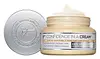
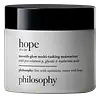
IT Cosmetics Confidence in a Cream Hydrating Moisturizer Versus Philosophy Hope In A Jar Smooth-Glow Multi-Tasking Moisturizer
This barrier-repair moisturizer is formulated around Sodium Hyaluronate and Niacinamide to strengthen the skin barrier and hydrate skin.
This smoothing moisturizer is formulated around Glycolic Acid and Squalane to refine skin texture and brighten dull-looking skin.

What's inside
What's inside
 Key Ingredients
Benefits
Concerns
Ingredients Side-by-side
Water
Skin ConditioningButylene Glycol
Humectant

Cyclopentasiloxane
Emollient
Glycerin
Humectant
Butylene Glycol Dicaprylate/Dicaprate
EmollientEthylhexyl Isononanoate
EmollientHydrogenated Polyisobutene
EmollientCaprylic/Capric/Myristic/Stearic Triglyceride
EmollientGlyceryl Stearate
Emollient

PEG-100 Stearate
Surfactant
Polyglyceryl-3 Methylglucose Distearate
Emulsifying
Stearyl Behenate
Emollient
Dimethicone
Emollient
Pentaerythrityl Tetraethylhexanoate
Emollient
Biosaccharide Gum-1
Humectant
Dimethicone/Vinyl Dimethicone Crosspolymer
Skin Conditioning
Cetearyl Alcohol
Emollient




Palmitic Acid
Emollient
Stearic Acid
Cleansing
Polyethylene
Abrasive
PEG/PPG-20/15 Dimethicone
Emulsifying
Phenyl Methicone
Emollient
Portulaca Oleracea Extract
Skin Conditioning

Cocos Nucifera Oil
Masking

Aloe Barbadensis Leaf Extract
Emollient
Butyrospermum Parkii Butter
Skin Conditioning
Hydroxyethyl Acrylate/Sodium Acryloyldimethyl Taurate Copolymer
Emulsion StabilisingSodium Hyaluronate
Humectant

Hydrogenated Lecithin
Emulsifying
Polyquaternium-51
Skin Conditioning
Niacinamide
Smoothing






Hydrolyzed Collagen
Emollient
Camellia Sinensis Leaf Extract
Antimicrobial
Tocopheryl Acetate
Antioxidant
Carbomer
Emulsion StabilisingPEG-150 Distearate
Emulsifying
Ceramide AP
Skin Conditioning
Glycosphingolipids
EmollientGlyceryl Polymethacrylate
Meadowfoam Estolide
Skin ConditioningSorbitan Isostearate
Emulsifying
Squalane
Emollient
Palmitoyl Pentapeptide-4
Skin Conditioning
Polysorbate 20
Emulsifying
Steareth-20
CleansingN-Hydroxysuccinimide
Skin ConditioningChrysin
Skin ConditioningPalmitoyl Tripeptide-1
Skin Conditioning
Palmitoyl Tetrapeptide-7
Skin Conditioning
Polysorbate 60
Emulsifying
Aleuritic Acid
Skin ConditioningYeast Extract
Skin ConditioningGlycoproteins
Skin Conditioning
Betaine
Humectant
Hydrogenated Polydecene
EmollientCeramide NP
Skin Conditioning
Allantoin
Skin Conditioning
Colloidal Oatmeal
Absorbent
Retinyl Retinoate
Skin Conditioning
Polylactic Acid
Abrasive
Canola Oil
Emollient
Cholesteryl Nonanoate
EmollientAscorbyl Tetraisopalmitate
Antioxidant
Glycyrrhiza Glabra Root Extract
Bleaching
Chamomilla Recutita Flower Water
MaskingCurcuma Longa Root Extract
Antioxidant
Leuconostoc/Radish Root Ferment Filtrate
Antimicrobial
Eruca Sativa Leaf Extract
Skin ConditioningGlyceryl Citrate/Lactate/Linoleate/Oleate
Emulsifying
Ceteareth-20
CleansingHydroxypropyl Bispalmitamide Mea
Emollient
Glycine Soja Sterols
Emollient
Melaleuca Alternifolia Leaf Oil
Antioxidant

Phytosteryl/Isostearyl/Cetyl/Stearyl/Behenyl Dimer Dilinoleate
Skin Conditioning
Santalum Album Oil
Masking
Chamomilla Recutita Flower Oil
Masking
Caprylhydroxamic Acid
Cetearyl Glucoside
Emulsifying
Glucose
Humectant
Stearyl Stearate
Emollient
Tromethamine
BufferingCitric Acid
Buffering
1,2-Hexanediol
Skin Conditioning
Chlorhexidine Digluconate
Antimicrobial
Potassium Sorbate
Preservative
Dipropylene Glycol
HumectantLavandula Angustifolia Oil
Masking
Citrus Paradisi Peel Oil
Masking
Cymbopogon Citratus Leaf Oil
Masking
Pelargonium Graveolens Oil
Masking
Citrus Aurantium Dulcis Peel Oil
Masking
Pogostemon Cablin Leaf Oil
Masking
Citrus Aurantium Bergamia Fruit Oil
Masking
Ethylhexylglycerin
Skin ConditioningCaramel
Cosmetic ColorantDisodium EDTA
Phenoxyethanol
Preservative
Caprylyl Glycol
Emollient
Limonene
Perfuming
Linalool
Perfuming
Water, Butylene Glycol, Cyclopentasiloxane, Glycerin, Butylene Glycol Dicaprylate/Dicaprate, Ethylhexyl Isononanoate, Hydrogenated Polyisobutene, Caprylic/Capric/Myristic/Stearic Triglyceride, Glyceryl Stearate, PEG-100 Stearate, Polyglyceryl-3 Methylglucose Distearate, Stearyl Behenate, Dimethicone, Pentaerythrityl Tetraethylhexanoate, Biosaccharide Gum-1, Dimethicone/Vinyl Dimethicone Crosspolymer, Cetearyl Alcohol, Palmitic Acid, Stearic Acid, Polyethylene, PEG/PPG-20/15 Dimethicone, Phenyl Methicone, Portulaca Oleracea Extract, Cocos Nucifera Oil, Aloe Barbadensis Leaf Extract, Butyrospermum Parkii Butter, Hydroxyethyl Acrylate/Sodium Acryloyldimethyl Taurate Copolymer, Sodium Hyaluronate, Hydrogenated Lecithin, Polyquaternium-51, Niacinamide, Hydrolyzed Collagen, Camellia Sinensis Leaf Extract, Tocopheryl Acetate, Carbomer, PEG-150 Distearate, Ceramide AP, Glycosphingolipids, Glyceryl Polymethacrylate, Meadowfoam Estolide, Sorbitan Isostearate, Squalane, Palmitoyl Pentapeptide-4, Polysorbate 20, Steareth-20, N-Hydroxysuccinimide, Chrysin, Palmitoyl Tripeptide-1, Palmitoyl Tetrapeptide-7, Polysorbate 60, Aleuritic Acid, Yeast Extract, Glycoproteins, Betaine, Hydrogenated Polydecene, Ceramide NP, Allantoin, Colloidal Oatmeal, Retinyl Retinoate, Polylactic Acid, Canola Oil, Cholesteryl Nonanoate, Ascorbyl Tetraisopalmitate, Glycyrrhiza Glabra Root Extract, Chamomilla Recutita Flower Water, Curcuma Longa Root Extract, Leuconostoc/Radish Root Ferment Filtrate, Eruca Sativa Leaf Extract, Glyceryl Citrate/Lactate/Linoleate/Oleate, Ceteareth-20, Hydroxypropyl Bispalmitamide Mea, Glycine Soja Sterols, Melaleuca Alternifolia Leaf Oil, Phytosteryl/Isostearyl/Cetyl/Stearyl/Behenyl Dimer Dilinoleate, Santalum Album Oil, Chamomilla Recutita Flower Oil, Caprylhydroxamic Acid, Cetearyl Glucoside, Glucose, Stearyl Stearate, Tromethamine, Citric Acid, 1,2-Hexanediol, Chlorhexidine Digluconate, Potassium Sorbate, Dipropylene Glycol, Lavandula Angustifolia Oil, Citrus Paradisi Peel Oil, Cymbopogon Citratus Leaf Oil, Pelargonium Graveolens Oil, Citrus Aurantium Dulcis Peel Oil, Pogostemon Cablin Leaf Oil, Citrus Aurantium Bergamia Fruit Oil, Ethylhexylglycerin, Caramel, Disodium EDTA, Phenoxyethanol, Caprylyl Glycol, Limonene, Linalool
Water
Skin ConditioningDimethicone
Emollient
Stearic Acid
Cleansing
Glycerin
Humectant
Butylene Glycol
Humectant
Glycolic Acid
Buffering
C12-15 Alkyl Benzoate
AntimicrobialPentylene Glycol
Skin Conditioning
Hydroxyethyl Acrylate/Sodium Acryloyldimethyl Taurate Copolymer
Emulsion StabilisingCetearyl Alcohol
Emollient
Squalane
Emollient
Sodium Hydroxide
BufferingDimethicone Crosspolymer
Emulsion Stabilising
Ceteareth-20
CleansingBoron Nitride
Absorbent
Ammonium Acryloyldimethyltaurate/Vp Copolymer
Polysilicone-11
Acrylates/C10-30 Alkyl Acrylate Crosspolymer
Emulsion Stabilising1,2-Hexanediol
Skin Conditioning
Caprylyl Glycol
Emollient
Hydroxyacetophenone
Antioxidant
Polysorbate 60
Emulsifying
Parfum
Masking
Methylpropanediol
SolventSorbitan Isostearate
Emulsifying
Citrus Reticulata Peel Extract
Skin ConditioningGlucosyl Hesperidin
HumectantLimonene
Perfuming
Hyaluronic Acid
Humectant
Silanetriol
Citric Acid
Buffering
Citrus Reticulata Fruit Extract
Skin ProtectingSodium Benzoate
Masking
Potassium Sorbate
Preservative
Water, Dimethicone, Stearic Acid, Glycerin, Butylene Glycol, Glycolic Acid, C12-15 Alkyl Benzoate, Pentylene Glycol, Hydroxyethyl Acrylate/Sodium Acryloyldimethyl Taurate Copolymer, Cetearyl Alcohol, Squalane, Sodium Hydroxide, Dimethicone Crosspolymer, Ceteareth-20, Boron Nitride, Ammonium Acryloyldimethyltaurate/Vp Copolymer, Polysilicone-11, Acrylates/C10-30 Alkyl Acrylate Crosspolymer, 1,2-Hexanediol, Caprylyl Glycol, Hydroxyacetophenone, Polysorbate 60, Parfum, Methylpropanediol, Sorbitan Isostearate, Citrus Reticulata Peel Extract, Glucosyl Hesperidin, Limonene, Hyaluronic Acid, Silanetriol, Citric Acid, Citrus Reticulata Fruit Extract, Sodium Benzoate, Potassium Sorbate
Reviews
Ingredients Explained
These ingredients are found in both products.
Ingredients higher up in an ingredient list are typically present in a larger amount.
1,2-Hexanediol is a synthetic liquid and another multi-functional powerhouse.
It is a:
- Humectant, drawing moisture into the skin
- Emollient, helping to soften skin
- Solvent, dispersing and stabilizing formulas
- Preservative booster, enhancing the antimicrobial activity of other preservatives
Butylene Glycol (or BG) is used within cosmetic products for a few different reasons:
Overall, Butylene Glycol is a safe and well-rounded ingredient that works well with other ingredients.
Though this ingredient works well with most skin types, some people with sensitive skin may experience a reaction such as allergic rashes, closed comedones, or itchiness.
Learn more about Butylene GlycolCaprylyl Glycol is a humectant, skin conditioner, emollient, and preservative booster derived from either caprylic acid or synthetically created.
Typical use levels vary from 0.3-1% as a preservative booster and go up to 2% to condition skin.
Because it is not a free-fatty acid, this ingredient is fungal acne safe (there's nothing for Malassezia to feed on).
Learn more about Caprylyl GlycolCeteareth-20 is an emulsifier and surfactant made by reacting cetearyl alcohol with 20 moles of ethylene oxide.
This gives it both oil and water-loving properties that makes it an effect emulsifier; it's really great at pulling oil droplets into water to create a stable, creamy, and easy-to-spread base.
Typical use ranges from 0.5-30%. Most leave-on products are in the 1-10% zone.
The 20 ethylene oxide units is well above the PEG-10 threshold and therefore not a food source for Malassezia (it's fungal acne safe).
This ingredient has a comedogenic rating of 2 and an irritancy rating of 3. These numbers come from testing the raw ingredient on rabbit ears and doesn't reflect how it will behave in a finished product.
In practice, this ingredient is a well-tolerated ingredient. The ratings reflect cautious lab conditions and not real-world use. Just be sure to patch test any formulas you feel unsure about.
Learn more about Ceteareth-20Cetearyl alcohol is a waxy mixture of two fatty alcohols: cetyl alcohol and stearyl alcohol. It is an emollient and emulsifier.
Despite having "alcohol" in its name, it has nothing to do with drying solvent alcohols; the FDA also allows "alcohol-free" products to contain fatty alcohols like this ingredient.
It plays several roles in a formula:
Typical use levels for this ingredient sit around 1-10% and the Cosmetic Ingredient Review Expert Panel has affirmed safety at concentrations up to 25% in leave-on products.
Multiple assessments have found it to be non-irritating and non-sensitizing to most people.
However, there have been some cases of allergic contact dermatitis in patients with chronically compromised skin barriers.
Cetearyl alcohol has a comedogenic rating of 2 and irritancy rating of 1. Both of these numbers come from the 1989 study that used rabbit ears; a "2" means mildly comedogenic and a "1" means low irritancy.
Here's the catch: rabbit skin is more sensitive than human skin and throws a lot of false positives. A 1996 reappraisal found that ingredients rated 1-2 in the rabbit ear tests are generally safe for humans.
Remember comedogenic ratings are unable to assess the entire formula of a product or how it will react on your skin. Just be sure to patch test if you are unsure about certain ingredients.
This ingredient is not fungal acne safe. Cetearyl alcohol is a fatty alcohol with chain lengths that fall within the range that Malassezia can metabolize.
A 2019 study has also observed Malassezia growth in the presence of this ingredient, confirming it to be not-fungal acne safe.
Learn more about Cetearyl AlcoholCitric Acid is an alpha hydroxy acid (AHA) naturally found in citrus fruits like oranges, lemons, and limes.
Like other AHAs, citric acid can exfoliate skin by breaking down the bonds that hold dead skin cells together. This helps reveal smoother and brighter skin underneath.
However, this exfoliating effect only happens at high concentrations (20%) which can be hard to find in cosmetic products.
Due to this, citric acid is usually included in small amounts as a pH adjuster. This helps keep products slightly more acidic and compatible with skin's natural pH.
In skincare formulas, citric acid can:
While it can provide some skin benefits, research shows lactic acid and glycolic acid are generally more effective and less irritating exfoliants.
Most citric acid used in skincare today is made by fermenting sugars (usually from molasses). This synthetic version is identical to the natural citrus form but easier to stabilize and use in formulations.
Read more about some other popular AHA's here:
Learn more about Citric AcidDimethicone is a type of synthetic silicone created from natural materials such as quartz. It is also known as polydimethylsiloxane.
What it does:
Dimethicone comes in different viscosities:
Depending on the viscosity, dimethicone has different properties.
Ingredients lists don't always show which type is used, so we recommend reaching out to the brand if you have questions about the viscosity.
This ingredient is unlikely to cause irritation because it does not get absorbed into skin. However, people with silicone allergies should be careful about using this ingredient.
Note: Dimethicone may contribute to pilling. This is because it is not oil or water soluble, so pilling may occur when layered with products. When mixed with heavy oils in a formula, the outcome is also quite greasy.
Learn more about DimethiconeGlycerin (or glycerol) is a compound naturally found in your skin. It's a powerhouse humectant that pulls water into the stratum corneum.
Topically, glycerin does several things at once:
Your skin makes glycerin on its own (mostly from sebaceous oil breakdown) and shuttles it to your outermost layer of skin, or your epidermis, via aquaporin-3.
Aquaporin-3 is a transporter that is essential for normal skin hydration, elasticity, and repair. Interestingly, mice lacking in AQP3 have dry and less elastic skin that can be fully corrected with glycerin.
This ingredient is non-irritating, plays well with almost every ingredient, and works across all skin types. Typical use is anywhere between 3-10% but can go up to 79% in some leave-on products.
Just know very high concentrations (>40%) can feel tacky in low humidity.
Glycerin is the name for this ingredient in American English. British English uses Glycerol/Glycerine.
Learn more about GlycerinThis is a synthetic polymer. It helps improve the texture of products by adding thickness and gel-like feel.
It is also an emulsifer, meaning it prevents ingredients such as oil and water from separating. It also helps evenly disperse other ingredients.
Limonene is a fragrance that adds scent and taste to a formulation.
It's found in the peel oil of citrus fruits and other plants such as lavender and eucalyptus. The scent of limonene is generally described as "sweet citrus".
Limonene acts as an antioxidant, meaning it helps neutralize free radicals.
When exposed to air, oxidized limonene may sensitize the skin. Because of this, limonene is often avoided by people with sensitive skin.
The term 'fragrance' is not regulated in many countries. In many cases, it is up to the brand to define this term. For instance, many brands choose to label themselves as "fragrance-free" because they are not using synthetic fragrances. However, their products may still contain ingredients such as essential oils that are considered a fragrance.
Learn more about LimonenePolysorbate 60 is used to help stabilize products. It is a surfactant and emulsifier. These properties help keep ingredients together in a product. Surfactants help reduce surface tension between ingredients with different states, such as liquids and solids. Emulsifiers help prevent oils and waters from separating.
Polysorbate 60 is sorbitol-based and created from the ethoxylation of sorbitan. Ethoxylation is a chemical reaction used to add ethylene oxide. Sorbitan is a the dehydrated version of sorbitol, a sugar found in fruits.
In this case, the 60 comes from reacting 60 units of ethylene oxide with sorbitan.
Polysorbates are commonly used in medicine and foods.
Learn more about Polysorbate 60Potassium Sorbate is a preservative used to prevent yeast and mold in products. It is commonly found in both cosmetic and food products.
This ingredient comes from potassium salt derived from sorbic acid. Sorbic acid is a natural antibiotic and effective against fungus.
Both potassium sorbate and sorbic acid can be found in baked goods, cheeses, dried meats, dried fruit, ice cream, pickles, wine, yogurt, and more.
You'll often find this ingredient used with other preservatives.
Learn more about Potassium SorbateSorbitan Isostearate is an emulsifer. It is created from isostearic acid and sorbitol.
As an emulsifier, it keeps the water and oil ingredients from separating. This keeps formulas stable and smooth.
In a 24 hour occlusive patch test on 56 subjects, 10% sorbitan isostearate was completely non-irritating. Most formulas use less than 10%.
Because it's a fatty acid ester, it may not be fungal acne safe since the Malassezia yeast can utilize it as a nutrient source.
Learn more about Sorbitan IsostearateSqualane is the hydrogenated and shelf-stable form of squalene (a lipid that naturally occurs in human sebum).
It is an emollient and skin conditioning agent that is able to integrate seamlessly into the skin's lipid barrier without clogging pores.
This is due to how structurally similar it is to what your skin already produces.
Though it is mostly an emollient that helps soften and hydrate skin, it also has some humectant and occlusive action. Humectants help the skin retain moisture while occlusives seal it in, making squalane a triple-threat moisturizer.
Research shows it has antioxidant capabilities that help protect against stressors like UV exposure, specifically UVA induced oxidative stress. This study also found that it supports collagen biosynthesis in human dermal fibroblasts.
No clinical study has reported significant adverse effects and irritation reactions are very rare from this ingredient (even at 100% concentration).
Overall, it's a fantastic ingredient for hydration and is suitable for all skin types.
This depends on the source. Squalane can be derived from both plants and animals. Most squalane used in skincare comes from plants.
Please note: the source of squalane is only known if disclosed by the brand. We recommend reaching out to the brand if you have any questions about their squalane.
Read more about squalene with an "e".
Though squalane is often called an oil, it’s technically not one. It is a hydrocarbon, meaning it is only made of carbon and hydrogen. True oils are triglycerides and made of fatty acids and glycerol.
The term “oil-free” isn’t regulated so companies can define it however they want. Some exclude all oils, while others just avoid mineral oil or comedogenic oils.
Squalane has a comedogenic rating of 1 from the original 1972 study that tested raw ingredients under occlusion on rabbit ears. This system is not standardized or peer-reviewed, and using the raw ingredients is very different from how diluted cosmetic formulations are used on human skin.
A comedogenic rating of 1 means it is "unlikely to clog pores" according to the original rating system.
The overall formula of a product matters more than the individual ingredients on whether or not it will cause clogged pores.
Learn more about SqualaneStearic Acid is a fatty acid that is already found in your skin. It's one of the free fatty acids that works alongside ceramides and cholesterols to maintain your barrier.
In cosmetics, it is a multitasker:
Safety-wise, the CIR Expert Panel has concluded it to be safe in cosmetics when formulated to be non-irritating and non-sensitizing.
Free stearic acid is a C18 fatty acid that the Malassezia yeast can substrate, so this ingredient may not be fungal acne safe.
Learn more about Stearic AcidWater. It's the most common cosmetic ingredient of all. You'll usually see it at the top of ingredient lists, meaning that it makes up the largest part of the product.
So why is it so popular? Water most often acts as a solvent - this means that it helps dissolve other ingredients into the formulation.
You'll also recognize water as that liquid we all need to stay alive. If you see this, drink a glass of water. Remember to stay hydrated!
Learn more about Water


