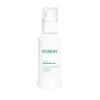
This calming moisturizer is formulated around Centella Asiatica Leaf Water and Panthenol to calm redness and strengthen the skin barrier.
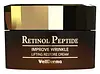
This anti-aging moisturizer is formulated around Niacinamide and Retinol to soften the look of wrinkles.

What's inside
What's inside
 Key Ingredients
Benefits
Concerns
Ingredients Side-by-side
Centella Asiatica Leaf Water
Skin Conditioning


1,2-Hexanediol
Skin Conditioning
Water
Skin ConditioningButylene Glycol
Humectant
Parfum
Masking




Pentylene Glycol
Skin Conditioning
Glycerin
Humectant
Dipropylene Glycol
HumectantPanthenol
Skin Conditioning
Acrylates/C10-30 Alkyl Acrylate Crosspolymer
Emulsion StabilisingTromethamine
BufferingPolyglyceryl-10 Laurate
Skin Conditioning
Propanediol
Solvent
Ethylhexylglycerin
Skin ConditioningGlycyrrhiza Glabra Root Extract
Bleaching

Sodium Hyaluronate
Humectant

Hydrolyzed Hyaluronic Acid
Humectant
Madecassoside
Antioxidant

Betaine
Humectant
Centella Asiatica Extract
Cleansing
Allantoin
Skin Conditioning
Camellia Sinensis Leaf Extract
Antimicrobial

Polygonum Cuspidatum Root Extract
Antioxidant
Scutellaria Baicalensis Root Extract
Astringent
Chamomilla Recutita Flower Extract
Masking
Rosmarinus Officinalis Leaf Extract
AntimicrobialSodium Hyaluronate Crosspolymer
Humectant
Potassium Hyaluronate
Skin ConditioningHydroxypropyltrimonium Hyaluronate
Hydrolyzed Sodium Hyaluronate
Skin Conditioning
Hyaluronic Acid
Humectant
Sodium Acetylated Hyaluronate
Humectant
Hydrogenated Lecithin
Emulsifying
Caprylic/Capric Triglyceride
Masking
Adansonia Digitata Seed Oil
Emollient
Ceramide NP
Skin Conditioning
Asiaticoside
Antioxidant
Madecassic Acid
Skin Conditioning
Asiatic Acid
Skin Conditioning
Centella Asiatica Callus Extracellular Vesicles
Ceramide As
Skin Conditioning
Ceramide Ns
Skin Conditioning
Acetyl Hexapeptide-8
Humectant
Copper Tripeptide-1
Skin Conditioning
Palmitoyl Dipeptide-7
Skin Conditioning
Palmitoyl Tetrapeptide-7
Skin Conditioning
Palmitoyl Tripeptide-1
Skin Conditioning
Palmitoyl Hexapeptide-12
Skin Conditioning
Ceramide AP
Skin Conditioning
Ceramide EOP
Skin Conditioning
Centella Asiatica Leaf Water, 1,2-Hexanediol, Water, Butylene Glycol, Parfum, Pentylene Glycol, Glycerin, Dipropylene Glycol, Panthenol, Acrylates/C10-30 Alkyl Acrylate Crosspolymer, Tromethamine, Polyglyceryl-10 Laurate, Propanediol, Ethylhexylglycerin, Glycyrrhiza Glabra Root Extract, Sodium Hyaluronate, Hydrolyzed Hyaluronic Acid, Madecassoside, Betaine, Centella Asiatica Extract, Allantoin, Camellia Sinensis Leaf Extract, Polygonum Cuspidatum Root Extract, Scutellaria Baicalensis Root Extract, Chamomilla Recutita Flower Extract, Rosmarinus Officinalis Leaf Extract, Sodium Hyaluronate Crosspolymer, Potassium Hyaluronate, Hydroxypropyltrimonium Hyaluronate, Hydrolyzed Sodium Hyaluronate, Hyaluronic Acid, Sodium Acetylated Hyaluronate, Hydrogenated Lecithin, Caprylic/Capric Triglyceride, Adansonia Digitata Seed Oil, Ceramide NP, Asiaticoside, Madecassic Acid, Asiatic Acid, Centella Asiatica Callus Extracellular Vesicles, Ceramide As, Ceramide Ns, Acetyl Hexapeptide-8, Copper Tripeptide-1, Palmitoyl Dipeptide-7, Palmitoyl Tetrapeptide-7, Palmitoyl Tripeptide-1, Palmitoyl Hexapeptide-12, Ceramide AP, Ceramide EOP
Hippophae Rhamnoides Extract
MaskingMacadamia Ternifolia Seed Oil
Emollient
Butylene Glycol Dicaprylate/Dicaprate
EmollientPropanediol
Solvent
Niacinamide
Smoothing

Methylpropanediol
SolventHeptyl Undecylenate
EmollientPolyglyceryl-4 Caprate
EmulsifyingButylene Glycol
Humectant
Glycerin
Humectant
1,2-Hexanediol
Skin Conditioning
Rosmarinus Officinalis Extract
AntimicrobialCamellia Japonica Flower Extract
EmollientCalendula Officinalis Extract
Skin Conditioning
Chamomilla Recutita Extract
Skin Conditioning
Saccharomyces/Viscum Album Ferment Extract
Skin Conditioning
Geranium Maculatum Extract
TonicLactobacillus/Soybean Ferment Extract
Skin ConditioningCarthamus Tinctorius Oleosomes
Emollient
Saccharomyces/Imperata Cylindrica Root Ferment Extract
Emollient
Camellia Sinensis Leaf Extract
Antimicrobial
Glycyrrhiza Glabra Root Extract
Bleaching
Zingiber Officinale Root Extract
Masking
Schisandra Chinensis Fruit Extract
Skin Conditioning
Coptis Chinensis Root Extract
Antioxidant
Lavandula Angustifolia Extract
Skin Conditioning
Thymus Vulgaris Extract
Perfuming
Origanum Vulgare Flower/Leaf/Stem Extract
Skin ConditioningDaucus Carota Sativa Root Extract
Skin Conditioning
Ilex Paraguariensis Leaf Extract
Perfuming
Borago Officinalis Extract
Emollient
Corchorus Olitorius Leaf Extract
Skin ConditioningMilk Protein Extract
Saccharomyces/Rice Bran Ferment
Humectant
Avena Sativa Kernel Extract
Abrasive
Citrus Limon Fruit Extract
Masking
Brassica Oleracea Italica Extract
AstringentBrassica Oleracea Acephala Leaf Extract
HumectantSolanum Lycopersicum Fruit Extract
Antioxidant
Diospyros Kaki Leaf Extract
Skin Protecting
Fragaria Vesca Fruit Extract
AstringentBrassica Oleracea Capitata Leaf Extract
Skin ConditioningAsparagus Officinalis Extract
Skin ConditioningCapsicum Annuum Fruit Extract
Antimicrobial
Salicornia Herbacea Extract
Skin ConditioningPhragmites Communis Extract
Skin ConditioningFicus Carica Fruit Extract
Humectant
Punica Granatum Fruit Extract
Antioxidant
Morus Alba Fruit Extract
Antioxidant
Ginkgo Biloba Nut Extract
Skin ConditioningHydrolyzed Pea Protein
EmollientHydrolyzed Elastin
EmollientGlycine Soja Sterols
Emollient
Simmondsia Chinensis Seed Oil
Emollient
Helianthus Annuus Seed Oil
Emollient
Camellia Japonica Seed Oil
Emollient
Argania Spinosa Kernel Oil
Emollient
Limnanthes Alba Seed Oil
Skin Conditioning
Hydrogenated Vegetable Oil
Emollient
Tocopherol
Antioxidant
Ascorbic Acid
Antioxidant
Cyanocobalamin
Skin ConditioningPyridoxine Hcl
Skin ConditioningRetinol
Skin Conditioning
Hydrogenated Lecithin
Emulsifying
Panthenol
Skin Conditioning
Asiaticoside
Antioxidant
Ceramide NP
Skin Conditioning
Atelocollagen
Skin Conditioning
Desamido Collagen
Skin Conditioning
Hydrolyzed Collagen
Emollient
Soluble Collagen
Humectant
Collagen
Moisturising
Collagen Amino Acids
Moisturising
Procollagen
Skin Conditioning
Palmitoyl Pentapeptide-4
Skin Conditioning
Acetyl Hexapeptide-8
Humectant
Caffeoyl Tripeptide-1
Antioxidant
Sh-Octapeptide-4
Antioxidant
Sh-Pentapeptide-19
Skin Conditioning
Nicotinoyl Tripeptide-1
Antioxidant
Sh-Decapeptide-9
Skin Conditioning
Caffeoyl Sh-Octapeptide-4
Antioxidant
Hydroxydecyl Ubiquinone
Antioxidant
Gluconolactone
Skin Conditioning
Glutamic Acid
Humectant
Pantolactone
Humectant
Hydrolyzed Glycosaminoglycans
HumectantSodium Hyaluronate
Humectant
Sodium Hyaluronate Crosspolymer
Humectant
Hydrolyzed Hyaluronic Acid
Humectant
Hydroxypropyltrimonium Hyaluronate
Hyaluronic Acid
Humectant
Sodium Acetylated Hyaluronate
Humectant
Calcium Gluconate
HumectantAspartic Acid
Masking
Glycine
Buffering
Serine
Masking
Leucine
Skin ConditioningAlanine
Masking
Lysine
Skin ConditioningArginine
Masking
Tyrosine
MaskingPhenylalanine
Masking
Valine
MaskingThreonine
Proline
Skin Conditioning
Isoleucine
Skin ConditioningHistidine
Humectant
Methionine
Skin ConditioningCysteine
Antioxidant
Propolis Wax
EmollientBeeswax
Emulsion Stabilising
Benzyl Glycol
SolventWater
Skin ConditioningPolyglyceryl-2 Stearate
Emulsifying
Sodium Polyacryloyldimethyl Taurate
Emulsion StabilisingGlyceryl Stearate
Emollient
Carbomer
Emulsion StabilisingStearyl Alcohol
Emollient
Hydrogenated Polydecene
EmollientTromethamine
BufferingTrideceth-10
CleansingAdenosine
Skin Conditioning
PEG-40 Castor Oil
Emulsifying
Caprylic/Capric Triglyceride
Masking
Octyldodecanol
Emollient
Sodium Benzoate
Masking
Polyglyceryl-10 Laurate
Skin Conditioning
Polysorbate 20
Emulsifying
Raspberry Ketone
Masking
Caprylyl Glycol
Emollient
Disodium EDTA
Ethylhexylglycerin
Skin ConditioningHippophae Rhamnoides Extract, Macadamia Ternifolia Seed Oil, Butylene Glycol Dicaprylate/Dicaprate, Propanediol, Niacinamide, Methylpropanediol, Heptyl Undecylenate, Polyglyceryl-4 Caprate, Butylene Glycol, Glycerin, 1,2-Hexanediol, Rosmarinus Officinalis Extract, Camellia Japonica Flower Extract, Calendula Officinalis Extract, Chamomilla Recutita Extract, Saccharomyces/Viscum Album Ferment Extract, Geranium Maculatum Extract, Lactobacillus/Soybean Ferment Extract, Carthamus Tinctorius Oleosomes, Saccharomyces/Imperata Cylindrica Root Ferment Extract, Camellia Sinensis Leaf Extract, Glycyrrhiza Glabra Root Extract, Zingiber Officinale Root Extract, Schisandra Chinensis Fruit Extract, Coptis Chinensis Root Extract, Lavandula Angustifolia Extract, Thymus Vulgaris Extract, Origanum Vulgare Flower/Leaf/Stem Extract, Daucus Carota Sativa Root Extract, Ilex Paraguariensis Leaf Extract, Borago Officinalis Extract, Corchorus Olitorius Leaf Extract, Milk Protein Extract, Saccharomyces/Rice Bran Ferment, Avena Sativa Kernel Extract, Citrus Limon Fruit Extract, Brassica Oleracea Italica Extract, Brassica Oleracea Acephala Leaf Extract, Solanum Lycopersicum Fruit Extract, Diospyros Kaki Leaf Extract, Fragaria Vesca Fruit Extract, Brassica Oleracea Capitata Leaf Extract, Asparagus Officinalis Extract, Capsicum Annuum Fruit Extract, Salicornia Herbacea Extract, Phragmites Communis Extract, Ficus Carica Fruit Extract, Punica Granatum Fruit Extract, Morus Alba Fruit Extract, Ginkgo Biloba Nut Extract, Hydrolyzed Pea Protein, Hydrolyzed Elastin, Glycine Soja Sterols, Simmondsia Chinensis Seed Oil, Helianthus Annuus Seed Oil, Camellia Japonica Seed Oil, Argania Spinosa Kernel Oil, Limnanthes Alba Seed Oil, Hydrogenated Vegetable Oil, Tocopherol, Ascorbic Acid, Cyanocobalamin, Pyridoxine Hcl, Retinol, Hydrogenated Lecithin, Panthenol, Asiaticoside, Ceramide NP, Atelocollagen, Desamido Collagen, Hydrolyzed Collagen, Soluble Collagen, Collagen, Collagen Amino Acids, Procollagen, Palmitoyl Pentapeptide-4, Acetyl Hexapeptide-8, Caffeoyl Tripeptide-1, Sh-Octapeptide-4, Sh-Pentapeptide-19, Nicotinoyl Tripeptide-1, Sh-Decapeptide-9, Caffeoyl Sh-Octapeptide-4, Hydroxydecyl Ubiquinone, Gluconolactone, Glutamic Acid, Pantolactone, Hydrolyzed Glycosaminoglycans, Sodium Hyaluronate, Sodium Hyaluronate Crosspolymer, Hydrolyzed Hyaluronic Acid, Hydroxypropyltrimonium Hyaluronate, Hyaluronic Acid, Sodium Acetylated Hyaluronate, Calcium Gluconate, Aspartic Acid, Glycine, Serine, Leucine, Alanine, Lysine, Arginine, Tyrosine, Phenylalanine, Valine, Threonine, Proline, Isoleucine, Histidine, Methionine, Cysteine, Propolis Wax, Beeswax, Benzyl Glycol, Water, Polyglyceryl-2 Stearate, Sodium Polyacryloyldimethyl Taurate, Glyceryl Stearate, Carbomer, Stearyl Alcohol, Hydrogenated Polydecene, Tromethamine, Trideceth-10, Adenosine, PEG-40 Castor Oil, Caprylic/Capric Triglyceride, Octyldodecanol, Sodium Benzoate, Polyglyceryl-10 Laurate, Polysorbate 20, Raspberry Ketone, Caprylyl Glycol, Disodium EDTA, Ethylhexylglycerin
Reviews
Alternatives
Ingredients Explained
These ingredients are found in both products.
Ingredients higher up in an ingredient list are typically present in a larger amount.
1,2-Hexanediol is a synthetic liquid and another multi-functional powerhouse.
It is a:
- Humectant, drawing moisture into the skin
- Emollient, helping to soften skin
- Solvent, dispersing and stabilizing formulas
- Preservative booster, enhancing the antimicrobial activity of other preservatives
Acetyl Hexapeptide-8 (also known as Argireline) is a synthetic hexapeptide that is often called a "topical Botox alternative".
It works by mimicking how Botox relaxes muscles; it interferes with the signaling process that tells your facial muscles to contract. This can help soften expression lines like forehead wrinkles or crow's feet over time.
The comparison to Botox does have limits because the molecule is water-loving and relatively large.
Acetyl Hexapeptide-8 has a hard time absorbing deeply enough through the skin's outer barrier to actually reach the muscles.
So whether it truly works the way Botox does at a biological level is still up for debate, but early clinical outcomes are fairly encouraging.
A 12 week human study of a multi-ingredient regimen containing this ingredient saw:
While some studies have observed improvements in wrinkle appearance, it is important to note that more consistent results are seen in multi-ingredient formulations (vs just Acetyl Hexapeptide-8 alone).
Some research studies also used higher concentrations (up to 10%) while this ingredient is usually found in concentrations up to 0.005% in leave-on formulations.
Learn more about Acetyl Hexapeptide-8Asiaticoside comes from the super popular skin-soothing ingredient, Centella asiatica. It's the reason centella-based products have a strong reputation for repairing and calming skin, along with its sibling compound Madecassoside.
Research from 2016-2025 supports its role in:
You'll usually find this in concentrations between 0.2-5%.
Learn more about AsiaticosideButylene Glycol (or BG) is used within cosmetic products for a few different reasons:
Overall, Butylene Glycol is a safe and well-rounded ingredient that works well with other ingredients.
Though this ingredient works well with most skin types, some people with sensitive skin may experience a reaction such as allergic rashes, closed comedones, or itchiness.
Learn more about Butylene GlycolCamellia Sinensis Leaf Extract (tea extract) is one of the most well-researched plant extracts in skincare with an impressive resume.
Black tea, green tea, and oolong tea are all harvested from the Camellia Sinensis plant.
Studies show green tea extract and its catechins (like epigallocatechin gallate (EGCG)) help your skin cells product energy more efficiently and reducing the number of free-radicals that can damage your skin from the inside.
In lab-grown skin models, this translated to younger, healthier, and stronger skin.
There's also good sun protection data; researchers saw less DNA damage and redness on human skin when green tea was applied before UVB exposure. And the more they applied, the better the protection.
Needless to say, this ingredient shouldn't replace your sunscreen. But it is a great supportive ingredient that you can already find in many sunscreens and antioxidant serums.
A 2009 study found a 2% green tea lotion was effective for mild-to-moderate acne thanks to its anti-inflammatory and mild antimicrobial activity.
The quality of the extract matters a lot here:
Good extracts contain 50-90% catechins while lower quality ones are mostly there for marketing. We recommend reaching out to the brand if you have questions about the quality or source of their ingredients.
Human Repeated Insult Patch Testing showed no irritation or sensitization at use concentrations (0.86% in leave-on products and up to 30% as leaf water).
Learn more about Camellia Sinensis Leaf ExtractCaprylic/Capric Triglyceride (aka MCT Oil) is a lightweight emollient, solvent, and texture enhancer. It is considered a skin-softener by helping to prevent moisture loss.
Though it behaves like an oil, it is not technically one due to its chemical composition. One perk of this ingredient is that it is very stable, resistant to oxidation, and unlikely to go rancid.
In practice, that translates to a long shelf life and a consistently elegant skin feel.
While there is an assumption Caprylic Triglyceride can clog pores due to it being derived from coconut oil, there is no research supporting this. Just patch test if you have concerns.
Fractionated coconut oil and MCT Oil are both listed as Caprylic/Capric Triglyceride according to INCI. This is because INCI names are based on the ingredient’s final chemical composition and not its marketing name or source.
This ingredient is treated as the gold standard fungal acne safe oil. Even though it is coconut derived, the problematic lauric acid is stripped out.
This leaves just caprylic (C8) and capric (C10) acid. These chain lengths actually trend antifungal; a 2020 study found caprylic acid was enough to disrupt Malassezia furfur cell membrane, with a caprylic acid derivative damaging membrane structures at concentrations as low as 0.2%.
Learn more about Caprylic/Capric TriglycerideCeramide NP (formerly known as Ceramide 3) is one of the skin's naturally occurring lipids.
Since ceramides are the major lipid components of the skin, they are crucial for maintaining skin barrier and hydration. Ceramide NP most closely mirrors the dominant kind in human skin amongst ceramide subtypes.
This ceramide works by slotting into gaps within the stratum corneum's lipid matrix to limit trans-epidermal water loss (TEWL) and shield the skin against external irritants.
A study with 312 patients found that using a ceramide-containing routine for 4 weeks reduced the severity of atopic dermatitis by over 61%.
Another clinical study in subjects aged 60 and older found that a ceramide body wash and moisturizer improved skin dryness and itchy skin in 15 days.
Overall, ceramides are considered non-irritating and safety tests have found little to no observable adverse effects from using this ingredient.
Ceramide NP is usually sourced from plants (like soybean or rice bran), or produced synthetically.
Learn more about Ceramide NPEthylhexylglycerin is created from glycerin. It is a multitasker ingredient that:
The CIR Expert Panel found minimal skin absorption or sensitization of any kind in a safety assessment. Though this ingredient is considered well-tolerated, a small number of cases of allergic dermatitis have been published since 2002. Just be sure to patch test if you are unsure.
Industry-reported use ranges from 8% in rinse-off products and 2% in leave-on formulations.
Learn more about EthylhexylglycerinGlycerin (or glycerol) is a compound naturally found in your skin. It's a powerhouse humectant that pulls water into the stratum corneum.
Topically, glycerin does several things at once:
Your skin makes glycerin on its own (mostly from sebaceous oil breakdown) and shuttles it to your outermost layer of skin, or your epidermis, via aquaporin-3.
Aquaporin-3 is a transporter that is essential for normal skin hydration, elasticity, and repair. Interestingly, mice lacking in AQP3 have dry and less elastic skin that can be fully corrected with glycerin.
This ingredient is non-irritating, plays well with almost every ingredient, and works across all skin types. Typical use is anywhere between 3-10% but can go up to 79% in some leave-on products.
Just know very high concentrations (>40%) can feel tacky in low humidity.
Glycerin is the name for this ingredient in American English. British English uses Glycerol/Glycerine.
Learn more about GlycerinGlycyrrhiza Glabra Root Extract is an extract of the roots of Licorice. It has been found to have several benefits such as skin hydrating, conditioning, and soothing.
One component, glabridin, has extra potent antioxidant and soothing properties. It has also been found to block pigmentation from UVB rays in guinea pigs.
Licorice Root also contains a flavonoid. Flavonoids are a natural substance from in plants. Flavonoids also have antioxidant properties.
Another component, glycyrrhizin, has been found to have anti-inflammatory and antimicrobial benefits. This may make licorice root extract effective at treating acne. However, more research is needed to support this.
Liquiritin is one of the flavone compounds found in licorice. It has been found to help lighten skin by preventing tyrosinase from reacting with tyrosine. When the two react, protein is converted to melanin. Melanin is the substance in your body that gives your features pigmentation.
Learn more about Glycyrrhiza Glabra Root ExtractHyaluronic acid (HA) is a glycosaminoglycan (basically a long sugar chain) that your skin already makes on its own. In your skin, HA lives in the extracellular matrix and acts as the body's moisture reservoir.
Topically, HA is a humectant that binds water and helps skin look more plump, smooth, and hydrated.
The only catch is that HA isn't a single thing; it actually comes in a wide range of molecular weights (~50 - 2,000+ kDA) and size matters.
Some clinical evidence links low molecular weight versions to improved wrinkle depth, elasticity, anti-inflammatory effects, and barrier repair.
This is why the best HA serums blend the two sizes together so you get the best of both worlds.
The majority of cosmetic HA is produced by bacterial fermentation, typically using Streptococcus or Bacillus strains. Typical use levels in skincare sit around 0.1-2%.
A clinical study using a 0.2% low-molecular weight HA gel showed improvement in facial seborrheic dermatitis with excellent tolerance.
These are some other common types of Hyaluronic Acid:
Learn more about Hyaluronic AcidHydrogenated Lecithin is a more stable version of lecithin.
It's made by taking lecithin (a phospholipid commonly found in soybeans and egg yolks) and hydrogenating it. This just means the unsaturated fatty acids are turned into saturated ones so they don't go bad as easily.
This ingredient is an emollient, emulsifier, and penetration enhancer. As an emollient, it helps soften and hydrate skin by trapping moisture within. As an emulsifier, it prevents oil and water ingredients from separating.
Hydrogenated Lecithin can form tiny spherical structures made of phospholipid bilayers called liposomes. These liposomes are able to capture compounds inside their structure and deliver them through the skin barrier.
Because phospholipids are a natural component of our cell membranes, this ingredient is inherently compatible with skin.
A 2021 study found lecithin-based surfactants were less harsh and more tolerable comared to Sodium Lauryl Sulfate (SLS).
Learn more about Hydrogenated LecithinHydrolyzed Hyaluronic Acid is hyaluronic acid (HA) that is broken down into lower molecular weight fragments.
It's a humectant that pulls and holds water in the skin to help with hydration, plumpness, and reduce transepidermal water loss.
Because hydrolyzed hyaluronic acid is smaller in size, it can slip past your outermost layer of skin more easily than full-sized HA.
Most formulations will combine all sizes to get the best of both worlds.
Typical usage levels range from 0.01-1%. Any percentage higher than 2% might become goopy and tacky.
Learn more about Hydrolyzed Hyaluronic AcidHydroxypropyltrimonium Hyaluronate is a positively charged version of hyaluronic acid.
This small change does a lot in a formula:
Regular hyaluronic acid carries a negative charge and so does the surface of your skin. This means the two repel each other and hyaluronic acid can be washed away easily. The positive charge here does the opposite: it makes the ingredient cling to your skin (also called "substantivity") so it keeps hydrating even in rinse-off products where it lays down a light, moisture-holding film.
The research backs this up too; a 2025 clinical study on a shower gel containing 0.1% positively charged hyaluronic acid increased skin hydration by 6.6% versus the baseline and 11.1% versus the placebo. This was measured 6 hours after 1 minute of contact and rinse, and on volunteers with very dry skin.
The same team's lab work showed it adhered to skin far better than unmodified hyaluronic acid (+107% vs. low molecular weight, +23% versus high molecular weight). They also found it increased two proteins tied to skin hydration, aquaporin-3 by 16% and filaggrin by 35%.
A separate 2024 study reached a similar conclusion and credited the hydrating benefits to its film-forming properties.
Both studies used the ingredient at 0.1% which also matches how much it usually shows up in products (at fractions of a percent).
One honesty note worth keeping in mind: the published research comes from the company that manufactures the ingredient so independent data would strengthen the picture. However, the results are consistent and the mechanism makes sense.
As a Hyaluronic Acid derivative, it has a well-tolerated profile and suits most skin types.
Learn more about Hydroxypropyltrimonium HyaluronatePanthenol is a common ingredient that helps hydrate and soothe the skin. It is found naturally in our skin and hair.
There are two forms of panthenol: D and L.
D-panthenol is also known as dexpanthenol. Most cosmetics use dexpanthenol or a mixture of D and L-panthenol.
Panthenol is famous due to its ability to go deeper into the skin's layers. Using this ingredient has numerous pros (and no cons):
Like hyaluronic acid, panthenol is a humectant. Humectants are able to bind and hold large amounts of water to keep skin hydrated.
This ingredient works well for wound healing. It works by increasing tissue in the wound and helps close open wounds.
Once oxidized, panthenol converts to pantothenic acid. Panthothenic acid is found in all living cells.
This ingredient is also referred to as pro-vitamin B5.
Learn more about PanthenolPolyglyceryl-10 Laurate is a cleansing agent and emulsifier.
It rounds up dirt, oil, and grime, so they can be rinsed off easily as a cleanser.
On the emulsifier side, it keeps your formula smooth and well-mixed by playing peacekeeper for ingredients that don't naturally get along (like oil and water).
Because it has a C12 (lauric acid) fatty acid chain, this ingredient can potentially feed the Malassezia yeast that causes fungal acne. The Malassezia yeast prefers esters with C11-C24 fatty acids.
This ingredient is an ester of lauric acid and Polyglycerin-10.
Learn more about Polyglyceryl-10 LauratePropanediol is an all-star ingredient. It softens, hydrates, and smooths the skin.
It’s often used to:
Propanediol is not likely to cause sensitivity and considered safe to use. It is derived from corn or petroleum with a clear color and no scent.
Learn more about PropanediolSodium Acetylated Hyaluronate is a type of Hyaluronic Acid.
Hyaluronic Acids help moisturize, soothe, and protect the skin.
Read about common types of Hyaluronic Acid here:
Learn more about Sodium Acetylated HyaluronateSodium Hyaluronate is the salt form of hyaluronic acid. It is a long sugar chain that is naturally found in your skin, joints, and connective tissue that maintains hydration and elasticity.
In skincare, it works as a humectant. It pulls water from the environment and deeper layers of skin and binds it to the surface.
Interestingly, the size of the molecule affects its behavior:
Some clinical evidence links low molecular weight versions to improved wrinkle depth, elasticity, anti-inflammatory effects, and barrier repair.
Many serums use a blend of both weights so you can get surface hydration plus longer-lasting and deeper effects.
You'll typically see concentrations between 0.1-2% for this ingredient.
Learn more about Sodium HyaluronateSodium Hyaluronate Crosspolymer is a crosslinked version of sodium hyaluronate. This just means it's linked into a 3D mesh network that lets it be more stable and sit on skin as a cohesive, gel-like film rather than sinking into skin.
A 2016 human skin study found crosslinked HA increased epidermal water content by 7.6% over the control group and reduced transepidermal water loss by 27.8%.
A follow-up clinical trial found that a topical crosslinked HA serum applied after fillers, microneedling, or chemical peels was well-tolerated and enhanced skin quality at 14 / 28 days.
More recent research suggests that concentrations as low as 0.03% can act as a penetration enhancer for other skincare actives.
Learn more about Sodium Hyaluronate CrosspolymerTromethamine (aka THAM) is a synthetic amino acid that shows up in skincare as a helper ingredient.
It functions as a pH adjuster to help neutralize acidic ingredients and set a formula's pH to the right spot.
This matters a lot because a lot of actives (like vitamin C) needs a specific pH to work well and feel comfortable on skin.
Concentration use ranges from 0.1-1.0% depending on the formula.
Learn more about TromethamineWater. It's the most common cosmetic ingredient of all. You'll usually see it at the top of ingredient lists, meaning that it makes up the largest part of the product.
So why is it so popular? Water most often acts as a solvent - this means that it helps dissolve other ingredients into the formulation.
You'll also recognize water as that liquid we all need to stay alive. If you see this, drink a glass of water. Remember to stay hydrated!
Learn more about Water

