This calming moisturizer is formulated around Panthenol and Madecassoside to calm redness and strengthen the skin barrier.
This barrier-repair moisturizer is formulated around Panthenol and Centella Asiatica Extract to strengthen the skin barrier and hydrate skin.


What's inside
What's inside
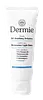 Key Ingredients
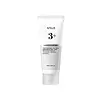
Benefits
Concerns
Ingredients Side-by-side
Water
Skin ConditioningDicaprylyl Ether
Emollient
Panthenol
Skin Conditioning



Glycerin
Humectant
Butyrospermum Parkii Butter
Skin Conditioning




Hydroxypropyl Starch
Polyglyceryl-6 Distearate
Emulsifying
Propanediol
Solvent
Butylene Glycol
Humectant
Cetyl Esters
Emollient
Jojoba Esters
Emollient
Behenyl Alcohol
Emollient
Acacia Decurrens Flower Wax
Emollient
Helianthus Annuus Seed Wax
Skin Conditioning
Madecassoside
Antioxidant


Centella Asiatica Leaf Extract
Skin Conditioning
Polymnia Sonchifolia Root Juice
Skin ConditioningZinc Gluconate
Skin Conditioning



Copper Gluconate
Skin Conditioning
Hydrogenated Polyisobutene
EmollientSilica
Abrasive
Aluminum Hydroxide
EmollientMagnesium Aspartate
Skin ConditioningPseudoalteromonas Ferment Extract
Humectant
Citric Acid
Buffering

Disodium EDTA
ChelatingBifida Ferment Lysate
Skin Conditioning
Dimethicone
Emollient
Cetearyl Isononanoate
Emollient
Maltodextrin
Absorbent
Polyglyceryl-4 Isostearate
Emulsifying
Tocopheryl Acetate
Antioxidant
Humulus Lupulus Extract
AntimicrobialPhenoxyethanol
Preservative
Sodium Lauroyl Lactylate
EmulsifyingCeramide NP
Skin Conditioning
Ceramide AP
Skin Conditioning
Cholesterol
Emollient
Phytosphingosine
Skin Conditioning
Xanthan Gum
EmulsifyingCarbomer
Emulsion StabilisingEthylhexylglycerin
Skin ConditioningCeramide EOP
Skin Conditioning
Polyglycerin-3
Humectant
Polyglyceryl-3 Beeswax
Emulsifying
Polysorbate 80
Emulsifying
Sorbitan Isostearate
Emulsifying
Chlorphenesin
Antimicrobial
Hydroxyethyl Acrylate/Sodium Acryloyldimethyl Taurate Copolymer
Emulsion StabilisingCetyl Alcohol
Emollient
CI 77891
Cosmetic ColorantWater, Dicaprylyl Ether, Panthenol, Glycerin, Butyrospermum Parkii Butter, Hydroxypropyl Starch, Polyglyceryl-6 Distearate, Propanediol, Butylene Glycol, Cetyl Esters, Jojoba Esters, Behenyl Alcohol, Acacia Decurrens Flower Wax, Helianthus Annuus Seed Wax, Madecassoside, Centella Asiatica Leaf Extract, Polymnia Sonchifolia Root Juice, Zinc Gluconate, Copper Gluconate, Hydrogenated Polyisobutene, Silica, Aluminum Hydroxide, Magnesium Aspartate, Pseudoalteromonas Ferment Extract, Citric Acid, Disodium EDTA, Bifida Ferment Lysate, Dimethicone, Cetearyl Isononanoate, Maltodextrin, Polyglyceryl-4 Isostearate, Tocopheryl Acetate, Humulus Lupulus Extract, Phenoxyethanol, Sodium Lauroyl Lactylate, Ceramide NP, Ceramide AP, Cholesterol, Phytosphingosine, Xanthan Gum, Carbomer, Ethylhexylglycerin, Ceramide EOP, Polyglycerin-3, Polyglyceryl-3 Beeswax, Polysorbate 80, Sorbitan Isostearate, Chlorphenesin, Hydroxyethyl Acrylate/Sodium Acryloyldimethyl Taurate Copolymer, Cetyl Alcohol, CI 77891
Water
Skin ConditioningPanthenol
Skin Conditioning
Butylene Glycol
Humectant
Propanediol
Solvent
Caprylic/Capric Triglyceride
Masking
Glycerin
Humectant
Cetyl Ethylhexanoate
EmollientBehenyl Alcohol
Emollient
Octyldodecanol
Emollient
Phenyl Trimethicone
Skin Conditioning
Vinyldimethicone
1,2-Hexanediol
Skin Conditioning
Bis-Diglyceryl Polyacyladipate-2
Emollient
Pentylene Glycol
Skin Conditioning
Caprylyl Methicone
Skin Conditioning
Centella Asiatica Extract
Cleansing
Polyglyceryl-3 Methylglucose Distearate
Emulsifying
Betaine
Humectant
C14-22 Alcohols
Emulsion Stabilising
Ceramide NP
Skin Conditioning
Phytosterols
Skin Conditioning
Hydroxyethyl Acrylate/Sodium Acryloyldimethyl Taurate Copolymer
Emulsion StabilisingHydrogenated Rice Bran Oil
Skin Conditioning
C12-20 Alkyl Glucoside
EmulsifyingAmmonium Acryloyldimethyltaurate/Vp Copolymer
Glyceryl Stearate
Emollient
Dimethiconol
Emollient
Glyceryl Caprylate
EmollientSodium Stearoyl Glutamate
CleansingHydrogenated Lecithin
Emulsifying
Glyceryl Glucoside
Humectant
Acrylates/C10-30 Alkyl Acrylate Crosspolymer
Emulsion StabilisingTromethamine
BufferingSodium Phytate
ChelatingPolyglyceryl-10 Stearate
Skin Conditioning
Ethylhexylglycerin
Skin ConditioningSodium Hyaluronate
Humectant
Ethylhexyl Olivate
Skin Conditioning
Dipropylene Glycol
HumectantSodium Acrylates Copolymer
Polyglyceryl-4 Oleate
Emulsifying
Linolenic Acid
Cleansing


Polyglyceryl-10 Laurate
Skin Conditioning
Sphingolipids
Emollient
Phosphatidylcholine
Emulsifying4-Terpineol
Masking
Allantoin
Skin Conditioning
Ectoin
Skin Conditioning
Hyaluronic Acid
Humectant
Squalane
Emollient
Lecithin
Emollient
Asiaticoside
Antioxidant
Escin
TonicMadecassic Acid
Skin Conditioning
Asiatic Acid
Skin Conditioning
Beta-Sitosterol
Emulsion Stabilising
Tremella Fuciformis Extract
Humectant
Ceramide AP
Skin Conditioning
Ceramide EOP
Skin Conditioning
Glycine
Buffering
Glutamic Acid
Humectant
Serine
Masking
Alanine
Masking
Lysine
Skin ConditioningArginine
Masking
Proline
Skin Conditioning
Threonine
Water, Panthenol, Butylene Glycol, Propanediol, Caprylic/Capric Triglyceride, Glycerin, Cetyl Ethylhexanoate, Behenyl Alcohol, Octyldodecanol, Phenyl Trimethicone, Vinyldimethicone, 1,2-Hexanediol, Bis-Diglyceryl Polyacyladipate-2, Pentylene Glycol, Caprylyl Methicone, Centella Asiatica Extract, Polyglyceryl-3 Methylglucose Distearate, Betaine, C14-22 Alcohols, Ceramide NP, Phytosterols, Hydroxyethyl Acrylate/Sodium Acryloyldimethyl Taurate Copolymer, Hydrogenated Rice Bran Oil, C12-20 Alkyl Glucoside, Ammonium Acryloyldimethyltaurate/Vp Copolymer, Glyceryl Stearate, Dimethiconol, Glyceryl Caprylate, Sodium Stearoyl Glutamate, Hydrogenated Lecithin, Glyceryl Glucoside, Acrylates/C10-30 Alkyl Acrylate Crosspolymer, Tromethamine, Sodium Phytate, Polyglyceryl-10 Stearate, Ethylhexylglycerin, Sodium Hyaluronate, Ethylhexyl Olivate, Dipropylene Glycol, Sodium Acrylates Copolymer, Polyglyceryl-4 Oleate, Linolenic Acid, Polyglyceryl-10 Laurate, Sphingolipids, Phosphatidylcholine, 4-Terpineol, Allantoin, Ectoin, Hyaluronic Acid, Squalane, Lecithin, Asiaticoside, Escin, Madecassic Acid, Asiatic Acid, Beta-Sitosterol, Tremella Fuciformis Extract, Ceramide AP, Ceramide EOP, Glycine, Glutamic Acid, Serine, Alanine, Lysine, Arginine, Proline, Threonine
Reviews
Ingredients Explained
These ingredients are found in both products.
Ingredients higher up in an ingredient list are typically present in a larger amount.
Behenyl Alcohol is a type of fatty alcohol (these are different from the drying, solvent alcohols).
Fatty Alcohols have hydrating properties and are most often used as an emollient or to thicken a product. They are usually derived from natural fats and oils; behenyl alcohol is derived from the fats of vegetable oils.
Emollients help keep your skin soft and hydrated by creating a film that traps moisture in.
In 2000, Behenyl Alcohol was approved by the US as medicine to reduce the duration of cold sores.
Learn more about Behenyl AlcoholButylene Glycol (or BG) is used within cosmetic products for a few different reasons:
Overall, Butylene Glycol is a safe and well-rounded ingredient that works well with other ingredients.
Though this ingredient works well with most skin types, some people with sensitive skin may experience a reaction such as allergic rashes, closed comedones, or itchiness.
Learn more about Butylene GlycolCeramide AP is is a skin-identical lipid that mimics what your skin already makes naturally. Ceramides help maintain epidermal integrity and barrier function.
You'll often see this ingredient paired with other ceramides (like ceramide NP), cholesterol, or fatty acids because this combination best mimics the natural lipid mix your skin already has.
The skin's ability to produce ceramides gets disrupted in skin conditions like eczema. This in turn weakens the skin barrier and applying ceramides topically has been shown to replenish what's been lost to restore barrier function.
Most of the studies with Ceramide AP test it as part of a multi-ceramide complex; studies reinforce ceramide AP's role in rebalancing ceramides in skin and improving skin hydration.
Learn more about Ceramide APCeramide EOP is formally known as Ceramide 1.
It is naturally found in skin and part of the intercellular "mortar" holding everything together in your outermost layer.
EOP stands for a linked Ester fatty acid, a linked Omega hydroxy fatty acid, and the Phytosphingosine base.
What makes Ceramide EOP special is its ultra-long fatty acid chain; this unique structure allows it to bridge the lipid layers in your skin barrier to prevent water loss (something no other ceramide can do).
Low levels of Ceramide EOP have been found in people with eczema and psoriasis.
Using it together with other ceramides, cholesterol, and linoleic acid have been shown to meaningfully improve hydration and reduce water loss.
In one clinical study, a regimen using Ceramide EOP, NP, and AP led to significant symptom improvements in patients with eczema, psoriasis, and dry skin in just 4 weeks.
You'll usually see concentrations between 0.1-0.5% in formulations. Overall, this is a well-tolerated and safe ingredient for cosmetic use.
Learn more about Ceramide EOPCeramide NP (formerly known as Ceramide 3) is one of the skin's naturally occurring lipids.
Since ceramides are the major lipid components of the skin, they are crucial for maintaining skin barrier and hydration. Ceramide NP most closely mirrors the dominant kind in human skin amongst ceramide subtypes.
This ceramide works by slotting into gaps within the stratum corneum's lipid matrix to limit trans-epidermal water loss (TEWL) and shield the skin against external irritants.
A study with 312 patients found that using a ceramide-containing routine for 4 weeks reduced the severity of atopic dermatitis by over 61%.
Another clinical study in subjects aged 60 and older found that a ceramide body wash and moisturizer improved skin dryness and itchy skin in 15 days.
Overall, ceramides are considered non-irritating and safety tests have found little to no observable adverse effects from using this ingredient.
Ceramide NP is usually sourced from plants (like soybean or rice bran), or produced synthetically.
Learn more about Ceramide NPEthylhexylglycerin is created from glycerin. It is a multitasker ingredient that:
The CIR Expert Panel found minimal skin absorption or sensitization of any kind in a safety assessment. Though this ingredient is considered well-tolerated, a small number of cases of allergic dermatitis have been published since 2002. Just be sure to patch test if you are unsure.
Industry-reported use ranges from 8% in rinse-off products and 2% in leave-on formulations.
Learn more about EthylhexylglycerinGlycerin (or glycerol) is a compound naturally found in your skin. It's a powerhouse humectant that pulls water into the stratum corneum.
Topically, glycerin does several things at once:
Your skin makes glycerin on its own (mostly from sebaceous oil breakdown) and shuttles it to your outermost layer of skin, or your epidermis, via aquaporin-3.
Aquaporin-3 is a transporter that is essential for normal skin hydration, elasticity, and repair. Interestingly, mice lacking in AQP3 have dry and less elastic skin that can be fully corrected with glycerin.
This ingredient is non-irritating, plays well with almost every ingredient, and works across all skin types. Typical use is anywhere between 3-10% but can go up to 79% in some leave-on products.
Just know very high concentrations (>40%) can feel tacky in low humidity.
Glycerin is the name for this ingredient in American English. British English uses Glycerol/Glycerine.
Learn more about GlycerinThis is a synthetic polymer. It helps improve the texture of products by adding thickness and gel-like feel.
It is also an emulsifer, meaning it prevents ingredients such as oil and water from separating. It also helps evenly disperse other ingredients.
Panthenol is a common ingredient that helps hydrate and soothe the skin. It is found naturally in our skin and hair.
There are two forms of panthenol: D and L.
D-panthenol is also known as dexpanthenol. Most cosmetics use dexpanthenol or a mixture of D and L-panthenol.
Panthenol is famous due to its ability to go deeper into the skin's layers. Using this ingredient has numerous pros (and no cons):
Like hyaluronic acid, panthenol is a humectant. Humectants are able to bind and hold large amounts of water to keep skin hydrated.
This ingredient works well for wound healing. It works by increasing tissue in the wound and helps close open wounds.
Once oxidized, panthenol converts to pantothenic acid. Panthothenic acid is found in all living cells.
This ingredient is also referred to as pro-vitamin B5.
Learn more about PanthenolPropanediol is an all-star ingredient. It softens, hydrates, and smooths the skin.
It’s often used to:
Propanediol is not likely to cause sensitivity and considered safe to use. It is derived from corn or petroleum with a clear color and no scent.
Learn more about PropanediolWater. It's the most common cosmetic ingredient of all. You'll usually see it at the top of ingredient lists, meaning that it makes up the largest part of the product.
So why is it so popular? Water most often acts as a solvent - this means that it helps dissolve other ingredients into the formulation.
You'll also recognize water as that liquid we all need to stay alive. If you see this, drink a glass of water. Remember to stay hydrated!
Learn more about Water

