Darphin Aromatic Purifying Balm Overnight Mask Versus Darphin Stimulskin Plus Absolute Renewal Cream for Normal Skin Types
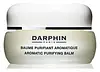
This hydrating overnight mask is formulated around Helianthus Annuus Seed Oil and Macadamia Integrifolia Seed Oil to hydrate skin and calm redness.
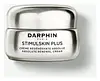
This anti-aging moisturizer is formulated around Acetyl Hexapeptide-8 to soften the look of wrinkles.

What's inside
What's inside
 Key Ingredients
No key ingredients
Benefits
Concerns
Ingredients Side-by-side
Prunus Armeniaca Kernel Oil
Masking





Helianthus Annuus Seed Oil
Emollient
Hydrogenated Vegetable Oil
Emollient
Macadamia Integrifolia Seed Oil
Skin Conditioning
Myristica Fragrans Kernel Oil
Masking
Ferula Galbaniflua Resin Oil
Antimicrobial


Anthemis Nobilis Flower Oil
Masking
Aniba Rosaeodora Wood Oil
Astringent
Salvia Officinalis Oil
Masking
Citrus Grandis Peel Oil
Masking
Thymus Vulgaris Oil
Masking
Melaleuca Leucadendron Cajaput Oil
Masking
Pelargonium Graveolens Flower Oil
Masking
Cananga Odorata Flower Oil
Masking
Lavandula Angustifolia Oil
Masking
Copaifera Officinalis Resin
MaskingLinalool
Perfuming
Limonene
Perfuming
Citronellol
Perfuming
Geraniol
Perfuming
Benzyl Benzoate
Antimicrobial
Benzyl Salicylate
Perfuming
Citral
Perfuming
Farnesol
Perfuming
Eugenol
Perfuming
Prunus Armeniaca Kernel Oil, Helianthus Annuus Seed Oil, Hydrogenated Vegetable Oil, Macadamia Integrifolia Seed Oil, Myristica Fragrans Kernel Oil, Ferula Galbaniflua Resin Oil, Anthemis Nobilis Flower Oil, Aniba Rosaeodora Wood Oil, Salvia Officinalis Oil, Citrus Grandis Peel Oil, Thymus Vulgaris Oil, Melaleuca Leucadendron Cajaput Oil, Pelargonium Graveolens Flower Oil, Cananga Odorata Flower Oil, Lavandula Angustifolia Oil, Copaifera Officinalis Resin, Linalool, Limonene, Citronellol, Geraniol, Benzyl Benzoate, Benzyl Salicylate, Citral, Farnesol, Eugenol
Water
Skin ConditioningPropanediol
Solvent
Caprylic/Capric/Myristic/Stearic Triglyceride
EmollientGlycerin
Humectant
Cocos Nucifera Oil
Masking

Polyglyceryl-3 Methylglucose Distearate
Emulsifying
Coco-Caprylate/Caprate
Emollient
Simmondsia Chinensis Seed Oil
Emollient
Adansonia Digitata Seed Oil
Emollient
Polyglyceryl-10 Pentastearate
Skin Conditioning
Glyceryl Stearate
Emollient
Behenyl Alcohol
Emollient
Algae Extract
Emollient
Tocopheryl Acetate
Antioxidant


Sodium Hyaluronate
Humectant


Squalane
Emollient
Acetyl Hexapeptide-8
Humectant
Hydrolyzed Sodium Hyaluronate
Skin Conditioning
Laminaria Digitata Extract
Skin Protecting
Glycyrrhiza Glabra Root Extract
Bleaching
Arabidopsis Thaliana Extract
Antioxidant
Althaea Officinalis Root Extract
Skin Conditioning
Sigesbeckia Orientalis Extract
Skin ConditioningCrithmum Maritimum Extract
Skin ConditioningMarrubium Vulgare Extract
Skin ConditioningPrunus Domestica Seed Extract
EmollientCastanea Sativa Seed Extract
Skin ConditioningPrunus Amygdalus Dulcis Seed Extract
Skin ConditioningTrifluoroacetyl Tripeptide-2
Skin Conditioning
Caffeine
Skin Conditioning
Carthamus Tinctorius Seed Oil
Masking
Cucurbita Pepo Seed Oil
Emollient
Argania Spinosa Kernel Oil
Emollient
Ricinus Communis Seed Oil
Masking
Mangifera Indica Seed Butter
Skin Conditioning
Acetyl Glucosamine
Skin Conditioning
Micrococcus Lysate
Skin ConditioningMacadamia Seed Oil Polyglyceryl-6 Esters Behenate
Emollient
Tetrahexyldecyl Ascorbate
Antioxidant


Diglycerin
Humectant
Ascorbyl Glucoside
Antioxidant
Ethylhexylglycerin
Skin ConditioningLactobacillus Ferment
Skin Conditioning
Trehalose
Humectant
Caprylyl Glycol
Emollient
Cholesterol
Emollient
Sodium Rna
Skin ConditioningDipotassium Glycyrrhizate
Humectant
Oryza Sativa Bran Extract
Skin Conditioning
Molasses Extract
Skin ConditioningTriticum Vulgare Germ Extract
Skin ConditioningHydrogenated Vegetable Oil
Emollient
Polyglyceryl-3 Diisostearate
Emulsifying
Hordeum Vulgare Extract
EmollientHydrolyzed Rice Protein
Skin ConditioningPhytosphingosine
Skin Conditioning
Cera Alba
Emollient
Caprylic/Capric Triglyceride
Masking
Brassica Campestris Seed Oil
Skin Conditioning
Butylene Glycol
Humectant
Glycine Soja Protein
EmulsifyingXanthan Gum
EmulsifyingDextran
Mannan
Sodium Stearoyl Lactylate
EmulsifyingHexylene Glycol
EmulsifyingCalcium Chloride
AstringentAcrylates/C10-30 Alkyl Acrylate Crosspolymer
Emulsion StabilisingPEG-100 Stearate
Surfactant
Hydroxyethyl Acrylate/Sodium Acryloyldimethyl Taurate Copolymer
Emulsion StabilisingLecithin
Emollient
Potassium Cetyl Phosphate
EmulsifyingStearic Acid
Cleansing
Sodium Hydroxide
BufferingCitric Acid
Buffering
Sorbitan Isostearate
Emulsifying
Copernicia Cerifera Cera
Emollient
Polysorbate 60
Emulsifying
Parfum
Masking
Citronellol
Perfuming
Limonene
Perfuming
Geraniol
Perfuming
Alpha-Isomethyl Ionone
Perfuming
Tocopherol
Antioxidant
Tetrasodium EDTA
ChelatingSodium Citrate
BufferingPhenoxyethanol
Preservative
Chlorphenesin
Antimicrobial
Sodium Benzoate
Masking
Potassium Sorbate
Preservative
CI 19140
Cosmetic ColorantCI 15985
Cosmetic ColorantWater, Propanediol, Caprylic/Capric/Myristic/Stearic Triglyceride, Glycerin, Cocos Nucifera Oil, Polyglyceryl-3 Methylglucose Distearate, Coco-Caprylate/Caprate, Simmondsia Chinensis Seed Oil, Adansonia Digitata Seed Oil, Polyglyceryl-10 Pentastearate, Glyceryl Stearate, Behenyl Alcohol, Algae Extract, Tocopheryl Acetate, Sodium Hyaluronate, Squalane, Acetyl Hexapeptide-8, Hydrolyzed Sodium Hyaluronate, Laminaria Digitata Extract, Glycyrrhiza Glabra Root Extract, Arabidopsis Thaliana Extract, Althaea Officinalis Root Extract, Sigesbeckia Orientalis Extract, Crithmum Maritimum Extract, Marrubium Vulgare Extract, Prunus Domestica Seed Extract, Castanea Sativa Seed Extract, Prunus Amygdalus Dulcis Seed Extract, Trifluoroacetyl Tripeptide-2, Caffeine, Carthamus Tinctorius Seed Oil, Cucurbita Pepo Seed Oil, Argania Spinosa Kernel Oil, Ricinus Communis Seed Oil, Mangifera Indica Seed Butter, Acetyl Glucosamine, Micrococcus Lysate, Macadamia Seed Oil Polyglyceryl-6 Esters Behenate, Tetrahexyldecyl Ascorbate, Diglycerin, Ascorbyl Glucoside, Ethylhexylglycerin, Lactobacillus Ferment, Trehalose, Caprylyl Glycol, Cholesterol, Sodium Rna, Dipotassium Glycyrrhizate, Oryza Sativa Bran Extract, Molasses Extract, Triticum Vulgare Germ Extract, Hydrogenated Vegetable Oil, Polyglyceryl-3 Diisostearate, Hordeum Vulgare Extract, Hydrolyzed Rice Protein, Phytosphingosine, Cera Alba, Caprylic/Capric Triglyceride, Brassica Campestris Seed Oil, Butylene Glycol, Glycine Soja Protein, Xanthan Gum, Dextran, Mannan, Sodium Stearoyl Lactylate, Hexylene Glycol, Calcium Chloride, Acrylates/C10-30 Alkyl Acrylate Crosspolymer, PEG-100 Stearate, Hydroxyethyl Acrylate/Sodium Acryloyldimethyl Taurate Copolymer, Lecithin, Potassium Cetyl Phosphate, Stearic Acid, Sodium Hydroxide, Citric Acid, Sorbitan Isostearate, Copernicia Cerifera Cera, Polysorbate 60, Parfum, Citronellol, Limonene, Geraniol, Alpha-Isomethyl Ionone, Tocopherol, Tetrasodium EDTA, Sodium Citrate, Phenoxyethanol, Chlorphenesin, Sodium Benzoate, Potassium Sorbate, CI 19140, CI 15985
Alternatives
Ingredients Explained
These ingredients are found in both products.
Ingredients higher up in an ingredient list are typically present in a larger amount.
Citronellol is a naturally occurring alcohol found in Rose and Geranium oils. In cosmetics, it functions purely as a fragrance ingredient.
The scent of this ingredient is described as "fresh, rosey, and citrusy".
Typical use levels are very low since the total fragrance load in a product is usually well under 1% and citronellol is only a small fraction of that.
The EU asks brands to name it on the label once it goes above 0.001% in leave-on products of 0.01% in rinse-off ones.
It is one of the EU's labeled fragrance allergens but real-world patch testing has shown it to be fairly weak and an infrequent allergen; positive reactions land around 0.1-0.9% of patients across recent European dermatitis clinic studies.
The bigger nuance is oxidation. Citronellol forms hydroperoxides when it reacts with air. These hydroperoxides are more sensitizing than the fresh ingredient, and patch test studies confirmed oxidized Citronellol causes more reactions than purified.
This means good packaging and freshness matter more than the molecule itself.
Fragrance can be irritating to very reactive or compromised skin, so people with sensitive skin may still prefer to skip it.
Learn more about CitronellolGeraniol is used to add fragrance/parfum to a product. It is the main component of citronellol. It is a monoterpenoid and an alcohol.
Monoterpenes are naturally found in many parts of different plants.
Geraniol can be found in many essential oils including Rose Oil and Citronella Oil. The scent of Geraniol is often described as "rose-like". Many foods also contain Geraniol for fruit flavoring.
Geraniol can irritate the skin when exposed to air. However, irritation depends on the ability of geraniol to penetrate into the skin. In general, geraniol is not able to penetrate skin easily.
Geraniol is colorless and has low water-solubility. However, it is soluble in common organic solvents.
Like citronellol, it is a natural insect repellent.
2,6-Octadien-1-ol, 3,7-dimethyl-, (2E)-
Learn more about GeraniolHydrogenated Vegetable Oil isn't a single oil. It's the labeling name for a blend of plant-derived oils that can include canola, rapeseed, safflower, sunflower, sesame, palm, palm kernel, cotton, soybean, olive, and more.
Hydrogenation is the processing step that reduces or removes the unsaturated bonds in the fatty acids to make the oil more resistant to oxidative and thermal damage.
In cosmetics, it acts as a skin conditioner, occlusive, and emollient that give products a rich body.
Concentrations are reported from 0.0004% to 60% with leave-on products going as high as 60% and rinse-off products staying at 8% or below.
The Cosmetic Ingredient Review has concluded this ingredient to be safe as used in cosmetics.
This ingredient does have a comedogenic rating of 3, but this doesn't mean a formula with this ingredient will clog pores. Human testing has proved that any finished product with this ingredient won't automatically make you break out; it really comes down to concentration, formula, and your skin.
Since this ingredient is a triglyceride built mostly from C16 and C18 fatty acids, this ingredient may not be fungal acne safe as that falls into the range the Malassezia yeast can metabolize.
Allergy-wise, the proteins responsible for plant food allergies are taken out of the refined oil. This is why reactions to refined oils are rare even from highly allergenic sources like peanut. Well-designed studies have also shown refined peanut oil is safely tolerated by the vast majority of peanut-allergic people.
However, the issue is with unrefined oils; be sure to reach out to the manufacturer if you have a plant food allergy about the type of oil used in their products.
The other catch for this INCI name is that it doesn't tell you which plants are in the blend so you would need to ask the brand.
Learn more about Hydrogenated Vegetable OilLimonene is the compound that gives citrus peel its smell.
In skincare, it shows up as a standalone fragrance ingredient or as a natural compound of citrus and other essential oils.
You'll typically see this ingredient used in very small amounts; anything above 0.001% in a leave-on product or 0.01% in a rinse-off has to be named on the label in the EU. The citrus oils that carry it sit around 0.5-1% in a finished formula.
Fresh limonene is a weak allergen; the real issue is that it slowly reacts with air and then breaks down from oxidation to create hydroperoxides (which are strong sensitizers). This is why suppliers are required to keep the peroxide value below 20 mmol.
Positive reactions in people being investigated for eczema vary:
It's worth skipping if you have a known fragrance allergy or a compromised barrier, but the risk is low for most people.
Older or long-opened products are also more likely to bother you than fresh ones due to oxidation.
Learn more about Limonene

