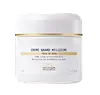
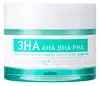
Biologique Recherche Crème Grand Millésime Radiance Revitalizing Face Cream Versus Esfolio 3HA Clear Cream
This brightening moisturizer is formulated around Niacinamide to brighten dull-looking skin and refine skin texture.
This acne treatment is formulated around Centella Asiatica Extract and Niacinamide to clear breakouts and refine skin texture.


What's inside
What's inside
 Key Ingredients
Benefits
Concerns
Ingredients Side-by-side
Water
Skin ConditioningPropylene Glycol
Humectant


Amniotic Fluid
MoisturisingGlycerin
Humectant

Stearic Acid
Cleansing

Polysorbate 40
Emulsifying
Palmitic Acid
Emollient
Cetyl Alcohol
Emollient

Pentylene Glycol
Skin Conditioning
PEG-2 Stearate
Emulsifying
Tea-Stearate
Cleansing
Alcohol Denat.
Antimicrobial


Sodium Hyaluronate
Humectant


Myrtus Communis Extract
AstringentMimosa Tenuiflora Bark Extract
Skin ProtectingAllium Cepa Bulb Extract
Skin Conditioning
Commiphora Myrrha Resin Extract
Skin ConditioningHamamelis Virginiana Bark/Leaf/Twig Extract
Skin Conditioning
Cucumis Sativus Fruit Extract
Emollient
Hypericum Perforatum Flower/Leaf/Stem Extract
Skin ConditioningYeast Extract
Skin ConditioningHydrolyzed Silk
Humectant
Allantoin
Skin Conditioning
Urea
Buffering

Serine
Masking
Rhizobian Gum
Tea-Lactate
HumectantCitric Acid
Buffering

Sodium Lactate
Buffering
Salicylic Acid
Masking




Sodium Benzoate
Masking
Magnesium Chloride
Niacinamide
Smoothing

Vinegar
Lactic Acid
Buffering
Gluconolactone
Skin Conditioning
Pyridoxine Hcl
Skin ConditioningThiamine Hcl
MaskingPotassium Sorbate
Preservative
Sorbitol
Humectant
Caprylyl Glycol
Emollient
Chlorphenesin
Antimicrobial
Phenoxyethanol
Preservative
Sodium Dehydroacetate
Preservative
Alcohol
Antimicrobial
Sorbic Acid
Preservative
Water, Propylene Glycol, Amniotic Fluid, Glycerin, Stearic Acid, Polysorbate 40, Palmitic Acid, Cetyl Alcohol, Pentylene Glycol, PEG-2 Stearate, Tea-Stearate, Alcohol Denat., Sodium Hyaluronate, Myrtus Communis Extract, Mimosa Tenuiflora Bark Extract, Allium Cepa Bulb Extract, Commiphora Myrrha Resin Extract, Hamamelis Virginiana Bark/Leaf/Twig Extract, Cucumis Sativus Fruit Extract, Hypericum Perforatum Flower/Leaf/Stem Extract, Yeast Extract, Hydrolyzed Silk, Allantoin, Urea, Serine, Rhizobian Gum, Tea-Lactate, Citric Acid, Sodium Lactate, Salicylic Acid, Sodium Benzoate, Magnesium Chloride, Niacinamide, Vinegar, Lactic Acid, Gluconolactone, Pyridoxine Hcl, Thiamine Hcl, Potassium Sorbate, Sorbitol, Caprylyl Glycol, Chlorphenesin, Phenoxyethanol, Sodium Dehydroacetate, Alcohol, Sorbic Acid
Centella Asiatica Extract 70.22%
Cleansing
Butylene Glycol
Humectant
Water
Skin ConditioningGlycerin
Humectant
1,2-Hexanediol
Skin Conditioning
Caprylic/Capric Triglyceride
Masking
Niacinamide
Smoothing
Cetyl Ethylhexanoate
EmollientMelaleuca Alternifolia Leaf Extract
Perfuming
Betaine
Humectant
Allantoin
Skin Conditioning
Sodium Hyaluronate
Humectant
Hamamelis Virginiana Leaf Extract
Skin Conditioning
Saccharomyces Ferment
Skin Conditioning
Nelumbo Nucifera Leaf Extract
Skin ConditioningCryptomeria Japonica Leaf Extract
HumectantSalix Alba Bark Extract
Astringent
Origanum Vulgare Leaf Extract
Skin ConditioningChamaecyparis Obtusa Leaf Extract
Skin ConditioningScutellaria Baicalensis Root Extract
Astringent
Portulaca Oleracea Extract
Skin Conditioning
Lactobacillus/Soybean Ferment Extract
Skin ConditioningCinnamomum Cassia Bark Extract
Masking
Tremella Fuciformis Sporocarp Extract
Antioxidant
Ceramide NP
Skin Conditioning
Polyglyceryl-3 Methylglucose Distearate
Emulsifying
Ammonium Acryloyldimethyltaurate/Vp Copolymer
Sorbitan Olivate
Emulsifying
Cetearyl Alcohol
Emollient
Arginine
Masking
Carbomer
Emulsion StabilisingCetearyl Glucoside
Emulsifying
Sodium Citrate
BufferingAdenosine
Skin Conditioning
Hydrogenated Phosphatidylcholine
Emulsifying
Salicylic Acid
Masking
Lactobionic Acid
Buffering
Sucrose Stearate
EmollientSodium Lactate
Buffering
Sodium PCA
Humectant
Serine
Masking
Citric Acid
Buffering
Glycine
Buffering
Malic Acid
Buffering
Lactic Acid
Buffering
Glycolic Acid
Buffering
Alanine
Masking
Glutamic Acid
Humectant
Tartaric Acid
Buffering
Pyruvic Acid
MaskingMadecassoside
Antioxidant
Madecassic Acid
Skin Conditioning
Asiaticoside
Antioxidant
Asiatic Acid
Skin Conditioning
Stearic Acid
Cleansing
Phytosphingosine
Skin Conditioning
Palmitic Acid
Emollient
Glycosphingolipids
EmollientCholesterol
Emollient
Disodium EDTA
Ethylhexylglycerin
Skin ConditioningChlorphenesin
Antimicrobial
Mentha Piperita Oil
Masking


Limonene
Perfuming
Centella Asiatica Extract 70.22%, Butylene Glycol, Water, Glycerin, 1,2-Hexanediol, Caprylic/Capric Triglyceride, Niacinamide, Cetyl Ethylhexanoate, Melaleuca Alternifolia Leaf Extract, Betaine, Allantoin, Sodium Hyaluronate, Hamamelis Virginiana Leaf Extract, Saccharomyces Ferment, Nelumbo Nucifera Leaf Extract, Cryptomeria Japonica Leaf Extract, Salix Alba Bark Extract, Origanum Vulgare Leaf Extract, Chamaecyparis Obtusa Leaf Extract, Scutellaria Baicalensis Root Extract, Portulaca Oleracea Extract, Lactobacillus/Soybean Ferment Extract, Cinnamomum Cassia Bark Extract, Tremella Fuciformis Sporocarp Extract, Ceramide NP, Polyglyceryl-3 Methylglucose Distearate, Ammonium Acryloyldimethyltaurate/Vp Copolymer, Sorbitan Olivate, Cetearyl Alcohol, Arginine, Carbomer, Cetearyl Glucoside, Sodium Citrate, Adenosine, Hydrogenated Phosphatidylcholine, Salicylic Acid, Lactobionic Acid, Sucrose Stearate, Sodium Lactate, Sodium PCA, Serine, Citric Acid, Glycine, Malic Acid, Lactic Acid, Glycolic Acid, Alanine, Glutamic Acid, Tartaric Acid, Pyruvic Acid, Madecassoside, Madecassic Acid, Asiaticoside, Asiatic Acid, Stearic Acid, Phytosphingosine, Palmitic Acid, Glycosphingolipids, Cholesterol, Disodium EDTA, Ethylhexylglycerin, Chlorphenesin, Mentha Piperita Oil, Limonene
Ingredients Explained
These ingredients are found in both products.
Ingredients higher up in an ingredient list are typically present in a larger amount.
Allantoin is a soothing ingredient known for its protective and moisturizing properties; it's basically a quiet workhorse ingredient you can find in a huge range of cosmetics.
Though it can be derived from the comfrey plant, allantoin is produced synthetically for cosmetic products to ensure purity.
Research shows it can encourage your skin cells to turn over and renew by stimulating keratinocyte and fibroblast proliferation.
It also has mild keratolytic properties to help loosen and shed dead skin cells without being harsh.
Studies also suggest allantoin can help calm inflammation by dialing down some of the chemical signals your skin sends out when it is irritated.
This ingredient is typically used in the 0.1-0.5% range, and the FDA recognizes it as a skin protectant in OTC products up to 2%.
Overall, allantoin is a wonderful addition to most routines; it is stable across a wide pH range (~4-8), works well with other ingredients, and is considered non-sensitizing/non-irritating.
Fun fact: Allantoin is naturally occurring in comfrey root, beets, chamomile, and wheat sprouts. Our bodies even produce it as a byproduct of uric acid metabolism.
Learn more about AllantoinChlorphenesin is a synthetic preservative. It helps protect a product against bacteria in order to extend shelf life. In most cases, Chlorphenesin is paired with other preservatives such as phenoxyethanol and caprylyl glycol.
Chlorphenesin is a biocide. This means it is able to help fight the microorganisms on our skin. It is also able to fight odor-releasing bacteria.
Chlorphenesin is soluble in both water and glycerin.
Studies show Chlorphenesin is easily absorbed by our skin. You should speak with a skincare professional if you have concerns about using Chlorphenesin.
Learn more about ChlorphenesinCitric Acid is an alpha hydroxy acid (AHA) naturally found in citrus fruits like oranges, lemons, and limes.
Like other AHAs, citric acid can exfoliate skin by breaking down the bonds that hold dead skin cells together. This helps reveal smoother and brighter skin underneath.
However, this exfoliating effect only happens at high concentrations (20%) which can be hard to find in cosmetic products.
Due to this, citric acid is usually included in small amounts as a pH adjuster. This helps keep products slightly more acidic and compatible with skin's natural pH.
In skincare formulas, citric acid can:
While it can provide some skin benefits, research shows lactic acid and glycolic acid are generally more effective and less irritating exfoliants.
Most citric acid used in skincare today is made by fermenting sugars (usually from molasses). This synthetic version is identical to the natural citrus form but easier to stabilize and use in formulations.
Read more about some other popular AHA's here:
Learn more about Citric AcidGlycerin (or glycerol) is a compound naturally found in your skin. It's a powerhouse humectant that pulls water into the stratum corneum.
Topically, glycerin does several things at once:
Your skin makes glycerin on its own (mostly from sebaceous oil breakdown) and shuttles it to your outermost layer of skin, or your epidermis, via aquaporin-3.
Aquaporin-3 is a transporter that is essential for normal skin hydration, elasticity, and repair. Interestingly, mice lacking in AQP3 have dry and less elastic skin that can be fully corrected with glycerin.
This ingredient is non-irritating, plays well with almost every ingredient, and works across all skin types. Typical use is anywhere between 3-10% but can go up to 79% in some leave-on products.
Just know very high concentrations (>40%) can feel tacky in low humidity.
Glycerin is the name for this ingredient in American English. British English uses Glycerol/Glycerine.
Learn more about GlycerinLactic Acid is another well-loved alpha hydroxy acid (AHA). It is gentler than glycolic acid but still highly effective.
Its main role is to exfoliate the surface of the skin by loosening the “glue” that holds dead skin cells together. Shedding those old cells leads to smoother, softer, and more even-toned skin.
Because lactic acid molecules are larger than glycolic acid, they don’t penetrate as deeply. This means they’re less likely to sting or irritate, making it a great choice for beginners or those with sensitive skin.
Like glycolic acid, it can:
Lactic acid also acts as a humectant (like hyaluronic acid). It can draw water into the skin to improve hydration and also plays a role in the skin's natural moisturizing factor (NMF) in the form of sodium lactate.
Studies show it can boost ceramide production to strengthen the skin barrier and even help balance the skin’s microbiome.
To get results, choose products with a pH between 3-4.
Lower strengths (5-12%) focus on surface exfoliation; higher strengths (12% and up) can reach deeper in the dermis (deeper, supportive layer) to improve skin texture and firmness over time.
Though it was originally derived from milk, most modern lactic acid used in skincare is vegan. It is made through non-dairy fermentation to create a bio-identical and stable form suitable for all formulations.
When lactic acid shows up near the end of an ingredient list, it usually means the brand added just a tiny amount to adjust the product’s pH.
Legend has it that Cleopatra used to bathe in sour milk to help reduce wrinkles.
Lactic acid is truly a gentle multitasker: it exfoliates, hydrates, strengthens, and brightens. It's a great ingredient for giving your skin a smooth, glowing, and healthy look without the harshness of stronger acids.
Read more about some other popular AHA's here:
Learn more about Lactic AcidNiacinamide is a multitasking form of vitamin B3 that strengthens the skin barrier, reduces pores and dark spots, regulates oil, and improves signs of aging.
And the best part? It's gentle and well-tolerated by most skin types, including sensitive and reactive skin.
You might have heard of "niacin flush", or the reddening of skin that causes itchiness. Niacinamide has not been found to cause this.
In very rare cases, some individuals may not be able to tolerate niacinamide at all or experience an allergic reaction to it.
If you are experiencing flaking, irritation, and dryness with this ingredient, be sure to double check all your products as this ingredient can be found in all categories of skincare.
When incorporating niacinamide into your routine, look out for concentration amounts. Typically, 5% niacinamide provides benefits such as fading dark spots. However, if you have sensitive skin, it is better to begin with a smaller concentration.
When you apply niacinamide to your skin, your body converts it into nicotinamide adenine dinucleotide (NAD). NAD is an essential coenzyme that is already found in your cells as "fuel" and powers countless biological processes.
In your skin, NAD helps repair cell damage, produce new healthy cells, support collagen production, strengthen the skin barrier, and fight environmental stressors (like UV and pollution).
Our natural NAD levels start to decline with age, leading to slower skin repair, visible aging, and a weaker skin barrier. By providing your skin niacinamide, you're recharging your skin's NAD levels. This leads to stronger, healthier, and younger looking skin.
Another name for vitamin B3 is nicotinamide. This vitamin is water-soluble and our bodies don't store it. We obtain Vitamin B3 from either food or skincare. Meat, fish, wheat, yeast, and leafy greens contain vitamin B3.
The type of niacinamide used in skincare is synthetically created.
Learn more about NiacinamidePalmitic Acid is a fatty acid naturally found in our skin and in many plant and animal sources.
In cosmetics, it is usually derived from palm oil. It serves many purposes in skincare, acting as a cleanser, emollient, and emulsifier.
Interestingly, topically applied Palmitic Acid can be elongated into longer chain fatty acids and ceramides. A 2019 study found low levels of Palmitic Acid lead to slower development of cells, suggesting it plays a role in keeping your skin's renewal process on track.
The CIR (Cosmetic Ingredient Review) panel determined it safe as used in cosmetics at concentrations up to 13%. It is non-irritating and non-sensitizing in clinical studies.
The culprit behind fungal acne, the Malassezia yeast, feeds on fatty acids with carbon chain lengths between C11-C24. Palmitic Acid, at C16, falls right into that sweet spot.
In vitro studies have shown that Palmitic Acid is one of the fatty acids that induce rapid Malassezia growth in lab settings.
It's worth noting that what feeds yeast in a lab doesn't necessarily feed it on your face since formulation and your skin's chemistry play a bigger role.
Learn more about Palmitic AcidSalicylic Acid (also known as beta hydroxy acid or BHA) is a well-known ingredient for treating skin that struggles with acne and clogged pores. It exfoliates both the skin's surface and deep within the pores to help clear out buildup, control oil, and reduce inflammation.
Unlike AHAs (alpha hydroxy acids), salicylic acid is oil-soluble. This allows it to penetrate into pores which makes it especially effective for treating blackheads and preventing future breakouts.
Salicylic acid is also known for its soothing properties. It has a similar structure to aspirin and can calm inflamed or irritated skin, making it a good option for acne-prone skin that is also sensitive.
Concentrations of 0.5-2% are recognized by the U.S. FDA as an over-the-counter topical acne product.
It can cause irritation and/or dryness if one's skin already has a compromised moisture barrier, so it's best to focus on repairing that before introducing this ingredient into your routine.
While salicylic acid does not increase sun sensitivity, it’s still important to wear sunscreen daily to protect your skin.
If you are looking for the ingredient called BHA or Butylated Hydroxyanisole, click here.
Learn more about Salicylic AcidSerine is a non-essential amino acid (your body makes it on its own!). It is a major player in your skin's natural moisturizing factor (NMF), or the water-loving molecules in your outermost layer of skin (stratum corneum) that keeps everything hydrated and happy.
Serine is one of your NMF's most abundant components that works as a skin-identical humectant. Its hydroxyl group grabs onto water molecules to boost hydration without any heaviness or occlusion.
Research on a hydrogel with serine confirmed this serine got delivered to your stratum corneum and demonstrated enhanced skin moisturization.
Interestingly serine also helps your skin produce filaggrin, a protein that keeps your skin barrier strong and used to create collagen.
Learn more about SerineSodium Hyaluronate is the salt form of hyaluronic acid. It is a long sugar chain that is naturally found in your skin, joints, and connective tissue that maintains hydration and elasticity.
In skincare, it works as a humectant. It pulls water from the environment and deeper layers of skin and binds it to the surface.
Interestingly, the size of the molecule affects its behavior:
Some clinical evidence links low molecular weight versions to improved wrinkle depth, elasticity, anti-inflammatory effects, and barrier repair.
Many serums use a blend of both weights so you can get surface hydration plus longer-lasting and deeper effects.
You'll typically see concentrations between 0.1-2% for this ingredient.
Learn more about Sodium HyaluronateSodium Lactate is the sodium salt of lactic acid, an AHA. It is a humectant and sometimes used to adjust the pH of a product.
This ingredient is part of our skin's NMF, or natural moisturizing factor. Our NMF is essential for the hydration of our top skin layers and plasticity of skin. NMF also influences our skin's natural acid mantle and pH, which protects our skin from harmful bacteria.
High percentages of Sodium Lactate can have an exfoliating effect.
Fun fact: Sodium Lactate is produced from fermented sugar.
Learn more about Sodium LactateStearic Acid is a fatty acid that is already found in your skin. It's one of the free fatty acids that works alongside ceramides and cholesterols to maintain your barrier.
In cosmetics, it is a multitasker:
Safety-wise, the CIR Expert Panel has concluded it to be safe in cosmetics when formulated to be non-irritating and non-sensitizing.
Free stearic acid is a C18 fatty acid that the Malassezia yeast can substrate, so this ingredient may not be fungal acne safe.
Learn more about Stearic AcidWater. It's the most common cosmetic ingredient of all. You'll usually see it at the top of ingredient lists, meaning that it makes up the largest part of the product.
So why is it so popular? Water most often acts as a solvent - this means that it helps dissolve other ingredients into the formulation.
You'll also recognize water as that liquid we all need to stay alive. If you see this, drink a glass of water. Remember to stay hydrated!
Learn more about Water

