Belif Moisturizing Eye Bomb Versus Peter Thomas Roth Water Drench Hyaluronic Cloud Hydrating Eye Gel
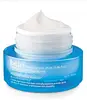
This anti-aging eye moisturizer is formulated around Squalane and Panthenol to soften the look of wrinkles and hydrate skin.
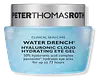
This anti-aging eye moisturizer is formulated around Sodium Hyaluronate and Caffeine to soften the look of wrinkles and hydrate skin.


What's inside
What's inside
 Key Ingredients
Benefits
Concerns
Ingredients Side-by-side
Water
Skin ConditioningDipropylene Glycol
HumectantButylene Glycol
Humectant

Glycerin
Humectant
Squalane
Emollient
Cyclopentasiloxane
Emollient
Caprylyl Trimethicone
Skin Conditioning
Dimethicone
Emollient
Hdi/Trimethylol Hexyllactone Crosspolymer
1,2-Hexanediol
Skin Conditioning
Sucrose Polystearate
EmollientGlyceryl Stearate
Emollient

Panthenol
Skin Conditioning

PCA Dimethicone
Skin Conditioning
Triethylhexanoin
MaskingDimethicone/Vinyl Dimethicone Crosspolymer
Skin Conditioning
PEG-100 Stearate
Surfactant
C14-22 Alcohols
Emulsion Stabilising
Silica
Abrasive


Ceramide NP
Skin Conditioning
Hydrogenated Lecithin
Emulsifying
Cedrol
EmollientHydrogenated Polyisobutene
EmollientHydroxyethyl Acrylate/Sodium Acryloyldimethyl Taurate Copolymer
Emulsion StabilisingPEG-10 Rapeseed Sterol
CleansingCarbomer
Emulsion StabilisingC12-20 Alkyl Glucoside
EmulsifyingTromethamine
BufferingPolysorbate 60
Emulsifying
Glycereth-20
HumectantCellulose
Absorbent
Trisodium EDTA
ChelatingSorbitan Isostearate
Emulsifying
Bakuchiol
Antimicrobial




Caffeine
Skin Conditioning
Centella Asiatica Leaf Extract
Skin Conditioning
Calendula Officinalis Flower Extract
Masking
Avena Sativa Kernel Extract
Abrasive
Nepeta Cataria Extract
TonicRubus Idaeus Leaf Extract
Skin ConditioningBaptisia Tinctoria Root Extract
Skin ConditioningStellaria Media Extract
Skin ConditioningAlchemilla Vulgaris Leaf Extract
Antioxidant
Althaea Officinalis Root Extract
Skin Conditioning
Rosa Damascena Flower Extract
Masking
Spiraea Ulmaria Flower Extract
Skin ConditioningViola Tricolor Extract
EmollientAchillea Millefolium Flower Extract
Antioxidant
Symphytum Officinale Leaf Extract
Skin ConditioningTrifolium Pratense Flower Extract
AstringentMenyanthes Trifoliata Leaf Extract
Skin ConditioningSalix Alba Bark Extract
Astringent
Sodium Lactate
Buffering
Polysorbate 20
Emulsifying
Caprylyl Glycol
Emollient
Palmitoyl Tripeptide-1
Skin Conditioning
Acetyl Hexapeptide-8
Humectant
Palmitoyl Tetrapeptide-7
Skin Conditioning
Citrus Aurantium Dulcis Peel Oil
Masking
Citrus Aurantifolia Oil
Cleansing

Pelargonium Graveolens Flower Oil
Masking
Rosmarinus Officinalis Leaf Oil
Masking
Limonene
Perfuming
Citronellol
Perfuming
Geraniol
Perfuming
Citral
Perfuming
Linalool
Perfuming
Water, Dipropylene Glycol, Butylene Glycol, Glycerin, Squalane, Cyclopentasiloxane, Caprylyl Trimethicone, Dimethicone, Hdi/Trimethylol Hexyllactone Crosspolymer, 1,2-Hexanediol, Sucrose Polystearate, Glyceryl Stearate, Panthenol, PCA Dimethicone, Triethylhexanoin, Dimethicone/Vinyl Dimethicone Crosspolymer, PEG-100 Stearate, C14-22 Alcohols, Silica, Ceramide NP, Hydrogenated Lecithin, Cedrol, Hydrogenated Polyisobutene, Hydroxyethyl Acrylate/Sodium Acryloyldimethyl Taurate Copolymer, PEG-10 Rapeseed Sterol, Carbomer, C12-20 Alkyl Glucoside, Tromethamine, Polysorbate 60, Glycereth-20, Cellulose, Trisodium EDTA, Sorbitan Isostearate, Bakuchiol, Caffeine, Centella Asiatica Leaf Extract, Calendula Officinalis Flower Extract, Avena Sativa Kernel Extract, Nepeta Cataria Extract, Rubus Idaeus Leaf Extract, Baptisia Tinctoria Root Extract, Stellaria Media Extract, Alchemilla Vulgaris Leaf Extract, Althaea Officinalis Root Extract, Rosa Damascena Flower Extract, Spiraea Ulmaria Flower Extract, Viola Tricolor Extract, Achillea Millefolium Flower Extract, Symphytum Officinale Leaf Extract, Trifolium Pratense Flower Extract, Menyanthes Trifoliata Leaf Extract, Salix Alba Bark Extract, Sodium Lactate, Polysorbate 20, Caprylyl Glycol, Palmitoyl Tripeptide-1, Acetyl Hexapeptide-8, Palmitoyl Tetrapeptide-7, Citrus Aurantium Dulcis Peel Oil, Citrus Aurantifolia Oil, Pelargonium Graveolens Flower Oil, Rosmarinus Officinalis Leaf Oil, Limonene, Citronellol, Geraniol, Citral, Linalool
Water
Skin ConditioningButylene Glycol
Humectant
Dimethicone
Emollient
Glycerin
Humectant
Polysilicone-11
Sodium Hyaluronate
Humectant
Lens Esculenta Fruit Extract
Skin ConditioningPyrus Malus Fruit Extract
Skin Conditioning
Caffeine
Skin Conditioning
Tocopheryl Acetate
Antioxidant
Malachite Extract
Antioxidant
Hydrolyzed Silk
Humectant
Oryza Sativa Bran Extract
Skin Conditioning
Ceramide NP
Skin Conditioning
Palmitoyl Oligopeptide
Cleansing
Palmitoyl Tetrapeptide-7
Skin Conditioning
Biotin
AntiseborrhoeicCeramide EOP
Skin Conditioning
Silybum Marianum Seed Extract
Skin ConditioningBetula Alba Bark Extract
Masking
Chrysin
Skin ConditioningCitrullus Lanatus Fruit Extract
Skin Conditioning
Ceramide AP
Skin Conditioning
Ascorbyl Palmitate
Antioxidant
Ceramide Ns
Skin Conditioning
Phenoxyethanol
Preservative
PEG-240/Hdi Copolymer Bis-Decyltetradeceth-20 Ether
StabilisingCeramide As
Skin Conditioning
Saccharide Isomerate
Humectant
Acrylamide/Sodium Acryloyldimethyltaurate Copolymer
Emulsion StabilisingIsohexadecane
EmollientHydroxyethylcellulose
Emulsion StabilisingDimethylacrylamide/Acrylic Acid/Polystyrene Ethyl Methacrylate Copolymer
Skin ConditioningCholesterol
Emollient
Sodium Acryloyldimethyltaurate/Vp Crosspolymer
Emulsion StabilisingPolysorbate 80
Emulsifying
Sodium Lactate
Buffering
Sodium Benzoate
Masking
Decyl Glucoside
Cleansing
Potassium Sorbate
Preservative
Sorbitan Oleate
Emulsifying
Ethylhexylglycerin
Skin ConditioningSodium PCA
Humectant
Caprylyl Glycol
Emollient
Hexylene Glycol
EmulsifyingCeteareth-25
CleansingCitric Acid
Buffering
Sodium Citrate
BufferingT-Butyl Alcohol
Perfuming


Steareth-20
CleansingHydrogenated Lecithin
Emulsifying
Cetyl Alcohol
Emollient
Chlorhexidine Digluconate
Antimicrobial
Dipropylene Glycol
HumectantDisodium EDTA
ChelatingTocopherol
Antioxidant
Potassium Laurate
EmulsifyingDisodium Phosphate
BufferingPolysorbate 60
Emulsifying
Behenyl Alcohol
Emollient
Glyceryl Stearate
Emollient
Sucrose Distearate
Emollient
N-Hydroxysuccinimide
Skin ConditioningSodium Phosphate
BufferingWater, Butylene Glycol, Dimethicone, Glycerin, Polysilicone-11, Sodium Hyaluronate, Lens Esculenta Fruit Extract, Pyrus Malus Fruit Extract, Caffeine, Tocopheryl Acetate, Malachite Extract, Hydrolyzed Silk, Oryza Sativa Bran Extract, Ceramide NP, Palmitoyl Oligopeptide, Palmitoyl Tetrapeptide-7, Biotin, Ceramide EOP, Silybum Marianum Seed Extract, Betula Alba Bark Extract, Chrysin, Citrullus Lanatus Fruit Extract, Ceramide AP, Ascorbyl Palmitate, Ceramide Ns, Phenoxyethanol, PEG-240/Hdi Copolymer Bis-Decyltetradeceth-20 Ether, Ceramide As, Saccharide Isomerate, Acrylamide/Sodium Acryloyldimethyltaurate Copolymer, Isohexadecane, Hydroxyethylcellulose, Dimethylacrylamide/Acrylic Acid/Polystyrene Ethyl Methacrylate Copolymer, Cholesterol, Sodium Acryloyldimethyltaurate/Vp Crosspolymer, Polysorbate 80, Sodium Lactate, Sodium Benzoate, Decyl Glucoside, Potassium Sorbate, Sorbitan Oleate, Ethylhexylglycerin, Sodium PCA, Caprylyl Glycol, Hexylene Glycol, Ceteareth-25, Citric Acid, Sodium Citrate, T-Butyl Alcohol, Steareth-20, Hydrogenated Lecithin, Cetyl Alcohol, Chlorhexidine Digluconate, Dipropylene Glycol, Disodium EDTA, Tocopherol, Potassium Laurate, Disodium Phosphate, Polysorbate 60, Behenyl Alcohol, Glyceryl Stearate, Sucrose Distearate, N-Hydroxysuccinimide, Sodium Phosphate
Reviews
Ingredients Explained
These ingredients are found in both products.
Ingredients higher up in an ingredient list are typically present in a larger amount.
Butylene Glycol (or BG) is used within cosmetic products for a few different reasons:
Overall, Butylene Glycol is a safe and well-rounded ingredient that works well with other ingredients.
Though this ingredient works well with most skin types, some people with sensitive skin may experience a reaction such as allergic rashes, closed comedones, or itchiness.
Learn more about Butylene GlycolCaffeine is a naturally occurring plant compound found in coffee beans, tea leaves, cocoa pods, and guarana.
As an antioxidant, caffeine protects your skin from free radical damage caused by UV exposure and envionrmnetal stressors.
Early research also shows that caffeine can help calm redness, soothe irritated skin, and support hair growth by stimulating microcirculation in the scalp.
You might have seen eye creams marketing caffeine as a depuffing ingredient. This is because it is a vasoconstrictor meaning it can temporarily constrict blood vessels, though clinical evidence for this specific use is still limited.
Most skincare products contain this ingredient at concentrations between 1-6%. It is able to penetrate skin easily regardless of skin type or thickness.
Just so you know, a very small number of case reports describe caffeine-induced allergy. This ingredient is generally well-tolerated, non-irritating, and non-sensitizing for the majority of people.
Learn more about CaffeineCaprylyl Glycol is a humectant, skin conditioner, emollient, and preservative booster derived from either caprylic acid or synthetically created.
Typical use levels vary from 0.3-1% as a preservative booster and go up to 2% to condition skin.
Because it is not a free-fatty acid, this ingredient is fungal acne safe (there's nothing for Malassezia to feed on).
Learn more about Caprylyl GlycolCeramide NP (formerly known as Ceramide 3) is one of the skin's naturally occurring lipids.
Since ceramides are the major lipid components of the skin, they are crucial for maintaining skin barrier and hydration. Ceramide NP most closely mirrors the dominant kind in human skin amongst ceramide subtypes.
This ceramide works by slotting into gaps within the stratum corneum's lipid matrix to limit trans-epidermal water loss (TEWL) and shield the skin against external irritants.
A study with 312 patients found that using a ceramide-containing routine for 4 weeks reduced the severity of atopic dermatitis by over 61%.
Another clinical study in subjects aged 60 and older found that a ceramide body wash and moisturizer improved skin dryness and itchy skin in 15 days.
Overall, ceramides are considered non-irritating and safety tests have found little to no observable adverse effects from using this ingredient.
Ceramide NP is usually sourced from plants (like soybean or rice bran), or produced synthetically.
Learn more about Ceramide NPDimethicone is a type of synthetic silicone created from natural materials such as quartz. It is also known as polydimethylsiloxane.
What it does:
Dimethicone comes in different viscosities:
Depending on the viscosity, dimethicone has different properties.
Ingredients lists don't always show which type is used, so we recommend reaching out to the brand if you have questions about the viscosity.
This ingredient is unlikely to cause irritation because it does not get absorbed into skin. However, people with silicone allergies should be careful about using this ingredient.
Note: Dimethicone may contribute to pilling. This is because it is not oil or water soluble, so pilling may occur when layered with products. When mixed with heavy oils in a formula, the outcome is also quite greasy.
Learn more about DimethiconeDipropylene Glycol is a synthetically created humectant, stabilizer, and solvent.
This ingredient helps:
Dipropylene glycol is technically an alcohol, but it belongs to the glycol family (often considered part of the ‘good’ alcohols). This means it is hydrating and gentle on skin unlike drying solvent alcohols like denatured alcohol.
As a masking agent, Dipropylene Glycol can be used to cover the smell of other ingredients. However, it does not have a scent.
Studies show Dipropylene Glycol is considered safe to use in skincare.
Learn more about Dipropylene GlycolGlycerin (or glycerol) is a compound naturally found in your skin. It's a powerhouse humectant that pulls water into the stratum corneum.
Topically, glycerin does several things at once:
Your skin makes glycerin on its own (mostly from sebaceous oil breakdown) and shuttles it to your outermost layer of skin, or your epidermis, via aquaporin-3.
Aquaporin-3 is a transporter that is essential for normal skin hydration, elasticity, and repair. Interestingly, mice lacking in AQP3 have dry and less elastic skin that can be fully corrected with glycerin.
This ingredient is non-irritating, plays well with almost every ingredient, and works across all skin types. Typical use is anywhere between 3-10% but can go up to 79% in some leave-on products.
Just know very high concentrations (>40%) can feel tacky in low humidity.
Glycerin is the name for this ingredient in American English. British English uses Glycerol/Glycerine.
Learn more about GlycerinGlyceryl Stearate is made by reacting glycerin with stearic acid (typically sourced from plant oils like palm or coconut). It's an emulsifier, emollient, and mild occlusive.
Emulsifiers help ingredients like oil and water stay mixed so your formula stays nicely blended and uniform in texture.
This ingredient is typically used in concentrations between 1-10%. Studies have found it to be non-sensitizing, non-phototoxic, and non-photoallergenic.
A close cousin of this ingredient is Glyceryl Stearate SE ("self-emulsifying"). This just has a small amount of sodium or potassium stearate added so it can emulsify without a co-emulsifier.
Since this ingredient is an ester of a C18 fatty acid, it may not be fungal acne safe. The Malassezia yeast can potentially metabolize within the C11-C24 range.
Fun fact: The human body also creates Glyceryl Stearate naturally.
Learn more about Glyceryl StearateHydrogenated Lecithin is a more stable version of lecithin.
It's made by taking lecithin (a phospholipid commonly found in soybeans and egg yolks) and hydrogenating it. This just means the unsaturated fatty acids are turned into saturated ones so they don't go bad as easily.
This ingredient is an emollient, emulsifier, and penetration enhancer. As an emollient, it helps soften and hydrate skin by trapping moisture within. As an emulsifier, it prevents oil and water ingredients from separating.
Hydrogenated Lecithin can form tiny spherical structures made of phospholipid bilayers called liposomes. These liposomes are able to capture compounds inside their structure and deliver them through the skin barrier.
Because phospholipids are a natural component of our cell membranes, this ingredient is inherently compatible with skin.
A 2021 study found lecithin-based surfactants were less harsh and more tolerable comared to Sodium Lauryl Sulfate (SLS).
Learn more about Hydrogenated LecithinPalmitoyl Tetrapeptide-7 (formerly Palmitoyl Tetrapeptide-3) is a synthetic peptide. Its main job is to fight what researchers call "inflammaging".
"Inflammaging" is the slow, low-grade chronic inflammation that quietly breaks down collagen as we age.
This ingredient calms down a specific inflammation signal in your skin cells (called IL-6). When left unchecked, this signal triggers enzymes that break down collagen and elastin.
Clinical testing showed statistically significant improvements in:
Studies also found the more of this ingredient used, the more your skin produces Collagen I, fibronectin, and hyaluronic acid.
You'll likely see this ingredient paired with Palmitoyl Tripeptide-1 in the well-known Matrixyl 3000 complex for enhanced anti-aging effects.
A 3% concentration applied twice daily for two months showed meaningful skin rejuvenation results in clinical panels.
Fungal acne note:
Usually a palmitic acid component can feed Malassezia in unbound form, but here is is covalently bonded to the peptide. This means it is very difficult for Malassezia to access, and therefore very unlikely to cause fungal acne.
Polysorbate 60 is used to help stabilize products. It is a surfactant and emulsifier. These properties help keep ingredients together in a product. Surfactants help reduce surface tension between ingredients with different states, such as liquids and solids. Emulsifiers help prevent oils and waters from separating.
Polysorbate 60 is sorbitol-based and created from the ethoxylation of sorbitan. Ethoxylation is a chemical reaction used to add ethylene oxide. Sorbitan is a the dehydrated version of sorbitol, a sugar found in fruits.
In this case, the 60 comes from reacting 60 units of ethylene oxide with sorbitan.
Polysorbates are commonly used in medicine and foods.
Learn more about Polysorbate 60Sodium Lactate is the sodium salt of lactic acid, an AHA. It is a humectant and sometimes used to adjust the pH of a product.
This ingredient is part of our skin's NMF, or natural moisturizing factor. Our NMF is essential for the hydration of our top skin layers and plasticity of skin. NMF also influences our skin's natural acid mantle and pH, which protects our skin from harmful bacteria.
High percentages of Sodium Lactate can have an exfoliating effect.
Fun fact: Sodium Lactate is produced from fermented sugar.
Learn more about Sodium LactateWater. It's the most common cosmetic ingredient of all. You'll usually see it at the top of ingredient lists, meaning that it makes up the largest part of the product.
So why is it so popular? Water most often acts as a solvent - this means that it helps dissolve other ingredients into the formulation.
You'll also recognize water as that liquid we all need to stay alive. If you see this, drink a glass of water. Remember to stay hydrated!
Learn more about Water

