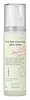
This brightening toner is formulated around Niacinamide and Glutathione to fade the look of dark spots and brighten dull-looking skin.
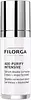
This acne serum is formulated around Gluconolactone and Zinc PCA to clear breakouts and soften the look of wrinkles.


What's inside
What's inside
 Key Ingredients
Benefits
Concerns
Ingredients Side-by-side
Water
Skin ConditioningButylene Glycol
Humectant

Niacinamide
Smoothing










Ethylhexyl Stearate
Emollient




Caprylic/Capric Triglyceride
Masking
Cetyl Ethylhexanoate
EmollientGlutathione
Sodium Ascorbyl Phosphate
Antioxidant

Salix Alba Bark Extract
Astringent
Adenosine
Skin Conditioning
Sodium Hyaluronate
Humectant
Hydroxypropyltrimonium Hyaluronate
Sodium Acetylated Hyaluronate
Humectant
Hydrolyzed Hyaluronic Acid
Humectant
Hyaluronic Acid
Humectant
Sodium Hyaluronate Crosspolymer
Humectant
Hydrolyzed Sodium Hyaluronate
Skin Conditioning
Potassium Hyaluronate
Skin ConditioningPanthenol
Skin Conditioning
Squalane
Emollient
Glycerin
Humectant
Allantoin
Skin Conditioning
Cyanocobalamin
Skin ConditioningTerminalia Ferdinandiana Fruit Extract
Antioxidant
Hippophae Rhamnoides Fruit Extract
Skin Conditioning
Malpighia Glabra Fruit Extract
Skin ConditioningBrassica Oleracea Italica Extract
AstringentMorus Alba Root Extract
BleachingPhaseolus Radiatus Seed Extract
Skin ConditioningCanavalia Gladiata Seed Extract
Skin ConditioningGlycine Soja Seed Extract
Skin Conditioning
Lens Esculenta Seed Extract
Skin ProtectingCeratonia Siliqua Seed Extract
Skin ConditioningCentella Asiatica Leaf Extract
Skin Conditioning
Ceramide NP
Skin Conditioning
Acetyl Octapeptide-3
Humectant
Dipeptide-1
Skin Conditioning
Tripeptide-2
Skin Conditioning
Palmitoyl Dipeptide-7
Skin Conditioning
Dipeptide-4
Skin Conditioning
Sorbitan Stearate
Emulsifying
Cetearyl Alcohol
Emollient
1,2-Hexanediol
Skin Conditioning
Stearic Acid
Cleansing
Polysorbate 60
Emulsifying
Ethylhexylglycerin
Skin ConditioningHydrogenated Olive Oil Unsaponifiables
Emollient
Disodium EDTA
ChelatingHydroxypropyl Cyclodextrin
MaskingPueraria Lobata Root Extract
HumectantLactobacillus Ferment Lysate
Skin Conditioning
Chlorphenesin
Antimicrobial
Maltodextrin
Absorbent
Melia Azadirachta Flower Extract
Skin ConditioningOcimum Sanctum Leaf Extract
Skin ConditioningMelia Azadirachta Leaf Extract
Skin ConditioningArginine
Masking
Phytosterols
Skin Conditioning
Carbomer
Emulsion StabilisingCurcuma Longa Root Extract
Antioxidant
Corallina Officinalis Extract
Skin Conditioning
Caprylyl Glycol
Emollient
Sodium Citrate
BufferingPolyglyceryl-10 Laurate
Skin Conditioning
Citric Acid
Buffering
Water, Butylene Glycol, Niacinamide, Ethylhexyl Stearate, Caprylic/Capric Triglyceride, Cetyl Ethylhexanoate, Glutathione, Sodium Ascorbyl Phosphate, Salix Alba Bark Extract, Adenosine, Sodium Hyaluronate, Hydroxypropyltrimonium Hyaluronate, Sodium Acetylated Hyaluronate, Hydrolyzed Hyaluronic Acid, Hyaluronic Acid, Sodium Hyaluronate Crosspolymer, Hydrolyzed Sodium Hyaluronate, Potassium Hyaluronate, Panthenol, Squalane, Glycerin, Allantoin, Cyanocobalamin, Terminalia Ferdinandiana Fruit Extract, Hippophae Rhamnoides Fruit Extract, Malpighia Glabra Fruit Extract, Brassica Oleracea Italica Extract, Morus Alba Root Extract, Phaseolus Radiatus Seed Extract, Canavalia Gladiata Seed Extract, Glycine Soja Seed Extract, Lens Esculenta Seed Extract, Ceratonia Siliqua Seed Extract, Centella Asiatica Leaf Extract, Ceramide NP, Acetyl Octapeptide-3, Dipeptide-1, Tripeptide-2, Palmitoyl Dipeptide-7, Dipeptide-4, Sorbitan Stearate, Cetearyl Alcohol, 1,2-Hexanediol, Stearic Acid, Polysorbate 60, Ethylhexylglycerin, Hydrogenated Olive Oil Unsaponifiables, Disodium EDTA, Hydroxypropyl Cyclodextrin, Pueraria Lobata Root Extract, Lactobacillus Ferment Lysate, Chlorphenesin, Maltodextrin, Melia Azadirachta Flower Extract, Ocimum Sanctum Leaf Extract, Melia Azadirachta Leaf Extract, Arginine, Phytosterols, Carbomer, Curcuma Longa Root Extract, Corallina Officinalis Extract, Caprylyl Glycol, Sodium Citrate, Polyglyceryl-10 Laurate, Citric Acid
Water
Skin ConditioningPropanediol
Solvent
Butylene Glycol Dicaprylate/Dicaprate
EmollientGluconolactone
Chelating
Glycerin
Humectant
Alcohol Denat.
Antimicrobial


Silica
Abrasive
Hydroxyethyl Acrylate/Sodium Acryloyldimethyl Taurate Copolymer
Emulsion StabilisingZinc PCA
Humectant
Butylene Glycol
Humectant
Sodium Hydroxide
BufferingParfum
Masking
Sodium Benzoate
Masking
Chondrus Crispus
Masking
Levulinic Acid
Perfuming
Maltodextrin
Absorbent
Pentylene Glycol
Skin Conditioning
Peumus Boldus Leaf Extract
MaskingSodium Levulinate
Skin ConditioningCitric Acid
Buffering
Azelaic Acid
Buffering
Bixa Orellana Seed Extract
MaskingMandelic Acid
Antimicrobial
Glycolic Acid
Buffering
Polysorbate 60
Emulsifying
Sorbitan Isostearate
Emulsifying
Hydrolyzed Wheat Flour
Skin ConditioningSodium Phytate
ChelatingSucrose Palmitate
EmollientCI 77289
Cosmetic ColorantXanthan Gum
EmulsifyingNiacinamide
Smoothing
Ceramide AP
Skin Conditioning
1,2-Hexanediol
Skin Conditioning
Caprylyl Glycol
Emollient
Dipeptide Diaminobutyroyl Benzylamide Diacetate
Skin Conditioning
Glyceryl Linoleate
Emollient
Prunus Amygdalus Dulcis Oil
Skin Conditioning
Sodium Chloride
MaskingEthylhexyl Salicylate
UV Absorber

Butyl Methoxydibenzoylmethane
UV Absorber
Diethylhexyl Syringylidenemalonate
Skin Protecting
Glucose
Humectant
Phenoxyethanol
Preservative
Sodium Hyaluronate
Humectant
Potassium Chloride
Potassium Sorbate
Preservative
Calcium Chloride
AstringentMagnesium Sulfate
Glutamine
Skin ConditioningSodium Phosphate
BufferingAscorbic Acid
Antioxidant
Sodium Acetate
BufferingTocopherol
Antioxidant
Lysine Hcl
Skin Conditioning
Arginine Hcl
Skin ConditioningAlanine
Masking
Histidine Hcl
Skin ConditioningValine
MaskingLeucine
Skin ConditioningThreonine
Isoleucine
Skin ConditioningTryptophan
MaskingPhenylalanine
Masking
Tyrosine
MaskingGlycine
Buffering
Polysorbate 80
Emulsifying
Serine
Masking
Cystine
MaskingCyanocobalamin
Skin ConditioningGlutathione
Asparagine
MaskingAspartic Acid
Masking
Ornithine Hcl
Skin ConditioningGlutamic Acid
Humectant
Nicotinamide Adenine Dinucleotide
Skin ConditioningProline
Skin Conditioning
Methionine
Skin ConditioningTaurine
BufferingHydroxyproline
Skin ConditioningGlucosamine Hcl
Coenzyme A
Skin ConditioningSodium Glucuronate
HumectantThiamine Diphosphate
Skin ConditioningRetinyl Acetate
Skin Conditioning
Inositol
Humectant
Niacin
SmoothingPyridoxine Hcl
Skin ConditioningBiotin
AntiseborrhoeicCalcium Pantothenate
Riboflavin
Cosmetic ColorantSodium Tocopheryl Phosphate
Antioxidant
Thiamine Hcl
MaskingFolic Acid
Skin ConditioningWater, Propanediol, Butylene Glycol Dicaprylate/Dicaprate, Gluconolactone, Glycerin, Alcohol Denat., Silica, Hydroxyethyl Acrylate/Sodium Acryloyldimethyl Taurate Copolymer, Zinc PCA, Butylene Glycol, Sodium Hydroxide, Parfum, Sodium Benzoate, Chondrus Crispus, Levulinic Acid, Maltodextrin, Pentylene Glycol, Peumus Boldus Leaf Extract, Sodium Levulinate, Citric Acid, Azelaic Acid, Bixa Orellana Seed Extract, Mandelic Acid, Glycolic Acid, Polysorbate 60, Sorbitan Isostearate, Hydrolyzed Wheat Flour, Sodium Phytate, Sucrose Palmitate, CI 77289, Xanthan Gum, Niacinamide, Ceramide AP, 1,2-Hexanediol, Caprylyl Glycol, Dipeptide Diaminobutyroyl Benzylamide Diacetate, Glyceryl Linoleate, Prunus Amygdalus Dulcis Oil, Sodium Chloride, Ethylhexyl Salicylate, Butyl Methoxydibenzoylmethane, Diethylhexyl Syringylidenemalonate, Glucose, Phenoxyethanol, Sodium Hyaluronate, Potassium Chloride, Potassium Sorbate, Calcium Chloride, Magnesium Sulfate, Glutamine, Sodium Phosphate, Ascorbic Acid, Sodium Acetate, Tocopherol, Lysine Hcl, Arginine Hcl, Alanine, Histidine Hcl, Valine, Leucine, Threonine, Isoleucine, Tryptophan, Phenylalanine, Tyrosine, Glycine, Polysorbate 80, Serine, Cystine, Cyanocobalamin, Glutathione, Asparagine, Aspartic Acid, Ornithine Hcl, Glutamic Acid, Nicotinamide Adenine Dinucleotide, Proline, Methionine, Taurine, Hydroxyproline, Glucosamine Hcl, Coenzyme A, Sodium Glucuronate, Thiamine Diphosphate, Retinyl Acetate, Inositol, Niacin, Pyridoxine Hcl, Biotin, Calcium Pantothenate, Riboflavin, Sodium Tocopheryl Phosphate, Thiamine Hcl, Folic Acid
Reviews
Alternatives
Ingredients Explained
These ingredients are found in both products.
Ingredients higher up in an ingredient list are typically present in a larger amount.
1,2-Hexanediol is a synthetic liquid and another multi-functional powerhouse.
It is a:
- Humectant, drawing moisture into the skin
- Emollient, helping to soften skin
- Solvent, dispersing and stabilizing formulas
- Preservative booster, enhancing the antimicrobial activity of other preservatives
Butylene Glycol (or BG) is used within cosmetic products for a few different reasons:
Overall, Butylene Glycol is a safe and well-rounded ingredient that works well with other ingredients.
Though this ingredient works well with most skin types, some people with sensitive skin may experience a reaction such as allergic rashes, closed comedones, or itchiness.
Learn more about Butylene GlycolCaprylyl Glycol is a humectant, skin conditioner, emollient, and preservative booster derived from either caprylic acid or synthetically created.
Typical use levels vary from 0.3-1% as a preservative booster and go up to 2% to condition skin.
Because it is not a free-fatty acid, this ingredient is fungal acne safe (there's nothing for Malassezia to feed on).
Learn more about Caprylyl GlycolCitric Acid is an alpha hydroxy acid (AHA) naturally found in citrus fruits like oranges, lemons, and limes.
Like other AHAs, citric acid can exfoliate skin by breaking down the bonds that hold dead skin cells together. This helps reveal smoother and brighter skin underneath.
However, this exfoliating effect only happens at high concentrations (20%) which can be hard to find in cosmetic products.
Due to this, citric acid is usually included in small amounts as a pH adjuster. This helps keep products slightly more acidic and compatible with skin's natural pH.
In skincare formulas, citric acid can:
While it can provide some skin benefits, research shows lactic acid and glycolic acid are generally more effective and less irritating exfoliants.
Most citric acid used in skincare today is made by fermenting sugars (usually from molasses). This synthetic version is identical to the natural citrus form but easier to stabilize and use in formulations.
Rosacea skin has a lower threshold for acids generally, with 62.5% of rosacea subjects in one study reacting to lactic acid in a sting test. This is why we mark citric acid as a potential rosacea trigger.
However, this ingredient shows up as a pH adjuster or chelator at roughly 0.1-1% in many products. These low levels are unlikely to be an issue for rosacea skin and becomes a potential trigger at exfoliating concentrations (20%). Because everybody's skin is unique, we recommend a patch test if you are unsure.
Learn more about Citric AcidCyanocobalamin is the manufactured version of vitamin B12. It has skin soothing, antioxidant, and barrier protecting properties. Topical cyanocobalamin is used to treat skin irritation and atopic dermatitis.
Glutathione is a tiny protein-like molecule (a "tripeptide" build from 3 amino acids: glycine, cysteine, and glutamic acid) that your body already makes on its own.
Inside your body, it acts as one of the skin's main antioxidants that help fight against free radicals.
In skincare, it's best known as a brightening ingredient that slows down tyrosinase, the key enzyme that makes skin pigment. It also nudges the skin toward making a lighter type of pigment instead of a darker one.
This is why you'll see it in products aimed at dark spots and uneven tone.
A small number of real human trials have found a topical glutathione lotion:
The honest caveat is that the current evidence is still thin (few studies, small groups, short timelines). Glutathione also doesn't absorb into skin very easily so results tend to be modest and fade if you stop using it.
One thing worth clearing up:
The scary side effects you may have heard about come from glutathione injected intravenously, which has real safety concerns. Applying it topically is a completely different thing and has a clean track record.
Most human studies used it around 2% (as Glutathione or Glutathione Disulfide) and a 2% oxidized glutathione lotion and a 2% S-acyl glutathione cream are the concentrations with actual clinical data behind them.
There's no established "ideal" percentage yet but 1-2% is the evidence-backed range.
Allergy-wise, there is very low risk for this ingredient; it was well-tolerated across the topical trials. Only one participant had mild temporary redness that cleared up on its own and another study reported no adverse reactions at all.
One trial had ~10% of users drop out for irritation was using a combination cream that also had 10% azelaic acid so the irritation likely wasn't from the glutathione. There's no notable contact-allergy signal for topical glutathione in the literature but patch-testing before first use is still sensible for those with sensitive skin.
Learn more about GlutathioneGlycerin (or glycerol) is a compound naturally found in your skin. It's a powerhouse humectant that pulls water into the stratum corneum.
Topically, glycerin does several things at once:
Your skin makes glycerin on its own (mostly from sebaceous oil breakdown) and shuttles it to your outermost layer of skin, or your epidermis, via aquaporin-3.
Aquaporin-3 is a transporter that is essential for normal skin hydration, elasticity, and repair. Interestingly, mice lacking in AQP3 have dry and less elastic skin that can be fully corrected with glycerin.
This ingredient is non-irritating, plays well with almost every ingredient, and works across all skin types. Typical use is anywhere between 3-10% but can go up to 79% in some leave-on products.
Just know very high concentrations (>40%) can feel tacky in low humidity.
Glycerin is the name for this ingredient in American English. British English uses Glycerol/Glycerine.
Learn more about GlycerinMaltodextrin is a plant-derived carbohydrate made by breaking down starch (usually from corn, potato, or rice). In cosmetic formulas, it's a multitasking absorbent, emulsion stabilizer, and skin conditioner.
This ingredient is mostly used to stabilize emulsions and improve the powdery, non-greasy feel of products (like dry shampoos).
Safety-wise, this ingredient is pretty solid; it's even recognized as a food additive. Both animal and clinical studies found no adverse effects at the levels used in cosmetics.
Industry data shows this ingredient is used up to 45.7% in spray products and up to 33% in powder products.
Learn more about MaltodextrinNiacinamide is a multitasking form of vitamin B3 that strengthens the skin barrier, reduces pores and dark spots, regulates oil, and improves signs of aging.
And the best part? It's gentle and well-tolerated by most skin types, including sensitive and reactive skin.
You might have heard of "niacin flush", or the reddening of skin that causes itchiness. Niacinamide has not been found to cause this.
In very rare cases, some individuals may not be able to tolerate niacinamide at all or experience an allergic reaction to it.
If you are experiencing flaking, irritation, and dryness with this ingredient, be sure to double check all your products as this ingredient can be found in all categories of skincare.
When incorporating niacinamide into your routine, look out for concentration amounts. Typically, 5% niacinamide provides benefits such as fading dark spots. However, if you have sensitive skin, it is better to begin with a smaller concentration.
When you apply niacinamide to your skin, your body converts it into nicotinamide adenine dinucleotide (NAD). NAD is an essential coenzyme that is already found in your cells as "fuel" and powers countless biological processes.
In your skin, NAD helps repair cell damage, produce new healthy cells, support collagen production, strengthen the skin barrier, and fight environmental stressors (like UV and pollution).
Our natural NAD levels start to decline with age, leading to slower skin repair, visible aging, and a weaker skin barrier. By providing your skin niacinamide, you're recharging your skin's NAD levels. This leads to stronger, healthier, and younger looking skin.
Another name for vitamin B3 is nicotinamide. This vitamin is water-soluble and our bodies don't store it. We obtain Vitamin B3 from either food or skincare. Meat, fish, wheat, yeast, and leafy greens contain vitamin B3.
The type of niacinamide used in skincare is synthetically created.
Learn more about NiacinamidePolysorbate 60 is used to help stabilize products. It is a surfactant and emulsifier. These properties help keep ingredients together in a product. Surfactants help reduce surface tension between ingredients with different states, such as liquids and solids. Emulsifiers help prevent oils and waters from separating.
Polysorbate 60 is sorbitol-based and created from the ethoxylation of sorbitan. Ethoxylation is a chemical reaction used to add ethylene oxide. Sorbitan is a the dehydrated version of sorbitol, a sugar found in fruits.
In this case, the 60 comes from reacting 60 units of ethylene oxide with sorbitan.
Polysorbates are commonly used in medicine and foods.
Learn more about Polysorbate 60Sodium Hyaluronate is the salt form of hyaluronic acid. It is a long sugar chain that is naturally found in your skin, joints, and connective tissue that maintains hydration and elasticity.
In skincare, it works as a humectant. It pulls water from the environment and deeper layers of skin and binds it to the surface.
Interestingly, the size of the molecule affects its behavior:
Some clinical evidence links low molecular weight versions to improved wrinkle depth, elasticity, anti-inflammatory effects, and barrier repair.
Many serums use a blend of both weights so you can get surface hydration plus longer-lasting and deeper effects.
You'll typically see concentrations between 0.1-2% for this ingredient.
Learn more about Sodium HyaluronateWater. It's the most common cosmetic ingredient of all. You'll usually see it at the top of ingredient lists, meaning that it makes up the largest part of the product.
So why is it so popular? Water most often acts as a solvent - this means that it helps dissolve other ingredients into the formulation.
You'll also recognize water as that liquid we all need to stay alive. If you see this, drink a glass of water. Remember to stay hydrated!
Learn more about Water

