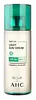
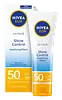
This chemical sunscreen covers the full UV range and blocks ~98% of UVB at SPF 50.
This chemical sunscreen covers the full UV range and blocks ~98% of UVB at SPF 50.


What's inside
What's inside
 Key Ingredients
Benefits
Concerns
Ingredients Side-by-side
Water
Skin ConditioningDibutyl Adipate
EmollientDiethylamino Hydroxybenzoyl Hexyl Benzoate
UV Filter
Bis-Ethylhexyloxyphenol Methoxyphenyl Triazine
UV Absorber
Alcohol Denat.
Antimicrobial




Niacinamide
Smoothing











Butyloctyl Salicylate
Skin Conditioning
Ethylhexyl Triazone
UV Absorber
Butylene Glycol
Humectant
Eclipta Prostrata Extract
Skin Conditioning
Melia Azadirachta Leaf Extract
Skin ConditioningMoringa Oleifera Seed Oil
Emollient


Peucedanum Graveolens Extract
TonicCitrus Aurantium Bergamia Fruit Oil
Masking

Hibiscus Abelmoschus Seed Extract
Masking
Thymus Serpyllum Extract
Skin ConditioningAchillea Millefolium Extract
CleansingAlpha-Arbutin
Antioxidant

Crithmum Maritimum Callus Culture Filtrate
Skin ProtectingPhyllanthus Emblica Fruit Extract
HumectantCamellia Sinensis Seed Oil
Humectant
Caesalpinia Spinosa Fruit Extract
Skin ProtectingXylitylglucoside
Humectant
Gossypium Herbaceum Extract
Skin ConditioningKappaphycus Alvarezii Extract
Skin Conditioning
Xylitol
Humectant
Yeast Ferment Extract
Skin ConditioningCichorium Intybus Root Extract
MaskingVanilla Tahitensis Fruit Extract
Skin ConditioningOrthosiphon Stamineus Extract
Skin ConditioningThermus Thermophillus Ferment
Skin ConditioningCandida Bombicola/Glucose/Methyl Rapeseedate Ferment
AntimicrobialMentha Suaveolens Leaf Extract
AstringentCamellia Sinensis Leaf Extract
Antimicrobial
Thymus Vulgaris Leaf Extract
Skin ProtectingImperata Cylindrica Root Extract
Skin ConditioningCalamine
AbsorbentChlorella Ferment
Skin Conditioning
Hydrolyzed Hyaluronic Acid
Humectant
Opuntia Ficus-Indica Stem Extract
Skin Conditioning
Panax Ginseng Root Extract
Emollient
Perilla Frutescens Extract
Skin ConditioningAdansonia Digitata Seed Extract
Skin ConditioningAdenium Obesum Leaf Cell Extract
MaskingEugenia Caryophyllus Bud Extract
Perfuming
Solidago Virgaurea Extract
Skin ConditioningSoluble Collagen
Humectant
Caprylyl Methicone
Skin Conditioning
Hexyl Laurate
Emollient
Isoamyl P-Methoxycinnamate
UV Absorber
Polysilicone-15
UV Filter
1,2-Hexanediol
Skin Conditioning
Pentylene Glycol
Skin Conditioning
Sodium Acrylates Crosspolymer-2
AbsorbentPolymethylsilsesquioxane
Silica
Abrasive
Dibutyl Lauroyl Glutamide
Skin ConditioningHydroxyethyl Urea
Humectant
Isopropyl Myristate
Emollient
Sodium Polyacryloyldimethyl Taurate
Emulsion StabilisingDibutyl Ethylhexanoyl Glutamide
Skin ConditioningHydroxyacetophenone
Antioxidant
C30-45 Alkyldimethylsilyl Polypropylsilsesquioxane
Trehalose
Humectant
Ammonium Acryloyldimethyltaurate/Vp Copolymer
Adenosine
Skin Conditioning
Propanediol
Solvent
Allantoin
Skin Conditioning
Biosaccharide Gum-1
Humectant
Albatrellus Confluens Extract
Humectant
Ethylhexylglycerin
Skin ConditioningCitric Acid
Buffering
Glycerin
Humectant
Ascorbic Acid
Antioxidant
Madecassoside
Antioxidant
Ectoin
Skin Conditioning
Glutathione
Hydroxystearic Acid
Cleansing
Panthenol
Skin Conditioning
Phenylethyl Resorcinol
Antioxidant
Tranexamic Acid
Astringent
Palmitoyl Glycine
CleansingEllagic Acid
Skin Conditioning
4-T-Butylcyclohexanol
Masking
Anhydroxylitol
Humectant
Lactic Acid/Glycolic Acid Copolymer
Skin ConditioningCaprylic/Capric Triglyceride
Masking
C12-15 Alkyl Benzoate
AntimicrobialDipotassium Phosphate
BufferingAcetyl Glutamine
Skin ConditioningCerium Oxide
Hydrogen Dimethicone
Triethoxycaprylylsilane
Hydrogenated Lecithin
Emulsifying
Hydroxyphenyl Propamidobenzoic Acid
Skin ConditioningBiosaccharide Gum-4
Skin Conditioning
Ceramide NP
Skin Conditioning
Maltodextrin
Absorbent
Gluconolactone
Chelating
Polyhydroxystearic Acid
Emulsifying
Caprylyl Glycol
Emollient
Ascorbyl Palmitate
Antioxidant
Cellulose Gum
Emulsion StabilisingCalcium Gluconate
HumectantSodium Stearoyl Glutamate
CleansingDisodium EDTA
ChelatingXanthan Gum
EmulsifyingSodium Benzoate
Masking
Mica
Cosmetic ColorantWater, Dibutyl Adipate, Diethylamino Hydroxybenzoyl Hexyl Benzoate, Bis-Ethylhexyloxyphenol Methoxyphenyl Triazine, Alcohol Denat., Niacinamide, Butyloctyl Salicylate, Ethylhexyl Triazone, Butylene Glycol, Eclipta Prostrata Extract, Melia Azadirachta Leaf Extract, Moringa Oleifera Seed Oil, Peucedanum Graveolens Extract, Citrus Aurantium Bergamia Fruit Oil, Hibiscus Abelmoschus Seed Extract, Thymus Serpyllum Extract, Achillea Millefolium Extract, Alpha-Arbutin, Crithmum Maritimum Callus Culture Filtrate, Phyllanthus Emblica Fruit Extract, Camellia Sinensis Seed Oil, Caesalpinia Spinosa Fruit Extract, Xylitylglucoside, Gossypium Herbaceum Extract, Kappaphycus Alvarezii Extract, Xylitol, Yeast Ferment Extract, Cichorium Intybus Root Extract, Vanilla Tahitensis Fruit Extract, Orthosiphon Stamineus Extract, Thermus Thermophillus Ferment, Candida Bombicola/Glucose/Methyl Rapeseedate Ferment, Mentha Suaveolens Leaf Extract, Camellia Sinensis Leaf Extract, Thymus Vulgaris Leaf Extract, Imperata Cylindrica Root Extract, Calamine, Chlorella Ferment, Hydrolyzed Hyaluronic Acid, Opuntia Ficus-Indica Stem Extract, Panax Ginseng Root Extract, Perilla Frutescens Extract, Adansonia Digitata Seed Extract, Adenium Obesum Leaf Cell Extract, Eugenia Caryophyllus Bud Extract, Solidago Virgaurea Extract, Soluble Collagen, Caprylyl Methicone, Hexyl Laurate, Isoamyl P-Methoxycinnamate, Polysilicone-15, 1,2-Hexanediol, Pentylene Glycol, Sodium Acrylates Crosspolymer-2, Polymethylsilsesquioxane, Silica, Dibutyl Lauroyl Glutamide, Hydroxyethyl Urea, Isopropyl Myristate, Sodium Polyacryloyldimethyl Taurate, Dibutyl Ethylhexanoyl Glutamide, Hydroxyacetophenone, C30-45 Alkyldimethylsilyl Polypropylsilsesquioxane, Trehalose, Ammonium Acryloyldimethyltaurate/Vp Copolymer, Adenosine, Propanediol, Allantoin, Biosaccharide Gum-1, Albatrellus Confluens Extract, Ethylhexylglycerin, Citric Acid, Glycerin, Ascorbic Acid, Madecassoside, Ectoin, Glutathione, Hydroxystearic Acid, Panthenol, Phenylethyl Resorcinol, Tranexamic Acid, Palmitoyl Glycine, Ellagic Acid, 4-T-Butylcyclohexanol, Anhydroxylitol, Lactic Acid/Glycolic Acid Copolymer, Caprylic/Capric Triglyceride, C12-15 Alkyl Benzoate, Dipotassium Phosphate, Acetyl Glutamine, Cerium Oxide, Hydrogen Dimethicone, Triethoxycaprylylsilane, Hydrogenated Lecithin, Hydroxyphenyl Propamidobenzoic Acid, Biosaccharide Gum-4, Ceramide NP, Maltodextrin, Gluconolactone, Polyhydroxystearic Acid, Caprylyl Glycol, Ascorbyl Palmitate, Cellulose Gum, Calcium Gluconate, Sodium Stearoyl Glutamate, Disodium EDTA, Xanthan Gum, Sodium Benzoate, Mica
Water
Skin ConditioningAlcohol Denat.
Antimicrobial
Butyl Methoxydibenzoylmethane
UV Absorber
Bis-Ethylhexyloxyphenol Methoxyphenyl Triazine
UV Absorber
Isopropyl Palmitate
Emollient
C12-15 Alkyl Benzoate
AntimicrobialDibutyl Adipate
EmollientEthylhexyl Triazone
UV Absorber
Butylene Glycol Dicaprylate/Dicaprate
EmollientCetearyl Alcohol
Emollient
Distarch Phosphate
AbsorbentPhenylbenzimidazole Sulfonic Acid
UV Absorber
Glyceryl Stearate
Emollient
Tapioca Starch
Diethylamino Hydroxybenzoyl Hexyl Benzoate
UV Filter
Glycerin
Humectant
Glycyrrhiza Inflata Root Extract
Skin Conditioning
Tocopheryl Acetate
Antioxidant
Hydroxypropyl Starch Phosphate
Xanthan Gum
EmulsifyingCocoglycerides
Emollient
Hydrogenated Coco-Glycerides
Emollient
Hydrogenated Rapeseed Oil
Emollient
Sodium Stearoyl Glutamate
CleansingSilica Dimethyl Silylate
EmollientSodium Hydroxide
BufferingSodium Chloride
MaskingHydroxyacetophenone
Antioxidant
Ethylhexylglycerin
Skin ConditioningPhenoxyethanol
Preservative
Trisodium EDTA
ChelatingLinalool
Perfuming
Benzyl Alcohol
Perfuming
Alpha-Isomethyl Ionone
Perfuming
Limonene
Perfuming
Geraniol
Perfuming
Citronellol
Perfuming
Parfum
Masking
Water, Alcohol Denat., Butyl Methoxydibenzoylmethane, Bis-Ethylhexyloxyphenol Methoxyphenyl Triazine, Isopropyl Palmitate, C12-15 Alkyl Benzoate, Dibutyl Adipate, Ethylhexyl Triazone, Butylene Glycol Dicaprylate/Dicaprate, Cetearyl Alcohol, Distarch Phosphate, Phenylbenzimidazole Sulfonic Acid, Glyceryl Stearate, Tapioca Starch, Diethylamino Hydroxybenzoyl Hexyl Benzoate, Glycerin, Glycyrrhiza Inflata Root Extract, Tocopheryl Acetate, Hydroxypropyl Starch Phosphate, Xanthan Gum, Cocoglycerides, Hydrogenated Coco-Glycerides, Hydrogenated Rapeseed Oil, Sodium Stearoyl Glutamate, Silica Dimethyl Silylate, Sodium Hydroxide, Sodium Chloride, Hydroxyacetophenone, Ethylhexylglycerin, Phenoxyethanol, Trisodium EDTA, Linalool, Benzyl Alcohol, Alpha-Isomethyl Ionone, Limonene, Geraniol, Citronellol, Parfum
Reviews
Ingredients Explained
These ingredients are found in both products.
Ingredients higher up in an ingredient list are typically present in a larger amount.
Alcohol Denat. is an alcohol with a denaturant property. It is created by mixing ethanol with other additives.
The "denat" part just means "denatured"; common denaturants include Denatonium Benzoate, t-butyl alcohol, and Diethyl Phthalate. This step makes the alcohol undrinkable (and lets brand skip taxes related to beverage alcohol).
This ingredient gets a bad rep because it is irritating and drying due to its astringent property. Astringents draw out natural oils in tissue to constrict pores and dry out your skin.
However, alcohol denat. is not all that bad.
Due to its low molecular weight, alcohol denat. tends to evaporate quickly. One study on pig skin found half of applied alcohol evaporated in 10 seconds and less than 3% stayed on skin.
This also helps other ingredients become better absorbed upon application.
Studies are conflicted about whether this ingredient causes skin dehydration. One study from 2005 found adding emollients to propanol-based sanitizer decreased skin dryness and irritation. Another study found irritation only occurs if your skin is already damaged.
Small amounts of alcohol are generally tolerated by oily skin or people who live in humid environments.
The rule of thumb is this ingredient will probably not affect your skin much if it is near the end of an ingredients list.
One thing to note:
People with ALDH2 (aldehyde dehydrogenase 2) deficiency may experience skin irritation from continued alcohol use. About 8% of the world's population have this deficiency.
The Cosmetic Ingredient Review Expert Panel has determined denatured alcohols to be safe for use in concentrations between 0.05% and 12% (depending on which denaturant is used).
Also...
This ingredient has antimicrobial and solvent properties.
The antimicrobial property helps preserve products and increase their shelf life. As a solvent, it helps dissolve other ingredients.
Look for formulas that contain glycerin, hyaluronic acid, or panthenol if you want to offset any drying effect.
This ingredient will trip away your skin's natural oils/lipids that help it lock in moisture. This can worsen dryness, trigger eczema flare-ups, and aggravate rosacea.
Be sure to patch test any product with this ingredient if you have dry or sensitive skin, eczema, or rosacea.
Learn more about Alcohol Denat.This ingredient is better known as bemotrizinol or Tinosorb S and is one of the best broad-spectrum UV filters in modern sunscreen.
It works by absorbing UV light across a whole range (280-400 nm) with peaks around 310 nm (UVB) and 340-345 nm (UVA). This means it covers UVB plus the deeper UVA wavelengths that drive photoaging and pigmentation.
Another pro?
It's exceptionally photostable, barely degrades in sunlight, and acts as a "bodyguard" for less stable filters.
That's why you'll see it paired with avobenzone or octinoxate; this team up ensures they keep working through sun exposure.
Safety reviews have been reassuring across the board. This ingredient shows low absorption through the skin, rarely irritates, and lab studies found it doesn't act like a hormone in the body (a concern that's been raised about some older sunscreen filters).
On maximum concentrations:
In 2026, the US F.D.A finally added it as an OTC sunscreen ingredient at concentrations up to 6% for adults / children 6 months and older
Learn more about Bis-Ethylhexyloxyphenol Methoxyphenyl TriazineC12-15 Alkyl Benzoate is a lightweight emollient made by combinig benzoic acid with fatty alcohols that are 12-15 carbons long.
In cosmetics, it plays several roles:
The Cosmetic Review Expert Panel has concluded the alkyl benzoate group to be safe as used in cosmetics; it wasn't found to be a skin irritant and unlikely to be absorbed due to its low water solubility.
This report recorded almost 1000 reported uses with concentrations up to 59% in leave-on products but your cosmetics will typically use 0.5-15% depending on the product.
It's often called a "SPF booster": this is because it keeps UV filters properly dissolved and evenly distributed to support a sunscreen's performance. It doesn't actually raise SPF on its own.
Overall, this ingredient is well tolerated.
This ingredient is fungal acne safe because it is an ester of benzoic acid.
Think of this ingredient as two parts stuck together: an oily part and an acid part. Malassezia only gets a meal when it can snip off a fatty acid to eat. With C12-15 Alkyl Benzoate, the acid part is benzoic acid, which isn't a fatty acid and which the yeast can't use as food.
Benzoic acid is actually used as a preservative to stop yeast from growing.
The oily part is a blend of C12-15 fatty alcohols but fatty alcohols in this size range can support only a little Malassezia growth (mostly for one species of Malassezia as well).
In the ingredient, those alcohols stay locked inside the molecule. The yeast can only reach them by snipping the benzoate bond, and that type of bond is harder for it to cut than a normal fatty bond.
So not much gets released. And whatever does get snipped comes packaged with benzoic acid, which discourages yeast growth.
Learn more about C12-15 Alkyl BenzoateDibutyl Adipate is a lightweight, oil-soluble ester that acts as an emollient and solvent. It helps products spread more easily and leaves a soft, silky, dry-touch finish without being greasy.
You'll likely see this ingredient in sunscreens because it does a nice job dissolving UV filters and keeping them evenly distributed.
This ingredient has been found to be safe as used in cosmetics, wasn't a skin or eye irritant in clinical patch testing, and wasn't phototoxic.
In a clinical comedogenicity test, this ingredient tested negative so it isn't likely to clog pores.
Typical use levels are about 5-8% for sunscreens + nail products, but can range from 0.005%-8% depending on the product.
Learn more about Dibutyl AdipateDiethylamino Hydroxybenzoyl Hexyl Benzoate (DHHB) is a chemical UV-A absorber. It is formulated for high UVA protection (320-400 nm).
DHHB is well-liked for:
DHHB has been approved by the EU, Japan, Taiwan, and South America for use up to 10%. Unfortunately, it has not been approved for use in the US or Canada due to slow regulatory processes.
This ingredient is soluble in oils, fats, and lipids.
Learn more about Diethylamino Hydroxybenzoyl Hexyl BenzoateEthylhexyl Triazone (aka Octyl Triazone) is an oil-soluble organic UVB filter. It has peak absorption around 314 nm, right in the middle of the UVB range.
This ingredient is described as one of the most effective UVB filters available and small concentrations are enough to deliver a high SPF thanks to its strong UV absorbing power.
Formulators love it for its stability; its ability to filter UV stays practically unchanged even under intense radiation and it can also help boost the photostability of less stable filters like avobenzone.
It's also a great pick for water resistant products because it's insoluble in water and has a good affinity for keratin.
Because it's a big, heavy molecule, the European Scientific Committee has found to to have very low dermal penetration and negative results for allergenicity.
In vitro testing also showed a low absorption rate and clean results on irritation.
Typical use levels are 1-5% with 5% being the maximum in the EU, Japan, and other markets that allow it. However, this ingredient is not approved yet in the US or Canada.
Learn more about Ethylhexyl TriazoneEthylhexylglycerin is created from glycerin. It is a multitasker ingredient that:
The CIR Expert Panel found minimal skin absorption or sensitization of any kind in a safety assessment. Though this ingredient is considered well-tolerated, a small number of cases of allergic dermatitis have been published since 2002. Just be sure to patch test if you are unsure.
Industry-reported use ranges from 8% in rinse-off products and 2% in leave-on formulations.
Learn more about EthylhexylglycerinGlycerin (or glycerol) is a compound naturally found in your skin. It's a powerhouse humectant that pulls water into the stratum corneum.
Topically, glycerin does several things at once:
Your skin makes glycerin on its own (mostly from sebaceous oil breakdown) and shuttles it to your outermost layer of skin, or your epidermis, via aquaporin-3.
Aquaporin-3 is a transporter that is essential for normal skin hydration, elasticity, and repair. Interestingly, mice lacking in AQP3 have dry and less elastic skin that can be fully corrected with glycerin.
This ingredient is non-irritating, plays well with almost every ingredient, and works across all skin types. Typical use is anywhere between 3-10% but can go up to 79% in some leave-on products.
Just know very high concentrations (>40%) can feel tacky in low humidity.
Glycerin is the name for this ingredient in American English. British English uses Glycerol/Glycerine.
Learn more about GlycerinHydroxyacetophenone is a small phenolic molecule that earns its place in a formulas as an antioxidant and preservative booster.
As a phenol, it is able to neutralize free radicals to protect both the product and the skin from oxidative stress.
Though it can't kill microbes on its own, it works as a good supporting agent when combined with other preservatives like Phenoxyethanol or 1,2-Hexanediol.
This ingredient naturally occurs as piceol in Norwegian spruce needles (~0.4-1.1% dry weight and in cloudberries). Though the cosmetic-grade material is synthesized for purity and consistency.
You'll usually see it used at low levels and suppliers recommend up to 1% added to a water phase.
Safety testing was done at concentrations like 0.05% in SPF products and 0.5% in a Human Repeated Insult Patch Test. The safety evidence is assuring; this ingredient is safe for cosmetics in current use and also holds safety status as a food flavoring as well.
An honest caveat: the "soothing" and "anti-inflammatory" claims come mostly from supplier marketing rather than published clinical trials. The Cosmetic Ingredient Review's own literature search found no useful efficacy studies on this ingredient.
So the antioxidant and preservative-boosting roles are the well supported ones while the calming benefit is plausible but thinly evidenced.
Overall, this is a well-tolerated, low-irritation multitasker that quietly helps a formula stay fresh and stable.
Learn more about HydroxyacetophenoneSodium Stearoyl Glutamate is an amino-acid based emulsifier. It is made by combining stearic acid with L-glutamic acid and neutralizing it to a sodium salt.
As an emulsifier, it works mainly as an oil-in-water one and helps keep the oil and water in your formulas blended. It also contributes to a smooth, non-greasy skin feel.
This ingredient is biodegradable and commonly available in natural/COSMOS-certified grades.
Learn more about Sodium Stearoyl GlutamateWater. It's the most common cosmetic ingredient of all. You'll usually see it at the top of ingredient lists, meaning that it makes up the largest part of the product.
So why is it so popular? Water most often acts as a solvent - this means that it helps dissolve other ingredients into the formulation.
You'll also recognize water as that liquid we all need to stay alive. If you see this, drink a glass of water. Remember to stay hydrated!
Learn more about WaterXanthan gum is used as a stabilizer and thickener within cosmetic products. It helps give products a sticky, thick feeling - preventing them from being too runny.
On the technical side of things, xanthan gum is a polysaccharide - a combination consisting of multiple sugar molecules bonded together.
Xanthan gum is a pretty common and great ingredient. It is a natural, non-toxic, non-irritating ingredient that is also commonly used in food products.
Learn more about Xanthan Gum

