
What's inside
What's inside
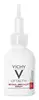 Key Ingredients
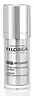
Benefits
Concerns
Ingredients Side-by-side
Water
Skin ConditioningGlycerin
Humectant


Pentylene Glycol
Skin Conditioning
Isononyl Isononanoate
EmollientAlcohol Denat.
Antimicrobial




Dicaprylyl Ether
Emollient
Glycine Soja Oil
Emollient





Propylene Glycol
Humectant
PEG-6 Caprylic/Capric Glycerides
EmulsifyingHydrolyzed Rice Protein
Skin ConditioningHydroxyacetophenone
Antioxidant

Palmitoyl Tetrapeptide-7
Skin Conditioning


Palmitoyl Tripeptide-1
Skin Conditioning
Pentaerythrityl Tetra-Di-T-Butyl Hydroxyhydrocinnamate
Antioxidant
Sodium Hyaluronate
Humectant
Sodium Hydroxide
BufferingTrisodium Ethylenediamine Disuccinate
Vitreoscilla Ferment
Skin Conditioning
Retinol
Skin Conditioning




Dicaprylyl Carbonate
EmollientAmmonium Polyacryloyldimethyl Taurate
Emulsion StabilisingButylene Glycol
Humectant
Caprylyl Glycol
Emollient
Carbomer
Emulsion StabilisingGlyceryl Isostearate
Emollient
Polysorbate 20
Emulsifying
PPG-6-Decyltetradeceth-30
EmulsifyingSodium Lactate
Buffering
Tocopherol
Antioxidant
Xanthan Gum
EmulsifyingWater, Glycerin, Pentylene Glycol, Isononyl Isononanoate, Alcohol Denat., Dicaprylyl Ether, Glycine Soja Oil, Propylene Glycol, PEG-6 Caprylic/Capric Glycerides, Hydrolyzed Rice Protein, Hydroxyacetophenone, Palmitoyl Tetrapeptide-7, Palmitoyl Tripeptide-1, Pentaerythrityl Tetra-Di-T-Butyl Hydroxyhydrocinnamate, Sodium Hyaluronate, Sodium Hydroxide, Trisodium Ethylenediamine Disuccinate, Vitreoscilla Ferment, Retinol, Dicaprylyl Carbonate, Ammonium Polyacryloyldimethyl Taurate, Butylene Glycol, Caprylyl Glycol, Carbomer, Glyceryl Isostearate, Polysorbate 20, PPG-6-Decyltetradeceth-30, Sodium Lactate, Tocopherol, Xanthan Gum
Water
Skin ConditioningC10-18 Triglycerides
Emollient
Caprylic/Capric Triglyceride
Masking
Heptyl Undecylenate
EmollientGlycerin
Humectant
Propanediol
Solvent
Ethylhexyl Palmitate
Emollient
Glyceryl Stearate
Emollient
PEG-100 Stearate
Surfactant
Butylene Glycol
Humectant
Sodium Citrate
BufferingMaltodextrin
Absorbent
Hydroxyethyl Acrylate/Sodium Acryloyldimethyl Taurate Copolymer
Emulsion StabilisingArginine PCA
HumectantCetyl Alcohol
Emollient
Gluconolactone
Skin Conditioning
Hydrogenated Olive Oil Stearyl Esters
Emulsion Stabilising
Mannitol
Humectant
Parfum
Masking

Sucrose Dilaurate
Emollient
Maris Aqua
HumectantSimmondsia Chinensis Seed Oil
Emollient
Tribehenin
Emollient
Sucrose Palmitate
EmollientHydroxyacetophenone
Antioxidant
Caprylyl Glycol
Emollient
Citric Acid
Buffering
Sodium Hydroxide
BufferingPolyacrylate Crosspolymer-6
Emulsion StabilisingSodium Cocoyl Glutamate
Cleansing
Tocopherol
Antioxidant
Helianthus Annuus Seed Oil
Emollient
Lecithin
Emollient
Lysolecithin
EmulsifyingGlyceryl Linoleate
Emollient
Paeonia Albiflora Root Extract
Skin ConditioningPrunus Amygdalus Dulcis Oil
Skin Conditioning
Pisum Sativum Extract
Skin ConditioningPolysorbate 60
Emulsifying
Sorbitan Isostearate
Emulsifying
Sodium Chloride
MaskingBorago Officinalis Seed Oil
Emollient
Oenothera Biennis Oil
Emollient
Camellia Oleifera Seed Oil
Skin Conditioning
CI 77891
Cosmetic ColorantSynthetic Fluorphlogopite
Trihydroxystearin
Skin Conditioning
Niacinamide
Smoothing
3-O-Ethyl Ascorbic Acid
Skin Conditioning
Lactobacillus Ferment
Skin Conditioning
Potassium Azeloyl Diglycinate
Skin Conditioning
Sodium Phytate
Ceramide NP
Skin Conditioning
Sodium Hyaluronate
Humectant
1,2-Hexanediol
Skin Conditioning
Glucose
Humectant
Phenoxyethanol
Preservative
Bisabolol
Antioxidant
Potassium Chloride
Beta-Sitosterol
Emulsion Stabilising
Phytic Acid
Squalene
Emollient
Potassium Sorbate
Preservative
Calcium Chloride
AstringentSophora Japonica Flower Extract
Skin ProtectingAcetyl Tetrapeptide-11
Skin Conditioning
Magnesium Sulfate
Glutamine
Skin ConditioningAcetyl Tetrapeptide-9
Skin Conditioning
Tin Oxide
Abrasive
CI 19140
Cosmetic ColorantSodium Phosphate
BufferingAscorbic Acid
Antioxidant
Sodium Acetate
BufferingLysine Hcl
Skin Conditioning
Arginine Hcl
Skin ConditioningAlanine
Masking
CI 17200
Cosmetic ColorantHistidine Hcl
Skin ConditioningValine
MaskingLeucine
Skin ConditioningThreonine
Isoleucine
Skin ConditioningTryptophan
MaskingPhenylalanine
Masking
Tyrosine
MaskingGlycine
Buffering
Polysorbate 80
Emulsifying
Glucomannan
Skin ConditioningSerine
Masking
Cystine
MaskingCyanocobalamin
Skin ConditioningGlutathione
Asparagine
MaskingAspartic Acid
Masking
Ornithine Hcl
Skin ConditioningGlutamic Acid
Humectant
Nicotinamide Adenine Dinucleotide
Skin ConditioningProline
Skin Conditioning
Methionine
Skin ConditioningTaurine
BufferingHydroxyproline
Skin ConditioningGlucosamine Hcl
Coenzyme A
Skin ConditioningSodium Glucuronate
HumectantThiamine Diphosphate
Skin ConditioningRetinyl Acetate
Skin Conditioning
Inositol
Humectant
Niacin
SmoothingPyridoxine Hcl
Skin ConditioningBiotin
AntiseborrhoeicCalcium Pantothenate
Riboflavin
Cosmetic ColorantSodium Tocopheryl Phosphate
Antioxidant
Thiamine Hcl
MaskingFolic Acid
Skin ConditioningWater, C10-18 Triglycerides, Caprylic/Capric Triglyceride, Heptyl Undecylenate, Glycerin, Propanediol, Ethylhexyl Palmitate, Glyceryl Stearate, PEG-100 Stearate, Butylene Glycol, Sodium Citrate, Maltodextrin, Hydroxyethyl Acrylate/Sodium Acryloyldimethyl Taurate Copolymer, Arginine PCA, Cetyl Alcohol, Gluconolactone, Hydrogenated Olive Oil Stearyl Esters, Mannitol, Parfum, Sucrose Dilaurate, Maris Aqua, Simmondsia Chinensis Seed Oil, Tribehenin, Sucrose Palmitate, Hydroxyacetophenone, Caprylyl Glycol, Citric Acid, Sodium Hydroxide, Polyacrylate Crosspolymer-6, Sodium Cocoyl Glutamate, Tocopherol, Helianthus Annuus Seed Oil, Lecithin, Lysolecithin, Glyceryl Linoleate, Paeonia Albiflora Root Extract, Prunus Amygdalus Dulcis Oil, Pisum Sativum Extract, Polysorbate 60, Sorbitan Isostearate, Sodium Chloride, Borago Officinalis Seed Oil, Oenothera Biennis Oil, Camellia Oleifera Seed Oil, CI 77891, Synthetic Fluorphlogopite, Trihydroxystearin, Niacinamide, 3-O-Ethyl Ascorbic Acid, Lactobacillus Ferment, Potassium Azeloyl Diglycinate, Sodium Phytate, Ceramide NP, Sodium Hyaluronate, 1,2-Hexanediol, Glucose, Phenoxyethanol, Bisabolol, Potassium Chloride, Beta-Sitosterol, Phytic Acid, Squalene, Potassium Sorbate, Calcium Chloride, Sophora Japonica Flower Extract, Acetyl Tetrapeptide-11, Magnesium Sulfate, Glutamine, Acetyl Tetrapeptide-9, Tin Oxide, CI 19140, Sodium Phosphate, Ascorbic Acid, Sodium Acetate, Lysine Hcl, Arginine Hcl, Alanine, CI 17200, Histidine Hcl, Valine, Leucine, Threonine, Isoleucine, Tryptophan, Phenylalanine, Tyrosine, Glycine, Polysorbate 80, Glucomannan, Serine, Cystine, Cyanocobalamin, Glutathione, Asparagine, Aspartic Acid, Ornithine Hcl, Glutamic Acid, Nicotinamide Adenine Dinucleotide, Proline, Methionine, Taurine, Hydroxyproline, Glucosamine Hcl, Coenzyme A, Sodium Glucuronate, Thiamine Diphosphate, Retinyl Acetate, Inositol, Niacin, Pyridoxine Hcl, Biotin, Calcium Pantothenate, Riboflavin, Sodium Tocopheryl Phosphate, Thiamine Hcl, Folic Acid
Ingredients Explained
These ingredients are found in both products.
Ingredients higher up in an ingredient list are typically present in a larger amount.
Butylene Glycol (or BG) is used within cosmetic products for a few different reasons:
Overall, Butylene Glycol is a safe and well-rounded ingredient that works well with other ingredients.
Though this ingredient works well with most skin types, some people with sensitive skin may experience a reaction such as allergic rashes, closed comedones, or itchiness.
Learn more about Butylene GlycolCaprylyl Glycol is a humectant, skin conditioner, emollient, and preservative booster derived from either caprylic acid or synthetically created.
Typical use levels vary from 0.3-1% as a preservative booster and go up to 2% to condition skin.
Because it is not a free-fatty acid or alcohol, this ingredient is fungal acne safe (there's nothing for Malassezia to feed on).
Learn more about Caprylyl GlycolGlycerin (or glycerol) is a compound naturally found in your skin. It's a powerhouse humectant that pulls water into the stratum corneum.
Topically, glycerin does several things at once:
Your skin makes glycerin on its own (mostly from sebaceous oil breakdown) and shuttles it to your outermost layer of skin, or your epidermis, via aquaporin-3.
Aquaporin-3 is a transporter that is essential for normal skin hydration, elasticity, and repair. Interestingly, mice lacking in AQP3 have dry and less elastic skin that can be fully corrected with glycerin.
This ingredient is non-irritating, plays well with almost every ingredient, and works across all skin types. Typical use is anywhere between 3-10% but can go up to 79% in some leave-on products.
Just know very high concentrations (>40%) can feel tacky in low humidity.
Glycerin is the name for this ingredient in American English. British English uses Glycerol/Glycerine.
Learn more about GlycerinHydroxyacetophenone is antioxidant with skin conditioning and soothing properties. It also boosts the efficiency of preservatives.
Though naturally occuring in Norwegian spruce needles, this ingredient is usually synthetically created.
This ingredient is not irritating or sensitizing. Recent research also suggests it may have skin-brightening effects through tyrosinase inhibition.
Learn more about HydroxyacetophenoneSodium Hyaluronate is the salt form of hyaluronic acid. It is a long sugar chain that is naturally found in your skin, joints, and connective tissue that maintains hydration and elasticity.
In skincare, it works as a humectant. It pulls water from the environment and deeper layers of skin and binds it to the surface.
Interestingly, the size of the molecule affects its behavior:
Some clinical evidence links low molecular weight versions to improved wrinkle depth, elasticity, anti-inflammatory effects, and barrier repair.
Many serums use a blend of both weights so you can get surface hydration plus longer-lasting and deeper effects.
You'll typically see concentrations between 0.1-2% for this ingredient.
Learn more about Sodium HyaluronateSodium Hydroxide is also known as lye or caustic soda. It is used to adjust the pH of products; many ingredients require a specific pH to be effective.
In small amounts, sodium hydroxide is considered safe to use. However, large amounts may cause chemical burns due to its high alkaline.
Your skin has a natural pH and acid mantle. This acid mantle helps prevent harmful bacteria from breaking through. The acid mantle also helps keep your skin hydrated.
"Alkaline" refers to a high pH level. A low pH level would be considered acidic.
Learn more about Sodium HydroxideTocopherol is a fat-soluble antioxidant known as Vitamin E.
You'll find this ingredient in the vast majority of skincare (for good reason). It works to neutralize free radicals, or unstable molecules generated by UV exposure, pollution, and other environmental stressors, before they can cause oxidative damage to your skin cells.
Topically applied tocopherol has been shown to protect against UV damage by ramping up the skin's own natural defense enzymes.
It also acts as a skin conditioning agent; some studies show that regular topical use can improve the skin's water-binding capacity over 2-4 weeks.
This ingredient is especially loved for being a team player. When combined with Vitamin C, the photoprotective effect of both ingredients roughly doubles and the combo also helps reduce UV-induced DNA damage.
This ingredient has some brightening potential but it's more of a prevention ingredient than spot-fader. Cell studies show it can slow down melanin production but it's worth noting that it's not the most powerful brightener out there.
In formulations, it also serves as a stabilizer that helps protect other oxidation-prone ingredients from degrading.
Concentrations usually range from 0.1-1% in most leave-on products.
Learn more about TocopherolWater. It's the most common cosmetic ingredient of all. You'll usually see it at the top of ingredient lists, meaning that it makes up the largest part of the product.
So why is it so popular? Water most often acts as a solvent - this means that it helps dissolve other ingredients into the formulation.
You'll also recognize water as that liquid we all need to stay alive. If you see this, drink a glass of water. Remember to stay hydrated!
Learn more about Water
