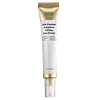
This anti-aging eye moisturizer is formulated around Niacinamide and Acetyl Hexapeptide-8 to soften the look of wrinkles.
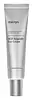
This anti-aging eye moisturizer is formulated around Bifida Ferment Lysate and Niacinamide to soften the look of wrinkles and strengthen the skin barrier.

What's inside
What's inside
 Key Ingredients
Benefits
Concerns
Ingredients Side-by-side
Water
Skin ConditioningGlycerin
Humectant


Cetyl Ethylhexanoate
EmollientCaprylic/Capric Triglyceride
Masking
Cetearyl Alcohol
Emollient





Niacinamide
Smoothing









Caprylyl Methicone
Skin Conditioning
Polyglyceryl-3 Methylglucose Distearate
Emulsifying
Cetearyl Glucoside
Emulsifying
Sorbitan Olivate
Emulsifying
Pentaerythrityl Tetraethylhexanoate
Emollient
Myrothamnus Flabellifolia Callus Culture Extract
Antioxidant
Silk Extract
Skin ConditioningAcetyl Hexapeptide-8
Humectant
Retinol
Skin Conditioning

Panthenol
Skin Conditioning
Gold
Cosmetic ColorantBenzyl Glycol
SolventButylene Glycol
Humectant
Behenyl Alcohol
Emollient
Palmitic Acid
Emollient
Stearic Acid
Cleansing
Sodium Acrylate/Sodium Acryloyldimethyl Taurate Copolymer
Emulsion StabilisingPolyisobutene
Butyrospermum Parkii Butter
Skin Conditioning
Stearyl Alcohol
Emollient
Arachidyl Alcohol
Emollient
Macadamia Ternifolia Seed Oil
Emollient
Xanthan Gum
Emulsifying1,2-Hexanediol
Skin Conditioning
Coptis Chinensis Root Extract
Antioxidant
Ethylhexylglycerin
Skin ConditioningAdenosine
Skin Conditioning
Sorbitan Oleate
Emulsifying
Agar
MaskingCaprylyl/Capryl Glucoside
CleansingMalt Extract
Skin ProtectingCalcium Alginate
MaskingAllantoin
Skin Conditioning
Hydrolyzed Elastin
EmollientHydrolyzed Silk
Humectant
Hydrogenated Polyisobutene
EmollientMoringa Oleifera Seed Extract
Skin Conditioning
Ethyl Hexanediol
SolventDioscorea Villosa Root Extract
Skin Conditioning
Polysorbate 20
Emulsifying
Hydrolyzed Collagen
Emollient
Hydrogenated Lecithin
Emulsifying
Mica
Cosmetic ColorantMacrocystis Pyrifera Extract
Skin Conditioning
Abelmoschus Esculentus Fruit Extract
Skin ConditioningHydrolyzed Soy Protein
Humectant
Titanium Dioxide
Cosmetic Colorant

Synthetic Fluorphlogopite
Acrylates/C10-30 Alkyl Acrylate Crosspolymer
Emulsion StabilisingTromethamine
BufferingCI 77491
Cosmetic ColorantCorchorus Olitorius Leaf Extract
Skin ConditioningNelumbo Nucifera Root Extract
Skin ConditioningHydrolyzed Collagen Extract
Skin Protecting
Silk Amino Acids
HumectantHydrolyzed Hyaluronic Acid
Humectant
Hydrolyzed Sodium Hyaluronate
Skin Conditioning
Dimethylsilanol Hyaluronate
Humectant
Sodium Hyaluronate
Humectant
Polyglutamic Acid
Skin Conditioning
Hyaluronic Acid
Humectant
Potassium Hyaluronate
Skin ConditioningSodium Hyaluronate Crosspolymer
Humectant
Hydroxypropyltrimonium Hyaluronate
Ceramide NP
Skin Conditioning
Sodium Hyaluronate Dimethylsilanol
HumectantSodium Acetylated Hyaluronate
Humectant
Tin Oxide
Abrasive
Copper Tripeptide-1
Skin Conditioning
Cholesterol
Emollient
Phytosphingosine
Skin Conditioning
Caffeoyl Hexapeptide-65
Antimicrobial
Ceramide Ng
Skin Conditioning
Ceramide Ns
Skin Conditioning
Palmitoyl Tetrapeptide-7
Skin Conditioning
Ceramide As
Skin Conditioning
Ceramide AP
Skin Conditioning
Ophiopogon Japonicus Root Extract
Skin ConditioningPalmitoyl Tripeptide-1
Skin Conditioning
Glycine
Buffering
Glutamic Acid
Humectant
Leucine
Skin ConditioningMethionine
Skin ConditioningValine
MaskingSerine
Masking
Aspartic Acid
Masking
Alanine
Masking
Arginine
Masking
Isoleucine
Skin ConditioningPhenylalanine
Masking
Proline
Skin Conditioning
Histidine
Humectant
Taurine
BufferingOrnithine
Skin ConditioningCollagen Extract
Skin Conditioning
Palmitoyl Pentapeptide-4
Skin Conditioning
Sh-Oligopeptide-1
Skin Conditioning
Sh-Oligopeptide-2
Skin Conditioning
Sh-Polypeptide-11
Ceramide EOP
Skin Conditioning
Water, Glycerin, Cetyl Ethylhexanoate, Caprylic/Capric Triglyceride, Cetearyl Alcohol, Niacinamide, Caprylyl Methicone, Polyglyceryl-3 Methylglucose Distearate, Cetearyl Glucoside, Sorbitan Olivate, Pentaerythrityl Tetraethylhexanoate, Myrothamnus Flabellifolia Callus Culture Extract, Silk Extract, Acetyl Hexapeptide-8, Retinol, Panthenol, Gold, Benzyl Glycol, Butylene Glycol, Behenyl Alcohol, Palmitic Acid, Stearic Acid, Sodium Acrylate/Sodium Acryloyldimethyl Taurate Copolymer, Polyisobutene, Butyrospermum Parkii Butter, Stearyl Alcohol, Arachidyl Alcohol, Macadamia Ternifolia Seed Oil, Xanthan Gum, 1,2-Hexanediol, Coptis Chinensis Root Extract, Ethylhexylglycerin, Adenosine, Sorbitan Oleate, Agar, Caprylyl/Capryl Glucoside, Malt Extract, Calcium Alginate, Allantoin, Hydrolyzed Elastin, Hydrolyzed Silk, Hydrogenated Polyisobutene, Moringa Oleifera Seed Extract, Ethyl Hexanediol, Dioscorea Villosa Root Extract, Polysorbate 20, Hydrolyzed Collagen, Hydrogenated Lecithin, Mica, Macrocystis Pyrifera Extract, Abelmoschus Esculentus Fruit Extract, Hydrolyzed Soy Protein, Titanium Dioxide, Synthetic Fluorphlogopite, Acrylates/C10-30 Alkyl Acrylate Crosspolymer, Tromethamine, CI 77491, Corchorus Olitorius Leaf Extract, Nelumbo Nucifera Root Extract, Hydrolyzed Collagen Extract, Silk Amino Acids, Hydrolyzed Hyaluronic Acid, Hydrolyzed Sodium Hyaluronate, Dimethylsilanol Hyaluronate, Sodium Hyaluronate, Polyglutamic Acid, Hyaluronic Acid, Potassium Hyaluronate, Sodium Hyaluronate Crosspolymer, Hydroxypropyltrimonium Hyaluronate, Ceramide NP, Sodium Hyaluronate Dimethylsilanol, Sodium Acetylated Hyaluronate, Tin Oxide, Copper Tripeptide-1, Cholesterol, Phytosphingosine, Caffeoyl Hexapeptide-65, Ceramide Ng, Ceramide Ns, Palmitoyl Tetrapeptide-7, Ceramide As, Ceramide AP, Ophiopogon Japonicus Root Extract, Palmitoyl Tripeptide-1, Glycine, Glutamic Acid, Leucine, Methionine, Valine, Serine, Aspartic Acid, Alanine, Arginine, Isoleucine, Phenylalanine, Proline, Histidine, Taurine, Ornithine, Collagen Extract, Palmitoyl Pentapeptide-4, Sh-Oligopeptide-1, Sh-Oligopeptide-2, Sh-Polypeptide-11, Ceramide EOP
Water
Skin ConditioningBifida Ferment Lysate
Skin Conditioning
Hydrolyzed Collagen Extract
Skin Protecting
Cetearyl Alcohol
Emollient
Glycerin
Humectant
Squalane
Emollient
1,2-Hexanediol
Skin Conditioning
Niacinamide
Smoothing
Propylene Glycol Dicaprylate
EmollientArachidyl Alcohol
Emollient
Sodium Hyaluronate
Humectant
Sh-Oligopeptide-1
Skin Conditioning
Sh-Oligopeptide-2
Skin Conditioning
Sh-Polypeptide-1
Skin Conditioning
Sh-Polypeptide-2
Skin Conditioning
Panthenol
Skin Conditioning
Beta-Glucan
Skin Conditioning
Acetyl Hexapeptide-8
Humectant
Calendula Officinalis Flower Water
Masking
Rosa Centifolia Flower Water
Skin ConditioningDaucus Carota Sativa Root Extract
Skin Conditioning
Sophora Angustifolia Root Extract
Skin ConditioningLactobacillus/Pumpkin Fruit Ferment Filtrate
Skin ConditioningChamomilla Recutita Flower Extract
Masking
Triticum Vulgare Germ Protein
EmollientHippophae Rhamnoides Water
Masking
Citrus Aurantifolia Fruit Water
Skin ConditioningMorus Alba Bark Extract
Skin ConditioningMalus Domestica Fruit Extract
Antioxidant
Portulaca Oleracea Extract
Skin Conditioning
Euterpe Oleracea Fruit Extract
Chenopodium Quinoa Extract
Skin ConditioningPadina Pavonica Extract
Skin ConditioningCaprylic/Capric Triglyceride
Masking
Trehalose
Humectant
Cetyl Ethylhexanoate
EmollientBehenyl Alcohol
Emollient
Cetearyl Olivate
Cetearyl Glucoside
Emulsifying
Arachidyl Glucoside
EmulsifyingSorbitan Olivate
Emulsifying
Propanediol Dicaprylate
EmollientHydrogenated Olive Oil Unsaponifiables
Emollient
Propanediol
Solvent
Glyceryl Caprylate
EmollientBetaine
Humectant
Ethylhexylglycerin
Skin ConditioningOlea Europaea Fruit Oil
Masking
Sesamum Indicum Seed Oil
Emollient
Oenothera Biennis Oil
Emollient
Adenosine
Skin Conditioning
Water, Bifida Ferment Lysate, Hydrolyzed Collagen Extract, Cetearyl Alcohol, Glycerin, Squalane, 1,2-Hexanediol, Niacinamide, Propylene Glycol Dicaprylate, Arachidyl Alcohol, Sodium Hyaluronate, Sh-Oligopeptide-1, Sh-Oligopeptide-2, Sh-Polypeptide-1, Sh-Polypeptide-2, Panthenol, Beta-Glucan, Acetyl Hexapeptide-8, Calendula Officinalis Flower Water, Rosa Centifolia Flower Water, Daucus Carota Sativa Root Extract, Sophora Angustifolia Root Extract, Lactobacillus/Pumpkin Fruit Ferment Filtrate, Chamomilla Recutita Flower Extract, Triticum Vulgare Germ Protein, Hippophae Rhamnoides Water, Citrus Aurantifolia Fruit Water, Morus Alba Bark Extract, Malus Domestica Fruit Extract, Portulaca Oleracea Extract, Euterpe Oleracea Fruit Extract, Chenopodium Quinoa Extract, Padina Pavonica Extract, Caprylic/Capric Triglyceride, Trehalose, Cetyl Ethylhexanoate, Behenyl Alcohol, Cetearyl Olivate, Cetearyl Glucoside, Arachidyl Glucoside, Sorbitan Olivate, Propanediol Dicaprylate, Hydrogenated Olive Oil Unsaponifiables, Propanediol, Glyceryl Caprylate, Betaine, Ethylhexylglycerin, Olea Europaea Fruit Oil, Sesamum Indicum Seed Oil, Oenothera Biennis Oil, Adenosine
Ingredients Explained
These ingredients are found in both products.
Ingredients higher up in an ingredient list are typically present in a larger amount.
1,2-Hexanediol is a synthetic liquid and another multi-functional powerhouse.
It is a:
- Humectant, drawing moisture into the skin
- Emollient, helping to soften skin
- Solvent, dispersing and stabilizing formulas
- Preservative booster, enhancing the antimicrobial activity of other preservatives
Acetyl Hexapeptide-8 (also known as Argireline) is a synthetic hexapeptide that is often called a "topical Botox alternative".
It works by mimicking how Botox relaxes muscles; it interferes with the signaling process that tells your facial muscles to contract. This can help soften expression lines like forehead wrinkles or crow's feet over time.
The comparison to Botox does have limits because the molecule is water-loving and relatively large.
Acetyl Hexapeptide-8 has a hard time absorbing deeply enough through the skin's outer barrier to actually reach the muscles.
So whether it truly works the way Botox does at a biological level is still up for debate, but early clinical outcomes are fairly encouraging.
A 12 week human study of a multi-ingredient regimen containing this ingredient saw:
While some studies have observed improvements in wrinkle appearance, it is important to note that more consistent results are seen in multi-ingredient formulations (vs just Acetyl Hexapeptide-8 alone).
Some research studies also used higher concentrations (up to 10%) while this ingredient is usually found in concentrations up to 0.005% in leave-on formulations.
Learn more about Acetyl Hexapeptide-8Adenosine is a purine nucleoside that your body already makes in every cell. In skincare, it acts mainly as a skin conditioning and anti-aging agent.
The way it works is fairly well mapped out:
Your skin has cells called fibroblasts that build collagen (the stuff that keeps skin firm and smooth). Adenosine basically flips a switch on these cells that tells them to get to work making more collagen and other proteins. These cells slow down on their own as skin ages, so Adenosine helps give them a little nudge to keep going.
The clinical backing is pretty solid too.
A blind, randomized, placebo-controlled trial of 126 women aged 45-65 tested a 0.1% cream twice daily and found real improvements in crow's feet and frown lines using a precise 3D skin-mapping technique; these changes showed up by week 3 and held at 2 months.
A later study using Adenosine-loaded dissolving microneedle patches reported gains in wrinkle depth, dermal density, elasticity, and hydration.
On concentrations, South Korea's Ministry of Food and Drug Safety has set 0.04% as the approved functional anti-wrinkle level. You'll typically see this ingredient used somewhere in the 0.04-0.1% range since it works at low doses.
This ingredient has been found safe for cosmetics with the data showing no irritation or sensitization.
Overall, this is a great ingredient for any anti-aging routine and has no photosensitizing effect, so it suits both AM and PM use.
Learn more about AdenosineArachidyl Alcohol is a fatty alcohol made from the the arachidic acid found in peanut oil.
Despite having "alcohol" in the name, it is not related to denatured alcohol or ethanol.
This ingredient is a multitasker:
Just be sure to patch this ingredient if you have a peanut allergy (though this ingredient is highly processed and the allergenic proteins are typically removed).
Learn more about Arachidyl AlcoholBehenyl Alcohol is a type of fatty alcohol (these are different from the drying, solvent alcohols).
Fatty Alcohols have hydrating properties and are most often used as an emollient or to thicken a product. They are usually derived from natural fats and oils; behenyl alcohol is derived from the fats of vegetable oils.
Emollients help keep your skin soft and hydrated by creating a film that traps moisture in.
In 2000, Behenyl Alcohol was approved by the US as medicine to reduce the duration of cold sores.
Learn more about Behenyl AlcoholCaprylic/Capric Triglyceride (aka MCT Oil) is a lightweight emollient, solvent, and texture enhancer. It is considered a skin-softener by helping to prevent moisture loss.
Though it behaves like an oil, it is not technically one due to its chemical composition. One perk of this ingredient is that it is very stable, resistant to oxidation, and unlikely to go rancid.
In practice, that translates to a long shelf life and a consistently elegant skin feel.
While there is an assumption Caprylic Triglyceride can clog pores due to it being derived from coconut oil, there is no research supporting this. Just patch test if you have concerns.
Fractionated coconut oil and MCT Oil are both listed as Caprylic/Capric Triglyceride according to INCI. This is because INCI names are based on the ingredient’s final chemical composition and not its marketing name or source.
This ingredient is treated as the gold standard fungal acne safe oil. Even though it is coconut derived, the problematic lauric acid is stripped out.
This leaves just caprylic (C8) and capric (C10) acid. These chain lengths actually trend antifungal; a 2020 study found caprylic acid was enough to disrupt Malassezia furfur cell membrane, with a caprylic acid derivative damaging membrane structures at concentrations as low as 0.2%.
Learn more about Caprylic/Capric TriglycerideCetearyl alcohol is a waxy mixture of two fatty alcohols: cetyl alcohol and stearyl alcohol. It is an emollient and emulsifier.
Despite having "alcohol" in its name, it has nothing to do with drying solvent alcohols; the FDA also allows "alcohol-free" products to contain fatty alcohols like this ingredient.
It plays several roles in a formula:
Typical use levels for this ingredient sit around 1-10% and the Cosmetic Ingredient Review Expert Panel has affirmed safety at concentrations up to 25% in leave-on products.
Multiple assessments have found it to be non-irritating and non-sensitizing to most people.
However, there have been some cases of allergic contact dermatitis in patients with chronically compromised skin barriers.
Cetearyl alcohol has a comedogenic rating of 2 and irritancy rating of 1. Both of these numbers come from the 1989 study that used rabbit ears; a "2" means mildly comedogenic and a "1" means low irritancy.
Here's the catch: rabbit skin is more sensitive than human skin and throws a lot of false positives. A 1996 reappraisal found that ingredients rated 1-2 in the rabbit ear tests are generally safe for humans.
Remember comedogenic ratings are unable to assess the entire formula of a product or how it will react on your skin. Just be sure to patch test if you are unsure about certain ingredients.
This ingredient is not fungal acne safe. Cetearyl alcohol is a fatty alcohol with chain lengths that fall within the range that Malassezia can metabolize.
A 2019 study has also observed Malassezia growth in the presence of this ingredient, confirming it to be not-fungal acne safe.
Learn more about Cetearyl AlcoholCetearyl Glucoside is a sugar-based emulsifier. It is usually made by combining cetearyl alcohol and glucose.
Belonging to the aklyl polyglucoside (APG) family, Cetearyl Glucoside has a sugar "head" that loves water and a fatty "tail" that loves oil. This means it can shuffle oil and water into a stable and smooth emulsion.
Typical use levels are between 1-5% and this ingredient is considered to be non-irritating by the CIR Expert Panel Review.
Once applied, your skin's glucoside hydrolases breaks it down to the parent fatty alcohol and glucose. This is why this ingredient may not be fungal acne safe.
Learn more about Cetearyl GlucosideCetyl Ethylhexanoate is an emollient ester. It comes from cetearyl alcohol and 2-ethylhexanoic acid.
Cetyl Ethylhexanoate is an emollient that adds a velvety feel to skin without being greasy or oily. Emollients help trap moisture into your skin, keeping your skin soft and hydrated.
Ethylhexylglycerin is created from glycerin. It is a multitasker ingredient that:
The CIR Expert Panel found minimal skin absorption or sensitization of any kind in a safety assessment. Though this ingredient is considered well-tolerated, a small number of cases of allergic dermatitis have been published since 2002. Just be sure to patch test if you are unsure.
Industry-reported use ranges from 8% in rinse-off products and 2% in leave-on formulations.
Learn more about EthylhexylglycerinGlycerin (or glycerol) is a compound naturally found in your skin. It's a powerhouse humectant that pulls water into the stratum corneum.
Topically, glycerin does several things at once:
Your skin makes glycerin on its own (mostly from sebaceous oil breakdown) and shuttles it to your outermost layer of skin, or your epidermis, via aquaporin-3.
Aquaporin-3 is a transporter that is essential for normal skin hydration, elasticity, and repair. Interestingly, mice lacking in AQP3 have dry and less elastic skin that can be fully corrected with glycerin.
This ingredient is non-irritating, plays well with almost every ingredient, and works across all skin types. Typical use is anywhere between 3-10% but can go up to 79% in some leave-on products.
Just know very high concentrations (>40%) can feel tacky in low humidity.
Glycerin is the name for this ingredient in American English. British English uses Glycerol/Glycerine.
Learn more about GlycerinHydrolyzed Collagen Extract can help to reduce the effects of aging.
Niacinamide is a multitasking form of vitamin B3 that strengthens the skin barrier, reduces pores and dark spots, regulates oil, and improves signs of aging.
And the best part? It's gentle and well-tolerated by most skin types, including sensitive and reactive skin.
You might have heard of "niacin flush", or the reddening of skin that causes itchiness. Niacinamide has not been found to cause this.
In very rare cases, some individuals may not be able to tolerate niacinamide at all or experience an allergic reaction to it.
If you are experiencing flaking, irritation, and dryness with this ingredient, be sure to double check all your products as this ingredient can be found in all categories of skincare.
When incorporating niacinamide into your routine, look out for concentration amounts. Typically, 5% niacinamide provides benefits such as fading dark spots. However, if you have sensitive skin, it is better to begin with a smaller concentration.
When you apply niacinamide to your skin, your body converts it into nicotinamide adenine dinucleotide (NAD). NAD is an essential coenzyme that is already found in your cells as "fuel" and powers countless biological processes.
In your skin, NAD helps repair cell damage, produce new healthy cells, support collagen production, strengthen the skin barrier, and fight environmental stressors (like UV and pollution).
Our natural NAD levels start to decline with age, leading to slower skin repair, visible aging, and a weaker skin barrier. By providing your skin niacinamide, you're recharging your skin's NAD levels. This leads to stronger, healthier, and younger looking skin.
Another name for vitamin B3 is nicotinamide. This vitamin is water-soluble and our bodies don't store it. We obtain Vitamin B3 from either food or skincare. Meat, fish, wheat, yeast, and leafy greens contain vitamin B3.
The type of niacinamide used in skincare is synthetically created.
Learn more about NiacinamidePanthenol is a common ingredient that helps hydrate and soothe the skin. It is found naturally in our skin and hair.
There are two forms of panthenol: D and L.
D-panthenol is also known as dexpanthenol. Most cosmetics use dexpanthenol or a mixture of D and L-panthenol.
Panthenol is famous due to its ability to go deeper into the skin's layers. Using this ingredient has numerous pros (and no cons):
Like hyaluronic acid, panthenol is a humectant. Humectants are able to bind and hold large amounts of water to keep skin hydrated.
This ingredient works well for wound healing. It works by increasing tissue in the wound and helps close open wounds.
Once oxidized, panthenol converts to pantothenic acid. Panthothenic acid is found in all living cells.
This ingredient is also referred to as pro-vitamin B5.
Learn more about Panthenolsh-Oligopeptide-1 is a peptide found naturally in our bodies. Peptides are the building blocks for collagen and elastin in our skin.
In cosmetics, this ingredient is bioengineered to be identical to a human gene that codes for epidermal growth factor (EGF). EGF are signal molecules that simulate cell growth and healing.
Studies find EGF help with:
In South Korea and China, EGF is considered a controversial ingredient. The South Korean Ministry of Food and Drug Safety has cracked down on companies with products including EGF due to false advertisement claims.
According to Dr. Zoe Draelos, growth factors have some drawbacks:
There is also controversy surrounding growth factors. The controversy is due to their mitogenic activity, or their ability to increase the number of cells. It is best to avoid using growth factors if you have psoriasis or are at risk of skin cancer. However, it should be noted EGF are not mutagenic - meaning they will not cause cancer.
Learn more about Sh-Oligopeptide-1This peptide has similar properties to Sh-Oligopeptide-1.
In cosmetics, this ingredient is bioengineered to be identical to a human gene that codes for epidermal growth factor (EGF). EGF are signal molecules that simulate cell growth and healing.
There is also controversy surrounding EGF. The controversy is due to their mitogenic activity, or their ability to increase the number of cells. It is best to avoid using growth factors if you have psoriasis or are at risk of skin cancer. However, it should be noted EGF are not mutagenic - meaning they will not cause cancer.
Learn more about Sh-Oligopeptide-2Sodium Hyaluronate is the salt form of hyaluronic acid. It is a long sugar chain that is naturally found in your skin, joints, and connective tissue that maintains hydration and elasticity.
In skincare, it works as a humectant. It pulls water from the environment and deeper layers of skin and binds it to the surface.
Interestingly, the size of the molecule affects its behavior:
Some clinical evidence links low molecular weight versions to improved wrinkle depth, elasticity, anti-inflammatory effects, and barrier repair.
Many serums use a blend of both weights so you can get surface hydration plus longer-lasting and deeper effects.
You'll typically see concentrations between 0.1-2% for this ingredient.
Learn more about Sodium HyaluronateSorbitan Olivate is created from the fatty acids in olive oil and sorbitol.
This ingredient is an oil in water emulsifier. It helps stabilize a product by preventing oils and waters from separating. Sorbitan Olivate also helps hydrate the skin.
This ingredient is also known as part of Olivem 1000, with Cetearyl Olivate being the other part.
According to a manufacturer, this ingredient helps preserve the natural microbiome of skin. Having a healthy microbiome helps keep our skin healthy and protects against harmful bacteria.
Please note, having a healthy microbiome is different from fungal acne; a healthy microbiome includes small amounts of yeast that normally live on your skin without causing problems.
Fungal acne happens when one type of yeast (Malassezia) grows out of control. This is usually because it's feeding on certain oils or fatty acids. Due to the olive oil base, this ingredient may not be fungal acne safe.
Learn more about Sorbitan OlivateWater. It's the most common cosmetic ingredient of all. You'll usually see it at the top of ingredient lists, meaning that it makes up the largest part of the product.
So why is it so popular? Water most often acts as a solvent - this means that it helps dissolve other ingredients into the formulation.
You'll also recognize water as that liquid we all need to stay alive. If you see this, drink a glass of water. Remember to stay hydrated!
Learn more about Water

