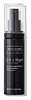
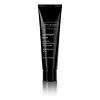
Revision Skincare D.E.J Night Face Cream Versus Revision Skincare Intellishade Matte Tinted Moisturizer SPF 45
This anti-aging night moisturizer is formulated around Tetrahexyldecyl Ascorbate and Bakuchiol to soften the look of wrinkles and refine skin texture.
This hybrid sunscreen covers the full UV range and blocks ~98% of UVB at SPF 45.

What's inside
What's inside
 Key Ingredients
Benefits
Concerns
Ingredients Side-by-side
Water
Skin ConditioningCaprylic/Capric Triglyceride
Masking


Jojoba Esters
Emollient

Cetearyl Alcohol
Emollient



Cetyl Esters
Emollient
Pentylene Glycol
Skin Conditioning
Cetyl Palmitate
Emollient
Helianthus Annuus Seed Oil Unsaponifiables
Emollient
Tetrahexyldecyl Ascorbate
Antioxidant






Lauryl Lactate
EmollientStearyl Alcohol
Emollient
Glycerin
Humectant
Alpha-Glucan Oligosaccharide
Cleansing
Dimethicone
Emollient
Bakuchiol
Antimicrobial




Hordeum Distichon Extract
Skin ProtectingSantalum Album Extract
CleansingPhellodendron Amurense Bark Extract
Skin ConditioningDicetyl Phosphate
EmulsifyingCeteth-10 Phosphate
CleansingButylene Glycol
Humectant
Tocopherol
Antioxidant
Squalane
Emollient
Ursolic Acid
MaskingPseudoalteromonas Ferment Extract
Humectant
Sodium Lauroyl Lactylate
EmulsifyingHydrogenated Lecithin
Emulsifying
Ethoxydiglycol
HumectantAstragalus Membranaceus Root Extract
Emollient
Sodium Hyaluronate
Humectant
Silanetriol
Rhamnose
HumectantLycium Barbarum Fruit Extract
Astringent
Acetyl Tetrapeptide-2
Skin Conditioning
Lecithin
Emollient
Cocos Nucifera Fruit Extract
Emollient
Retinol
Skin Conditioning


Sodium Hydroxide
BufferingRosmarinus Officinalis Leaf Extract
AntimicrobialCeramide NP
Skin Conditioning
Sorbic Acid
Preservative
Palmitoyl Hexapeptide-14
Skin Conditioning
Ceramide AP
Skin Conditioning
Phytosphingosine
Skin Conditioning
Cholesterol
Emollient
Tocopheryl Acetate
Antioxidant
Caprylyl Glycol
Emollient
Ceramide EOP
Skin Conditioning
Carbomer
Emulsion StabilisingHydroxyethyl Acrylate/Sodium Acryloyldimethyl Taurate Copolymer
Emulsion StabilisingDisodium EDTA
ChelatingMethylpropanediol
SolventUbiquinone
Antioxidant
Dipropylene Glycol
HumectantGlyceryl Caprylate
EmollientPropanediol
Solvent
Chlorphenesin
Antimicrobial
Sodium Citrate
BufferingXanthan Gum
EmulsifyingPotassium Sorbate
Preservative
Sodium Benzoate
Masking
Benzoic Acid
Masking
Phenoxyethanol
Preservative
Allyl Methacrylates Crosspolymer
Emulsion StabilisingCetyl Alcohol
Emollient
Polysorbate 20
Emulsifying
BHT
Antioxidant
Sorbitan Isostearate
Emulsifying
Polysorbate 60
Emulsifying
Ethylhexylglycerin
Skin ConditioningCitric Acid
Buffering
Propyl Gallate
Antioxidant

Water, Caprylic/Capric Triglyceride, Jojoba Esters, Cetearyl Alcohol, Cetyl Esters, Pentylene Glycol, Cetyl Palmitate, Helianthus Annuus Seed Oil Unsaponifiables, Tetrahexyldecyl Ascorbate, Lauryl Lactate, Stearyl Alcohol, Glycerin, Alpha-Glucan Oligosaccharide, Dimethicone, Bakuchiol, Hordeum Distichon Extract, Santalum Album Extract, Phellodendron Amurense Bark Extract, Dicetyl Phosphate, Ceteth-10 Phosphate, Butylene Glycol, Tocopherol, Squalane, Ursolic Acid, Pseudoalteromonas Ferment Extract, Sodium Lauroyl Lactylate, Hydrogenated Lecithin, Ethoxydiglycol, Astragalus Membranaceus Root Extract, Sodium Hyaluronate, Silanetriol, Rhamnose, Lycium Barbarum Fruit Extract, Acetyl Tetrapeptide-2, Lecithin, Cocos Nucifera Fruit Extract, Retinol, Sodium Hydroxide, Rosmarinus Officinalis Leaf Extract, Ceramide NP, Sorbic Acid, Palmitoyl Hexapeptide-14, Ceramide AP, Phytosphingosine, Cholesterol, Tocopheryl Acetate, Caprylyl Glycol, Ceramide EOP, Carbomer, Hydroxyethyl Acrylate/Sodium Acryloyldimethyl Taurate Copolymer, Disodium EDTA, Methylpropanediol, Ubiquinone, Dipropylene Glycol, Glyceryl Caprylate, Propanediol, Chlorphenesin, Sodium Citrate, Xanthan Gum, Potassium Sorbate, Sodium Benzoate, Benzoic Acid, Phenoxyethanol, Allyl Methacrylates Crosspolymer, Cetyl Alcohol, Polysorbate 20, BHT, Sorbitan Isostearate, Polysorbate 60, Ethylhexylglycerin, Citric Acid, Propyl Gallate
Ethylhexyl Methoxycinnamate 5.5%
UV Absorber

Ethylhexyl Salicylate 3.5%
UV Absorber
Titanium Dioxide 4%
Cosmetic Colorant
Zinc Oxide 3%
Cosmetic Colorant
Water
Skin ConditioningCyclopentasiloxane
Emollient
Hydrogenated Starch Hydrolysate
HumectantCaprylic/Capric Triglyceride
Masking
Cetearyl Olivate
Butylene Glycol
Humectant
Glycerin
Humectant
Sorbitan Olivate
Emulsifying
Dimethicone
Emollient
Aloe Barbadensis Leaf Juice
Skin Conditioning
Isodecyl Neopentanoate
EmollientDiisopropyl Sebacate
EmollientSorbitan Stearate
Emulsifying
Tetrahexyldecyl Ascorbate
Antioxidant
Glyceryl Stearate
Emollient
Tocopherol
Antioxidant
Allantoin
Skin Conditioning
Lauryl Lactate
EmollientSqualane
Emollient
Yeast Extract
Skin ConditioningPlankton Extract
Skin ConditioningBetula Alba Bark Extract
Masking
Camellia Sinensis Leaf Extract
Antimicrobial
Palmitoyl Dipeptide-5 Diaminobutyroyl Hydroxythreonine
Skin Conditioning
Silica
Abrasive
Lecithin
Emollient
Cetyl Alcohol
Emollient
PEG-100 Stearate
Surfactant
Hydroxyethyl Acrylate/Sodium Acryloyldimethyl Taurate Copolymer
Emulsion StabilisingPolysorbate 60
Emulsifying
Palmitoyl Tripeptide-5
Skin Conditioning
Epigallocatechin Gallate
Antioxidant
Ubiquinone
Antioxidant
Simmondsia Chinensis Meal Extract
EmollientGlyceryl Isostearate
Emollient
Tetradecyl Aminobutyroylvalylaminobutyric Urea Trifluoroacetate
Skin ConditioningTocopheryl Acetate
Antioxidant
Polyhydroxystearic Acid
Emulsifying
Boron Nitride
Absorbent
Phenoxyethanol
Preservative
Chlorphenesin
Antimicrobial
Hydroxyethylcellulose
Emulsion StabilisingXanthan Gum
EmulsifyingMagnesium Chloride
Triethoxycaprylylsilane
Sorbic Acid
Preservative
Benzoic Acid
Masking
Iron Oxides
CI 77491
Cosmetic ColorantCI 77492
Cosmetic ColorantCI 77499
Cosmetic ColorantEthylhexyl Methoxycinnamate 5.5%, Ethylhexyl Salicylate 3.5%, Titanium Dioxide 4%, Zinc Oxide 3%, Water, Cyclopentasiloxane, Hydrogenated Starch Hydrolysate, Caprylic/Capric Triglyceride, Cetearyl Olivate, Butylene Glycol, Glycerin, Sorbitan Olivate, Dimethicone, Aloe Barbadensis Leaf Juice, Isodecyl Neopentanoate, Diisopropyl Sebacate, Sorbitan Stearate, Tetrahexyldecyl Ascorbate, Glyceryl Stearate, Tocopherol, Allantoin, Lauryl Lactate, Squalane, Yeast Extract, Plankton Extract, Betula Alba Bark Extract, Camellia Sinensis Leaf Extract, Palmitoyl Dipeptide-5 Diaminobutyroyl Hydroxythreonine, Silica, Lecithin, Cetyl Alcohol, PEG-100 Stearate, Hydroxyethyl Acrylate/Sodium Acryloyldimethyl Taurate Copolymer, Polysorbate 60, Palmitoyl Tripeptide-5, Epigallocatechin Gallate, Ubiquinone, Simmondsia Chinensis Meal Extract, Glyceryl Isostearate, Tetradecyl Aminobutyroylvalylaminobutyric Urea Trifluoroacetate, Tocopheryl Acetate, Polyhydroxystearic Acid, Boron Nitride, Phenoxyethanol, Chlorphenesin, Hydroxyethylcellulose, Xanthan Gum, Magnesium Chloride, Triethoxycaprylylsilane, Sorbic Acid, Benzoic Acid, Iron Oxides, CI 77491, CI 77492, CI 77499
Ingredients Explained
These ingredients are found in both products.
Ingredients higher up in an ingredient list are typically present in a larger amount.
Benzoic Acid is an organic acid that shows up in cosmetics as a preservative. It helps keep a product from spoiling by holding back the growth of yeast, mold, and some bacteria.
This ingredient also functions as a fragrance ingredient that helps mask the unpleasant scent of other ingredients.
The way it works is worth understanding; benzoic acid works when the formula is acidic. It is able to sneak into a microbe's cell and mess up how it functions to stop it from growing in an acidic product.
However, the acid switches to an inactive form and stops working if a product isn't acidic enough (above ~5 pH). This is why you'll often see it in low pH products or teamed up with other preservatives to cover the gap.
Safety wise, it's one of the better studied preservatives out there.
The Cosmetic Ingredient Review Expert Panel has concluded this ingredient to be safe for use in cosmetic formulations at concentrations up to 5%.
A large international review found this ingredient had no effects on the human body and had low irritation potential.
Just so you know, real world use is usually much lower than the 5% ceiling (usually 1% of less).
The EU caps it at 2.5% in rinse-off products, 1.7% in oral care, and 0.5% in leave-on products.
One thing worth mentioning (it's nothing to worry about): some people get a little stinging or flushing where they apply it. This isn't a true allergy; it's a temporary and harmless reaction. This is the same kind of mild tingle you might notice from sorbic acid.
Learn more about Benzoic AcidButylene Glycol (or BG) is used within cosmetic products for a few different reasons:
Overall, Butylene Glycol is a safe and well-rounded ingredient that works well with other ingredients.
Though this ingredient works well with most skin types, some people with sensitive skin may experience a reaction such as allergic rashes, closed comedones, or itchiness.
Learn more about Butylene GlycolCaprylic/Capric Triglyceride (aka MCT Oil) is a lightweight emollient, solvent, and texture enhancer. It is considered a skin-softener by helping to prevent moisture loss.
Though it behaves like an oil, it is not technically one due to its chemical composition. One perk of this ingredient is that it is very stable, resistant to oxidation, and unlikely to go rancid.
In practice, that translates to a long shelf life and a consistently elegant skin feel.
While there is an assumption Caprylic Triglyceride can clog pores due to it being derived from coconut oil, there is no research supporting this. Just patch test if you have concerns.
Fractionated coconut oil and MCT Oil are both listed as Caprylic/Capric Triglyceride according to INCI. This is because INCI names are based on the ingredient’s final chemical composition and not its marketing name or source.
This ingredient is treated as the gold standard fungal acne safe oil. Even though it is coconut derived, the problematic lauric acid is stripped out.
This leaves just caprylic (C8) and capric (C10) acid. These chain lengths actually trend antifungal; a 2020 study found caprylic acid was enough to disrupt Malassezia furfur cell membrane, with a caprylic acid derivative damaging membrane structures at concentrations as low as 0.2%.
Learn more about Caprylic/Capric TriglycerideCetyl Alcohol is a fatty alcohol. Fatty Alcohols are most often used as an emollient or to thicken a product.
Its main roles are:
Though it has "alcohol" in the name, it is not related to denatured alcohol or ethyl alcohol.
The FDA allows products labeled "alcohol-free" to have fatty alcohols.
This ingredient may not be fungal acne safe. It is a primary fatty alcohol with a chain length above 12 carbons. A study from 2019 show Malassezia can feed on fatty alcohols in this range, so it may trigger fungal acne in those prone to it.
Learn more about Cetyl AlcoholChlorphenesin is a synthetic preservative. It helps protect a product against bacteria in order to extend shelf life. In most cases, Chlorphenesin is paired with other preservatives such as phenoxyethanol and caprylyl glycol.
Chlorphenesin is a biocide. This means it is able to help fight the microorganisms on our skin. It is also able to fight odor-releasing bacteria.
Chlorphenesin is soluble in both water and glycerin.
Studies show Chlorphenesin is easily absorbed by our skin. You should speak with a skincare professional if you have concerns about using Chlorphenesin.
Learn more about ChlorphenesinDimethicone is a type of synthetic silicone created from natural materials such as quartz. It is also known as polydimethylsiloxane.
What it does:
Dimethicone comes in different viscosities:
Depending on the viscosity, dimethicone has different properties.
Ingredients lists don't always show which type is used, so we recommend reaching out to the brand if you have questions about the viscosity.
This ingredient is unlikely to cause irritation because it does not get absorbed into skin. However, people with silicone allergies should be careful about using this ingredient.
Note: Dimethicone may contribute to pilling. This is because it is not oil or water soluble, so pilling may occur when layered with products. When mixed with heavy oils in a formula, the outcome is also quite greasy.
Learn more about DimethiconeGlycerin (or glycerol) is a compound naturally found in your skin. It's a powerhouse humectant that pulls water into the stratum corneum.
Topically, glycerin does several things at once:
Your skin makes glycerin on its own (mostly from sebaceous oil breakdown) and shuttles it to your outermost layer of skin, or your epidermis, via aquaporin-3.
Aquaporin-3 is a transporter that is essential for normal skin hydration, elasticity, and repair. Interestingly, mice lacking in AQP3 have dry and less elastic skin that can be fully corrected with glycerin.
This ingredient is non-irritating, plays well with almost every ingredient, and works across all skin types. Typical use is anywhere between 3-10% but can go up to 79% in some leave-on products.
Just know very high concentrations (>40%) can feel tacky in low humidity.
Glycerin is the name for this ingredient in American English. British English uses Glycerol/Glycerine.
Learn more about GlycerinThis is a synthetic polymer. It helps improve the texture of products by adding thickness and gel-like feel.
It is also an emulsifer, meaning it prevents ingredients such as oil and water from separating. It also helps evenly disperse other ingredients.
Lauryl Lactate, AKA koplactate, is an ester of lauryl alcohol and lactic acid. It is considered a mild AHA derivative.
This ingredient has emollient, skin conditioning, and very gentle exfoliating properties. According to a manufacturer, it can act as a penetration enhancer for active ingredients.
Lecithin is a term for a group of substances found in the cell membranes of plants, animals, and humans. They are made up of phospholipids.
Thanks to its amphiphilic structure (water-loving head and oil-loving tail), it is a true multitasker:
It plays well with most ingredients and is typically used at 0.1-1%. However, concentrations up to 50% have been reported in moisturizers.
Learn more about LecithinPhenoxyethanol is one of the most widely used preservatives in skincare (and for good reason!).
It has a large spectrum of antimicrobial activity and especially effective bacteria, yeast, and mold while only having a weak effect on your skin's natural microbiome.
On a cellular level, it disrupts the cell membranes of microbes by poking holes that make the cell leak. This shuts down the chemical reactions the microbe needs to make energy so it can no longer survive.
Another perk of this ingredient is that it stays functional across a wide pH range (3-10).
You'll often see it paired with boosters like Ethylhexylglycerin; one study showed that a 1:9 ratio of Ethylhexylglycerin to Phenoxyethanol damages bacterial membranes as effectively as doubling the Phenoxyethanol concentration on its own.
Typical use concentrations range from 0.3-1% depending on the formula, and this ingredient is capped at 1% int the EU.
Safety-wise, the fear mongering does not hold up to the evidence. The EU's Scientific Committee on Consumer Safety and FDA consider it safe as a preservative at up to 1%, including for children of all ages.
Adverse systemic effects only showed up in animal studies at exposures roughly 200x higher than what people get from cosmetics. And despite its very widespread use, this ingredient is a rare sensitizer and allergic reactions are uncommon.
Learn more about PhenoxyethanolPolysorbate 60 is used to help stabilize products. It is a surfactant and emulsifier. These properties help keep ingredients together in a product. Surfactants help reduce surface tension between ingredients with different states, such as liquids and solids. Emulsifiers help prevent oils and waters from separating.
Polysorbate 60 is sorbitol-based and created from the ethoxylation of sorbitan. Ethoxylation is a chemical reaction used to add ethylene oxide. Sorbitan is a the dehydrated version of sorbitol, a sugar found in fruits.
In this case, the 60 comes from reacting 60 units of ethylene oxide with sorbitan.
Polysorbates are commonly used in medicine and foods.
Learn more about Polysorbate 60Sorbic Acid is a preservative that stops your product from spoiling by stopping microbes from growing.
As a preservative, it's kind of a specialist: it has a broad spectrum of activity against yeast and molds but is weaker against bacteria. That's why it's often paired with another preservative to cover that gap.
This ingredient is also pretty picky about pH; it performs best at pH 6.5 or below.
At the right pH level, sorbic acid is "active" and can slip through the outer wall of a microbe. Once inside, it turns the cell's interior more acidic to shut down the microbe from the inside.
The EU caps this ingredient at 0.6% while the CIR has concluded it's safe at concentrations up to 1%. It's most often used around 0.05-0.2% in cosmetics.
Though this ingredient is considered low-sensitizing and well-tolerated, a very small number of people may have a contact allergy to it. Be sure to patch test if you have a history of allergies towards preservatives.
Learn more about Sorbic AcidSqualane is the hydrogenated and shelf-stable form of squalene (a lipid that naturally occurs in human sebum).
It is an emollient and skin conditioning agent that is able to integrate seamlessly into the skin's lipid barrier without clogging pores.
This is due to how structurally similar it is to what your skin already produces.
Though it is mostly an emollient that helps soften and hydrate skin, it also has some humectant and occlusive action. Humectants help the skin retain moisture while occlusives seal it in, making squalane a triple-threat moisturizer.
Research shows it has antioxidant capabilities that help protect against stressors like UV exposure, specifically UVA induced oxidative stress. This study also found that it supports collagen biosynthesis in human dermal fibroblasts.
No clinical study has reported significant adverse effects and irritation reactions are very rare from this ingredient (even at 100% concentration).
Overall, it's a fantastic ingredient for hydration and is suitable for all skin types.
This depends on the source. Squalane can be derived from both plants and animals. Most squalane used in skincare comes from plants.
Please note: the source of squalane is only known if disclosed by the brand. We recommend reaching out to the brand if you have any questions about their squalane.
Read more about squalene with an "e".
Though squalane is often called an oil, it’s technically not one. It is a hydrocarbon, meaning it is only made of carbon and hydrogen. True oils are triglycerides and made of fatty acids and glycerol.
The term “oil-free” isn’t regulated so companies can define it however they want. Some exclude all oils, while others just avoid mineral oil or comedogenic oils.
Squalane has a comedogenic rating of 1 from the original 1972 study that tested raw ingredients under occlusion on rabbit ears. This system is not standardized or peer-reviewed, and using the raw ingredients is very different from how diluted cosmetic formulations are used on human skin.
A comedogenic rating of 1 means it is "unlikely to clog pores" according to the original rating system.
The overall formula of a product matters more than the individual ingredients on whether or not it will cause clogged pores.
Learn more about SqualaneTetrahexyldecyl Ascorbate (THD) is a stable and oil-soluble form of Vitamin C.
THD is special in that it has the ability to travel deeper into skin than traditional ascorbic acid while maintaining the same skin benefits (double win!).
Because it’s oil-soluble, THD dives deep into your skin’s fatty layers (think ceramides and cholesterol) to fight off the kind of free radicals that mess with your skin barrier. This makes it a great pair with water-based vitamin C (ascorbic acid) that mainly works on the surface.
Even at just 0.1%, THD is already showing great antioxidant activity. When used up to 2%, it helps keep your skin happy and calm, especially when it’s stressed from pollution or sun.
Want to fade dark spots or tackle hyperpigmentation? You’ll want 5% or more. Pairing it with brightening buddies like niacinamide or licorice root gives even better results. One study even used 30% THD with other brighteners and saw real results on stubborn discoloration, even in melasma-prone skin.
A note on THD: It’s has a slightly silky, oily texture and usually shows up colorless or pale yellow (though the exact shade can vary by supplier).
While you can sneak it into water-based formulas, it really shines when paired with silicones or oils, which help your skin soak it up better.
THD is pretty stable, but it’s still vulnerable to degradation like ascorbic acid. Too much light or heat (above 113°F / 45°C) can break it down over time. Go for dark and opaque packaging that keeps it safe and shady!
Read more about other types of Vitamin C:
Learn more about Tetrahexyldecyl AscorbateTocopherol is a fat-soluble antioxidant known as Vitamin E.
You'll find this ingredient in the vast majority of skincare (for good reason). It works to neutralize free radicals, or unstable molecules generated by UV exposure, pollution, and other environmental stressors, before they can cause oxidative damage to your skin cells.
Topically applied tocopherol has been shown to protect against UV damage by ramping up the skin's own natural defense enzymes.
It also acts as a skin conditioning agent; some studies show that regular topical use can improve the skin's water-binding capacity over 2-4 weeks.
This ingredient is especially loved for being a team player. When combined with Vitamin C, the photoprotective effect of both ingredients roughly doubles and the combo also helps reduce UV-induced DNA damage.
This ingredient has some brightening potential but it's more of a prevention ingredient than spot-fader. Cell studies show it can slow down melanin production but it's worth noting that it's not the most powerful brightener out there.
In formulations, it also serves as a stabilizer that helps protect other oxidation-prone ingredients from degrading.
Concentrations usually range from 0.1-1% in most leave-on products.
Learn more about TocopherolTocopheryl Acetate is a stable, shelf-friendly form of vitamin E.
Formulators love it because plain vitamin E oxidizes quickly once it hits air. This acetate version stays stable and resists going off, helping to extend a product's shelf life.
It's actually inactive on its own and works like a slow-release "storage" form; the enzymes in your skin called esterases gradually convert it into active vitamin E over time.
One in vivo study showed 5% of the acetate in the living layer of the epidermis converted to vitamin E after 5 days of application. This study also found the skin gained protection against UV damage even though the conversion was slow and small.
Once converted, vitamin E acts as a skin's main fat-soluble antioxidant that fights free radicals to protect skin from damage.
Topical vitamin E generally boosts the skin's photoprotection, and it reduced UV-damage in animal models.
This ingredient has some brightening potential but it's more of a prevention ingredient than spot-fader. Cell studies show it can slow down melanin production but it's worth noting that it's not the most powerful brightener out there.
Overall, it has a pretty solid safety profile and has been found to be non-irritating and non-comedogenic. Allergic reactions may happen but stay rare due to how widely the ingredient gets used.
The concentration will vary depending on the formula; industry data shows 0.1% in baby lotions, 3% in lipsticks, and 5% in foot powders. You can also find this ingredient at 100% in a pure vitamin E oil.
Most leave-on skincare keeps it at the lower end, often between 0.5-1%.
Learn more about Tocopheryl AcetateUbiquinone (Coenzyme Q10) is a molecule already found in our bodies. It is a potent antioxidant and skin-soothing ingredient.
Aging and environmental exposure diminishes our skin's natural ubiquinone levels. This is much like our natural collagen and elastin.
The good news is: studies show applying this ingredient topically replenishes ubiquinone levels in our skin. This also comes with a ton of skin benefits. These benefits include:
Ubiquinone is considered a large molecule and cannot be absorbed into the lower layers of skin. This is why it is believed to be such an effective antioxidant: it protects our skin in the upper layers and prevents damage in the deeper layers.
When used in sunscreen, ubiquinone is shown to increase ingredient stability, increase SPF factor, and add to infrared protection.
Fun fact: ubiquinone is fat-soluble.
Learn more about UbiquinoneWater. It's the most common cosmetic ingredient of all. You'll usually see it at the top of ingredient lists, meaning that it makes up the largest part of the product.
So why is it so popular? Water most often acts as a solvent - this means that it helps dissolve other ingredients into the formulation.
You'll also recognize water as that liquid we all need to stay alive. If you see this, drink a glass of water. Remember to stay hydrated!
Learn more about WaterXanthan gum is used as a stabilizer and thickener within cosmetic products. It helps give products a sticky, thick feeling - preventing them from being too runny.
On the technical side of things, xanthan gum is a polysaccharide - a combination consisting of multiple sugar molecules bonded together.
Xanthan gum is a pretty common and great ingredient. It is a natural, non-toxic, non-irritating ingredient that is also commonly used in food products.
Learn more about Xanthan Gum

