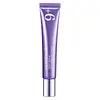
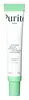
Numbuzin No.9 NAD+ Retinal Volumetox Eye Cream Versus PURITO Wonder Releaf Centella Eye Cream Unscented
This anti-aging eye moisturizer is formulated around Niacinamide and Retinal to soften the look of wrinkles and refine skin texture.
This calming eye moisturizer is formulated around Centella Asiatica Extract and Palmitoyl Tetrapeptide-7 to calm redness and soften the look of wrinkles.

What's inside
What's inside
 Key Ingredients
Benefits
Concerns
Ingredients Side-by-side
Water
Skin ConditioningButylene Glycol
Humectant

Glycerin
Humectant
Propanediol
Solvent
Cetyl Ethylhexanoate
EmollientMacadamia Integrifolia Seed Oil
Skin Conditioning


Niacinamide
Smoothing









Olea Europaea Fruit Oil
Masking


Methylpropanediol
SolventButyrospermum Parkii Butter
Skin Conditioning
Methyl Hydrogenated Rosinate
Perfuming
Polysorbate 60
Emulsifying
Hydrogenated Ethylhexyl Olivate
EmollientStearic Acid
Cleansing
1,2-Hexanediol
Skin Conditioning
Cetyl Alcohol
Emollient

Glycereth-26
Humectant
Vinyldimethicone

Glyceryl Stearate
Emollient
PEG-100 Stearate
Surfactant
Behenic Acid
Cleansing
Ammonium Acryloyldimethyltaurate/Vp Copolymer
Hydrogenated Lecithin
Emulsifying
Sorbitan Stearate
Emulsifying
Batyl Alcohol
EmollientCocos Nucifera Oil
Masking
Hydroxyacetophenone
Antioxidant
Phytosteryl Isostearate
Skin ConditioningPolyacrylate-13
Ceramide NP
Skin Conditioning
Hydrogenated Olive Oil Unsaponifiables
Emollient
Polyisobutene
Nicotinamide Adenine Dinucleotide
Skin ConditioningCitric Acid
Buffering
Coptis Japonica Root Extract
Skin ConditioningEthylhexylglycerin
Skin ConditioningPolyglyceryl-4 Oleate
Emulsifying
Theobroma Cacao Seed Extract
Antioxidant
Adenosine
Skin Conditioning
Hydrolyzed Gardenia Florida Extract
Antioxidant
Hydrolyzed Malt Extract
Skin ConditioningHydrolyzed Viola Tricolor Extract
Skin ProtectingPolysorbate 20
Emulsifying
Dextrin
AbsorbentCaprylic/Capric Triglyceride
Masking
Disodium EDTA
ChelatingMacadamia Ternifolia Seed Oil
Emollient
Sorbitan Isostearate
Emulsifying
Phosphatidylcholine
EmulsifyingAmmonium Polyacryloyldimethyl Taurate
Emulsion StabilisingHyaluronic Acid
Humectant
Hydrolyzed Hyaluronic Acid
Humectant
Sodium Hyaluronate
Humectant
Cholesterol
Emollient
Phytosteryl/Behenyl/Octyldodecyl Lauroyl Glutamate
Skin ConditioningAluminum/Magnesium Hydroxide Stearate
Emulsion StabilisingBrassica Campestris Sterols
EmollientRetinal
Skin Conditioning

Hydroxypropyl Cyclodextrin
MaskingPotassium Cetyl Phosphate
EmulsifyingPentaerythrityl Tetra-Di-T-Butyl Hydroxyhydrocinnamate
Antioxidant
Acetyl Tetrapeptide-5
Humectant
Hydrolyzed Collagen
Emollient
Resveratrol
Antioxidant
Thamnolia Vermicularis Leaf Extract
Skin ConditioningAcetyl Dipeptide-1 Cetyl Ester
Skin Conditioning
Acetyl Hexapeptide-1
Skin Conditioning
Acetyl Hexapeptide-8
Humectant
Acetyl Octapeptide-3
Humectant
Acetyl Tetrapeptide-2
Skin Conditioning
Acetyl Tetrapeptide-3
Skin Protecting
Acetyl Tetrapeptide-9
Skin Conditioning
Arginine/Lysine Polypeptide
Skin Conditioning
Biotinoyl Tripeptide-1
Copper Tripeptide-1
Skin Conditioning
Dipeptide Diaminobutyroyl Benzylamide Diacetate
Skin Conditioning
Dipeptide-2
Skin Conditioning
Dipeptide-4
Skin Conditioning
Hexapeptide-11
Skin Conditioning
Hexapeptide-12
Skin Conditioning
Hexapeptide-9
Skin Conditioning
Myristoyl Pentapeptide-17
Skin Conditioning
Nicotinoyl Dipeptide-23
Skin Conditioning
Nicotinoyl Tripeptide-1
Antioxidant
Nicotinoyl Tripeptide-35
Antioxidant
Nonapeptide-1
Skin Conditioning
Oligopeptide-29
Antioxidant
Oligopeptide-32
Antiseborrhoeic
Palmitoyl Hexapeptide-12
Skin Conditioning
Palmitoyl Pentapeptide-4
Skin Conditioning
Palmitoyl Pentapeptide-5
Skin Conditioning
Palmitoyl Tetrapeptide-10
Skin Conditioning
Palmitoyl Tetrapeptide-7
Skin Conditioning
Palmitoyl Tripeptide-1
Skin Conditioning
Palmitoyl Tripeptide-29
Skin Conditioning
Palmitoyl Tripeptide-38
Skin Conditioning
Palmitoyl Tripeptide-5
Skin Conditioning
Palmitoyl Tripeptide-8
Skin Conditioning
Sh-Decapeptide-7
Antioxidant
Sh-Octapeptide-4
Antioxidant
Sh-Oligopeptide-1
Skin Conditioning
Sh-Oligopeptide-2
Skin Conditioning
Sh-Polypeptide-1
Skin Conditioning
Sh-Polypeptide-11
Sh-Polypeptide-16
Skin Protecting
Sh-Polypeptide-22
Skin Conditioning
Sh-Polypeptide-3
Skin Conditioning
Sh-Polypeptide-62
Antioxidant
Sh-Polypeptide-9
Skin Conditioning
Sr-(Oligopeptide-91 Clostridium Botulinum Polypeptide-1)
Skin Conditioning
Tetrapeptide-30
Skin Conditioning
Tripeptide-1
Skin Conditioning
Tripeptide-10 Citrulline
Skin Conditioning
Tripeptide-29
Skin Conditioning
Water, Butylene Glycol, Glycerin, Propanediol, Cetyl Ethylhexanoate, Macadamia Integrifolia Seed Oil, Niacinamide, Olea Europaea Fruit Oil, Methylpropanediol, Butyrospermum Parkii Butter, Methyl Hydrogenated Rosinate, Polysorbate 60, Hydrogenated Ethylhexyl Olivate, Stearic Acid, 1,2-Hexanediol, Cetyl Alcohol, Glycereth-26, Vinyldimethicone, Glyceryl Stearate, PEG-100 Stearate, Behenic Acid, Ammonium Acryloyldimethyltaurate/Vp Copolymer, Hydrogenated Lecithin, Sorbitan Stearate, Batyl Alcohol, Cocos Nucifera Oil, Hydroxyacetophenone, Phytosteryl Isostearate, Polyacrylate-13, Ceramide NP, Hydrogenated Olive Oil Unsaponifiables, Polyisobutene, Nicotinamide Adenine Dinucleotide, Citric Acid, Coptis Japonica Root Extract, Ethylhexylglycerin, Polyglyceryl-4 Oleate, Theobroma Cacao Seed Extract, Adenosine, Hydrolyzed Gardenia Florida Extract, Hydrolyzed Malt Extract, Hydrolyzed Viola Tricolor Extract, Polysorbate 20, Dextrin, Caprylic/Capric Triglyceride, Disodium EDTA, Macadamia Ternifolia Seed Oil, Sorbitan Isostearate, Phosphatidylcholine, Ammonium Polyacryloyldimethyl Taurate, Hyaluronic Acid, Hydrolyzed Hyaluronic Acid, Sodium Hyaluronate, Cholesterol, Phytosteryl/Behenyl/Octyldodecyl Lauroyl Glutamate, Aluminum/Magnesium Hydroxide Stearate, Brassica Campestris Sterols, Retinal, Hydroxypropyl Cyclodextrin, Potassium Cetyl Phosphate, Pentaerythrityl Tetra-Di-T-Butyl Hydroxyhydrocinnamate, Acetyl Tetrapeptide-5, Hydrolyzed Collagen, Resveratrol, Thamnolia Vermicularis Leaf Extract, Acetyl Dipeptide-1 Cetyl Ester, Acetyl Hexapeptide-1, Acetyl Hexapeptide-8, Acetyl Octapeptide-3, Acetyl Tetrapeptide-2, Acetyl Tetrapeptide-3, Acetyl Tetrapeptide-9, Arginine/Lysine Polypeptide, Biotinoyl Tripeptide-1, Copper Tripeptide-1, Dipeptide Diaminobutyroyl Benzylamide Diacetate, Dipeptide-2, Dipeptide-4, Hexapeptide-11, Hexapeptide-12, Hexapeptide-9, Myristoyl Pentapeptide-17, Nicotinoyl Dipeptide-23, Nicotinoyl Tripeptide-1, Nicotinoyl Tripeptide-35, Nonapeptide-1, Oligopeptide-29, Oligopeptide-32, Palmitoyl Hexapeptide-12, Palmitoyl Pentapeptide-4, Palmitoyl Pentapeptide-5, Palmitoyl Tetrapeptide-10, Palmitoyl Tetrapeptide-7, Palmitoyl Tripeptide-1, Palmitoyl Tripeptide-29, Palmitoyl Tripeptide-38, Palmitoyl Tripeptide-5, Palmitoyl Tripeptide-8, Sh-Decapeptide-7, Sh-Octapeptide-4, Sh-Oligopeptide-1, Sh-Oligopeptide-2, Sh-Polypeptide-1, Sh-Polypeptide-11, Sh-Polypeptide-16, Sh-Polypeptide-22, Sh-Polypeptide-3, Sh-Polypeptide-62, Sh-Polypeptide-9, Sr-(Oligopeptide-91 Clostridium Botulinum Polypeptide-1), Tetrapeptide-30, Tripeptide-1, Tripeptide-10 Citrulline, Tripeptide-29
Water
Skin ConditioningHydrogenated Poly(C6-14 Olefin)
EmollientButylene Glycol
Humectant
Glycerin
Humectant
Cetyl Ethylhexanoate
EmollientCaprylic/Capric Triglyceride
Masking
Centella Asiatica Extract
Cleansing
Cetyl Alcohol
Emollient
Dipropylene Glycol
HumectantMethyl Trimethicone
Skin Conditioning
1,2-Hexanediol
Skin Conditioning
Dipentaerythrityl Hexa C5-9 Acid Esters
Skin ConditioningPentaerythrityl Tetraisostearate
Emollient
Potassium Cetyl Phosphate
EmulsifyingPalmitoyl Dipeptide-10
Skin Conditioning
Palmitoyl Tetrapeptide-7
Skin Conditioning
Palmitoyl Tripeptide-1
Skin Conditioning
Palmitoyl Hexapeptide-12
Skin Conditioning
Sodium Hyaluronate
Humectant
Asiaticoside
Antioxidant
Madecassic Acid
Skin Conditioning
Asiatic Acid
Skin Conditioning
Madecassoside
Antioxidant
Cetearyl Alcohol
Emollient
Cetearyl Olivate
Sorbitan Olivate
Emulsifying
Caprylyl Glycol
Emollient
Palmitic Acid
Emollient
Panthenol
Skin Conditioning
Stearic Acid
Cleansing
Cetearyl Glucoside
Emulsifying
Carbomer
Emulsion StabilisingTromethamine
BufferingLimnanthes Alba Seed Oil
Skin Conditioning
Argania Spinosa Kernel Oil
Emollient
Ceramide NP
Skin Conditioning
Macadamia Ternifolia Seed Oil
Emollient
Adenosine
Skin Conditioning
Disodium EDTA
ChelatingButyrospermum Parkii Butter
Skin Conditioning
Glucose
Humectant
Myristic Acid
Cleansing
Arachidic Acid
Cleansing
Camellia Sinensis Leaf Extract
Antimicrobial
Water, Hydrogenated Poly(C6-14 Olefin), Butylene Glycol, Glycerin, Cetyl Ethylhexanoate, Caprylic/Capric Triglyceride, Centella Asiatica Extract, Cetyl Alcohol, Dipropylene Glycol, Methyl Trimethicone, 1,2-Hexanediol, Dipentaerythrityl Hexa C5-9 Acid Esters, Pentaerythrityl Tetraisostearate, Potassium Cetyl Phosphate, Palmitoyl Dipeptide-10, Palmitoyl Tetrapeptide-7, Palmitoyl Tripeptide-1, Palmitoyl Hexapeptide-12, Sodium Hyaluronate, Asiaticoside, Madecassic Acid, Asiatic Acid, Madecassoside, Cetearyl Alcohol, Cetearyl Olivate, Sorbitan Olivate, Caprylyl Glycol, Palmitic Acid, Panthenol, Stearic Acid, Cetearyl Glucoside, Carbomer, Tromethamine, Limnanthes Alba Seed Oil, Argania Spinosa Kernel Oil, Ceramide NP, Macadamia Ternifolia Seed Oil, Adenosine, Disodium EDTA, Butyrospermum Parkii Butter, Glucose, Myristic Acid, Arachidic Acid, Camellia Sinensis Leaf Extract
Reviews
Ingredients Explained
These ingredients are found in both products.
Ingredients higher up in an ingredient list are typically present in a larger amount.
1,2-Hexanediol is a synthetic liquid and another multi-functional powerhouse.
It is a:
- Humectant, drawing moisture into the skin
- Emollient, helping to soften skin
- Solvent, dispersing and stabilizing formulas
- Preservative booster, enhancing the antimicrobial activity of other preservatives
Adenosine is a purine nucleoside that your body already makes in every cell. In skincare, it acts mainly as a skin conditioning and anti-aging agent.
The way it works is fairly well mapped out:
Your skin has cells called fibroblasts that build collagen (the stuff that keeps skin firm and smooth). Adenosine basically flips a switch on these cells that tells them to get to work making more collagen and other proteins. These cells slow down on their own as skin ages, so Adenosine helps give them a little nudge to keep going.
The clinical backing is pretty solid too.
A blind, randomized, placebo-controlled trial of 126 women aged 45-65 tested a 0.1% cream twice daily and found real improvements in crow's feet and frown lines using a precise 3D skin-mapping technique; these changes showed up by week 3 and held at 2 months.
A later study using Adenosine-loaded dissolving microneedle patches reported gains in wrinkle depth, dermal density, elasticity, and hydration.
On concentrations, South Korea's Ministry of Food and Drug Safety has set 0.04% as the approved functional anti-wrinkle level. You'll typically see this ingredient used somewhere in the 0.04-0.1% range since it works at low doses.
This ingredient has been found safe for cosmetics with the data showing no irritation or sensitization.
Overall, this is a great ingredient for any anti-aging routine and has no photosensitizing effect, so it suits both AM and PM use.
Learn more about AdenosineButylene Glycol (or BG) is used within cosmetic products for a few different reasons:
Overall, Butylene Glycol is a safe and well-rounded ingredient that works well with other ingredients.
Though this ingredient works well with most skin types, some people with sensitive skin may experience a reaction such as allergic rashes, closed comedones, or itchiness.
Learn more about Butylene GlycolThis ingredient is also known as shea butter. It is a plant-derived extract from the nuts of the Africa shea tree and one of the most well-studied emollients.
Because it has a high concentration of fatty acids (primarily oleic, stearic, and linoleic) it is able to form a protective barrier on the skin's surface. This helps seal in moisture and prevents transepidermal water loss (TEWL).
In vitro research found an increase in skin hydration by 58% and a decrease in TEWL by 37.8% after 24 hours of applying this ingredient (pretty impressive for a single ingredient!).
Besides hydration, shea butter also contains triterpenes that have anti-inflammatory potential. In particule, lupeol cinnamate has shown the highest anti-inflammatory activity in vivo.
Shea butter also contains vitamins A and E which may contribute to antioxidant activity.
While Shea Butter has an SPF rating of about 3-4, it is not a sunscreen replacement.
This ingredient may not be fungal acne safe because its fatty acids fall within the C11-C24 range that the Malassezia yeast can metabolize.
This ingredient shows up on a lot of "pore-clogging" lists but there's no real evidence behind that. It doesn't even have a comedogenic rating from an actual study; the numbers you'll find online come from blogs citing other blogs.
Ratings for other ingredients mostly come from a 1980s rabbit ear test. This test doesn't translate well to human skin or to real products because the ingredient sits at a much lower percentage.
Some people still find it breaks them out. So if that's you, definitely trust your skin. Just know this one's based on experience and not evidence.
Learn more about Butyrospermum Parkii ButterCaprylic/Capric Triglyceride (aka MCT Oil) is a lightweight emollient, solvent, and texture enhancer. It is considered a skin-softener by helping to prevent moisture loss.
Though it behaves like an oil, it is not technically one due to its chemical composition. One perk of this ingredient is that it is very stable, resistant to oxidation, and unlikely to go rancid.
In practice, that translates to a long shelf life and a consistently elegant skin feel.
While there is an assumption Caprylic Triglyceride can clog pores due to it being derived from coconut oil, there is no research supporting this. Just patch test if you have concerns.
Fractionated coconut oil and MCT Oil are both listed as Caprylic/Capric Triglyceride according to INCI. This is because INCI names are based on the ingredient’s final chemical composition and not its marketing name or source.
This ingredient is treated as the gold standard fungal acne safe oil. Even though it is coconut derived, the problematic lauric acid is stripped out.
This leaves just caprylic (C8) and capric (C10) acid. These chain lengths actually trend antifungal; a 2020 study found caprylic acid was enough to disrupt Malassezia furfur cell membrane, with a caprylic acid derivative damaging membrane structures at concentrations as low as 0.2%.
Learn more about Caprylic/Capric TriglycerideCeramide NP (formerly known as Ceramide 3) is one of the skin's naturally occurring lipids.
Since ceramides are the major lipid components of the skin, they are crucial for maintaining skin barrier and hydration. Ceramide NP most closely mirrors the dominant kind in human skin amongst ceramide subtypes.
This ceramide works by slotting into gaps within the stratum corneum's lipid matrix to limit trans-epidermal water loss (TEWL) and shield the skin against external irritants.
A study with 312 patients found that using a ceramide-containing routine for 4 weeks reduced the severity of atopic dermatitis by over 61%.
Another clinical study in subjects aged 60 and older found that a ceramide body wash and moisturizer improved skin dryness and itchy skin in 15 days.
Overall, ceramides are considered non-irritating and safety tests have found little to no observable adverse effects from using this ingredient.
Ceramide NP is usually sourced from plants (like soybean or rice bran), or produced synthetically.
Learn more about Ceramide NPCetyl Alcohol is a fatty alcohol. Fatty Alcohols are most often used as an emollient or to thicken a product.
Its main roles are:
Though it has "alcohol" in the name, it is not related to denatured alcohol or ethyl alcohol.
The FDA allows products labeled "alcohol-free" to have fatty alcohols.
This ingredient may not be fungal acne safe. It is a primary fatty alcohol with a chain length above 12 carbons. A study from 2019 show Malassezia can feed on fatty alcohols in this range, so it may trigger fungal acne in those prone to it.
Learn more about Cetyl AlcoholCetyl Ethylhexanoate is an emollient ester. It comes from cetearyl alcohol and 2-ethylhexanoic acid.
Cetyl Ethylhexanoate is an emollient that adds a velvety feel to skin without being greasy or oily. Emollients help trap moisture into your skin, keeping your skin soft and hydrated.
Disodium EDTA is a chelating agent. It grabs onto and deactivates metal ions that sneak into your products from water, packaging, or air.
This ingredient mainly works behind the scenes and helps with:
On top of that, this ingredient can counteract the effects of hard water by binding to the minerals in it.
One thing worth knowing is that Disodium EDTA has been shown to be a mild penetration enhancer. It can help other ingredients absorb into skin more effectively which can be a double-edged sword (great for actives, but can also make the active too strong if you have sensitive skin).
Clinical patch testing showed no significant skin irritation at typical use concentrations and minimal dermal absorption.
You'll most likely see this ingredient near the end of an ingredient list. It's typically found in concentrations less than 1%.
Learn more about Disodium EDTAGlycerin (or glycerol) is a compound naturally found in your skin. It's a powerhouse humectant that pulls water into the stratum corneum.
Topically, glycerin does several things at once:
Your skin makes glycerin on its own (mostly from sebaceous oil breakdown) and shuttles it to your outermost layer of skin, or your epidermis, via aquaporin-3.
Aquaporin-3 is a transporter that is essential for normal skin hydration, elasticity, and repair. Interestingly, mice lacking in AQP3 have dry and less elastic skin that can be fully corrected with glycerin.
This ingredient is non-irritating, plays well with almost every ingredient, and works across all skin types. Typical use is anywhere between 3-10% but can go up to 79% in some leave-on products.
Just know very high concentrations (>40%) can feel tacky in low humidity.
Glycerin is the name for this ingredient in American English. British English uses Glycerol/Glycerine.
Learn more about GlycerinThis ingredient is also known as Macadamia Seed Oil. It's an emollient with a fatty acid profile that closely mirrors the skin's own lipid makeup.
The palmitoleic acid content is especially notable as it's somewhat rare in plant oils. Palmitoleic acid is something your skin already makes naturally. It helps keep cell membranes structured and plays a role in fighting off harmful microbes.
This palmitoleic content is also part of why macademia seed oil absorbs quickly and doesn't leave much of a greasy residue.
It also contains oleic acid, linoleic acid, and phytosterols that can help reduce redness.
In vitro research has shown the oil to have meaningful antioxidant activity, protect fats in the skin from oxidative damage, and slow down the enzyme that breaks down hyaluronic acid.
A 2024 clinical study found it effective at improving skin hydratino and reducing wrinkle appearance when formulated into nanoemulsions.
Because it carries oleic acid (C18) and palmitic acid (C16), this ingredient may not be fungal acne safe. This is because the Malassezia yeast metabolizes in the C11-24 chain length range.
You'll also see this ingredient listed as: Macadamia Integrifolia Seed Oil .
These two oils are identical in composition and M. ternifolia is an older INCI naming convention for the edible macadamia nut while M. integrifolia is the species actually cultivated for oil production. Both names refer to the same oil.
Learn more about Macadamia Ternifolia Seed OilPalmitoyl Hexapeptide-12 is a synthetic lipopeptide. This just means it's a short chain of six amino acids with a palmitic acid molecule attached to one end.
The palmitoyl group increases the lipophilicity, helping it penetrate the lipid-rich outer layer of skin more effectively.
Once inside, it helps with keeping skin springy and firm. It works by mimicking the skin repair signals your skin naturally sends out when it's damaged and telling it to kick into rebuild mode.
Studies have shown it can help strengthen the skin barrier as well so it's useful beyond just anti-aging.
In vitro studies suggest it can switch on genes that help skin cells grow, move around, and rebuild skin structure. Just keep in mind most of the strong evidence is from lab studies rather than large-scale clinical trials.
Lab studies suggest it can switch on genes that help skin cells grow, move around, and rebuild skin structure.
This ingredient is usually used at very low concentrations (0.002% in leave-on products).
Fungal acne note:
Usually a palmitic acid component can feed Malassezia in unbound form, but here is is covalently bonded to the peptide. This means it is very difficult for Malassezia to access, and therefore very unlikely to cause fungal acne.
Palmitoyl Tetrapeptide-7 (formerly Palmitoyl Tetrapeptide-3) is a synthetic peptide. Its main job is to fight what researchers call "inflammaging".
"Inflammaging" is the slow, low-grade chronic inflammation that quietly breaks down collagen as we age.
This ingredient calms down a specific inflammation signal in your skin cells (called IL-6). When left unchecked, this signal triggers enzymes that break down collagen and elastin.
Clinical testing showed statistically significant improvements in:
Studies also found the more of this ingredient used, the more your skin produces Collagen I, fibronectin, and hyaluronic acid.
You'll likely see this ingredient paired with Palmitoyl Tripeptide-1 in the well-known Matrixyl 3000 complex for enhanced anti-aging effects.
A 3% concentration applied twice daily for two months showed meaningful skin rejuvenation results in clinical panels.
Fungal acne note:
Usually a palmitic acid component can feed Malassezia in unbound form, but here is is covalently bonded to the peptide. This means it is very difficult for Malassezia to access, and therefore very unlikely to cause fungal acne.
Palmitoyl Tripeptide-1 (aka Pal-GHK) is a synthetic signal peptide made of three amino acids attached to palmitic acid.
That fatty acid attachment is the key: it boosts the peptide's ability to penetrate the skin barrier. This puts it closer to the dermal cells where it can actually make a difference.
Once there, it acts as a matrikine, a signaling peptide that prompts fibroblasts to produce more collagen, fibronectin, and hyaluronic acid.
In vitro studies show it can boost collagen production in skin cells even when UV-damaged skin samples were treated with it at a tiny concentration (it almost fully restored dermal collagen at 5ppm). It achieved this at 100x lower concentration than retinoic acid, which needed 500 ppm to do the same thing.
Human clinical data is promising, but modest:
A study of 23 female volunteers found a small but statistically significant increase (~4%) in skin thickness after treatment at 4 ppm.
A separate small trial of 15 women showed statistically significant reductions in wrinkle length, depth, and skin roughness after applying it twice daily for four weeks.
You'll likely see Pal-GHK paired with Palmitoyl Tetrapeptide-7 as part of the Matrixyl 3000 complex.
Fungal acne note:
Usually a palmitic acid component can feed Malassezia in unbound form, but here is is covalently bonded to the peptide. This means it is very difficult for Malassezia to access, and therefore very unlikely to cause fungal acne.
Potassium Cetyl Phosphate is the potassium salt of a mixture. This mixture consists of the esters from phosphoricacid and cetyl alcohol.
Potassium Cetyl Phosphate is an emulsifier and cleansing agent. Emulsifiers help stabilize a product. It does this by preventing certain ingredients from separating.
As a cleansing agent, Potassium Cetyl Phosphate helps gather oils, dirts, and pollutants from your skin. This makes it easier to rinse them away with water.
Learn more about Potassium Cetyl PhosphateSodium Hyaluronate is the salt form of hyaluronic acid. It is a long sugar chain that is naturally found in your skin, joints, and connective tissue that maintains hydration and elasticity.
In skincare, it works as a humectant. It pulls water from the environment and deeper layers of skin and binds it to the surface.
Interestingly, the size of the molecule affects its behavior:
Some clinical evidence links low molecular weight versions to improved wrinkle depth, elasticity, anti-inflammatory effects, and barrier repair.
Many serums use a blend of both weights so you can get surface hydration plus longer-lasting and deeper effects.
You'll typically see concentrations between 0.1-2% for this ingredient.
Learn more about Sodium HyaluronateStearic Acid is a fatty acid that is already found in your skin. It's one of the free fatty acids that works alongside ceramides and cholesterols to maintain your barrier.
In cosmetics, it is a multitasker:
Safety-wise, the CIR Expert Panel has concluded it to be safe in cosmetics when formulated to be non-irritating and non-sensitizing.
Free stearic acid is a C18 fatty acid that the Malassezia yeast can substrate, so this ingredient may not be fungal acne safe.
This ingredient does have a comedogenic rating of 2-3, but this doesn't mean a formula with this ingredient will clog pores.
Human testing has proved that any finished product with this ingredient won't automatically make you break out; it really comes down to concentration, formula, and your skin.
Learn more about Stearic AcidWater. It's the most common cosmetic ingredient of all. You'll usually see it at the top of ingredient lists, meaning that it makes up the largest part of the product.
So why is it so popular? Water most often acts as a solvent - this means that it helps dissolve other ingredients into the formulation.
You'll also recognize water as that liquid we all need to stay alive. If you see this, drink a glass of water. Remember to stay hydrated!
Learn more about Water

