
What's inside
What's inside
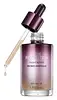 Key Ingredients
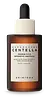
Benefits
Concerns
Ingredients Side-by-side
Water
Skin ConditioningBifida Ferment Lysate
Skin Conditioning



Glycereth-26
Humectant
Sorbus Commixta Extract
Skin ConditioningJuniperus Chinensis Xylem Extract
Skin ConditioningBis-PEG-18 Methyl Ether Dimethyl Silane
EmollientButylene Glycol
Humectant
Glycerin
Humectant
Niacinamide
Smoothing







Leuconostoc Ferment Filtrate
AntimicrobialBetaine
Humectant
Grifola Frondosa/Ophioglossum Vulgatum Extract Ferment Filtrate
Skin ConditioningLactobacillus/Rice Ferment Filtrate
Skin ConditioningPortulaca Oleracea Extract
Skin Conditioning
Sodium Hyaluronate
Humectant
Anthemis Nobilis Flower Extract
Masking
Hydrolyzed Rice Extract
Skin Conditioning
Sea Water
HumectantCarthamus Tinctorius Oleosomes
Emollient
Hydrolyzed Extensin
Skin ConditioningAdenosine
Skin Conditioning
Daucus Carota Sativa Root Extract
Skin Conditioning
Vaccinium Angustifolium Fruit Extract
Skin Protecting
Beta Vulgaris Root Extract
Skin ConditioningAronia Arbutifolia Extract
Skin ConditioningBrassica Oleracea Capitata Leaf Extract
Skin ConditioningEchium Plantagineum Seed Oil
Skin Conditioning
Ascorbyl Tetraisopalmitate
Antioxidant

Lactobacillus Ferment
Skin Conditioning
Lactococcus Ferment Lysate
Skin Conditioning
Manilkara Multinervis Leaf Extract
Skin ConditioningTheobroma Cacao Seed Extract
Antioxidant
Cassia Alata Leaf Extract
AstringentLaminaria Digitata Extract
Skin Protecting
Saccharomyces Ferment Filtrate
Humectant
Lactobacillus/Soybean Ferment Extract
Skin ConditioningSaccharomyces/Viscum Album Ferment Extract
Skin Conditioning
Yeast Ferment Extract
Skin ConditioningPogostemon Cablin Leaf Oil
Masking


Pseudoalteromonas Ferment Extract
Humectant
Cardiospermum Halicacabum Flower/Leaf/Vine Extract
Skin ConditioningHelianthus Annuus Seed Oil Unsaponifiables
Emollient
Alpha-Glucan Oligosaccharide
Cleansing
Limnanthes Alba Seed Oil
Skin Conditioning
Hydrolyzed Wheat Protein
Skin ConditioningBeta-Sitosterol
Emulsion Stabilising
Panthenol
Skin Conditioning
Hydrolyzed Soy Protein
Humectant
Ubiquinone
Antioxidant
Macadamia Ternifolia Seed Oil
Emollient
Retinol
Skin Conditioning

Cucumis Melo Fruit Extract
Skin ConditioningBiotin
AntiseborrhoeicBrassica Campestris Sterols
EmollientSodium Ascorbyl Phosphate
Antioxidant
Amaranthus Caudatus Seed Extract
Skin Conditioning
Tripeptide-10 Citrulline
Skin Conditioning
Acetyl Hexapeptide-8
Humectant
Copper Tripeptide-1
Skin Conditioning
Tripeptide-1
Skin Conditioning
Acacia Arabica Stem Bark Extract
Skin ConditioningCholesterol
Emollient
Glyceryl Linolenate
Emollient
Glyceryl Linoleate
Emollient
Glyceryl Arachidonate
Emollient
Cyclopentasiloxane
Emollient
Ethyl Hexanediol
SolventDimethicone
Emollient
PEG-11 Methyl Ether Dimethicone
Emulsifying
PEG-40 Hydrogenated Castor Oil
Emulsifying
PPG-26-Buteth-26
Skin ConditioningPolysorbate 20
Emulsifying
Carbomer
Emulsion StabilisingGlyceryl Caprylate
EmollientTriethanolamine
BufferingDimethicone/Vinyl Dimethicone Crosspolymer
Skin Conditioning
Octyldodecanol
Emollient
Xanthan Gum
EmulsifyingDipropylene Glycol
HumectantCyclomethicone
Emollient
Hydrogenated Lecithin
Emulsifying
Disodium EDTA
Dextrin
AbsorbentLauryl Methacrylate/Glycol Dimethacrylate Crosspolymer
Glyceryl Polyacrylate
Dimethiconol
Emollient
Propylene Glycol
Humectant
Ceteth-24
CleansingCholeth-24
EmulsifyingHydroxypropyltrimonium Maltodextrin Crosspolymer
SurfactantCetyl Phosphate
EmulsifyingCaprylic/Capric Triglyceride
Masking
Lecithin
Emollient
PEG-5 Rapeseed Sterol
Cleansing
BHT
Antioxidant
Ceteth-3
EmulsifyingCeteth-5
EmulsifyingSilica
Abrasive
Tocopheryl Acetate
Antioxidant
Phenoxyethanol
Preservative
Water, Bifida Ferment Lysate, Glycereth-26, Sorbus Commixta Extract, Juniperus Chinensis Xylem Extract, Bis-PEG-18 Methyl Ether Dimethyl Silane, Butylene Glycol, Glycerin, Niacinamide, Leuconostoc Ferment Filtrate, Betaine, Grifola Frondosa/Ophioglossum Vulgatum Extract Ferment Filtrate, Lactobacillus/Rice Ferment Filtrate, Portulaca Oleracea Extract, Sodium Hyaluronate, Anthemis Nobilis Flower Extract, Hydrolyzed Rice Extract, Sea Water, Carthamus Tinctorius Oleosomes, Hydrolyzed Extensin, Adenosine, Daucus Carota Sativa Root Extract, Vaccinium Angustifolium Fruit Extract, Beta Vulgaris Root Extract, Aronia Arbutifolia Extract, Brassica Oleracea Capitata Leaf Extract, Echium Plantagineum Seed Oil, Ascorbyl Tetraisopalmitate, Lactobacillus Ferment, Lactococcus Ferment Lysate, Manilkara Multinervis Leaf Extract, Theobroma Cacao Seed Extract, Cassia Alata Leaf Extract, Laminaria Digitata Extract, Saccharomyces Ferment Filtrate, Lactobacillus/Soybean Ferment Extract, Saccharomyces/Viscum Album Ferment Extract, Yeast Ferment Extract, Pogostemon Cablin Leaf Oil, Pseudoalteromonas Ferment Extract, Cardiospermum Halicacabum Flower/Leaf/Vine Extract, Helianthus Annuus Seed Oil Unsaponifiables, Alpha-Glucan Oligosaccharide, Limnanthes Alba Seed Oil, Hydrolyzed Wheat Protein, Beta-Sitosterol, Panthenol, Hydrolyzed Soy Protein, Ubiquinone, Macadamia Ternifolia Seed Oil, Retinol, Cucumis Melo Fruit Extract, Biotin, Brassica Campestris Sterols, Sodium Ascorbyl Phosphate, Amaranthus Caudatus Seed Extract, Tripeptide-10 Citrulline, Acetyl Hexapeptide-8, Copper Tripeptide-1, Tripeptide-1, Acacia Arabica Stem Bark Extract, Cholesterol, Glyceryl Linolenate, Glyceryl Linoleate, Glyceryl Arachidonate, Cyclopentasiloxane, Ethyl Hexanediol, Dimethicone, PEG-11 Methyl Ether Dimethicone, PEG-40 Hydrogenated Castor Oil, PPG-26-Buteth-26, Polysorbate 20, Carbomer, Glyceryl Caprylate, Triethanolamine, Dimethicone/Vinyl Dimethicone Crosspolymer, Octyldodecanol, Xanthan Gum, Dipropylene Glycol, Cyclomethicone, Hydrogenated Lecithin, Disodium EDTA, Dextrin, Lauryl Methacrylate/Glycol Dimethacrylate Crosspolymer, Glyceryl Polyacrylate, Dimethiconol, Propylene Glycol, Ceteth-24, Choleth-24, Hydroxypropyltrimonium Maltodextrin Crosspolymer, Cetyl Phosphate, Caprylic/Capric Triglyceride, Lecithin, PEG-5 Rapeseed Sterol, BHT, Ceteth-3, Ceteth-5, Silica, Tocopheryl Acetate, Phenoxyethanol
Water
Skin ConditioningButylene Glycol
Humectant
Glycerin
Humectant
Propanediol
Solvent
Caprylic/Capric Triglyceride
Masking
Niacinamide
Smoothing
1,2-Hexanediol
Skin Conditioning
Dipropylene Glycol
HumectantCentella Asiatica Extract
Cleansing
Polyglyceryl-3 Distearate
Emulsifying
Acrylates/C10-30 Alkyl Acrylate Crosspolymer
Emulsion StabilisingC14-22 Alcohols
Emulsion Stabilising
Arginine
Masking
Hydrogenated Lecithin
Emulsifying
Hydroxystearic Acid
Cleansing
Betaine
Humectant
Panthenol
Skin Conditioning
Allantoin
Skin Conditioning
Ethylhexylglycerin
Skin ConditioningHydroxyethyl Acrylate/Sodium Acryloyldimethyl Taurate Copolymer
Emulsion StabilisingAdenosine
Skin Conditioning
Glyceryl Stearate Citrate
Emollient
Sodium Polyacrylate
Absorbent
C12-20 Alkyl Glucoside
EmulsifyingCetearyl Alcohol
Emollient

Xanthan Gum
EmulsifyingMacadamia Ternifolia Seed Oil
Emollient
Sodium Hyaluronate
Humectant
Sodium Phytate
Stearic Acid
Cleansing
Ceramide NP
Skin Conditioning
Sorbitan Isostearate
Emulsifying
Glyceryl Acrylate/Acrylic Acid Copolymer
HumectantLactobacillus Ferment
Skin Conditioning
Polyglyceryl-10 Myristate
Skin Conditioning
Madecassic Acid
Skin Conditioning
Asiaticoside
Antioxidant
Phytosphingosine
Skin Conditioning
Asiatic Acid
Skin Conditioning
Sucrose Distearate
Emollient
Polyglutamic Acid
Skin Conditioning
Lauric Acid
Cleansing
Phytosterols
Skin Conditioning
Water, Butylene Glycol, Glycerin, Propanediol, Caprylic/Capric Triglyceride, Niacinamide, 1,2-Hexanediol, Dipropylene Glycol, Centella Asiatica Extract, Polyglyceryl-3 Distearate, Acrylates/C10-30 Alkyl Acrylate Crosspolymer, C14-22 Alcohols, Arginine, Hydrogenated Lecithin, Hydroxystearic Acid, Betaine, Panthenol, Allantoin, Ethylhexylglycerin, Hydroxyethyl Acrylate/Sodium Acryloyldimethyl Taurate Copolymer, Adenosine, Glyceryl Stearate Citrate, Sodium Polyacrylate, C12-20 Alkyl Glucoside, Cetearyl Alcohol, Xanthan Gum, Macadamia Ternifolia Seed Oil, Sodium Hyaluronate, Sodium Phytate, Stearic Acid, Ceramide NP, Sorbitan Isostearate, Glyceryl Acrylate/Acrylic Acid Copolymer, Lactobacillus Ferment, Polyglyceryl-10 Myristate, Madecassic Acid, Asiaticoside, Phytosphingosine, Asiatic Acid, Sucrose Distearate, Polyglutamic Acid, Lauric Acid, Phytosterols
Reviews
Ingredients Explained
These ingredients are found in both products.
Ingredients higher up in an ingredient list are typically present in a larger amount.
Adenosine is in every living organism. It is one of four components in nucleic acids that helps store our DNA.
Adenosine has many benefits when used. These benefits include hydrating the skin, smoothing skin, and reducing wrinkles. Once applied, adenosine increases collagen production. It also helps with improving firmness and tissue repair.
Studies have found adenosine may also help with wound healing.
In skincare products, Adenosine is usually derived from yeast.
Learn more about AdenosineBetaine is a humectant. Like hyaluronic acid, it helps attract and retain moisture in the skin. It’s known for being gentle and for helping the skin maintain balanced hydration.
Betaine is mainly used to improve hydration and support calmer skin. It helps skin cells regulate water balance because it functions as an osmolyte.
Some studies suggest betaine may support making skin tone more even.
Fun fact: Betaine naturally exists in the skin and the body. In cosmetic products, it can be either plant-derived (most commonly from sugar beets) or synthetically produced for consistency and stability.
Betaine is also known as trimethylglycine.
Learn more about BetaineButylene Glycol (or BG) is used within cosmetic products for a few different reasons:
Overall, Butylene Glycol is a safe and well-rounded ingredient that works well with other ingredients.
Though this ingredient works well with most skin types, some people with sensitive skin may experience a reaction such as allergic rashes, closed comedones, or itchiness.
Learn more about Butylene GlycolCaprylic/Capric Triglyceride (aka MCT Oil) is a lightweight emollient, solvent, and texture enhancer. It is considered a skin-softener by helping to prevent moisture loss.
Though it behaves like an oil, it is not technically one due to its chemical composition. One perk of this ingredient is that it is very stable, resistant to oxidation, and unlikely to go rancid.
In practice, that translates to a long shelf life and a consistently elegant skin feel.
While there is an assumption Caprylic Triglyceride can clog pores due to it being derived from coconut oil, there is no research supporting this. Just patch test if you have concerns.
Fractionated coconut oil and MCT Oil are both listed as Caprylic/Capric Triglyceride according to INCI. This is because INCI names are based on the ingredient’s final chemical composition and not its marketing name or source.
This ingredient is treated as the gold standard fungal acne safe oil. Even though it is coconut derived, the problematic lauric acid is stripped out.
This leaves just caprylic (C8) and capric (C10) acid. These chain lengths actually trend antifungal; a 2020 study found caprylic acid was enough to disrupt Malassezia furfur cell membrane, with a caprylic acid derivative damaging membrane structures at concentrations as low as 0.2%.
Learn more about Caprylic/Capric TriglycerideDipropylene Glycol is a synthetically created humectant, stabilizer, and solvent.
This ingredient helps:
Dipropylene glycol is technically an alcohol, but it belongs to the glycol family (often considered part of the ‘good’ alcohols). This means it is hydrating and gentle on skin unlike drying solvent alcohols like denatured alcohol.
As a masking agent, Dipropylene Glycol can be used to cover the smell of other ingredients. However, it does not have a scent.
Studies show Dipropylene Glycol is considered safe to use in skincare.
Learn more about Dipropylene GlycolGlycerin (or glycerol) is a compound naturally found in your skin. It's a powerhouse humectant that pulls water into the stratum corneum.
Topically, glycerin does several things at once:
Your skin makes glycerin on its own (mostly from sebaceous oil breakdown) and shuttles it to your outermost layer of skin, or your epidermis, via aquaporin-3.
Aquaporin-3 is a transporter that is essential for normal skin hydration, elasticity, and repair. Interestingly, mice lacking in AQP3 have dry and less elastic skin that can be fully corrected with glycerin.
This ingredient is non-irritating, plays well with almost every ingredient, and works across all skin types. Typical use is anywhere between 3-10% but can go up to 79% in some leave-on products.
Just know very high concentrations (>40%) can feel tacky in low humidity.
Glycerin is the name for this ingredient in American English. British English uses Glycerol/Glycerine.
Learn more about GlycerinHydrogenated Lecithin is a more stable version of lecithin.
It's made by taking lecithin (a phospholipid commonly found in soybeans and egg yolks) and hydrogenating it. This just means the unsaturated fatty acids are turned into saturated ones so they don't go bad as easily.
This ingredient is an emollient, emulsifier, and penetration enhancer. As an emollient, it helps soften and hydrate skin by trapping moisture within. As an emulsifier, it prevents oil and water ingredients from separating.
Hydrogenated Lecithin can form tiny spherical structures made of phospholipid bilayers called liposomes. These liposomes are able to capture compounds inside their structure and deliver them through the skin barrier.
Because phospholipids are a natural component of our cell membranes, this ingredient is inherently compatible with skin.
A 2021 study found lecithin-based surfactants were less harsh and more tolerable comared to Sodium Lauryl Sulfate (SLS).
Learn more about Hydrogenated LecithinThis ingredient is made when the Lactobacillus bacteria (the same kind that makes yogurt and kimchi) are allowed to ferment a nutrient medium.
As it ferments, it collects lactic acid, peptides, enzymes, and other bioactive metabolites to provide:
A 2023 review noted that probiotic fermentation ingredients like this one can enhance antioxidant capacity, reduce UV-induced oxidative damage, and support barrier function.
One clinical study from the same year showed a Lactobacillus ferment lysate significantly reduced transepidermal water loss and improved skin hydration.
Another review highlighted that topical Lactobacillus-based preparations can improve ceramide levels in the stratum corneum, support barrier integrity, and even help reduce S. aureus colonization in atopic dermatitis.
Why is this so cool?
Basically, your skin's outer layer works as a brick wall; skin cells are bricks and ceramides are the mortar holding it together. Moisture escapes, irritants get in, and your skin gets dry and reactive when ceramide levels drop. On top of that, "bad" skin bacteria S. aureus loves to move in when your barrier is weak to make inflammation and irritation worse.
So Lactobacillus ferment is basically patching the wall and evicting the troublemaker when it boosts ceramide production and help keep S. aureus in check.
On top of all this, it also acts as a mild antimicrobial preservative booster.
Just so you know, most studies focus on specific strains or the lysate form rather than this generic "Lactobacillus Ferment", so results can vary.
Though it's a promising ingredient, it doesn't have decades of robust clinical data behind it just yet.
Lactobacillus Ferment is generally considered safe for fungal-acne prone skin. The key thing to understand is that it comes from bacteria, not yeast or fungus.
Yeast-derived ferments (like galactomyces) have been shown to activate a protein that's linked to Malassezia-related skin issues whereas lactobacillus doesn't have that problem.
Its byproducts also don't contain the types of fatty acids (C11-24 chain lengths) that Malassezia feeds on.
Learn more about Lactobacillus FermentThis ingredient is also known as Macadamia Seed Oil. It's an emollient with a fatty acid profile that closely mirrors the skin's own lipid makeup.
The palmitoleic acid content is especially notable as it's somewhat rare in plant oils. Palmitoleic acid is something your skin already makes naturally. It helps keep cell membranes structured and plays a role in fighting off harmful microbes.
This palmitoleic content is also part of why macademia seed oil absorbs quickly and doesn't leave much of a greasy residue.
It also contains oleic acid, linoleic acid, and phytosterols that can help reduce redness.
In vitro research has shown the oil to have meaningful antioxidant activity, protect fats in the skin from oxidative damage, and slow down the enzyme that breaks down hyaluronic acid.
A 2024 clinical study found it effective at improving skin hydratino and reducing wrinkle appearance when formulated into nanoemulsions.
Because it carries oleic acid (C18) and palmitic acid (C16), this ingredient may not be fungal acne safe. This is because the Malassezia yeast metabolizes in the C11-24 chain length range.
You'll also see this ingredient listed as: Macadamia Integrifolia Seed Oil .
These two oils are identical in composition and M. ternifolia is an older INCI naming convention for the edible macadamia nut while M. integrifolia is the species actually cultivated for oil production. Both names refer to the same oil.
Learn more about Macadamia Ternifolia Seed OilNiacinamide is a multitasking form of vitamin B3 that strengthens the skin barrier, reduces pores and dark spots, regulates oil, and improves signs of aging.
And the best part? It's gentle and well-tolerated by most skin types, including sensitive and reactive skin.
You might have heard of "niacin flush", or the reddening of skin that causes itchiness. Niacinamide has not been found to cause this.
In very rare cases, some individuals may not be able to tolerate niacinamide at all or experience an allergic reaction to it.
If you are experiencing flaking, irritation, and dryness with this ingredient, be sure to double check all your products as this ingredient can be found in all categories of skincare.
When incorporating niacinamide into your routine, look out for concentration amounts. Typically, 5% niacinamide provides benefits such as fading dark spots. However, if you have sensitive skin, it is better to begin with a smaller concentration.
When you apply niacinamide to your skin, your body converts it into nicotinamide adenine dinucleotide (NAD). NAD is an essential coenzyme that is already found in your cells as "fuel" and powers countless biological processes.
In your skin, NAD helps repair cell damage, produce new healthy cells, support collagen production, strengthen the skin barrier, and fight environmental stressors (like UV and pollution).
Our natural NAD levels start to decline with age, leading to slower skin repair, visible aging, and a weaker skin barrier. By providing your skin niacinamide, you're recharging your skin's NAD levels. This leads to stronger, healthier, and younger looking skin.
Another name for vitamin B3 is nicotinamide. This vitamin is water-soluble and our bodies don't store it. We obtain Vitamin B3 from either food or skincare. Meat, fish, wheat, yeast, and leafy greens contain vitamin B3.
The type of niacinamide used in skincare is synthetically created.
Learn more about NiacinamidePanthenol is a common ingredient that helps hydrate and soothe the skin. It is found naturally in our skin and hair.
There are two forms of panthenol: D and L.
D-panthenol is also known as dexpanthenol. Most cosmetics use dexpanthenol or a mixture of D and L-panthenol.
Panthenol is famous due to its ability to go deeper into the skin's layers. Using this ingredient has numerous pros (and no cons):
Like hyaluronic acid, panthenol is a humectant. Humectants are able to bind and hold large amounts of water to keep skin hydrated.
This ingredient works well for wound healing. It works by increasing tissue in the wound and helps close open wounds.
Once oxidized, panthenol converts to pantothenic acid. Panthothenic acid is found in all living cells.
This ingredient is also referred to as pro-vitamin B5.
Learn more about PanthenolSodium Hyaluronate is the salt form of hyaluronic acid. It is a long sugar chain that is naturally found in your skin, joints, and connective tissue that maintains hydration and elasticity.
In skincare, it works as a humectant. It pulls water from the environment and deeper layers of skin and binds it to the surface.
Interestingly, the size of the molecule affects its behavior:
Some clinical evidence links low molecular weight versions to improved wrinkle depth, elasticity, anti-inflammatory effects, and barrier repair.
Many serums use a blend of both weights so you can get surface hydration plus longer-lasting and deeper effects.
You'll typically see concentrations between 0.1-2% for this ingredient.
Learn more about Sodium HyaluronateWater. It's the most common cosmetic ingredient of all. You'll usually see it at the top of ingredient lists, meaning that it makes up the largest part of the product.
So why is it so popular? Water most often acts as a solvent - this means that it helps dissolve other ingredients into the formulation.
You'll also recognize water as that liquid we all need to stay alive. If you see this, drink a glass of water. Remember to stay hydrated!
Learn more about WaterXanthan gum is used as a stabilizer and thickener within cosmetic products. It helps give products a sticky, thick feeling - preventing them from being too runny.
On the technical side of things, xanthan gum is a polysaccharide - a combination consisting of multiple sugar molecules bonded together.
Xanthan gum is a pretty common and great ingredient. It is a natural, non-toxic, non-irritating ingredient that is also commonly used in food products.
Learn more about Xanthan Gum
