
What's inside
What's inside
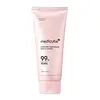 Key Ingredients
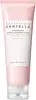
No key ingredients
Benefits
Concerns
Ingredients Side-by-side
Water
Skin ConditioningGlycerin
Humectant


Myristic Acid
Cleansing



Stearic Acid
Cleansing
Potassium Hydroxide
BufferingLauric Acid
Cleansing
Niacinamide
Smoothing









Glyceryl Stearate Se
Emulsifying
Glycol Distearate
Emollient
Palmitic Acid
Emollient
Cocamidopropyl Betaine
Cleansing

Potassium Cocoyl Glycinate
Surfactant
Sodium Polyacrylate
Absorbent
Sorbitan Olivate
Emulsifying
Sorbitol
Humectant
Allantoin
Skin Conditioning
Potassium Cocoate
Emulsifying
Polyquaternium-10
Sodium Chloride
MaskingPolyquaternium-7
Butylene Glycol
Humectant
Caprylyl Glycol
Emollient
Acrylates/C10-30 Alkyl Acrylate Crosspolymer
Emulsion StabilisingTetrasodium EDTA
Anthemis Nobilis Flower Oil
Masking


Pyrus Communis Fruit Extract
Skin ConditioningRosa Damascena Flower Water
Masking
Prunus Persica Fruit Extract
Abrasive
Thuja Orientalis Extract
AntimicrobialCyanocobalamin
Skin ConditioningJasminum Officinale Flower Water
MaskingCitrus Aurantium Amara Flower Extract
RefreshingRosmarinus Officinalis Leaf Oil
Masking
Cucumis Melo Fruit Extract
Skin ConditioningHedera Helix Leaf/Stem Extract
Antimicrobial1,2-Hexanediol
Skin Conditioning
Panthenol
Skin Conditioning
Sodium DNA
Skin Conditioning
Sodium Benzoate
Masking
Coptis Chinensis Root Extract
Antioxidant
Ethylhexylglycerin
Skin ConditioningGluconolactone
Skin Conditioning
Glutathione
Capryloyl Salicylic Acid
Exfoliating
Salicylic Acid
Masking
Caprylic/Capric Triglyceride
Masking
Adansonia Digitata Seed Oil
Emollient
Hydrogenated Lecithin
Emulsifying
Pentylene Glycol
Skin Conditioning
Ceramide NP
Skin Conditioning
Madecassoside
Antioxidant
Corchorus Olitorius Leaf Extract
Skin ConditioningCarum Petroselinum Extract
Skin ConditioningHibiscus Esculentus Fruit Extract
Skin ConditioningDecyl Glucoside
Cleansing
Dimethylsilanol Hyaluronate
Humectant
Hydrolyzed Hyaluronic Acid
Humectant
Hydrolyzed Sodium Hyaluronate
Skin Conditioning
Sodium Hyaluronate
Humectant
Potassium Hyaluronate
Skin ConditioningHyaluronic Acid
Humectant
Ceramide As
Skin Conditioning
Ceramide Ns
Skin Conditioning
Hydroxypropyltrimonium Hyaluronate
Sodium Hyaluronate Crosspolymer
Humectant
Sodium Hyaluronate Dimethylsilanol
HumectantCeramide AP
Skin Conditioning
Ceramide EOP
Skin Conditioning
Sodium Acetylated Hyaluronate
Humectant
Water, Glycerin, Myristic Acid, Stearic Acid, Potassium Hydroxide, Lauric Acid, Niacinamide, Glyceryl Stearate Se, Glycol Distearate, Palmitic Acid, Cocamidopropyl Betaine, Potassium Cocoyl Glycinate, Sodium Polyacrylate, Sorbitan Olivate, Sorbitol, Allantoin, Potassium Cocoate, Polyquaternium-10, Sodium Chloride, Polyquaternium-7, Butylene Glycol, Caprylyl Glycol, Acrylates/C10-30 Alkyl Acrylate Crosspolymer, Tetrasodium EDTA, Anthemis Nobilis Flower Oil, Pyrus Communis Fruit Extract, Rosa Damascena Flower Water, Prunus Persica Fruit Extract, Thuja Orientalis Extract, Cyanocobalamin, Jasminum Officinale Flower Water, Citrus Aurantium Amara Flower Extract, Rosmarinus Officinalis Leaf Oil, Cucumis Melo Fruit Extract, Hedera Helix Leaf/Stem Extract, 1,2-Hexanediol, Panthenol, Sodium DNA, Sodium Benzoate, Coptis Chinensis Root Extract, Ethylhexylglycerin, Gluconolactone, Glutathione, Capryloyl Salicylic Acid, Salicylic Acid, Caprylic/Capric Triglyceride, Adansonia Digitata Seed Oil, Hydrogenated Lecithin, Pentylene Glycol, Ceramide NP, Madecassoside, Corchorus Olitorius Leaf Extract, Carum Petroselinum Extract, Hibiscus Esculentus Fruit Extract, Decyl Glucoside, Dimethylsilanol Hyaluronate, Hydrolyzed Hyaluronic Acid, Hydrolyzed Sodium Hyaluronate, Sodium Hyaluronate, Potassium Hyaluronate, Hyaluronic Acid, Ceramide As, Ceramide Ns, Hydroxypropyltrimonium Hyaluronate, Sodium Hyaluronate Crosspolymer, Sodium Hyaluronate Dimethylsilanol, Ceramide AP, Ceramide EOP, Sodium Acetylated Hyaluronate
Water
Skin ConditioningMyristic Acid
Cleansing
Glycerin
Humectant
Potassium Hydroxide
BufferingStearic Acid
Cleansing
Glyceryl Stearate
Emollient
Palmitic Acid
Emollient
Cocamidopropyl Betaine
Cleansing
Sodium C14-16 Olefin Sulfonate
Cleansing
Butylene Glycol
Humectant
Glucose
Humectant
1,2-Hexanediol
Skin Conditioning
Sodium Chloride
MaskingCentella Asiatica Extract
Cleansing
Sorbitol
Humectant
Acrylates/C10-30 Alkyl Acrylate Crosspolymer
Emulsion StabilisingRosmarinus Officinalis Leaf Oil
Masking
Cetearyl Alcohol
Emollient
Potassium Benzoate
Preservative
Polyquaternium-67
Papain
Skin Conditioning
Hydrogenated Polydecene
EmollientArachidic Acid
Cleansing
Lauric Acid
Cleansing
Aloe Barbadensis Leaf Extract
Emollient
Sodium Citrate
BufferingPropanediol
Solvent
Citrus Limon Fruit Extract
Masking
Pyrus Malus Fruit Extract
Skin Conditioning
Vinegar
Coccinia Indica Fruit Extract
Skin Conditioning
Eclipta Prostrata Extract
Skin Conditioning
Trisodium Ethylenediamine Disuccinate
Oleic Acid
Emollient
CI 77004
Cosmetic ColorantMineral Salts
Skin ConditioningCitric Acid
Buffering
Oenothera Biennis Flower Extract
AstringentPueraria Lobata Root Extract
HumectantPinus Palustris Leaf Extract
TonicUlmus Davidiana Root Extract
Skin Conditioning
Disodium EDTA
Water, Myristic Acid, Glycerin, Potassium Hydroxide, Stearic Acid, Glyceryl Stearate, Palmitic Acid, Cocamidopropyl Betaine, Sodium C14-16 Olefin Sulfonate, Butylene Glycol, Glucose, 1,2-Hexanediol, Sodium Chloride, Centella Asiatica Extract, Sorbitol, Acrylates/C10-30 Alkyl Acrylate Crosspolymer, Rosmarinus Officinalis Leaf Oil, Cetearyl Alcohol, Potassium Benzoate, Polyquaternium-67, Papain, Hydrogenated Polydecene, Arachidic Acid, Lauric Acid, Aloe Barbadensis Leaf Extract, Sodium Citrate, Propanediol, Citrus Limon Fruit Extract, Pyrus Malus Fruit Extract, Vinegar, Coccinia Indica Fruit Extract, Eclipta Prostrata Extract, Trisodium Ethylenediamine Disuccinate, Oleic Acid, CI 77004, Mineral Salts, Citric Acid, Oenothera Biennis Flower Extract, Pueraria Lobata Root Extract, Pinus Palustris Leaf Extract, Ulmus Davidiana Root Extract, Disodium EDTA
Reviews
Ingredients Explained
These ingredients are found in both products.
Ingredients higher up in an ingredient list are typically present in a larger amount.
1,2-Hexanediol is a synthetic liquid and another multi-functional powerhouse.
It is a:
- Humectant, drawing moisture into the skin
- Emollient, helping to soften skin
- Solvent, dispersing and stabilizing formulas
- Preservative booster, enhancing the antimicrobial activity of other preservatives
Acrylates/C10-30 Alkyl Acrylate Crosspolymer is a synthetic polymer. It is used to thicken, emulsify, and improve the texture of products.
As an emulsifier, it helps stabilize oil-in-water emulsions to give products an elegant feel when applied.
It can also form a thin protective film on skin. One study found that a formula using this polymer helped slow down how quickly other ingredients (like DEET) were absorbed through skin.
A 2024 study of over 1,300 patients confirmed that sensitization to this ingredient is rare. It is also non-mutagenic and has a clean track record.
Learn more about Acrylates/C10-30 Alkyl Acrylate CrosspolymerButylene Glycol (or BG) is used within cosmetic products for a few different reasons:
Overall, Butylene Glycol is a safe and well-rounded ingredient that works well with other ingredients.
Though this ingredient works well with most skin types, some people with sensitive skin may experience a reaction such as allergic rashes, closed comedones, or itchiness.
Learn more about Butylene GlycolCocamidopropyl Betaine is a fatty acid created by mixing similar compounds in coconut oil and dimethylaminopropylamine, a compound with two amino groups.
This ingredient is a surfactant and cleanser. It helps gather the dirt, pollutants, and other impurities in your skin to be washed away. It also helps thicken a product and make the texture more creamy.
Being created from coconut oil means Cocamidopropyl Betaine is hydrating for the skin.
While Cocamidopropyl Betaine was believed to be an allergen, a study from 2012 disproved this. It found two compounds in unpure Cocamidopropyl Betaine to be the irritants: aminoamide and 3-dimethylaminopropylamine. High-grade and pure Cocamidopropyl Betaine did not induce allergic reactions during this study.
Learn more about Cocamidopropyl BetaineGlycerin (or glycerol) is a compound naturally found in your skin. It's a powerhouse humectant that pulls water into the stratum corneum.
Topically, glycerin does several things at once:
Your skin makes glycerin on its own (mostly from sebaceous oil breakdown) and shuttles it to your outermost layer of skin, or your epidermis, via aquaporin-3.
Aquaporin-3 is a transporter that is essential for normal skin hydration, elasticity, and repair. Interestingly, mice lacking in AQP3 have dry and less elastic skin that can be fully corrected with glycerin.
This ingredient is non-irritating, plays well with almost every ingredient, and works across all skin types. Typical use is anywhere between 3-10% but can go up to 79% in some leave-on products.
Just know very high concentrations (>40%) can feel tacky in low humidity.
Glycerin is the name for this ingredient in American English. British English uses Glycerol/Glycerine.
Learn more about GlycerinLauric Acid is a saturated fatty acid naturally found in coconut oil, palm kernel oil, and even breast milk.
In cosmetics, it is an:
Lab studies have found that lauric acid is surprisingly good at killing acne-causing bacteria. However, these tests were done on bacteria in a petri dish and not on real skin, so we can't say for certain it works the same in a formulation on a real face.
The comedogenic rating of 4 comes from the 1972 rabbit ear model using undiluted ingredients. Comedogenicity is highly individual and one comedogenic ingredient cannot predict how a formula will behave on skin.
This ingredient is not fungal acne safe and research has confirmed Malassezia can use it as a food source. Even though "fungal acne" has the word "acne" in it, they are completely different. Regular acne is driven by a bacteria called Cutibacterium acnes, clogged pores, and excess oil. Fungal acne isn't really acne; it's caused by an overgrowth of a yeast called Malassezia that already lives on everyone's skin. Because one is bacterial and the other is fungal, they respond to different ingredients.
Learn more about Lauric AcidMyristic Acid, aka tetradecanoic acid, is a naturally occurring fatty acid found in coconut oil and palm oil.
In skincare, it is an:
Research indicates that this ingredient posts a low risk of irritation and sensitization.
Since myristic acid is a C14 fatty acid, it falls within the range that Malassezia can metabolize, and therefore not fungal acne safe.
Learn more about Myristic AcidPalmitic Acid is a fatty acid naturally found in our skin and in many plant and animal sources.
In cosmetics, it is usually derived from palm oil. It serves many purposes in skincare, acting as a cleanser, emollient, and emulsifier.
Interestingly, topically applied Palmitic Acid can be elongated into longer chain fatty acids and ceramides. A 2019 study found low levels of Palmitic Acid lead to slower development of cells, suggesting it plays a role in keeping your skin's renewal process on track.
The CIR (Cosmetic Ingredient Review) panel determined it safe as used in cosmetics at concentrations up to 13%. It is non-irritating and non-sensitizing in clinical studies.
The culprit behind fungal acne, the Malassezia yeast, feeds on fatty acids with carbon chain lengths between C11-C24. Palmitic Acid, at C16, falls right into that sweet spot.
In vitro studies have shown that Palmitic Acid is one of the fatty acids that induce rapid Malassezia growth in lab settings.
It's worth noting that what feeds yeast in a lab doesn't necessarily feed it on your face since formulation and your skin's chemistry play a bigger role.
Learn more about Palmitic AcidPotassium hydroxide is commonly known as caustic potash. It is used to fix the pH of a product or as a cleaning agent in soap. In cleansers, it is used for the saponification of oils.
Sapnification is the process of creating fatty acid metal salts from triglycerides and a strong base. During this process, Potassium Hydroxide is used up and is not present in the final product.
Using high concentrations of Potassium Hydroxide have shown to irritate the skin.
Learn more about Potassium HydroxideRosmarinus Officinalis Leaf Oil is an essential oil also known as rosemary essential oil. In skincare, it is a skin conditioning agent and also acts as a natural fragrance that gives products a fresh/herby smell.
The oil is a mix of over 100 volatile compounds with 1,8-cineole, α-pinene, camphor, and verbenone usually leading the pack.
Lab studies credit this oil with antioxidant, anti-inflammatory, and antimicrobial activity. Some research even show rosemary compounds calming acne-related inflammation.
The Cosmetic Ingredient Review (CIR) has concluded rosemary-derived ingredients to be safe when formulated to be nonsensitizing.
Since this is a fragrant essential oil, the main concern is for fragrance-sensitive folks.
Learn more about Rosmarinus Officinalis Leaf OilChances are, you eat sodium chloride every day. Sodium Chloride is also known as table salt. This ingredient has many purposes in skincare: thickener, emulsifier, and exfoliator.
You'll most likely find this ingredient in cleansers where it is used to create a gel-like texture. As an emulsifier, it also prevents ingredients from separating.
You might see people debate whether Sodium Chloride is comedogenic, but there actually haven't been any comedogenic tests done on it. Either way, the overall formulation of a product matters a lot more than any single ingredient.
You might see this ingredient used in scrubs as a primary exfoliating ingredient.
Learn more about Sodium ChlorideSorbitol is a sugar alcohol. It is a hydrating and moisturizing agent created from the reduction process of glucose.
Most sorbitol is usually made from potato starch. It is also found in fruits such as apples and pears.
As a humectant, Sorbitol helps draw water to the skin. This helps keep the skin hydrated. Sorbitol also helps create a thicker texture in products. You might find sorbitol in your toothpaste and other gels.
It is a non-irritating ingredient that is great for those with dry skin.
Sorbitol is a prebiotic. It helps promote the growth of healthy bacteria on your skin. The bacteria on your skin form a microbiome. This microbiome helps protect your skin from infection and harmful bacteria.
Learn more about SorbitolStearic Acid is a fatty acid that is already found in your skin. It's one of the free fatty acids that works alongside ceramides and cholesterols to maintain your barrier.
In cosmetics, it is a multitasker:
Safety-wise, the CIR Expert Panel has concluded it to be safe in cosmetics when formulated to be non-irritating and non-sensitizing.
Free stearic acid is a C18 fatty acid that the Malassezia yeast can substrate, so this ingredient may not be fungal acne safe.
Learn more about Stearic AcidWater. It's the most common cosmetic ingredient of all. You'll usually see it at the top of ingredient lists, meaning that it makes up the largest part of the product.
So why is it so popular? Water most often acts as a solvent - this means that it helps dissolve other ingredients into the formulation.
You'll also recognize water as that liquid we all need to stay alive. If you see this, drink a glass of water. Remember to stay hydrated!
Learn more about Water

