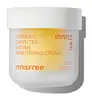
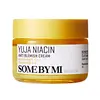
innisfree Vitamin C Green Tea Enzyme Brightening Cream Versus Some By Mi Yuja Niacin Anti Blemish Cream
This brightening moisturizer is formulated around Niacinamide and 3-O-Ethyl Ascorbic Acid to brighten dull-looking skin and refine skin texture.
This brightening moisturizer is formulated around Niacinamide and Panthenol to fade the look of dark spots and brighten dull-looking skin.

What's inside
What's inside
 Key Ingredients
Benefits
Concerns
Ingredients Side-by-side
Water
Skin ConditioningButylene Glycol
Humectant

Propanediol
Solvent
Glycerin
Humectant
Niacinamide
Smoothing









Isopentyldiol
Humectant
1,2-Hexanediol
Skin Conditioning
Hydrogenated Poly(C6-14 Olefin)
EmollientCaprylic/Capric Triglyceride
Masking
Isononyl Isononanoate
EmollientSqualane
Emollient
Ammonium Acryloyldimethyltaurate/Vp Copolymer
Acrylates/C10-30 Alkyl Acrylate Crosspolymer
Emulsion StabilisingArginine
Masking
Trehalose
Humectant
Hydroxyethyl Acrylate/Sodium Acryloyldimethyl Taurate Copolymer
Emulsion StabilisingSodium Acrylic Acid/Ma Copolymer
Dextrin
AbsorbentXanthan Gum
Emulsifying3-O-Ethyl Ascorbic Acid
Skin Conditioning
Cetearyl Olivate


Citrus Reticulata Peel Extract
Skin ConditioningCastor Oil/Ipdi Copolymer

Coptis Japonica Root Extract
Skin ConditioningEthylhexylglycerin
Skin ConditioningDaucus Carota Sativa Root Extract
Skin Conditioning
Sorbitan Olivate
Emulsifying
Canola Oil
Emollient


Cyclodextrin
AbsorbentSodium Phytate
ChelatingGlyceryl Acrylate/Acrylic Acid Copolymer
HumectantSorbitan Isostearate
Emulsifying
Protease
Exfoliating
Caprylyl Glycol
Emollient
Pvm/Ma Copolymer
Emulsion StabilisingDaucus Carota Sativa Seed Oil
Emollient
Carbomer
Emulsion StabilisingAscorbyl Tetraisopalmitate
Antioxidant
Tocopheryl Acetate
Antioxidant
Beta-Carotene
Skin ConditioningHelianthus Annuus Seed Oil
Emollient
Amodimethicone

Glucose
Humectant
Sodium Hyaluronate
Humectant
Panthenol
Skin Conditioning
Chondrus Crispus Extract
Skin Conditioning
Hydroxypropyltrimonium Hyaluronate
Sodium Ascorbyl Phosphate
Antioxidant
Tocopherol
Antioxidant
Magnesium Ascorbyl Phosphate
Antioxidant
Glutathione
Ferulic Acid
Antimicrobial
Linum Usitatissimum Seed Oil
Perfuming
Hydrolyzed Hyaluronic Acid
Humectant
Sodium Acetylated Hyaluronate
Humectant
Cyanocobalamin
Skin ConditioningGluconolactone
Chelating
Hyaluronic Acid
Humectant
Sodium Hyaluronate Crosspolymer
Humectant
Hydrolyzed Sodium Hyaluronate
Skin Conditioning
Potassium Hyaluronate
Skin ConditioningLinolenic Acid
Cleansing
Linoleic Acid
Cleansing
Ascorbic Acid
Antioxidant
Biotin
AntiseborrhoeicFolic Acid
Skin ConditioningRiboflavin
Cosmetic ColorantPyridoxine
Skin ConditioningThiamine Hcl
MaskingWater, Butylene Glycol, Propanediol, Glycerin, Niacinamide, Isopentyldiol, 1,2-Hexanediol, Hydrogenated Poly(C6-14 Olefin), Caprylic/Capric Triglyceride, Isononyl Isononanoate, Squalane, Ammonium Acryloyldimethyltaurate/Vp Copolymer, Acrylates/C10-30 Alkyl Acrylate Crosspolymer, Arginine, Trehalose, Hydroxyethyl Acrylate/Sodium Acryloyldimethyl Taurate Copolymer, Sodium Acrylic Acid/Ma Copolymer, Dextrin, Xanthan Gum, 3-O-Ethyl Ascorbic Acid, Cetearyl Olivate, Citrus Reticulata Peel Extract, Castor Oil/Ipdi Copolymer, Coptis Japonica Root Extract, Ethylhexylglycerin, Daucus Carota Sativa Root Extract, Sorbitan Olivate, Canola Oil, Cyclodextrin, Sodium Phytate, Glyceryl Acrylate/Acrylic Acid Copolymer, Sorbitan Isostearate, Protease, Caprylyl Glycol, Pvm/Ma Copolymer, Daucus Carota Sativa Seed Oil, Carbomer, Ascorbyl Tetraisopalmitate, Tocopheryl Acetate, Beta-Carotene, Helianthus Annuus Seed Oil, Amodimethicone, Glucose, Sodium Hyaluronate, Panthenol, Chondrus Crispus Extract, Hydroxypropyltrimonium Hyaluronate, Sodium Ascorbyl Phosphate, Tocopherol, Magnesium Ascorbyl Phosphate, Glutathione, Ferulic Acid, Linum Usitatissimum Seed Oil, Hydrolyzed Hyaluronic Acid, Sodium Acetylated Hyaluronate, Cyanocobalamin, Gluconolactone, Hyaluronic Acid, Sodium Hyaluronate Crosspolymer, Hydrolyzed Sodium Hyaluronate, Potassium Hyaluronate, Linolenic Acid, Linoleic Acid, Ascorbic Acid, Biotin, Folic Acid, Riboflavin, Pyridoxine, Thiamine Hcl
Citrus Junos Fruit Extract
Skin ConditioningWater
Skin ConditioningButylene Glycol
Humectant
Niacinamide
Smoothing
Glycerin
Humectant
Panthenol
Skin Conditioning
1,2-Hexanediol
Skin Conditioning
Simmondsia Chinensis Seed Oil
Emollient
Benzyl Glycol
SolventBisabolol
Antioxidant
Diphenylsiloxy Phenyl Trimethicone
Skin Conditioning
Arginine
Masking
Caprylyl Methicone
Skin Conditioning
Trehalose
Humectant
Behenyl Alcohol
Emollient
Acrylates/C10-30 Alkyl Acrylate Crosspolymer
Emulsion StabilisingSodium Acrylate/Sodium Acryloyldimethyl Taurate Copolymer
Emulsion StabilisingCoptis Japonica Root Extract
Skin ConditioningPolyisobutene
Sorbitan Isostearate
Emulsifying
Carbomer
Emulsion StabilisingCentella Asiatica Extract
Cleansing
Dimethicone/Phenyl Vinyl Dimethicone Crosspolymer
Inulin Lauryl Carbamate
Emulsion StabilisingBiota Orientalis Leaf Extract
HumectantTocopherol
Antioxidant
Stearyl Alcohol
Emollient
Arachidyl Alcohol
Emollient
Xylitylglucoside
Humectant
Ethylhexylglycerin
Skin ConditioningAdenosine
Skin Conditioning
Anhydroxylitol
Humectant
Disodium EDTA
ChelatingXanthan Gum
EmulsifyingZanthoxylum Piperitum Fruit Extract
Skin ConditioningSorbitan Oleate
Emulsifying
Caprylyl/Capryl Glucoside
CleansingXylitol
Humectant
Polygonum Cuspidatum Root Extract
Antioxidant
Raspberry Ketone
Masking
Glutathione
Biotin
AntiseborrhoeicAscorbyl Glucoside
Antioxidant
Ascorbyl Tetraisopalmitate
Antioxidant
Arbutin
Antioxidant
Madecassoside
Antioxidant
Asiaticoside
Antioxidant
Madecassic Acid
Skin Conditioning
Asiatic Acid
Skin Conditioning
Ascorbic Acid
Antioxidant
Menadione
MaskingCyanocobalamin
Skin ConditioningCitrus Junos Peel Oil
Astringent
Linalool
Perfuming

Limonene
Perfuming
Citrus Junos Fruit Extract, Water, Butylene Glycol, Niacinamide, Glycerin, Panthenol, 1,2-Hexanediol, Simmondsia Chinensis Seed Oil, Benzyl Glycol, Bisabolol, Diphenylsiloxy Phenyl Trimethicone, Arginine, Caprylyl Methicone, Trehalose, Behenyl Alcohol, Acrylates/C10-30 Alkyl Acrylate Crosspolymer, Sodium Acrylate/Sodium Acryloyldimethyl Taurate Copolymer, Coptis Japonica Root Extract, Polyisobutene, Sorbitan Isostearate, Carbomer, Centella Asiatica Extract, Dimethicone/Phenyl Vinyl Dimethicone Crosspolymer, Inulin Lauryl Carbamate, Biota Orientalis Leaf Extract, Tocopherol, Stearyl Alcohol, Arachidyl Alcohol, Xylitylglucoside, Ethylhexylglycerin, Adenosine, Anhydroxylitol, Disodium EDTA, Xanthan Gum, Zanthoxylum Piperitum Fruit Extract, Sorbitan Oleate, Caprylyl/Capryl Glucoside, Xylitol, Polygonum Cuspidatum Root Extract, Raspberry Ketone, Glutathione, Biotin, Ascorbyl Glucoside, Ascorbyl Tetraisopalmitate, Arbutin, Madecassoside, Asiaticoside, Madecassic Acid, Asiatic Acid, Ascorbic Acid, Menadione, Cyanocobalamin, Citrus Junos Peel Oil, Linalool, Limonene
Ingredients Explained
These ingredients are found in both products.
Ingredients higher up in an ingredient list are typically present in a larger amount.
1,2-Hexanediol is a synthetic liquid and another multi-functional powerhouse.
It is a:
- Humectant, drawing moisture into the skin
- Emollient, helping to soften skin
- Solvent, dispersing and stabilizing formulas
- Preservative booster, enhancing the antimicrobial activity of other preservatives
Acrylates/C10-30 Alkyl Acrylate Crosspolymer is a synthetic polymer. It is used to thicken, emulsify, and improve the texture of products.
As an emulsifier, it helps stabilize oil-in-water emulsions to give products an elegant feel when applied.
It can also form a thin protective film on skin. One study found that a formula using this polymer helped slow down how quickly other ingredients (like DEET) were absorbed through skin.
A 2024 study of over 1,300 patients confirmed that sensitization to this ingredient is rare. It is also non-mutagenic and has a clean track record.
Learn more about Acrylates/C10-30 Alkyl Acrylate CrosspolymerArginine is a semi-essential amino acid. This just means our bodies can product a bit on its own, but sometimes needs a little boost from food sources.
It is a part of your skin's natural moisturizing factor (NMF), or the water-loving molecules in your outermost layer of skin (stratum corneum) that keeps everything hydrated and happy.
Here's an interesting thing about Arginine: your skin converts it into urea through the Krebs-Henseleit urea cycle. Urea is one of the most effective humectants your skin naturally produces.
A clinical study showed applying 2.5% arginine hydrochloride to atopic dermatitis skin showed significant urea levels in the stratum corneum and improved moisture in just four weeks.
Arginine is also a precursor to nitric oxide; nitric oxide improves microcirculation and supports wound healing and collagen synthesis.
One study found that an amino acid complex containing Arginine reduced skin irritation, improved hydration, and accelerated skin repair in clinical / in-vivo studies.
Arginine itself is an amino acid and not a fatty acid, oil, or ester. On its own, it's not a direct food source for Malassezia, or the yeast that causes fungal acne.
Learn more about ArginineAscorbic Acid is is pure Vitamin C and is the biologically active form used directly by skin.
Not only is vitamin C great for your overall health and immune system, but it also has plenty of benefits for your skin. It is best supported by academic literature for:
Topical vitamin C has been shown to help neutralize oxidative stress from UV and pollution, helping to improve photoaging and hyperpigmentation when used consistently.
One clinical study found that using 5% topical vitamin C for six months improved signs of photodamaged skin, both on the surface and in the deeper structural layers of the skin.
While vitamin C doesn’t replace sunscreen, studies show it can boost photoprotection when combined with Vitamin E and ferulic acid. These two ingredients help improve stability and protective effects.
The big downside of this ingredient is formulation difficulty. Vitamin C is prone to oxidation and doesn't penetrate the skin unless formulated correctly. Research found that vitamin C absorbs into the skin best at a low pH (< 3.5) with about 20% being the upper limit for effective absorption.
Skin levels can saturate after repeated application; this means your skin won’t keep absorbing more once it’s full of vitamin C. This is why more isn’t always better with vitamin C and why very high concentrations don’t necessarily give extra benefits.
Ascorbic acid generally works well with many skincare ingredients but can be irritating when combined with other active ingredients. Strong oxidizing acne treatments like benzoyl peroxide can reduce the effectiveness of vitamin C if they are used at the same time; they are often recommended for use at different times of day.
Read more about other types of Vitamin C:
Foods rich with vitamin C include oranges, strawberries, broccoli, bell peppers, and more. When consuming Vitamin C, your skin receives a portion of the nutrients.
Learn more about Ascorbic AcidAscorbyl Tetraisopalmitate is a version of ascorbic acid, or Vitamin C.
This ingredient has many benefits including reducing wrinkles, skin soothing, dark spot fading, and fighting against free radicals.
It helps with dark spot fading by interfering with the process of skin darkening, helping to reduce hyperpigmentation. Like other forms of vitamin C, this ingredient encourages the skin to create more collagen.
As an antioxidant, it helps fight free-radicals. Free-radicals are molecules that may damage your skin cells.
One study found Ascorbyl Tetraisopalmitate to degrade in sunlight, but is stabilized when combined with acetyl zingerone.
Learn more about Ascorbyl TetraisopalmitateBiotin is a B vitamin that is naturally produced by our bodies. It is also called Vitamin H.
Our bodies use biotin in the metabolism process. It also helps our bodies use enzymes and move nutrients around. A biotin deficiency can lead to brittle hair and nails.
More research is needed on applying biotin topically. However, taking biotin orally has been shown to help nourish the skin, hair, and nails. They play a role in forming skin-hydrating fatty acids.
Biotin is water-soluble. It can be found in foods such as fish, eggs, dairy, nuts, and meat. Vitamin H stands for "haar" and "haut". These are the German words for hair and skin.
Learn more about BiotinButylene Glycol (or BG) is used within cosmetic products for a few different reasons:
Overall, Butylene Glycol is a safe and well-rounded ingredient that works well with other ingredients.
Though this ingredient works well with most skin types, some people with sensitive skin may experience a reaction such as allergic rashes, closed comedones, or itchiness.
Learn more about Butylene GlycolCarbomer is a synthetic thickening and gelling agent. It's basically the ingredient that gives a lot of serums, gels, creams, and sunscreens their smooth, non-sticky texture.
Although legally permitted at very high levels, carbomers are normally used at concentrations below 1%.
It also needs to be neutralized to actually thicken, and because it is a large molecule, it doesn't really penetrate the skin barrier.
Allergy-wise, the risk is very low. Clinical studies show carbomers have low potential for skin irritation/sensitization even at concentrations up to 100%.
A 2024 UK study patch-tested 1,302 patients and found true allergy to the parent group of carbomer to be rare with no confirmed relevant reactions.
Learn more about CarbomerCoptis Japonica Root Extract, also known as Japanese Goldthread, is a traditional East Asian herb. It is prized for its anti-inflammatory, antioxidant, and antimicrobial properties.
That’s not all - research in the International Journal of Cosmetic Science found that its active compound, berberine, may help reduce fat accumulation and slow down fat cell development.
This makes it a promising ingredient for slimming and anti-cellulite products!
Learn more about Coptis Japonica Root ExtractCyanocobalamin is the manufactured version of vitamin B12. It has skin soothing, antioxidant, and barrier protecting properties. Topical cyanocobalamin is used to treat skin irritation and atopic dermatitis.
Ethylhexylglycerin is created from glycerin. It is a multitasker ingredient that:
The CIR Expert Panel found minimal skin absorption or sensitization of any kind in a safety assessment. Though this ingredient is considered well-tolerated, a small number of cases of allergic dermatitis have been published since 2002. Just be sure to patch test if you are unsure.
Industry-reported use ranges from 8% in rinse-off products and 2% in leave-on formulations.
Learn more about EthylhexylglycerinGlutathione is a tiny protein-like molecule (a "tripeptide" build from 3 amino acids: glycine, cysteine, and glutamic acid) that your body already makes on its own.
Inside your body, it acts as one of the skin's main antioxidants that help fight against free radicals.
In skincare, it's best known as a brightening ingredient that slows down tyrosinase, the key enzyme that makes skin pigment. It also nudges the skin toward making a lighter type of pigment instead of a darker one.
This is why you'll see it in products aimed at dark spots and uneven tone.
A small number of real human trials have found a topical glutathione lotion:
The honest caveat is that the current evidence is still thin (few studies, small groups, short timelines). Glutathione also doesn't absorb into skin very easily so results tend to be modest and fade if you stop using it.
One thing worth clearing up:
The scary side effects you may have heard about come from glutathione injected intravenously, which has real safety concerns. Applying it topically is a completely different thing and has a clean track record.
Most human studies used it around 2% (as Glutathione or Glutathione Disulfide) and a 2% oxidized glutathione lotion and a 2% S-acyl glutathione cream are the concentrations with actual clinical data behind them.
There's no established "ideal" percentage yet but 1-2% is the evidence-backed range.
Allergy-wise, there is very low risk for this ingredient; it was well-tolerated across the topical trials. Only one participant had mild temporary redness that cleared up on its own and another study reported no adverse reactions at all.
One trial had ~10% of users drop out for irritation was using a combination cream that also had 10% azelaic acid so the irritation likely wasn't from the glutathione. There's no notable contact-allergy signal for topical glutathione in the literature but patch-testing before first use is still sensible for those with sensitive skin.
Learn more about GlutathioneGlycerin (or glycerol) is a compound naturally found in your skin. It's a powerhouse humectant that pulls water into the stratum corneum.
Topically, glycerin does several things at once:
Your skin makes glycerin on its own (mostly from sebaceous oil breakdown) and shuttles it to your outermost layer of skin, or your epidermis, via aquaporin-3.
Aquaporin-3 is a transporter that is essential for normal skin hydration, elasticity, and repair. Interestingly, mice lacking in AQP3 have dry and less elastic skin that can be fully corrected with glycerin.
This ingredient is non-irritating, plays well with almost every ingredient, and works across all skin types. Typical use is anywhere between 3-10% but can go up to 79% in some leave-on products.
Just know very high concentrations (>40%) can feel tacky in low humidity.
Glycerin is the name for this ingredient in American English. British English uses Glycerol/Glycerine.
Learn more about GlycerinNiacinamide is a multitasking form of vitamin B3 that strengthens the skin barrier, reduces pores and dark spots, regulates oil, and improves signs of aging.
And the best part? It's gentle and well-tolerated by most skin types, including sensitive and reactive skin.
You might have heard of "niacin flush", or the reddening of skin that causes itchiness. Niacinamide has not been found to cause this.
In very rare cases, some individuals may not be able to tolerate niacinamide at all or experience an allergic reaction to it.
If you are experiencing flaking, irritation, and dryness with this ingredient, be sure to double check all your products as this ingredient can be found in all categories of skincare.
When incorporating niacinamide into your routine, look out for concentration amounts. Typically, 5% niacinamide provides benefits such as fading dark spots. However, if you have sensitive skin, it is better to begin with a smaller concentration.
When you apply niacinamide to your skin, your body converts it into nicotinamide adenine dinucleotide (NAD). NAD is an essential coenzyme that is already found in your cells as "fuel" and powers countless biological processes.
In your skin, NAD helps repair cell damage, produce new healthy cells, support collagen production, strengthen the skin barrier, and fight environmental stressors (like UV and pollution).
Our natural NAD levels start to decline with age, leading to slower skin repair, visible aging, and a weaker skin barrier. By providing your skin niacinamide, you're recharging your skin's NAD levels. This leads to stronger, healthier, and younger looking skin.
Another name for vitamin B3 is nicotinamide. This vitamin is water-soluble and our bodies don't store it. We obtain Vitamin B3 from either food or skincare. Meat, fish, wheat, yeast, and leafy greens contain vitamin B3.
The type of niacinamide used in skincare is synthetically created.
Learn more about NiacinamidePanthenol is a common ingredient that helps hydrate and soothe the skin. It is found naturally in our skin and hair.
There are two forms of panthenol: D and L.
D-panthenol is also known as dexpanthenol. Most cosmetics use dexpanthenol or a mixture of D and L-panthenol.
Panthenol is famous due to its ability to go deeper into the skin's layers. Using this ingredient has numerous pros (and no cons):
Like hyaluronic acid, panthenol is a humectant. Humectants are able to bind and hold large amounts of water to keep skin hydrated.
This ingredient works well for wound healing. It works by increasing tissue in the wound and helps close open wounds.
Once oxidized, panthenol converts to pantothenic acid. Panthothenic acid is found in all living cells.
This ingredient is also referred to as pro-vitamin B5.
Learn more about PanthenolSorbitan Isostearate is an emulsifer. It is created from isostearic acid and sorbitol.
As an emulsifier, it keeps the water and oil ingredients from separating. This keeps formulas stable and smooth.
In a 24 hour occlusive patch test on 56 subjects, 10% sorbitan isostearate was completely non-irritating. Most formulas use less than 10%.
Because it's a fatty acid ester, it may not be fungal acne safe since the Malassezia yeast can utilize it as a nutrient source.
Learn more about Sorbitan IsostearateTocopherol is a fat-soluble antioxidant known as Vitamin E.
You'll find this ingredient in the vast majority of skincare (for good reason). It works to neutralize free radicals, or unstable molecules generated by UV exposure, pollution, and other environmental stressors, before they can cause oxidative damage to your skin cells.
Topically applied tocopherol has been shown to protect against UV damage by ramping up the skin's own natural defense enzymes.
It also acts as a skin conditioning agent; some studies show that regular topical use can improve the skin's water-binding capacity over 2-4 weeks.
This ingredient is especially loved for being a team player. When combined with Vitamin C, the photoprotective effect of both ingredients roughly doubles and the combo also helps reduce UV-induced DNA damage.
This ingredient has some brightening potential but it's more of a prevention ingredient than spot-fader. Cell studies show it can slow down melanin production but it's worth noting that it's not the most powerful brightener out there.
In formulations, it also serves as a stabilizer that helps protect other oxidation-prone ingredients from degrading.
Concentrations usually range from 0.1-1% in most leave-on products.
Learn more about TocopherolTrehalose is a disaccharide made of two glucose molecules (glucose is sugar!). Trehalose is used to help moisturize skin. It also has antioxidant properties.
As a humectant, trehalose helps draw moisture from the air to your skin. This helps keep your skin hydrated.
Due to its antioxidant properties, trehalose may help with signs of aging. Antioxidants help fight free-radical molecules, unstable molecules that may damage your skin.
In medicine, trehalose and hyaluronic acid are used to help treat dry eyes.
Some animals, plants, and bacteria create trehalose as a source of energy to survive freeze or lack of water.
Learn more about TrehaloseWater. It's the most common cosmetic ingredient of all. You'll usually see it at the top of ingredient lists, meaning that it makes up the largest part of the product.
So why is it so popular? Water most often acts as a solvent - this means that it helps dissolve other ingredients into the formulation.
You'll also recognize water as that liquid we all need to stay alive. If you see this, drink a glass of water. Remember to stay hydrated!
Learn more about WaterXanthan gum is used as a stabilizer and thickener within cosmetic products. It helps give products a sticky, thick feeling - preventing them from being too runny.
On the technical side of things, xanthan gum is a polysaccharide - a combination consisting of multiple sugar molecules bonded together.
Xanthan gum is a pretty common and great ingredient. It is a natural, non-toxic, non-irritating ingredient that is also commonly used in food products.
Learn more about Xanthan Gum

