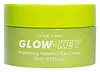
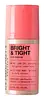
I Dew Care Glow-key Brightening Vitamin C Eye Cream Versus iNNBEAUTY PROJECT Bright & Tight Eye Cream
This brightening eye moisturizer is formulated around Niacinamide and Ascorbic Acid to brighten dull-looking skin and soften the look of wrinkles.
This brightening eye moisturizer is formulated around Tranexamic Acid and Tetrahexyldecyl Ascorbate to brighten dull-looking skin and soften the look of wrinkles.

What's inside
What's inside
 Key Ingredients
Benefits
Concerns
Ingredients Side-by-side
Water
Skin ConditioningGlycerin
Humectant


Diisostearyl Malate
EmollientHydrogenated Poly(C6-14 Olefin)
Emollient1,2-Hexanediol
Skin Conditioning
Ethylhexyl Palmitate
Emollient




Limnanthes Alba Seed Oil
Skin Conditioning
Niacinamide
Smoothing









Pentaerythrityl Tetraethylhexanoate
Emollient
Polymethylsilsesquioxane

Myristyl Myristate
Emollient
PEG-150 Distearate
Emulsifying
Polyglyceryl-3 Methylglucose Distearate
Emulsifying
Cetearyl Alcohol
Emollient

CI 77891
Cosmetic ColorantHydrogenated Olive Oil Lauryl Esters
Emulsion Stabilising
Pentylene Glycol
Skin Conditioning
Squalane
Emollient
Euphrasia Officinalis Extract
AntimicrobialHydrolyzed Hyaluronic Acid
Humectant
Ascorbic Acid
Antioxidant

Palmitoyl Tripeptide-5
Skin Conditioning
Camellia Sinensis Leaf Extract
Antimicrobial
Luffa Cylindrica Fruit Extract
Skin ConditioningPsidium Guajava Fruit Extract
AstringentPsidium Guajava Leaf Extract
AstringentTocopherol
Antioxidant
Cyanocobalamin
Skin ConditioningCoffea Arabica Seed Extract
Masking
Hydrogenated Lecithin
Emulsifying
Glyceryl Stearate
Emollient
Mica
Cosmetic ColorantHydroxyethyl Acrylate/Sodium Acryloyldimethyl Taurate Copolymer
Emulsion StabilisingCopernicia Cerifera Wax
Theobroma Grandiflorum Seed Butter
Skin Conditioning
Caprylic/Capric Triglyceride
Masking
Caprylyl Glycol
Emollient
Behenic Acid
Cleansing
Silica
Abrasive
Synthetic Fluorphlogopite
Stearic Acid
Cleansing
Behenyl Alcohol
Emollient
Stearyl Alcohol
Emollient
Hydrogenated Olive Oil Unsaponifiables
Emollient
Xanthan Gum
EmulsifyingParfum
Masking


Ethylhexylglycerin
Skin ConditioningAdenosine
Skin Conditioning
Polyglyceryl-10 Stearate
Skin Conditioning
Myristic Acid
Cleansing
Disodium EDTA
ChelatingPhenoxyethanol
Preservative
Melia Azadirachta Flower Extract
Skin ConditioningMelia Azadirachta Leaf Extract
Skin ConditioningCurcuma Longa Root Extract
Antioxidant
Ocimum Sanctum Leaf Extract
Skin ConditioningButylene Glycol
Humectant
Corallina Officinalis Extract
Skin Conditioning
Allium Sativum Bulb Extract
Skin ConditioningWater, Glycerin, Diisostearyl Malate, Hydrogenated Poly(C6-14 Olefin), 1,2-Hexanediol, Ethylhexyl Palmitate, Limnanthes Alba Seed Oil, Niacinamide, Pentaerythrityl Tetraethylhexanoate, Polymethylsilsesquioxane, Myristyl Myristate, PEG-150 Distearate, Polyglyceryl-3 Methylglucose Distearate, Cetearyl Alcohol, CI 77891, Hydrogenated Olive Oil Lauryl Esters, Pentylene Glycol, Squalane, Euphrasia Officinalis Extract, Hydrolyzed Hyaluronic Acid, Ascorbic Acid, Palmitoyl Tripeptide-5, Camellia Sinensis Leaf Extract, Luffa Cylindrica Fruit Extract, Psidium Guajava Fruit Extract, Psidium Guajava Leaf Extract, Tocopherol, Cyanocobalamin, Coffea Arabica Seed Extract, Hydrogenated Lecithin, Glyceryl Stearate, Mica, Hydroxyethyl Acrylate/Sodium Acryloyldimethyl Taurate Copolymer, Copernicia Cerifera Wax, Theobroma Grandiflorum Seed Butter, Caprylic/Capric Triglyceride, Caprylyl Glycol, Behenic Acid, Silica, Synthetic Fluorphlogopite, Stearic Acid, Behenyl Alcohol, Stearyl Alcohol, Hydrogenated Olive Oil Unsaponifiables, Xanthan Gum, Parfum, Ethylhexylglycerin, Adenosine, Polyglyceryl-10 Stearate, Myristic Acid, Disodium EDTA, Phenoxyethanol, Melia Azadirachta Flower Extract, Melia Azadirachta Leaf Extract, Curcuma Longa Root Extract, Ocimum Sanctum Leaf Extract, Butylene Glycol, Corallina Officinalis Extract, Allium Sativum Bulb Extract
Water
Skin ConditioningPropanediol
Solvent
Caprylic/Capric Triglyceride
Masking
Coco-Caprylate
Emollient
Tranexamic Acid
Astringent
Dimethicone
Emollient
Glycerin
Humectant
Squalane
Emollient
Mangifera Indica Seed Butter
Skin Conditioning
Stearic Acid
Cleansing
Cetearyl Alcohol
Emollient
Dilinoleic Acid/Propanediol Copolymer
EmollientArachidyl Alcohol
Emollient
Butylene Glycol
Humectant
Hydrogenated Polydecene
EmollientBis-Diglyceryl Polyacyladipate-2
Emollient
Tetrahexyldecyl Ascorbate
Antioxidant
Bakuchiol
Antimicrobial
Nicotiana Benthamiana Hexapeptide-40 Sh-Polypeptide-76
Skin Conditioning
Palmitoyl Tripeptide-5
Skin Conditioning
Ascorbyl Glucoside
Antioxidant
3-O-Ethyl Ascorbic Acid
Skin Conditioning
Coffea Arabica Seed Extract
Masking
Sodium Hyaluronate
Humectant
Glycyrrhiza Glabra Root Extract
Bleaching
Cedrus Atlantica Bark Extract
Perfuming
Caffeine
Skin Conditioning
Oryza Sativa Bran Extract
Skin Conditioning
Pistacia Lentiscus Gum
MaskingBacillus Ferment
Skin Conditioning
Leuconostoc/Radish Root Ferment Filtrate
Antimicrobial
Vaccinium Myrtillus Fruit Extract
Skin ConditioningSodium PCA
Humectant
Allantoin
Skin Conditioning
Silica
Abrasive
Rosmarinus Officinalis Leaf Extract
AntimicrobialBisabolol
Antioxidant
Helianthus Annuus Extract
Emollient
Xanthan Gum
EmulsifyingGlucose
Humectant
Tocopherol
Antioxidant
Sorbitan Isostearate
Emulsifying
Phospholipids
Skin Conditioning
Phytonadione
Lecithin
Emollient
Glyceryl Caprylate
EmollientPolyglyceryl-3 Caprate
EmulsifyingGlyceryl Caprylate/Caprate
EmollientEthylhexyl Palmitate
Emollient
C12-15 Alkyl Benzoate
AntimicrobialBehenyl Alcohol
Emollient
Phenoxyethanol
Preservative
Sorbitan Sesquioleate
Emulsifying
1,2-Hexanediol
Skin Conditioning
Caprylyl Glycol
Emollient
Cetearyl Glucoside
Emulsifying
Arachidyl Glucoside
EmulsifyingHydroxyacetophenone
Antioxidant
Citric Acid
Buffering
Hydroxyethyl Acrylate/Sodium Acryloyldimethyl Taurate Copolymer
Emulsion StabilisingSodium Phytate
ChelatingSodium Polyacrylate
Absorbent
Pentylene Glycol
Skin Conditioning
Dicaprylyl Carbonate
EmollientSilica Dimethyl Silylate
EmollientTitanium Dioxide
Cosmetic Colorant

CI 77891
Cosmetic ColorantMica
Cosmetic ColorantIron Oxides
CI 77492
Cosmetic ColorantCI 77491
Cosmetic ColorantWater, Propanediol, Caprylic/Capric Triglyceride, Coco-Caprylate, Tranexamic Acid, Dimethicone, Glycerin, Squalane, Mangifera Indica Seed Butter, Stearic Acid, Cetearyl Alcohol, Dilinoleic Acid/Propanediol Copolymer, Arachidyl Alcohol, Butylene Glycol, Hydrogenated Polydecene, Bis-Diglyceryl Polyacyladipate-2, Tetrahexyldecyl Ascorbate, Bakuchiol, Nicotiana Benthamiana Hexapeptide-40 Sh-Polypeptide-76, Palmitoyl Tripeptide-5, Ascorbyl Glucoside, 3-O-Ethyl Ascorbic Acid, Coffea Arabica Seed Extract, Sodium Hyaluronate, Glycyrrhiza Glabra Root Extract, Cedrus Atlantica Bark Extract, Caffeine, Oryza Sativa Bran Extract, Pistacia Lentiscus Gum, Bacillus Ferment, Leuconostoc/Radish Root Ferment Filtrate, Vaccinium Myrtillus Fruit Extract, Sodium PCA, Allantoin, Silica, Rosmarinus Officinalis Leaf Extract, Bisabolol, Helianthus Annuus Extract, Xanthan Gum, Glucose, Tocopherol, Sorbitan Isostearate, Phospholipids, Phytonadione, Lecithin, Glyceryl Caprylate, Polyglyceryl-3 Caprate, Glyceryl Caprylate/Caprate, Ethylhexyl Palmitate, C12-15 Alkyl Benzoate, Behenyl Alcohol, Phenoxyethanol, Sorbitan Sesquioleate, 1,2-Hexanediol, Caprylyl Glycol, Cetearyl Glucoside, Arachidyl Glucoside, Hydroxyacetophenone, Citric Acid, Hydroxyethyl Acrylate/Sodium Acryloyldimethyl Taurate Copolymer, Sodium Phytate, Sodium Polyacrylate, Pentylene Glycol, Dicaprylyl Carbonate, Silica Dimethyl Silylate, Titanium Dioxide, CI 77891, Mica, Iron Oxides, CI 77492, CI 77491
Ingredients Explained
These ingredients are found in both products.
Ingredients higher up in an ingredient list are typically present in a larger amount.
1,2-Hexanediol is a synthetic liquid and another multi-functional powerhouse.
It is a:
- Humectant, drawing moisture into the skin
- Emollient, helping to soften skin
- Solvent, dispersing and stabilizing formulas
- Preservative booster, enhancing the antimicrobial activity of other preservatives
Behenyl Alcohol is a type of fatty alcohol (these are different from the drying, solvent alcohols).
Fatty Alcohols have hydrating properties and are most often used as an emollient or to thicken a product. They are usually derived from natural fats and oils; behenyl alcohol is derived from the fats of vegetable oils.
Emollients help keep your skin soft and hydrated by creating a film that traps moisture in.
In 2000, Behenyl Alcohol was approved by the US as medicine to reduce the duration of cold sores.
Learn more about Behenyl AlcoholButylene Glycol (or BG) is used within cosmetic products for a few different reasons:
Overall, Butylene Glycol is a safe and well-rounded ingredient that works well with other ingredients.
Though this ingredient works well with most skin types, some people with sensitive skin may experience a reaction such as allergic rashes, closed comedones, or itchiness.
Learn more about Butylene GlycolCaprylic/Capric Triglyceride (aka MCT Oil) is a lightweight emollient, solvent, and texture enhancer. It is considered a skin-softener by helping to prevent moisture loss.
Though it behaves like an oil, it is not technically one due to its chemical composition. One perk of this ingredient is that it is very stable, resistant to oxidation, and unlikely to go rancid.
In practice, that translates to a long shelf life and a consistently elegant skin feel.
While there is an assumption Caprylic Triglyceride can clog pores due to it being derived from coconut oil, there is no research supporting this. Just patch test if you have concerns.
Fractionated coconut oil and MCT Oil are both listed as Caprylic/Capric Triglyceride according to INCI. This is because INCI names are based on the ingredient’s final chemical composition and not its marketing name or source.
This ingredient is treated as the gold standard fungal acne safe oil. Even though it is coconut derived, the problematic lauric acid is stripped out.
This leaves just caprylic (C8) and capric (C10) acid. These chain lengths actually trend antifungal; a 2020 study found caprylic acid was enough to disrupt Malassezia furfur cell membrane, with a caprylic acid derivative damaging membrane structures at concentrations as low as 0.2%.
Learn more about Caprylic/Capric TriglycerideCaprylyl Glycol is a humectant, skin conditioner, emollient, and preservative booster derived from either caprylic acid or synthetically created.
Typical use levels vary from 0.3-1% as a preservative booster and go up to 2% to condition skin.
Because it is not a free-fatty acid, this ingredient is fungal acne safe (there's nothing for Malassezia to feed on).
Learn more about Caprylyl GlycolCetearyl alcohol is a waxy mixture of two fatty alcohols: cetyl alcohol and stearyl alcohol. It is an emollient and emulsifier.
Despite having "alcohol" in its name, it has nothing to do with drying solvent alcohols; the FDA also allows "alcohol-free" products to contain fatty alcohols like this ingredient.
It plays several roles in a formula:
Typical use levels for this ingredient sit around 1-10% and the Cosmetic Ingredient Review Expert Panel has affirmed safety at concentrations up to 25% in leave-on products.
Multiple assessments have found it to be non-irritating and non-sensitizing to most people.
However, there have been some cases of allergic contact dermatitis in patients with chronically compromised skin barriers.
Cetearyl alcohol has a comedogenic rating of 2 and irritancy rating of 1. Both of these numbers come from the 1989 study that used rabbit ears; a "2" means mildly comedogenic and a "1" means low irritancy.
Here's the catch: rabbit skin is more sensitive than human skin and throws a lot of false positives. A 1996 reappraisal found that ingredients rated 1-2 in the rabbit ear tests are generally safe for humans.
Remember comedogenic ratings are unable to assess the entire formula of a product or how it will react on your skin. Just be sure to patch test if you are unsure about certain ingredients.
This ingredient is not fungal acne safe. Cetearyl alcohol is a fatty alcohol with chain lengths that fall within the range that Malassezia can metabolize.
A 2019 study has also observed Malassezia growth in the presence of this ingredient, confirming it to be not-fungal acne safe.
Learn more about Cetearyl AlcoholCi 77891 is a white pigment from Titanium dioxide. It is naturally found in minerals such as rutile and ilmenite.
It's main function is to add a white color to cosmetics. It can also be mixed with other colors to create different shades.
Ci 77891 is commonly found in sunscreens due to its ability to block UV rays.
Learn more about CI 77891This ingredient is more commonly known as the coffee bean from the Coffea Arabica tree. Besides being a delicious drink, coffee beans have a ton of skin benefits.
Coffea Arabica Seed Extract (CASE) has antioxidant, anti-inflammatory, and UV-protective properties. (It should not replace your sunscreen!)
CASE contains several ingredients that protect and soothe skin. These include caffeine, polysaccharides, sucrose, lipids, minerals, and proteins.
The star ingredient in coffee is caffeine.
Caffeine helps with anti-aging, antioxidant, and photo-protection.
How? It has been shown to block collagenase (~41%), elastase (~35%), and tyrosinase (~13%).
Collagenase and elastase are enzymes that break down collagen and elastin, respectively. Tyrosinase is the enzyme that controls melanin production.
Our skin creates melanin when exposed to UV as a defense mechanism.
It should be noted most studies looked at caffeine's ability to inhibit damage from UV-B rays.
According to a manufacturer, this ingredient is often dissolved using water, glycerin, and propanediol. The caffeine content of this ingredient is about 100 ppm.
Coffea Arabica is native to Ethiopia.
Learn more about Coffea Arabica Seed ExtractEthylhexyl Palmitate, also known as octyl palmitate, is created from 2-ethylhexyl alcohol and palmitic acid.
In cosmetics, it plays many roles:
One thing worth noting: a controlled study found this ingredient applied under occlusion to acne-prone subjects increased microcomedones. Just keep in mind this was under occlusive conditions and don't reflect how most products are used day-to-day.
For most people, this is a well-tolerated and lightweight ingredient.
This ingredient may not be fungal acne safe because it is an ester of palmitic acid, a C16 fatty acid that falls within the C11-24 range that Malassezia can metabolize.
You'll see this one rated 4 comedogenic all over the internet. That number isn't from a single study, and the actual research is more interesting.
The original rating comes from 1980s rabbit ear tests (which are a shaky basis for anything). But Ethylhexyl Palmitate is one of the few ingredients with real human data behind it. A 2021 controlled trial found this ingredient increased microcomedones by an average of 365% over four weeks.
Just know that test used the pure ingredient under an occlusive pad on back skin; most products use it at much lower levels alongside other ingredients and plenty of people use those with no issue.
Learn more about Ethylhexyl PalmitateGlycerin (or glycerol) is a compound naturally found in your skin. It's a powerhouse humectant that pulls water into the stratum corneum.
Topically, glycerin does several things at once:
Your skin makes glycerin on its own (mostly from sebaceous oil breakdown) and shuttles it to your outermost layer of skin, or your epidermis, via aquaporin-3.
Aquaporin-3 is a transporter that is essential for normal skin hydration, elasticity, and repair. Interestingly, mice lacking in AQP3 have dry and less elastic skin that can be fully corrected with glycerin.
This ingredient is non-irritating, plays well with almost every ingredient, and works across all skin types. Typical use is anywhere between 3-10% but can go up to 79% in some leave-on products.
Just know very high concentrations (>40%) can feel tacky in low humidity.
Glycerin is the name for this ingredient in American English. British English uses Glycerol/Glycerine.
Learn more about GlycerinThis is a synthetic polymer. It helps improve the texture of products by adding thickness and gel-like feel.
It is also an emulsifer, meaning it prevents ingredients such as oil and water from separating. It also helps evenly disperse other ingredients.
Mica is a naturally occurring mineral used to add shimmer and color in cosmetics. It can also help improve the texture of a product or give it an opaque, white/silver color.
Serecite is the name for very fine but ragged grains of mica.
This ingredient is often coated with metal oxides like titanium dioxide. Trace amounts of heavy metals may be found in mica, but these metals are not harmful in our personal products.
Mica has been used since prehistoric times throughout the world. Ancient Egyptian, Indian, Greek, Roman, Aztec, and Chinese civilizations have used mica.
Learn more about MicaPalmitoyl Tripeptide-5 is a synthetic signal lipopeptide. This just means it is a three amino acid chain bolted onto a palmitic acid tail so it can slip through the skin's lipid barrier.
This peptide has a "build more, lose less" approach.
It's designed to mimic the collagen-stimulating activity in your skin by copying a snippet of one of your skin's own matrix proteins. This nudges fibroblasts into making more collagen while inhibiting the enzyme that breaks down skin protein.
The manufacturer's in vivo study of 45 volunteers found 1% and 2.5% reduced the appearance of wrinkles by 7% and 12% respectively, after using it twice daily for 84 days.
This is in the expected range for peptides; they're slow and cumulative actives and not overnight fixers.
Typical use levels range from 1-3% and this ingredient gets along with pretty much everything.
On the fungal acne front:
Although palmitic acid sits in the chain length that Malassezia can feed on, this ingredient has it locked in an amine bond. This makes it hard for Malassezia to access as a source of food, and therefore fungal acne safe.
Pentylene Glycol (1,2-pentanediol) is a multitasking little diol with three main roles in a formula:
Research on alkanediols (the family pentylene glycol belongs to) show they work by disrupting microbial cell membranes. This disruption helps the primary preservative system in a product work more effectively at lower doses.
On the safety side, the Cosmetic Ingredient Review Expert Panel has concluded this ingredient to be safe as used in current cosmetic practices + concentrations.
Typical use levels in a formula run about 1-5%.
Learn more about Pentylene GlycolPhenoxyethanol is one of the most widely used preservatives in skincare (and for good reason!).
It has a large spectrum of antimicrobial activity and especially effective bacteria, yeast, and mold while only having a weak effect on your skin's natural microbiome.
On a cellular level, it disrupts the cell membranes of microbes by poking holes that make the cell leak. This shuts down the chemical reactions the microbe needs to make energy so it can no longer survive.
Another perk of this ingredient is that it stays functional across a wide pH range (3-10).
You'll often see it paired with boosters like Ethylhexylglycerin; one study showed that a 1:9 ratio of Ethylhexylglycerin to Phenoxyethanol damages bacterial membranes as effectively as doubling the Phenoxyethanol concentration on its own.
Typical use concentrations range from 0.3-1% depending on the formula, and this ingredient is capped at 1% int the EU.
Safety-wise, the fear mongering does not hold up to the evidence. The EU's Scientific Committee on Consumer Safety and FDA consider it safe as a preservative at up to 1%, including for children of all ages.
Adverse systemic effects only showed up in animal studies at exposures roughly 200x higher than what people get from cosmetics. And despite its very widespread use, this ingredient is a rare sensitizer and allergic reactions are uncommon.
Learn more about PhenoxyethanolSilica, also known as silicon dioxide, is a naturally occurring mineral. It is used as a fine, spherical, and porous powder in cosmetics.
Though it has exfoliant properties, the function of silica varies depending on the product.
The unique structure of silica enhances the spreadability and adds smoothness, making it a great texture enhancer.
It is also used as an active carrier, emulsifier, and mattifier due to its ability to absorb excess oil.
In some products, tiny microneedles called spicules are made from silica or hydrolyzed sponge. When you rub them in, they lightly polish away dead skin layers and enhance the penetration of active ingredients.
Learn more about SilicaSqualane is the hydrogenated and shelf-stable form of squalene (a lipid that naturally occurs in human sebum).
It is an emollient and skin conditioning agent that is able to integrate seamlessly into the skin's lipid barrier without clogging pores.
This is due to how structurally similar it is to what your skin already produces.
Though it is mostly an emollient that helps soften and hydrate skin, it also has some humectant and occlusive action. Humectants help the skin retain moisture while occlusives seal it in, making squalane a triple-threat moisturizer.
Research shows it has antioxidant capabilities that help protect against stressors like UV exposure, specifically UVA induced oxidative stress. This study also found that it supports collagen biosynthesis in human dermal fibroblasts.
No clinical study has reported significant adverse effects and irritation reactions are very rare from this ingredient (even at 100% concentration).
Overall, it's a fantastic ingredient for hydration and is suitable for all skin types.
This depends on the source. Squalane can be derived from both plants and animals. Most squalane used in skincare comes from plants.
Please note: the source of squalane is only known if disclosed by the brand. We recommend reaching out to the brand if you have any questions about their squalane.
Read more about squalene with an "e".
Though squalane is often called an oil, it’s technically not one. It is a hydrocarbon, meaning it is only made of carbon and hydrogen. True oils are triglycerides and made of fatty acids and glycerol.
The term “oil-free” isn’t regulated so companies can define it however they want. Some exclude all oils, while others just avoid mineral oil or comedogenic oils.
Squalane has a comedogenic rating of 1 from the original 1972 study that tested raw ingredients under occlusion on rabbit ears. This system is not standardized or peer-reviewed, and using the raw ingredients is very different from how diluted cosmetic formulations are used on human skin.
A comedogenic rating of 1 means it is "unlikely to clog pores" according to the original rating system.
The overall formula of a product matters more than the individual ingredients on whether or not it will cause clogged pores.
Learn more about SqualaneStearic Acid is a fatty acid that is already found in your skin. It's one of the free fatty acids that works alongside ceramides and cholesterols to maintain your barrier.
In cosmetics, it is a multitasker:
Safety-wise, the CIR Expert Panel has concluded it to be safe in cosmetics when formulated to be non-irritating and non-sensitizing.
Free stearic acid is a C18 fatty acid that the Malassezia yeast can substrate, so this ingredient may not be fungal acne safe.
This ingredient does have a comedogenic rating of 2-3, but this doesn't mean a formula with this ingredient will clog pores.
Human testing has proved that any finished product with this ingredient won't automatically make you break out; it really comes down to concentration, formula, and your skin.
Learn more about Stearic AcidTocopherol is a fat-soluble antioxidant known as Vitamin E.
You'll find this ingredient in the vast majority of skincare (for good reason). It works to neutralize free radicals, or unstable molecules generated by UV exposure, pollution, and other environmental stressors, before they can cause oxidative damage to your skin cells.
Topically applied tocopherol has been shown to protect against UV damage by ramping up the skin's own natural defense enzymes.
It also acts as a skin conditioning agent; some studies show that regular topical use can improve the skin's water-binding capacity over 2-4 weeks.
This ingredient is especially loved for being a team player. When combined with Vitamin C, the photoprotective effect of both ingredients roughly doubles and the combo also helps reduce UV-induced DNA damage.
This ingredient has some brightening potential but it's more of a prevention ingredient than spot-fader. Cell studies show it can slow down melanin production but it's worth noting that it's not the most powerful brightener out there.
In formulations, it also serves as a stabilizer that helps protect other oxidation-prone ingredients from degrading.
Concentrations usually range from 0.1-1% in most leave-on products.
Learn more about TocopherolWater. It's the most common cosmetic ingredient of all. You'll usually see it at the top of ingredient lists, meaning that it makes up the largest part of the product.
So why is it so popular? Water most often acts as a solvent - this means that it helps dissolve other ingredients into the formulation.
You'll also recognize water as that liquid we all need to stay alive. If you see this, drink a glass of water. Remember to stay hydrated!
Learn more about WaterXanthan gum is used as a stabilizer and thickener within cosmetic products. It helps give products a sticky, thick feeling - preventing them from being too runny.
On the technical side of things, xanthan gum is a polysaccharide - a combination consisting of multiple sugar molecules bonded together.
Xanthan gum is a pretty common and great ingredient. It is a natural, non-toxic, non-irritating ingredient that is also commonly used in food products.
Learn more about Xanthan Gum

