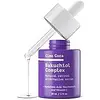
This anti-aging serum is formulated around Bakuchiol and Niacinamide to soften the look of wrinkles and refine skin texture.
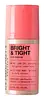
This brightening eye moisturizer is formulated around Tranexamic Acid and Tetrahexyldecyl Ascorbate to brighten dull-looking skin and soften the look of wrinkles.


What's inside
What's inside
 Key Ingredients
Benefits
Concerns
No concerns
Ingredients Side-by-side
Water
Skin ConditioningButylene Glycol
Humectant

Glycerin
Humectant
Panthenol
Skin Conditioning

Niacinamide
Smoothing







Betaine
Humectant
Sodium Hyaluronate
Humectant
Pentylene Glycol
Skin Conditioning
1,2-Hexanediol
Skin Conditioning
Ascorbic Acid
Antioxidant

Ammonium Acryloyldimethyltaurate/Vp Copolymer
Avena Sativa Kernel Extract
Abrasive
Hydroxyacetophenone
Antioxidant
Carnosine
Skin Conditioning
Bakuchiol
Antimicrobial
Piper Methysticum Root Extract
Skin ConditioningPhellodendron Amurense Bark Extract
Skin ConditioningWater, Butylene Glycol, Glycerin, Panthenol, Niacinamide, Betaine, Sodium Hyaluronate, Pentylene Glycol, 1,2-Hexanediol, Ascorbic Acid, Ammonium Acryloyldimethyltaurate/Vp Copolymer, Avena Sativa Kernel Extract, Hydroxyacetophenone, Carnosine, Bakuchiol, Piper Methysticum Root Extract, Phellodendron Amurense Bark Extract
Water
Skin ConditioningPropanediol
Solvent
Caprylic/Capric Triglyceride
Masking
Coco-Caprylate
Emollient
Tranexamic Acid
Astringent
Dimethicone
Emollient
Glycerin
Humectant
Squalane
Emollient
Mangifera Indica Seed Butter
Skin Conditioning

Stearic Acid
Cleansing
Cetearyl Alcohol
Emollient


Dilinoleic Acid/Propanediol Copolymer
EmollientArachidyl Alcohol
Emollient
Butylene Glycol
Humectant
Hydrogenated Polydecene
EmollientBis-Diglyceryl Polyacyladipate-2
Emollient
Tetrahexyldecyl Ascorbate
Antioxidant
Bakuchiol
Antimicrobial
Nicotiana Benthamiana Hexapeptide-40 Sh-Polypeptide-76
Skin Conditioning
Palmitoyl Tripeptide-5
Skin Conditioning
Ascorbyl Glucoside
Antioxidant
3-O-Ethyl Ascorbic Acid
Skin Conditioning
Coffea Arabica Seed Extract
Masking
Sodium Hyaluronate
Humectant
Glycyrrhiza Glabra Root Extract
Bleaching
Cedrus Atlantica Bark Extract
Perfuming


Caffeine
Skin Conditioning
Oryza Sativa Bran Extract
Skin Conditioning
Pistacia Lentiscus Gum
MaskingBacillus Ferment
Skin Conditioning
Leuconostoc/Radish Root Ferment Filtrate
Antimicrobial
Vaccinium Myrtillus Fruit Extract
Skin ConditioningSodium PCA
Humectant
Allantoin
Skin Conditioning
Silica
Abrasive
Rosmarinus Officinalis Leaf Extract
AntimicrobialBisabolol
Antioxidant
Helianthus Annuus Extract
Emollient
Xanthan Gum
EmulsifyingGlucose
Humectant
Tocopherol
Antioxidant
Sorbitan Isostearate
Emulsifying
Phospholipids
Skin Conditioning
Phytonadione
Lecithin
Emollient
Glyceryl Caprylate
EmollientPolyglyceryl-3 Caprate
EmulsifyingGlyceryl Caprylate/Caprate
EmollientEthylhexyl Palmitate
Emollient
C12-15 Alkyl Benzoate
AntimicrobialBehenyl Alcohol
Emollient
Phenoxyethanol
Preservative
Sorbitan Sesquioleate
Emulsifying
1,2-Hexanediol
Skin Conditioning
Caprylyl Glycol
Emollient
Cetearyl Glucoside
Emulsifying
Arachidyl Glucoside
EmulsifyingHydroxyacetophenone
Antioxidant
Citric Acid
Buffering
Hydroxyethyl Acrylate/Sodium Acryloyldimethyl Taurate Copolymer
Emulsion StabilisingSodium Phytate
ChelatingSodium Polyacrylate
Absorbent
Pentylene Glycol
Skin Conditioning
Dicaprylyl Carbonate
EmollientSilica Dimethyl Silylate
EmollientTitanium Dioxide
Cosmetic Colorant

CI 77891
Cosmetic ColorantMica
Cosmetic ColorantIron Oxides
CI 77492
Cosmetic ColorantCI 77491
Cosmetic ColorantWater, Propanediol, Caprylic/Capric Triglyceride, Coco-Caprylate, Tranexamic Acid, Dimethicone, Glycerin, Squalane, Mangifera Indica Seed Butter, Stearic Acid, Cetearyl Alcohol, Dilinoleic Acid/Propanediol Copolymer, Arachidyl Alcohol, Butylene Glycol, Hydrogenated Polydecene, Bis-Diglyceryl Polyacyladipate-2, Tetrahexyldecyl Ascorbate, Bakuchiol, Nicotiana Benthamiana Hexapeptide-40 Sh-Polypeptide-76, Palmitoyl Tripeptide-5, Ascorbyl Glucoside, 3-O-Ethyl Ascorbic Acid, Coffea Arabica Seed Extract, Sodium Hyaluronate, Glycyrrhiza Glabra Root Extract, Cedrus Atlantica Bark Extract, Caffeine, Oryza Sativa Bran Extract, Pistacia Lentiscus Gum, Bacillus Ferment, Leuconostoc/Radish Root Ferment Filtrate, Vaccinium Myrtillus Fruit Extract, Sodium PCA, Allantoin, Silica, Rosmarinus Officinalis Leaf Extract, Bisabolol, Helianthus Annuus Extract, Xanthan Gum, Glucose, Tocopherol, Sorbitan Isostearate, Phospholipids, Phytonadione, Lecithin, Glyceryl Caprylate, Polyglyceryl-3 Caprate, Glyceryl Caprylate/Caprate, Ethylhexyl Palmitate, C12-15 Alkyl Benzoate, Behenyl Alcohol, Phenoxyethanol, Sorbitan Sesquioleate, 1,2-Hexanediol, Caprylyl Glycol, Cetearyl Glucoside, Arachidyl Glucoside, Hydroxyacetophenone, Citric Acid, Hydroxyethyl Acrylate/Sodium Acryloyldimethyl Taurate Copolymer, Sodium Phytate, Sodium Polyacrylate, Pentylene Glycol, Dicaprylyl Carbonate, Silica Dimethyl Silylate, Titanium Dioxide, CI 77891, Mica, Iron Oxides, CI 77492, CI 77491
Reviews
Ingredients Explained
These ingredients are found in both products.
Ingredients higher up in an ingredient list are typically present in a larger amount.
1,2-Hexanediol is a synthetic liquid and another multi-functional powerhouse.
It is a:
- Humectant, drawing moisture into the skin
- Emollient, helping to soften skin
- Solvent, dispersing and stabilizing formulas
- Preservative booster, enhancing the antimicrobial activity of other preservatives
Bakuchiol is a plant-derived antioxidant from the seeds of the Psoralea corylifolia plant. It has antimicrobial, emollient, skin conditioning, and antioxidant properties.
You'll likely see it called a "retinol replacement" but the two are technically not related. This is because bakuchiol is able to flip many of the same switches in your skin cells to tell them to:
1) produce more collagen (type I, III, and IV)
2) activate the same genes retinoids do
Unlike retinoids, this ingredient will not increase photosensitivity and is safe to use during pregnancy (but please still check in with your doctor!).
The flagship clinical trial from Dhaliwal et al. 2019 found 0.5% bakuchiol (twice daily) and 0.5% retinol (once daily) reduced wrinkles and hyperpigmentation equally, but bakuchiol had significantly less irritation.
Systematic reviews also back this up:
Bakuchiol is comparable to retinol for photoaging but with better tolerability. It also has mild antibacterial properties against Cutibacterium acnes and antifungal activity in vitro against Candida and dermatophytes.
The reason bakuchiol works well is due to its structure; it is a meroterpene phenol, or a hybrid molecule. The phenol half acts as an antioxidant while the terpene half is fat-loving. This helps the molecule slip through the skin barrier.
This ingredient is usually used between 0.5-2%. Only one case of contact dermatitis has ever been reported for this ingredient.
Learn more about BakuchiolButylene Glycol (or BG) is used within cosmetic products for a few different reasons:
Overall, Butylene Glycol is a safe and well-rounded ingredient that works well with other ingredients.
Though this ingredient works well with most skin types, some people with sensitive skin may experience a reaction such as allergic rashes, closed comedones, or itchiness.
Learn more about Butylene GlycolGlycerin (or glycerol) is a compound naturally found in your skin. It's a powerhouse humectant that pulls water into the stratum corneum.
Topically, glycerin does several things at once:
Your skin makes glycerin on its own (mostly from sebaceous oil breakdown) and shuttles it to your outermost layer of skin, or your epidermis, via aquaporin-3.
Aquaporin-3 is a transporter that is essential for normal skin hydration, elasticity, and repair. Interestingly, mice lacking in AQP3 have dry and less elastic skin that can be fully corrected with glycerin.
This ingredient is non-irritating, plays well with almost every ingredient, and works across all skin types. Typical use is anywhere between 3-10% but can go up to 79% in some leave-on products.
Just know very high concentrations (>40%) can feel tacky in low humidity.
Glycerin is the name for this ingredient in American English. British English uses Glycerol/Glycerine.
Learn more about GlycerinHydroxyacetophenone is a small phenolic molecule that earns its place in a formulas as an antioxidant and preservative booster.
As a phenol, it is able to neutralize free radicals to protect both the product and the skin from oxidative stress.
Though it can't kill microbes on its own, it works as a good supporting agent when combined with other preservatives like Phenoxyethanol or 1,2-Hexanediol.
This ingredient naturally occurs as piceol in Norwegian spruce needles (~0.4-1.1% dry weight and in cloudberries). Though the cosmetic-grade material is synthesized for purity and consistency.
You'll usually see it used at low levels and suppliers recommend up to 1% added to a water phase.
Safety testing was done at concentrations like 0.05% in SPF products and 0.5% in a Human Repeated Insult Patch Test. The safety evidence is assuring; this ingredient is safe for cosmetics in current use and also holds safety status as a food flavoring as well.
An honest caveat: the "soothing" and "anti-inflammatory" claims come mostly from supplier marketing rather than published clinical trials. The Cosmetic Ingredient Review's own literature search found no useful efficacy studies on this ingredient.
So the antioxidant and preservative-boosting roles are the well supported ones while the calming benefit is plausible but thinly evidenced.
Overall, this is a well-tolerated, low-irritation multitasker that quietly helps a formula stay fresh and stable.
Learn more about HydroxyacetophenonePentylene Glycol (1,2-pentanediol) is a multitasking little diol with three main roles in a formula:
Research on alkanediols (the family pentylene glycol belongs to) show they work by disrupting microbial cell membranes. This disruption helps the primary preservative system in a product work more effectively at lower doses.
On the safety side, the Cosmetic Ingredient Review Expert Panel has concluded this ingredient to be safe as used in current cosmetic practices + concentrations.
Typical use levels in a formula run about 1-5%.
Learn more about Pentylene GlycolSodium Hyaluronate is the salt form of hyaluronic acid. It is a long sugar chain that is naturally found in your skin, joints, and connective tissue that maintains hydration and elasticity.
In skincare, it works as a humectant. It pulls water from the environment and deeper layers of skin and binds it to the surface.
Interestingly, the size of the molecule affects its behavior:
Some clinical evidence links low molecular weight versions to improved wrinkle depth, elasticity, anti-inflammatory effects, and barrier repair.
Many serums use a blend of both weights so you can get surface hydration plus longer-lasting and deeper effects.
You'll typically see concentrations between 0.1-2% for this ingredient.
Learn more about Sodium HyaluronateWater. It's the most common cosmetic ingredient of all. You'll usually see it at the top of ingredient lists, meaning that it makes up the largest part of the product.
So why is it so popular? Water most often acts as a solvent - this means that it helps dissolve other ingredients into the formulation.
You'll also recognize water as that liquid we all need to stay alive. If you see this, drink a glass of water. Remember to stay hydrated!
Learn more about Water

