
What's inside
What's inside
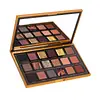 Key Ingredients
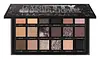
Benefits
Concerns
Ingredients Side-by-side
Cocoglycerides
Emollient


Bis-Diglyceryl Polyacyladipate-2
Emollient
Silica
Abrasive


Mica
Cosmetic ColorantCopernicia Cerifera Wax
Vp/Eicosene Copolymer
Ricinus Communis Seed Oil
Masking

Tribehenin
Emollient
Caprylic/Capric Triglyceride
Masking
Sucrose Acetate Isobutyrate
Cetyl Alcohol
Emollient
Synthetic Beeswax
Emulsion Stabilising
Pentaerythrityl Tetra-Di-T-Butyl Hydroxyhydrocinnamate
Antioxidant
Synthetic Fluorphlogopite
Calcium Sodium Borosilicate
Hydrogenated Ethylhexyl Olivate
EmollientDimethicone
Emollient

C10-18 Triglycerides
Emollient
Octyldodecanol
Emollient
Hydrogenated Vegetable Oil
Emollient

Polyhydroxystearic Acid
Emulsifying
Dodecane
Emollient
Coconut Alkanes
Emollient
Disteardimonium Hectorite
StabilisingOctyldodecyl Stearoyl Stearate
Emollient
Ethylhexyl Polyhydroxystearate
EmollientHydrogenated Olive Oil Unsaponifiables
Emollient
Propylene Carbonate
SolventPropanediol
Solvent
Decylene Glycol
Skin ConditioningNeopentyl Glycol Diethylhexanoate
Emollient
1,2-Hexanediol
Skin Conditioning
Dimethicone/Vinyl Dimethicone Crosspolymer
Skin Conditioning
Simmondsia Chinensis Seed Oil
Emollient
Coco-Caprylate/Caprate
Emollient
Caprylhydroxamic Acid
ChelatingCalcium Aluminum Borosilicate
Tin Oxide
Abrasive
Talc
Abrasive
Aluminum Starch Octenylsuccinate
Absorbent
Zea Mays Starch
Absorbent
Magnesium Myristate
Cetearyl Ethylhexanoate
Emollient
Lauroyl Lysine
Skin Conditioning
Oryza Sativa Powder
Pentaerythrityl Tetraisostearate
Emollient
Butyrospermum Parkii Butter
Skin Conditioning
Magnesium Stearate
Cosmetic ColorantPolybutene
Synthetic Wax
Abrasive
Zinc Stearate
Cosmetic ColorantDiisostearyl Malate
EmollientStearyl Dimethicone
Emollient
Trimethylsiloxysilicate
Emollient
Dibutyl Lauroyl Glutamide
Skin ConditioningDibutyl Ethylhexanoyl Glutamide
Skin ConditioningEthylhexylglycerin
Skin ConditioningHydrogenated Polyisobutene
EmollientEthylene/Propylene/Styrene Copolymer
Butylene/Ethylene/Styrene Copolymer
Hydrated Silica
Abrasive
Phenylisopropyl Dimethicone
Skin Conditioning
Triethylhexanoin
MaskingC30-45 Alkyl Dimethicone
Skin Conditioning
Cetyl PEG/PPG-10/1 Dimethicone
Emulsifying
Sorbitan Sesquioleate
Emulsifying
Dimethiconol
Emollient
Helianthus Annuus Seed Oil
Emollient
Tocopherol
Antioxidant




Beta-Sitosterol
Emulsion Stabilising
Squalene
Emollient
CI 16035
Cosmetic ColorantCI 19140
Cosmetic ColorantCI 42090
Cosmetic ColorantCI 75470
Cosmetic ColorantAlumina
Abrasive
CI 77000
Cosmetic ColorantUltramarines
CI 77007
Cosmetic ColorantCopper Powder
AntimicrobialCI 77400
Cosmetic ColorantCI 77491
Cosmetic ColorantIron Oxides
CI 77492
Cosmetic ColorantCI 77742
Cosmetic ColorantTitanium Dioxide
Cosmetic Colorant

Cocoglycerides, Bis-Diglyceryl Polyacyladipate-2, Silica, Mica, Copernicia Cerifera Wax, Vp/Eicosene Copolymer, Ricinus Communis Seed Oil, Tribehenin, Caprylic/Capric Triglyceride, Sucrose Acetate Isobutyrate, Cetyl Alcohol, Synthetic Beeswax, Pentaerythrityl Tetra-Di-T-Butyl Hydroxyhydrocinnamate, Synthetic Fluorphlogopite, Calcium Sodium Borosilicate, Hydrogenated Ethylhexyl Olivate, Dimethicone, C10-18 Triglycerides, Octyldodecanol, Hydrogenated Vegetable Oil, Polyhydroxystearic Acid, Dodecane, Coconut Alkanes, Disteardimonium Hectorite, Octyldodecyl Stearoyl Stearate, Ethylhexyl Polyhydroxystearate, Hydrogenated Olive Oil Unsaponifiables, Propylene Carbonate, Propanediol, Decylene Glycol, Neopentyl Glycol Diethylhexanoate, 1,2-Hexanediol, Dimethicone/Vinyl Dimethicone Crosspolymer, Simmondsia Chinensis Seed Oil, Coco-Caprylate/Caprate, Caprylhydroxamic Acid, Calcium Aluminum Borosilicate, Tin Oxide, Talc, Aluminum Starch Octenylsuccinate, Zea Mays Starch, Magnesium Myristate, Cetearyl Ethylhexanoate, Lauroyl Lysine, Oryza Sativa Powder, Pentaerythrityl Tetraisostearate, Butyrospermum Parkii Butter, Magnesium Stearate, Polybutene, Synthetic Wax, Zinc Stearate, Diisostearyl Malate, Stearyl Dimethicone, Trimethylsiloxysilicate, Dibutyl Lauroyl Glutamide, Dibutyl Ethylhexanoyl Glutamide, Ethylhexylglycerin, Hydrogenated Polyisobutene, Ethylene/Propylene/Styrene Copolymer, Butylene/Ethylene/Styrene Copolymer, Hydrated Silica, Phenylisopropyl Dimethicone, Triethylhexanoin, C30-45 Alkyl Dimethicone, Cetyl PEG/PPG-10/1 Dimethicone, Sorbitan Sesquioleate, Dimethiconol, Helianthus Annuus Seed Oil, Tocopherol, Beta-Sitosterol, Squalene, CI 16035, CI 19140, CI 42090, CI 75470, Alumina, CI 77000, Ultramarines, CI 77007, Copper Powder, CI 77400, CI 77491, Iron Oxides, CI 77492, CI 77742, Titanium Dioxide
Mica
Cosmetic ColorantOryza Sativa Powder
Silica
Abrasive
Magnesium Myristate
Cocoglycerides
Emollient
Pentaerythrityl Tetraisostearate
Emollient
Propanediol
Solvent
Decylene Glycol
Skin ConditioningButyrospermum Parkii Butter
Skin Conditioning
Magnesium Stearate
Cosmetic ColorantC10-18 Triglycerides
Emollient
1,2-Hexanediol
Skin Conditioning
Lauroyl Lysine
Skin Conditioning
Caprylhydroxamic Acid
ChelatingCI 16035
Cosmetic ColorantCI 19140
Cosmetic ColorantCI 75470
Cosmetic ColorantUltramarines
CI 77007
Cosmetic ColorantCI 77491
Cosmetic ColorantIron Oxides
CI 77492
Cosmetic ColorantCI 77510
Cosmetic ColorantCI 77742
Cosmetic ColorantTitanium Dioxide
Cosmetic Colorant
Synthetic Fluorphlogopite
Hydrogenated Polyisobutene
EmollientDimethicone
Emollient
Calcium Aluminum Borosilicate
Zinc Stearate
Cosmetic ColorantTrimethylsiloxysilicate
Emollient
Ethylene/Propylene/Styrene Copolymer
Tin Oxide
Abrasive
Butylene/Ethylene/Styrene Copolymer
Pentaerythrityl Tetra-Di-T-Butyl Hydroxyhydrocinnamate
Antioxidant
Kaolin
Abrasive
Octyldodecyl Stearoyl Stearate
Emollient
Polyglyceryl-3 Diisostearate
Emulsifying
Phenyl Trimethicone
Skin Conditioning
Polyhydroxystearic Acid
Emulsifying
CI 77266
Cosmetic ColorantDiisostearyl Malate
EmollientStearyl Dimethicone
Emollient
Ethylhexylglycerin
Skin ConditioningHydrogenated Ethylhexyl Olivate
EmollientCalcium Sodium Borosilicate
Octyldodecanol
Emollient
Cetearyl Ethylhexanoate
Emollient
Simmondsia Chinensis Seed Oil
Emollient
Hydrated Silica
Abrasive
Polybutene
Dodecane
Emollient
C30-45 Alkyl Dimethicone
Skin Conditioning
Phenylisopropyl Dimethicone
Skin Conditioning
Hydrogenated Vegetable Oil
Emollient
Triethylhexanoin
MaskingSucrose Acetate Isobutyrate
Coconut Alkanes
Emollient
Hydrogenated Olive Oil Unsaponifiables
Emollient
Disteardimonium Hectorite
StabilisingCetyl PEG/PPG-10/1 Dimethicone
Emulsifying
Ethylhexyl Polyhydroxystearate
EmollientPropylene Carbonate
SolventSorbitan Sesquioleate
Emulsifying
Neopentyl Glycol Diethylhexanoate
Emollient
Dimethiconol
Emollient
Dimethicone/Vinyl Dimethicone Crosspolymer
Skin Conditioning
Coco-Caprylate/Caprate
Emollient
Helianthus Annuus Seed Oil
Emollient
Tocopherol
Antioxidant
Beta-Sitosterol
Emulsion Stabilising
Squalene
Emollient
CI 77000
Cosmetic ColorantEthylhexyl Palmitate
Emollient
Caprylic/Capric Triglyceride
Masking
Alumina
Abrasive
Hydrogenated Styrene/Butadiene Copolymer
Tris-BHT Mesitylene
Antioxidant
Synthetic Wax
Abrasive
Dibutyl Lauroyl Glutamide
Skin ConditioningDibutyl Ethylhexanoyl Glutamide
Skin ConditioningMica, Oryza Sativa Powder, Silica, Magnesium Myristate, Cocoglycerides, Pentaerythrityl Tetraisostearate, Propanediol, Decylene Glycol, Butyrospermum Parkii Butter, Magnesium Stearate, C10-18 Triglycerides, 1,2-Hexanediol, Lauroyl Lysine, Caprylhydroxamic Acid, CI 16035, CI 19140, CI 75470, Ultramarines, CI 77007, CI 77491, Iron Oxides, CI 77492, CI 77510, CI 77742, Titanium Dioxide, Synthetic Fluorphlogopite, Hydrogenated Polyisobutene, Dimethicone, Calcium Aluminum Borosilicate, Zinc Stearate, Trimethylsiloxysilicate, Ethylene/Propylene/Styrene Copolymer, Tin Oxide, Butylene/Ethylene/Styrene Copolymer, Pentaerythrityl Tetra-Di-T-Butyl Hydroxyhydrocinnamate, Kaolin, Octyldodecyl Stearoyl Stearate, Polyglyceryl-3 Diisostearate, Phenyl Trimethicone, Polyhydroxystearic Acid, CI 77266, Diisostearyl Malate, Stearyl Dimethicone, Ethylhexylglycerin, Hydrogenated Ethylhexyl Olivate, Calcium Sodium Borosilicate, Octyldodecanol, Cetearyl Ethylhexanoate, Simmondsia Chinensis Seed Oil, Hydrated Silica, Polybutene, Dodecane, C30-45 Alkyl Dimethicone, Phenylisopropyl Dimethicone, Hydrogenated Vegetable Oil, Triethylhexanoin, Sucrose Acetate Isobutyrate, Coconut Alkanes, Hydrogenated Olive Oil Unsaponifiables, Disteardimonium Hectorite, Cetyl PEG/PPG-10/1 Dimethicone, Ethylhexyl Polyhydroxystearate, Propylene Carbonate, Sorbitan Sesquioleate, Neopentyl Glycol Diethylhexanoate, Dimethiconol, Dimethicone/Vinyl Dimethicone Crosspolymer, Coco-Caprylate/Caprate, Helianthus Annuus Seed Oil, Tocopherol, Beta-Sitosterol, Squalene, CI 77000, Ethylhexyl Palmitate, Caprylic/Capric Triglyceride, Alumina, Hydrogenated Styrene/Butadiene Copolymer, Tris-BHT Mesitylene, Synthetic Wax, Dibutyl Lauroyl Glutamide, Dibutyl Ethylhexanoyl Glutamide
Ingredients Explained
These ingredients are found in both products.
Ingredients higher up in an ingredient list are typically present in a larger amount.
1,2-Hexanediol is a synthetic liquid and another multi-functional powerhouse.
It is a:
- Humectant, drawing moisture into the skin
- Emollient, helping to soften skin
- Solvent, dispersing and stabilizing formulas
- Preservative booster, enhancing the antimicrobial activity of other preservatives
Alumina (aka aluminum oxide) is an inorganic mineral powder refined from bauxite that works as a quiet workhorse in a formula.
It shows up often as an abrasive, absorbent, anticaking, bulking, and viscosity-controlling agent.
One of its most common jobs is acting as a pigment carrier and dispersant.
Alumina platelets are often blended with inorganic sunscreens like Titanium Dioxide (or with colorants) and then coated with a silicone such as Triethoxycaprylylsilane so the pigment spreads evenly and smoothly.
In makeup, it can also double as a light-diffusing powder or oil absorber to keep formulas from looking greasy.
The Cosmetic Ingredient Review Expert Panel has concluded alumina to be safe in present practices of use and concentration.
They note it's a stable, oxidized compound and scientific research has failed to establish links to health issues.
Concentrations vary depending on the product:
Learn more about AluminaBeta-Sitosterol is a plant-derived fatty acid with a structure similar to cholesterol (which naturally occurs in skin). It helps hydrate the skin and stabilize formulations.
This ingredient can be naturally found in fruits, veggies, nuts, and seeds.
This ingredient is a high-molecular weight synthetic polymer. It is used to modify the viscosity of a formula, improve slip, and create a more "cushiony" texture.
Due to its large molecular size, this ingredient is not absorbed into the skin.
This ingredient is also known as shea butter. It is a plant-derived extract from the nuts of the Africa shea tree and one of the most well-studied emollients.
Because it has a high concentration of fatty acids (primarily oleic, stearic, and linoleic) it is able to form a protective barrier on the skin's surface. This helps seal in moisture and prevents transepidermal water loss (TEWL).
In vitro research found an increase in skin hydration by 58% and a decrease in TEWL by 37.8% after 24 hours of applying this ingredient (pretty impressive for a single ingredient!).
Besides hydration, shea butter also contains triterpenes that have anti-inflammatory potential. In particule, lupeol cinnamate has shown the highest anti-inflammatory activity in vivo.
Shea butter also contains vitamins A and E which may contribute to antioxidant activity.
While Shea Butter has an SPF rating of about 3-4, it is not a sunscreen replacement.
This ingredient may not be fungal acne safe because its fatty acids fall within the C11-C24 range that the Malassezia yeast can metabolize.
This ingredient shows up on a lot of "pore-clogging" lists but there's no real evidence behind that. It doesn't even have a comedogenic rating from an actual study; the numbers you'll find online come from blogs citing other blogs.
Ratings for other ingredients mostly come from a 1980s rabbit ear test. This test doesn't translate well to human skin or to real products because the ingredient sits at a much lower percentage.
Some people still find it breaks them out. So if that's you, definitely trust your skin. Just know this one's based on experience and not evidence.
Learn more about Butyrospermum Parkii ButterC10-18 Triglycerides is a skin conditioning and texture-enhancer.
It is created from glycerin and a mixture of C10-18 fatty acids.
This ingredient improves spreadability and helps thicken a product.
According to manufacturers, it usually comes from vegetable-based saturated fatty acids. Common bases for this ingredient are coconut oil, palm kernel oil, or both.
Due to the melting point being close to skin temperature, it is usually used in lip products.
Triglycerides are a main component of fat in the human body.
Learn more about C10-18 TriglyceridesC30-45 Alkyl Dimethicone is a type of silicone.
Calcium Aluminum Borosilicate is made up of calcium, aluminum, and silicates. It is a glass-like material. In cosmetics, it comes in the form of flakes or microspheres.
Calcium aluminum borosilicate is a bulking agent, meaning it helps thicken a product.
This ingredient is created by slowly mixing several minerals, including kaolin clay.
Although “aluminum” in an ingredient name can raise red flags for some consumers, the form and usage context matter significantly. For typical topical applications, there is no substantial evidence of health risks - such as cancer, neurotoxicity, or systemic “aluminum overload.”
Learn more about Calcium Aluminum BorosilicateCalcium Sodium Borosilicate is a bulking agent. It is considered a borosilicate glass; it is composed of powder or flakes of calcium and sodium borosilicates.
This ingredient is used to add volume, shine, and color to products. You'll most likely find this ingredient in makeup products.
According to in-vivo and ex-vivo studies done by a manufacturer, this ingredient works well with UV filters:
Learn more about Calcium Sodium BorosilicateCaprylhydroxamic Acid is a chelating agent that helps cosmetics stay fresh, stable, and consistent over time.
Chelating agents help prevent metal ions from binding to other ingredients. This helps prevent unwanted reactions and effects from using the product. It also helps prevent the growth of unwanted microbes in products that contain water.
Caprylhydroxamic Acid is often used with natural antimicrobial products as an alternative to preservatives.
Learn more about Caprylhydroxamic AcidCaprylic/Capric Triglyceride (aka MCT Oil) is a lightweight emollient, solvent, and texture enhancer. It is considered a skin-softener by helping to prevent moisture loss.
Though it behaves like an oil, it is not technically one due to its chemical composition. One perk of this ingredient is that it is very stable, resistant to oxidation, and unlikely to go rancid.
In practice, that translates to a long shelf life and a consistently elegant skin feel.
While there is an assumption Caprylic Triglyceride can clog pores due to it being derived from coconut oil, there is no research supporting this. Just patch test if you have concerns.
Fractionated coconut oil and MCT Oil are both listed as Caprylic/Capric Triglyceride according to INCI. This is because INCI names are based on the ingredient’s final chemical composition and not its marketing name or source.
This ingredient is treated as the gold standard fungal acne safe oil. Even though it is coconut derived, the problematic lauric acid is stripped out.
This leaves just caprylic (C8) and capric (C10) acid. These chain lengths actually trend antifungal; a 2020 study found caprylic acid was enough to disrupt Malassezia furfur cell membrane, with a caprylic acid derivative damaging membrane structures at concentrations as low as 0.2%.
Learn more about Caprylic/Capric TriglycerideCetearyl Ethylhexanoate is derived from cetearyl alcohol and sorbic acid.
It is an emollient and helps hydrate the skin. Emollients form a barrier on the skin to prevent water from escaping.
This ingredient is a silicone-based emulsifer that helps the water and oil phases play nicely together.
It's pretty effective because one end of the molecule loves oil and the other one loves water.
Besides holding formulas together, it also leaves a silky and lightweight feel on skin without the greasiness. A manufacturer also claims it can help with the controlled release of active ingredients.
The CIR Expert Panel found this ingredient to not be sensitizing in concentrations up to 15% in human maximazation testing and dimethicone-based compounds were not comedogenic.
It has a high molecular weight well above 1,000 g/mol which means it limits meaningful skin penetration.
A 2019 study specifically tested this ingredient and found no observable Malassezia growth in its presence.
Learn more about Cetyl PEG/PPG-10/1 DimethiconeCi 16035 is a synthetic dark-red dye. This dye is created from an acid called Allura red AC, an azo dye.
Azo dyes need to be purified thoroughly before use. This makes them more stable and longer lasting.
This dye is commonly used in foods, approved by both the FDA and EFSA.
Learn more about CI 16035CI 19140 is also known as Tartrazine. Tartrazine is a synthetic dye used in cosmetics, foods, and medicine to add a yellow color.
Tartrazine is created from petroleum and is water-soluble.
Some people may experience allergies from this dye, especially asthmatics and those with an aspirin intolerance.
Learn more about CI 19140Ci 75470 is a bright-red pigment. It is AKA carmine.
Carmine is derived from insects such as the cochineal beetle. This ingredient has been used as a natural dye for over 2000 years.
We don't have a description for CI 77000 yet.
This pigment is called Ultramarine blue lazurite. It gives a saturated blue color, but can be used to create other colors as well.
According to the manufacturer, it is usually made from kaolin, sodium sulfate, sodium carbonate, sulfur, and charcoal.
Ci 77491 is also hydrated iron III oxide. It's sole purpose is to give a red/pink hue to products.
Iron III oxides are classified as inorganic chemicals for coloring.
Synthetically created Ci 77491 is considered safer than those naturally found. This is because the synthetically created version may contain less impurities. Iron oxides are generally non-toxic and non-allergenic.
Learn more about CI 77491CI 77492 is also hydrated iron III oxide. It's sole purpose is to give a yellow hue to products.
Iron III oxides are classified as inorganic chemicals for coloring.
Synthetically created CI 77492 is considered safer than those naturally found. This is because the synthetically created version may contain less impurities. Iron oxides are generally non-toxic and non-allergenic.
Learn more about CI 77492This ingredient is used to add a violet color to cosmetics.
It is created by reacting phosphoric acid, ammonium dihydrogen orthophosphate, and manganese dioxide.
Coco-Caprylate/Caprate is a lightweight ester created from coconut oil fatty acids, caprylic acid, and capric acid.
It is an emollient that helps soften skin and reduce transepidermal water loss (TEWL). What sets it apart from heavier emollients is its ultralight, non-greasy feel.
Once applied, this ingredient dries down quickly and leaves a dry, silky finish behind. This also helps improve spreadability and texture.
This ingredient has an excellent safety-record and is non-irritating.
Typical concentrations for cosmetics range from 0.5-62%.
Research on Malassezia growth found no growth on fatty acid esters with chain lengths shorter than 12 carbons (it prefers C11-24).
Since Coco-Caprylate/Caprate is built on C8 and C10 fatty acids, it is out of the range that Malassezia metabolizes, and therefore safe for fungal acne.
Learn more about Coco-Caprylate/CaprateCocoglycerides is made from the mono, di and triglycerides of coconut oil. It is an emollient and emulsifer.
Emollients are a type of moisturizer. They create a thin film on top of the skin. This film prevents moisture from escaping, keeping the skin hydrated.
Emulsifiers prevent ingredients from separating. Examples of this include oils and water, which naturally do not mix. Emulsifiers helps elongate the shelf life of a product. They also help the product stay consistent in texture.
Learn more about CocoglyceridesThis is a lightweight, plant-derived emollient and solvent made from the fatty acids of coconut oil.
It spreads easily and adds a soft, silky, non-greasy slip, then evaporates rather than sinking into skin. Due to this behavior, it's prized as a natural and renewable replacement for silicones.
Typical use concentrations can go anywhere up to 20%.
The CIR Expert Panel has reviewed coconut oil and its hydrogenated derivatives and found them to be safe as used in cosmetics. It's a low-irritating and well-tolerated ingredient with no notable sensitization concerns.
Because it's a pure saturated hydrocarbon and not a free fatty acid or ester in the C11-24 range that Malassezia can feed on, it doesn't provide the lipids for Malassezia to feed on. This ingredient is generally regarded as safe for fungal acne.
There's no comedogenicity data for this specific ingredient; the "coconut clogs pores" reputation comes from coconut oil which scored high on the old rabbit ear assay.
That method tested pure ingredients on rabbit ears and later work showed the results translate inconsistently to human skin.
Some people still find it breaks them out. So if that's you, definitely trust your skin.
Learn more about Coconut AlkanesWe don't have a description for Decylene Glycol yet.
We don't have a description for Dibutyl Ethylhexanoyl Glutamide yet.
We don't have a description for Dibutyl Lauroyl Glutamide yet.
Diisostearyl Malate is an emollient and most often used in lip products. It comes from isostearyl alcohol, a fatty acid, and malic acid, an AHA.
As an emollient, Diisostearyl Malate helps create a thin film on your skin to trap moisture in. This helps keep your skin soft and smooth.
Dimethicone is a type of synthetic silicone created from natural materials such as quartz. It is also known as polydimethylsiloxane.
What it does:
Dimethicone comes in different viscosities:
Depending on the viscosity, dimethicone has different properties.
Ingredients lists don't always show which type is used, so we recommend reaching out to the brand if you have questions about the viscosity.
This ingredient is unlikely to cause irritation because it does not get absorbed into skin. However, people with silicone allergies should be careful about using this ingredient.
Note: Dimethicone may contribute to pilling. This is because it is not oil or water soluble, so pilling may occur when layered with products. When mixed with heavy oils in a formula, the outcome is also quite greasy.
Learn more about DimethiconeThis ingredient is a silicone elastomer that works as a texture enhancer, adds a silky slip, and also helps absorb excess oil.
Because it's a large macromolecule that's insoluble in water and chemically inert, it's not expected to penetrate or be absorbed into skin.
Human patch tests with a facial lotion containing 1% of this ingredient found no sensitization.
Learn more about Dimethicone/Vinyl Dimethicone CrosspolymerDimethiconol is a silicone that resembles the popular dimethicone. Like other silicones, it is an emollient. Emollients create a thin film on skin to prevent moisture from escaping.
This ingredient helps to create a silky texture and improve spreadability. Due to its high molecular weight and thickness, it is often combined with cyclopentasiloxane.
Disteardimonium Hectorite comes from the clay mineral named hectorite. It is used to add thickness to a product.
It can also help stabilize a product by helping to disperse other ingredients.
Hectorite is a rare, white clay mineral.
Learn more about Disteardimonium HectoriteDodecane is a lightweight alkane hydrocarbon that functions as an emollient, texture enhancer, and fragrance.
According to a manufacturer, it evaporates fast on skin and leaves behind a non-greasy and velvety finish. This also helps other ingredients like UV filters and pigments distribute evenly.
In 2020, the Research Institute for Fragrance Materials (RIFM) reviewed dodecane and found it to clear all tests. The amount typically used in cosmetics is also well below the threshold where skin allergies would be a concern.
This ingredient can be sourced from either petroleum fractionation or plant-based feedstocks.
Learn more about DodecaneThis is a synthetic polymer used to thicken formulas, improve texture, and enhance spreadability.
Due to its large molecule size, this ingredient does not penetrate the skin and is considered well-tolerated.
We don't have a description for Ethylhexyl Polyhydroxystearate yet.
Ethylhexylglycerin is created from glycerin. It is a multitasker ingredient that:
The CIR Expert Panel found minimal skin absorption or sensitization of any kind in a safety assessment. Though this ingredient is considered well-tolerated, a small number of cases of allergic dermatitis have been published since 2002. Just be sure to patch test if you are unsure.
Industry-reported use ranges from 8% in rinse-off products and 2% in leave-on formulations.
Learn more about EthylhexylglycerinHelianthus Annuus Seed Oil is a plant oil derived from the seeds of a sunflower.
It is rich in fatty acids, primarily linoleic acid and oleic acid. This gives it emollient and skin conditioning properties.
The reason this ingredient is so effective is because it forms a thin film on the skin that reduces transepidermal water loss (TEWL) while supplying linoleic acid to the stratum corneum to improve barrier strength.
The high linoleic acid content is particularly noteworthy for acne-prone skin.
Research suggests that acne-prone skin tends to be deficient in linoleic acid in sebum. Topical application may help replenish this to support a healthier follicular environment and less comedone-promoting sebum.
One randomized study found sunflower seed oil preserved skin barrier integrity in adult volunteers with and without atopic dermatitis (outperforming olive oil).
This ingredient is well-studied, gentle, and an effective emollient suitable for most skin types.
On fungal acne: This ingredient may not be Fungal acne (Malassezia folliculitis) safe. This is because it contains fatty acids with carbon chain lengths in the C11-C24 range.
Learn more about Helianthus Annuus Seed OilHydrated Silica is a type of silicon dioxide. It is called 'hydrated silica' because it is silica with extra bonded water atoms.
It is an absorbent and abrasive, meaning it is exfoliating.
Silica is often used for absorption and can help reduce shine when products are applied.
Learn more about Hydrated SilicaWe don't have a description for Hydrogenated Ethylhexyl Olivate yet.
Hydrogenated Olive Oil Unsaponifiables are the "leftover" part of olive oil after the fatty acids get turned into soap.
Most of what's left behind is a concentrated blend of squalene, phytosterols, and vitamin E.
Squalene is pretty cool because it's already naturally found in our skin and makes up about 13% of sebum. This makes it a great moisturizing and skin-barrier-supporting ingredient.
This ingredient is typically used at low concentrations (~1-3%) and occasionally up to 25% when acting as the main ingredient in a formula.
Fungal acne note: Though this ingredient is largely free of fatty acid esters that feed Malassezia, it may still have some residual fatty acids depending on the purity. This is why this ingredient is marked as not fungal acne safe.
People with existing olive oil allergies should be cautious as well.
Learn more about Hydrogenated Olive Oil UnsaponifiablesHydrogenated Polyisobutene is a synthetic polymer. Polymers are compounds with high molecular weight. Hydrogenated Polyisobutene is an emollient and texture enhancer.
In one study, Hydrogenated Polyisobutene showed better skin hydration levels than Caprylic/Capric Triglyceride. As an emollient, it helps keep your skin soft and hydrated by trapping moisture in.
Hydrogenated Polyisobutene is often used as a mineral oil replacement.
Learn more about Hydrogenated PolyisobuteneHydrogenated Vegetable Oil isn't a single oil. It's the labeling name for a blend of plant-derived oils that can include canola, rapeseed, safflower, sunflower, sesame, palm, palm kernel, cotton, soybean, olive, and more.
Hydrogenation is the processing step that reduces or removes the unsaturated bonds in the fatty acids to make the oil more resistant to oxidative and thermal damage.
In cosmetics, it acts as a skin conditioner, occlusive, and emollient that give products a rich body.
Concentrations are reported from 0.0004% to 60% with leave-on products going as high as 60% and rinse-off products staying at 8% or below.
The Cosmetic Ingredient Review has concluded this ingredient to be safe as used in cosmetics.
This ingredient does have a comedogenic rating of 3, but this doesn't mean a formula with this ingredient will clog pores. Human testing has proved that any finished product with this ingredient won't automatically make you break out; it really comes down to concentration, formula, and your skin.
Since this ingredient is a triglyceride built mostly from C16 and C18 fatty acids, this ingredient may not be fungal acne safe as that falls into the range the Malassezia yeast can metabolize.
Allergy-wise, the proteins responsible for plant food allergies are taken out of the refined oil. This is why reactions to refined oils are rare even from highly allergenic sources like peanut. Well-designed studies have also shown refined peanut oil is safely tolerated by the vast majority of peanut-allergic people.
However, the issue is with unrefined oils; be sure to reach out to the manufacturer if you have a plant food allergy about the type of oil used in their products.
The other catch for this INCI name is that it doesn't tell you which plants are in the blend so you would need to ask the brand.
Learn more about Hydrogenated Vegetable OilThis ingredient comes from a fatty acid (lauric acid) and amino acid (lysine). It is used to add a silky feel to cosmetics.
According to a manufacturer, its fatty acid base leaves a silky feeling on the skin. It also has emollient properties because of this. Emollients help soften skin by preventing water from evaporating.
Lauroyl lysine is barely soluble in water.
Learn more about Lauroyl LysineMagnesium Myristate is the magnesium salt of myristic acid, a saturated fatty acid that is naturally found in coconut and palm kernel oil.
In formulas, it's used as an anticaker, opacifier, and viscosity controller; it improves adhesion and glide in pressed mineral makeup, works as a non-gelling thickener in eyeliners/mascaras/lipsticks, and doubles as a white opacifier.
There's no published concentration use from surveys so the best available numbers are supplier guidance: 5-10% for loose powders and 2-5% for creamy cosmetics + pressed powder binding.
The CIR Expert Panel reviewed Magnesium Myristate as part of its assessment of myristic acid and its salts and esters, and concluded the whole group is safe as used in cosmetics.
In human studies, Myristic Acid was non-irritating up to 50% and 100% Magnesium Stearate was non-irritating and non-corrosive on skin and non-irritating to the eye.
There are no published contact allergy case reports for this ingredient so allergy risk is low, but not zero for any ingredient.
There is no comedogenic data for Magnesum Myristate. The comedogenic ratings that circulate for "myristates" come from Isopropyl Myristate which is a structurally different ester.
The rabbit-ear models those comedogenic ratings come from have been shown to be unreliable for predicting whether a finished product will clog pores.
Human testing has proved that any finished product with a comedogenic ingredient won't automatically make you break out; it really comes down to concentration, formula, and your skin.
Some people still find it breaks them out. So if that's you, definitely trust your skin.
Learn more about Magnesium MyristateMagnesium Stearate is a salt that is 2 parts stearic acid and 1 part magnesium.
It is a white powder that can be used to add bulk and color to products by binding to oil ingredients.
Mica is a naturally occurring mineral used to add shimmer and color in cosmetics. It can also help improve the texture of a product or give it an opaque, white/silver color.
Serecite is the name for very fine but ragged grains of mica.
This ingredient is often coated with metal oxides like titanium dioxide. Trace amounts of heavy metals may be found in mica, but these metals are not harmful in our personal products.
Mica has been used since prehistoric times throughout the world. Ancient Egyptian, Indian, Greek, Roman, Aztec, and Chinese civilizations have used mica.
Learn more about MicaNeopentyl Glycol Diethylhexanoate is an emollient and texture enhancer. Emollients help hydrate the skin by creating a barrier on top. This barrier prevents moisture from escaping, keeping the skin hydrated.
It is the diester of neopentyl glycol and 2-ethylhexanoic acid.
Octyldodecanol is a fatty alcohol sourced from plant oils like coconut or palm (or made synthetically).
It is:
You'll likely see this in many BHA products because this is the go-to solvent for salicylic acid.
This ingredient is typically used at levels between 2-20%.
Regarding fungal acne:
In 2019, this ingredient was tested against multiple Malassezia species (the yeast that causes fungal acne) and showed no growth.
Octyldodecyl Stearoyl Stearate is an emollient ester that mostly shows up in color cosmetics.
Functionally, it works as a skin-conditioning agent and a viscosity-increasing agent. This just means it helps soften skin while also thickening water-free formulas (like powders).
Despite being a "stearate", it has a lightweight, cushiony, and non-greasy slip.
This ingredient has shown no adverse effects in testing and is deemed safe in cosmetics at current use levels.
Typical concentrations range from 0.7-23%.
Because it is made of C-18 fatty acids (like stearic acid), this ingredient may not be fungal acne safe.
Learn more about Octyldodecyl Stearoyl StearateOryza Sativa Powder is created by grinding dried seeds of rice, Oryza Sativa.
It is used to add volume and increase the thickness of a product. This ingredient may also have mildly exfoliating properties.
Rice contains numerous antioxidants which may help with anti-aging, such as vitamin E.
Learn more about Oryza Sativa PowderPentaerythrityl Tetra-Di-T-Butyl Hydroxyhydrocinnamate (long name, huh?) is a synthetic antioxidant.
It is used to help stabilize other antioxidants or prevent the color from changing in a product.
As an antioxidant, it helps fight free-radical molecules. Free-radical molecules are capable of damaging our cells and other genetic material. Thus, antioxidants may reduce the signs of aging.
This ingredient is oil-soluble.
Learn more about Pentaerythrityl Tetra-Di-T-Butyl HydroxyhydrocinnamatePentaerythrityl Tetraisostearate is a synthetic emollient and "skin-feel" ingredient that spreads well and leaves a non-sticky finish with high gloss.
In makeup, it also doubles as a pigment-wetting agent for better color payoff.
It's a well-vetted ingredient for safety and does not penetrate into skin due to its large molecule size.
Because it's a long-chain fatty acid ester, this ingredient may not be fungal acne or Malassezia safe.
Learn more about Pentaerythrityl TetraisostearatePhenylisopropyl Dimethicone is a type of silicone.
Polybutene is used to help control the viscosity of a product. This just means it helps adjusts the texture.
It is a polymer and does not get absorbed into the skin due to its large size.
Studies found this ingredient did not irritate skin in concentrations below 15%.
Learn more about PolybutenePolyhydroxystearic Acid is a vegetable-derived soft wax made from castor oil. It's an emulsion stabilizer, thickener, and film former.
You'll likely see it in sunscreens because it helps disperse pigments and UV-reflecting minerals like titanium dioxide and zinc oxide evenly.
Depending on the concentration, it can drastically change the texture of a product from pasty solid (like lipstick) to sprayable liquid.
The CIR Expert Panel for Cosmetic Ingredient Safety has concluded this ingredient to be safe in cosmetics. The highest reported use concentration is 14.2% in lipsticks.
Learn more about Polyhydroxystearic AcidPropanediol is an all-star ingredient. It softens, hydrates, and smooths the skin.
It’s often used to:
Propanediol is not likely to cause sensitivity and considered safe to use. It is derived from corn or petroleum with a clear color and no scent.
Learn more about PropanediolThis ingredient is a solvent. It helps dissolve active ingredients and alter the texture of products.
Propylene Carbonate is commonly used in makeup and with clay, such as montmorillonite or bentonite.
Studies show this ingredient to be safe for cosmetics. When it is undiluted, it can cause skin irritation. (It is always diluted in skincare and makeup). This ingredient is water-soluble.
Propylene Carbonate is created from propylene glycol and carbonic acid.
Learn more about Propylene CarbonateSilica, also known as silicon dioxide, is a naturally occurring mineral. It is used as a fine, spherical, and porous powder in cosmetics.
Though it has exfoliant properties, the function of silica varies depending on the product.
The unique structure of silica enhances the spreadability and adds smoothness, making it a great texture enhancer.
It is also used as an active carrier, emulsifier, and mattifier due to its ability to absorb excess oil.
In some products, tiny microneedles called spicules are made from silica or hydrolyzed sponge. When you rub them in, they lightly polish away dead skin layers and enhance the penetration of active ingredients.
Learn more about SilicaJojoba oil is one of the most well-studied plant-derived ingredients in cosmetics. It is an emollient with a special structure.
Because it is made up of 97-98% wax esters, it closely mirrors the linear monoesters found in human sebum. This makes it skin compatible, non-greasy, and lightweight.
Unlike other plant oils, jojoba wax doesn't easily penetrate skin. It mostly works in the uppermost layers as an emollient. This just means it forms a light barrier on the skin to help retain moisture.
Formulations with jojoba esters up to 90% reduced transepidermal water loss (TEWL) and increased barrier recovery by 81% (outperforming bisabolol at 47%).
Besides barrier support, the science also suggests jojoba to have anti-inflammatory effects and potential applications for skin infections, aging, and wound healing.
Fun fact: Indigenous cultures have used jojoba as a moisturizer and to help treat burns for centuries.
Fungal acne: The Malassezia yeast is known to metabolize fatty acids in the C11-24 range and jojoba's dominant fatty acid components fall into this range. This ingredient may not be fungal acne safe.
Learn more about Simmondsia Chinensis Seed OilSorbitan Sesquioleate is derived from sorbitol and oleic acid. It is an emulsifier and prevents ingredients from separating.
Specifically, this ingredient is a water-in-oil emulsifier, meaning it helps water dissolve into oil.
Some studies suggest this ingredient may cause irritation in some people. If you are unsure, it is best to patch test.
This ingredient may not be Malassezia folliculitis, or fungal-acne safe due to the oleic acid. In vitro studies have shown that Oleic Acid is one of the fatty acids that induce rapid Malassezia growth in lab settings.
This ingredient does have a comedogenic rating of 0-1. The original test stated 0-1 meant an ingredient is unlikely to cause comedones.
Just remember human testing has proved that any finished product with a comedogenic ingredient won't automatically make you break out; it really comes down to concentration, formula, and your skin.
Learn more about Sorbitan SesquioleateSqualene is one of the main components of skin surface lipids. It is naturally found in our skin and makes up about 13% of sebum.
Topically, it is an emollient and skin conditioning agent.
Research highlights its role in antioxidant activity, anti-inflammatory effects, skin barrier protection, and wound healing support.
In vivo research has shown that transepidermal water loss (TEWL) caused by irritant exposure can be reverse with squalene supplementation (pointing to barrier recovery support).
Its antioxidant activity is backed by ex vivo and cell-based evidence showing it can scavenge free radicals but large-scale human clinical trials isolating this effect remain limited.
One study found squalene regulated proinflammatory behavior in ways relevant to wound healing, and in vitro fibroblast studies also shows it stimulates cell migration which is a key step in skin repair.
There's just one nuance to know about this ingredient:
Squalene is particularly vulnerable to oxidation; it breaks down from UV exposure 10x faster than the other lipids on your skin's surface. The byproducts of that breakdown can clog pores and trigger inflammation, potentially worsening acne.
This is why squalene is often hydrogenated into its stable counterpart: squalane (with an "a"). Most great formulations will have alreadu kept this in mind.
Squalene has shown no significant clinical evidence of sensitization and is a great hydrating ingredient.
Learn more about SqualeneStearyl Dimethicone is a type of silicone.
We don't have a description for Sucrose Acetate Isobutyrate yet.
Synthetic Fluorphlogopite is the synthethic version of mica. It consists of fluorine, aluminum and silicate.
Synthetic Fluorphlogopite is used to add volume to products.
It is considered non-irritating on the skin.
Learn more about Synthetic FluorphlogopiteSynthetic Wax is a manufactured hydrocarbon wax. In formulas, it works as an occlusive emollient that helps reduce water loss and improves the spreadability of products.
Research comparing synthetic wax to traditional mineral-derived products found that formulas containing it perform as well for skin hydration.
It is considered non-comedogenic and vegan-friendly.
This ingredient has a well-established safety record by the CIR Expert Panel for Cosmetic Ingredient Safety.
Synthetic Waxes are straight/branched-chain hydrocarbons with no ester bond or fatty acids. That means there is nothing for the Malassezia yeast to feed on.
Learn more about Synthetic WaxTin Oxide is an inorganic oxide used to add opacity and volume to a product. In nature, it is already found in mineral form. The main ore of tin is an opaque and shiny mineral called casseterite.
Tin Oxide helps remove translucency in a product, or make it more opaque. Besides adding opacity, tin oxide is used for bulking to add volume.
Titanium Dioxide (TD) is a mineral UV filter widely used in sunscreens and cosmetics.
It's one of only two UV filters officially classified as "mineral" by regulatory agencies (the other being Zinc Oxide).
A really common myth is that mineral filters work by reflecting UV light off your skin like tiny mirrors.
They don't only do that; modern research shows TD protects mostly by absorbing UV radiation, the same way chemical filters do.
When researchers measured this, reflection accounted for only about 4-5% of the protection (and less than SPF 2 on its own). The other ~95% comes from absorption: the UV photons hit the particle and their energy gets soaked up by its semiconductor band gap rather than bouncing off.
So "reflects vs. absorbs" was never really the right way to split mineral from chemical filters.
TD gives broad-spectrum protection that's strongest in the UVB and UVA-2 range and weaker in the UVA-1 range. Its UVA protection isn't quite as strong as Zinc Oxide's which is why you'll often see the two paired together.
Together, they make a solid broad-spectrum system.
TD is a great pick for sensitive, acne-prone, or redness-prone skin because it's non-irritating and chemically inert. Regulatory reviews classify it as a non-sensitizer and mild-to-non-irritant.
It's also unlikely to cause the "eye sting" some chemical filters are known for.
The main trade-off is cosmetic; TD can leave a white cast and has a thicker texture. This is why mineral sunscreens are often less cosmetically elegant than chemical or hybrid formulas (and harder to shade-match on deeper skin tones).
Formulators often use micronized or nano-sized TD to cut down on white case and improve spreadability. Smaller particles scatter less visible light so the formula looks less chalky while still filtering UV.
TD is almost always bundled with coatings like Alumina, Silica, Stearic Acid, or Dimethicone. These coatings do two important jobs:
TD can be used at up to 25% in a finished sunscreen; this is the regulatory ceiling in both the US and the EU.
In practice, the amount in any given product varies a lot depending on the target SPF and whether it's paired with other UV filters.
TD is one of the most heavily vetted sunscreen ingredients out there. It is approved as a UV filter in all major markets worldwide, including the US, EU, UK, Japan, Korea, China, Australia, and Canada.
The safety evidence is solid. There was an old worry that nano particles might absorb through skin into the body but multiple studies (including on damaged, sunburned, and UV-irradiated skin) have shown that TD stays on the surface and the layer of dead skin cells on top of everything else.
There's also no evidence of carcinogenicity, mutagenicity, or reproductive toxicity from dermal exposure of this ingredient.
For those who have seen the headline about a 2022 EU ban on TD, that was on TD as a food additive (a complete separate use from topical sunscreen).
There are ongoing questions about how nano-TD might affect marine ecosystems. As of now, there has been no conclusive evidence that any form of TD (or any other sunscreen filter) harms coral reefs or marine life.
The science is still developing and it's a space worth watching rather than packing over.
However, several destinations have reef-safety sunscreen rules that restrict certain chemical filters and steer visitors toward mineral, non-nano options. If you're traveling somewhere with these rules, a non-nano mineral sunscreen is the safe bet.
Learn more about Titanium DioxideTocopherol is a fat-soluble antioxidant known as Vitamin E.
You'll find this ingredient in the vast majority of skincare (for good reason). It works to neutralize free radicals, or unstable molecules generated by UV exposure, pollution, and other environmental stressors, before they can cause oxidative damage to your skin cells.
Topically applied tocopherol has been shown to protect against UV damage by ramping up the skin's own natural defense enzymes.
It also acts as a skin conditioning agent; some studies show that regular topical use can improve the skin's water-binding capacity over 2-4 weeks.
This ingredient is especially loved for being a team player. When combined with Vitamin C, the photoprotective effect of both ingredients roughly doubles and the combo also helps reduce UV-induced DNA damage.
This ingredient has some brightening potential but it's more of a prevention ingredient than spot-fader. Cell studies show it can slow down melanin production but it's worth noting that it's not the most powerful brightener out there.
In formulations, it also serves as a stabilizer that helps protect other oxidation-prone ingredients from degrading.
Concentrations usually range from 0.1-1% in most leave-on products.
Learn more about TocopherolTriethylhexanoin is created from glycerin and 2-ethylhexanoic acid. It is a solvent and emollient.
As a solvent, Triethylhexanoin helps dissolve ingredients to stable bases or help evenly distribute ingredients throughout the product.
It is also an emollient and helps condition the skin.
Learn more about TriethylhexanoinThis silicone is an emollient. Emollients create a thin film on the skin to prevent moisture from escaping.
It is not soluble in water and helps increase water-resistance in products.
According to a manufacturer, it can blend seamlessly with silicone oils, such as Cyclopentasiloxane.
Learn more about TrimethylsiloxysilicateUltramarines are a group of synthetic pigments. They can be either blue, green, pink, red, or violet.
Mineral sources are often used to create ultramarines. The FDA regulates this ingredient due to it potentially containing (trace) amounts of heavy metals.
Zinc Stearate is the metal salt of stearic acid. It is a white solid used to bind, thicken, and lubricate products.
This ingredient is common in powder makeup, where it helps keep the powder together.
Zinc Stearate is hydrophobic and repels water.
This ingredient can be sourced from non-animal or animal sources. It is best to reach out to the brand to see where they source this ingredient from.
Learn more about Zinc StearateThis ingredient is a combination of red, black, and yellow iron oxide pigments. This combination of colors is usually found in foundation, because it results in a "skin" color.
The EU typically uses CI numbers for colorants when applicable, such as CI 77489. In the US, iron oxides are regulated as color additives and "iron oxides" is the most commonly used name in US cosmetic practice.
A 2021 paper looked at skincare formulations containing iron oxides and found that they reduced transmission of blue light when measured optically. In simple terms, the pigment particles helped block or scatter part of the visible light spectrum in lab testing and the authors suggest this could translate into better protection against blue-light-related skin effects.
There is also clinical and experimental research showing that tinted products containing iron oxides can reduce visible light-induced pigmentation:
Please note, whether a product reduces visible or blue light depends on things like:
In the EU's CosIng database, iron oxides are only listed as a colorant. CosIng groups ingredients by their main cosmetic role, such as colorant, preservative, or UV filter.
Though studies say iron oxides can "attenuate blue light", they're describing an optical property and not an officially recognized cosmetic function.
So CosIng isn’t contradicting the research. It’s just classifying iron oxides by what they officially are: pigments that add color.
Learn more about Iron Oxides

