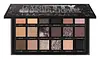
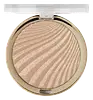
Huda Beauty Pretty Grunge Eyeshadow Palette Versus Milani Strobelight Instant Glow Powder Highlighter

What's inside
What's inside
 Key Ingredients
Benefits
Concerns
Ingredients Side-by-side
Mica
Cosmetic ColorantOryza Sativa Powder
Silica
Abrasive


Magnesium Myristate


Cocoglycerides
Emollient


Pentaerythrityl Tetraisostearate
Emollient
Propanediol
Solvent

Decylene Glycol
Skin ConditioningButyrospermum Parkii Butter
Skin Conditioning
Magnesium Stearate
Cosmetic ColorantC10-18 Triglycerides
Emollient
1,2-Hexanediol
Skin Conditioning
Lauroyl Lysine
Skin Conditioning
Caprylhydroxamic Acid
ChelatingCI 16035
Cosmetic ColorantCI 19140
Cosmetic ColorantCI 75470
Cosmetic ColorantUltramarines
CI 77007
Cosmetic ColorantCI 77491
Cosmetic ColorantIron Oxides
CI 77492
Cosmetic ColorantCI 77510
Cosmetic ColorantCI 77742
Cosmetic ColorantTitanium Dioxide
Cosmetic Colorant

Synthetic Fluorphlogopite
Hydrogenated Polyisobutene
EmollientDimethicone
Emollient

Calcium Aluminum Borosilicate
Zinc Stearate
Cosmetic ColorantTrimethylsiloxysilicate
Emollient
Ethylene/Propylene/Styrene Copolymer
Tin Oxide
Abrasive
Butylene/Ethylene/Styrene Copolymer
Pentaerythrityl Tetra-Di-T-Butyl Hydroxyhydrocinnamate
Antioxidant
Kaolin
Abrasive
Octyldodecyl Stearoyl Stearate
Emollient
Polyglyceryl-3 Diisostearate
Emulsifying
Phenyl Trimethicone
Skin Conditioning
Polyhydroxystearic Acid
Emulsifying
CI 77266
Cosmetic ColorantDiisostearyl Malate
EmollientStearyl Dimethicone
Emollient
Ethylhexylglycerin
Skin ConditioningHydrogenated Ethylhexyl Olivate
EmollientCalcium Sodium Borosilicate
Octyldodecanol
Emollient
Cetearyl Ethylhexanoate
Emollient
Simmondsia Chinensis Seed Oil
Emollient
Hydrated Silica
Abrasive
Polybutene
Dodecane
Emollient

C30-45 Alkyl Dimethicone
Skin Conditioning
Phenylisopropyl Dimethicone
Skin Conditioning
Hydrogenated Vegetable Oil
Emollient
Triethylhexanoin
MaskingSucrose Acetate Isobutyrate
Coconut Alkanes
Emollient
Hydrogenated Olive Oil Unsaponifiables
Emollient
Disteardimonium Hectorite
StabilisingCetyl PEG/PPG-10/1 Dimethicone
Emulsifying
Ethylhexyl Polyhydroxystearate
EmollientPropylene Carbonate
SolventSorbitan Sesquioleate
Emulsifying
Neopentyl Glycol Diethylhexanoate
Emollient
Dimethiconol
Emollient
Dimethicone/Vinyl Dimethicone Crosspolymer
Skin Conditioning
Coco-Caprylate/Caprate
Emollient
Helianthus Annuus Seed Oil
Emollient
Tocopherol
Antioxidant




Beta-Sitosterol
Emulsion Stabilising
Squalene
Emollient
CI 77000
Cosmetic ColorantEthylhexyl Palmitate
Emollient
Caprylic/Capric Triglyceride
Masking
Alumina
Abrasive
Hydrogenated Styrene/Butadiene Copolymer
Tris-BHT Mesitylene
Antioxidant
Synthetic Wax
Abrasive
Dibutyl Lauroyl Glutamide
Skin ConditioningDibutyl Ethylhexanoyl Glutamide
Skin ConditioningMica, Oryza Sativa Powder, Silica, Magnesium Myristate, Cocoglycerides, Pentaerythrityl Tetraisostearate, Propanediol, Decylene Glycol, Butyrospermum Parkii Butter, Magnesium Stearate, C10-18 Triglycerides, 1,2-Hexanediol, Lauroyl Lysine, Caprylhydroxamic Acid, CI 16035, CI 19140, CI 75470, Ultramarines, CI 77007, CI 77491, Iron Oxides, CI 77492, CI 77510, CI 77742, Titanium Dioxide, Synthetic Fluorphlogopite, Hydrogenated Polyisobutene, Dimethicone, Calcium Aluminum Borosilicate, Zinc Stearate, Trimethylsiloxysilicate, Ethylene/Propylene/Styrene Copolymer, Tin Oxide, Butylene/Ethylene/Styrene Copolymer, Pentaerythrityl Tetra-Di-T-Butyl Hydroxyhydrocinnamate, Kaolin, Octyldodecyl Stearoyl Stearate, Polyglyceryl-3 Diisostearate, Phenyl Trimethicone, Polyhydroxystearic Acid, CI 77266, Diisostearyl Malate, Stearyl Dimethicone, Ethylhexylglycerin, Hydrogenated Ethylhexyl Olivate, Calcium Sodium Borosilicate, Octyldodecanol, Cetearyl Ethylhexanoate, Simmondsia Chinensis Seed Oil, Hydrated Silica, Polybutene, Dodecane, C30-45 Alkyl Dimethicone, Phenylisopropyl Dimethicone, Hydrogenated Vegetable Oil, Triethylhexanoin, Sucrose Acetate Isobutyrate, Coconut Alkanes, Hydrogenated Olive Oil Unsaponifiables, Disteardimonium Hectorite, Cetyl PEG/PPG-10/1 Dimethicone, Ethylhexyl Polyhydroxystearate, Propylene Carbonate, Sorbitan Sesquioleate, Neopentyl Glycol Diethylhexanoate, Dimethiconol, Dimethicone/Vinyl Dimethicone Crosspolymer, Coco-Caprylate/Caprate, Helianthus Annuus Seed Oil, Tocopherol, Beta-Sitosterol, Squalene, CI 77000, Ethylhexyl Palmitate, Caprylic/Capric Triglyceride, Alumina, Hydrogenated Styrene/Butadiene Copolymer, Tris-BHT Mesitylene, Synthetic Wax, Dibutyl Lauroyl Glutamide, Dibutyl Ethylhexanoyl Glutamide

Ingredients Explained
These ingredients are found in both products.
Ingredients higher up in an ingredient list are typically present in a larger amount.
Dimethicone is a type of synthetic silicone created from natural materials such as quartz. It is also known as polydimethylsiloxane.
What it does:
Dimethicone comes in different viscosities:
Depending on the viscosity, dimethicone has different properties.
Ingredients lists don't always show which type is used, so we recommend reaching out to the brand if you have questions about the viscosity.
This ingredient is unlikely to cause irritation because it does not get absorbed into skin. However, people with silicone allergies should be careful about using this ingredient.
Note: Dimethicone may contribute to pilling. This is because it is not oil or water soluble, so pilling may occur when layered with products. When mixed with heavy oils in a formula, the outcome is also quite greasy.
Learn more about DimethiconeMagnesium Stearate is a salt that is 2 parts stearic acid and 1 part magnesium.
It is a white powder that can be used to add bulk and color to products by binding to oil ingredients.
Mica is a naturally occurring mineral used to add shimmer and color in cosmetics. It can also help improve the texture of a product or give it an opaque, white/silver color.
Serecite is the name for very fine but ragged grains of mica.
This ingredient is often coated with metal oxides like titanium dioxide. Trace amounts of heavy metals may be found in mica, but these metals are not harmful in our personal products.
Mica has been used since prehistoric times throughout the world. Ancient Egyptian, Indian, Greek, Roman, Aztec, and Chinese civilizations have used mica.
Learn more about MicaOctyldodecyl Stearoyl Stearate is an emollient ester that mostly shows up in color cosmetics.
Functionally, it works as a skin-conditioning agent and a viscosity-increasing agent. This just means it helps soften skin while also thickening water-free formulas (like powders).
Despite being a "stearate", it has a lightweight, cushiony, and non-greasy slip.
This ingredient has shown no adverse effects in testing and is deemed safe in cosmetics at current use levels.
Typical concentrations range from 0.7-23%.
Because it is made of C-18 fatty acids (like stearic acid), this ingredient may not be fungal acne safe.
Learn more about Octyldodecyl Stearoyl StearatePhenyl Trimethicone is a silicon-based polymer. It is derived from silica.
Phenyl Trimethicone is used as an emollient and prevents products from foaming.
As an emollient, it helps trap moisture in the skin. It is considered an occlusive.
Learn more about Phenyl TrimethiconeSilica, also known as silicon dioxide, is a naturally occurring mineral. It is used as a fine, spherical, and porous powder in cosmetics.
Though it has exfoliant properties, the function of silica varies depending on the product.
The unique structure of silica enhances the spreadability and adds smoothness, making it a great texture enhancer.
It is also used as an active carrier, emulsifier, and mattifier due to its ability to absorb excess oil.
In some products, tiny microneedles called spicules are made from silica or hydrolyzed sponge. When you rub them in, they lightly polish away dead skin layers and enhance the penetration of active ingredients.
Learn more about SilicaThis ingredient is a combination of red, black, and yellow iron oxide pigments. This combination of colors is usually found in foundation, because it results in a "skin" color.
The EU typically uses CI numbers for colorants when applicable, such as CI 77489. In the US, iron oxides are regulated as color additives and "iron oxides" is the most commonly used name in US cosmetic practice.
A 2021 paper looked at skincare formulations containing iron oxides and found that they reduced transmission of blue light when measured optically. In simple terms, the pigment particles helped block or scatter part of the visible light spectrum in lab testing and the authors suggest this could translate into better protection against blue-light-related skin effects.
There is also clinical and experimental research showing that tinted products containing iron oxides can reduce visible light-induced pigmentation:
Please note, whether a product reduces visible or blue light depends on things like:
In the EU's CosIng database, iron oxides are only listed as a colorant. CosIng groups ingredients by their main cosmetic role, such as colorant, preservative, or UV filter.
Though studies say iron oxides can "attenuate blue light", they're describing an optical property and not an officially recognized cosmetic function.
So CosIng isn’t contradicting the research. It’s just classifying iron oxides by what they officially are: pigments that add color.
Learn more about Iron Oxides

