Haruharu Wonder Black Rice Probiotics Barrier Essence Versus Eminence Organics Kombucha Microbiome Leave-On Masque
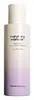
This barrier-repair essence is formulated around Oryza Sativa Extract and Galactomyces Ferment Filtrate to strengthen the skin barrier and hydrate skin.
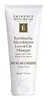
This hydrating overnight mask is formulated around Aloe Barbadensis Leaf Juice and Lactococcus Ferment Lysate to hydrate skin and calm redness.


What's inside
What's inside
 Key Ingredients
Benefits
Concerns
Ingredients Side-by-side
Water
Skin ConditioningButylene Glycol
Humectant

Helianthus Annuus Seed Oil
Emollient


Caprylic/Capric Triglyceride
Masking
Hydrogenated Polyisobutene
EmollientLimnanthes Alba Seed Oil
Skin Conditioning
Butylene Glycol Dicaprylate/Dicaprate
Emollient1,2-Hexanediol
Skin Conditioning
Potassium Cetyl Phosphate
EmulsifyingCetearyl Alcohol
Emollient



Hydroxyacetophenone
Antioxidant
Glycerin
Humectant
Glyceryl Stearate
Emollient
Oryza Sativa Extract
Absorbent


Phyllostachys Pubescens Shoot Bark Extract
Skin ConditioningHydrogenated Lecithin
Emulsifying
Polyglyceryl-10 Laurate
Skin Conditioning
Polyglyceryl-3 Methylglucose Distearate
Emulsifying
Xanthan Gum
EmulsifyingGalactomyces Ferment Filtrate
Humectant
Panthenol
Skin Conditioning
Bifida Ferment Filtrate
Skin Conditioning
Aspergillus Ferment
Skin ConditioningEthylhexylglycerin
Skin ConditioningAcrylates/C10-30 Alkyl Acrylate Crosspolymer
Emulsion StabilisingCeramide NP
Skin Conditioning
Disodium EDTA
ChelatingPentylene Glycol
Skin Conditioning
Tromethamine
BufferingButyrospermum Parkii Butter
Skin Conditioning
Phytosterols
Skin Conditioning
Oryza Sativa Lees Extract
Skin ConditioningPanax Ginseng Root Extract
Emollient
Stearic Acid
Cleansing
Palmitic Acid
Emollient
Caprylyl Glycol
Emollient
Squalane
Emollient
Hydrolyzed Wheat Protein
Skin ConditioningCyclodextrin
AbsorbentArachidic Acid
Cleansing
Myristic Acid
Cleansing
Oleic Acid
Emollient
Ceramide Ns
Skin Conditioning
Phytosphingosine
Skin Conditioning
Cholesterol
Emollient
Ceramide As
Skin Conditioning
Ceramide AP
Skin Conditioning
Ceramide EOP
Skin Conditioning
Water, Butylene Glycol, Helianthus Annuus Seed Oil, Caprylic/Capric Triglyceride, Hydrogenated Polyisobutene, Limnanthes Alba Seed Oil, Butylene Glycol Dicaprylate/Dicaprate, 1,2-Hexanediol, Potassium Cetyl Phosphate, Cetearyl Alcohol, Hydroxyacetophenone, Glycerin, Glyceryl Stearate, Oryza Sativa Extract, Phyllostachys Pubescens Shoot Bark Extract, Hydrogenated Lecithin, Polyglyceryl-10 Laurate, Polyglyceryl-3 Methylglucose Distearate, Xanthan Gum, Galactomyces Ferment Filtrate, Panthenol, Bifida Ferment Filtrate, Aspergillus Ferment, Ethylhexylglycerin, Acrylates/C10-30 Alkyl Acrylate Crosspolymer, Ceramide NP, Disodium EDTA, Pentylene Glycol, Tromethamine, Butyrospermum Parkii Butter, Phytosterols, Oryza Sativa Lees Extract, Panax Ginseng Root Extract, Stearic Acid, Palmitic Acid, Caprylyl Glycol, Squalane, Hydrolyzed Wheat Protein, Cyclodextrin, Arachidic Acid, Myristic Acid, Oleic Acid, Ceramide Ns, Phytosphingosine, Cholesterol, Ceramide As, Ceramide AP, Ceramide EOP
Aloe Barbadensis Leaf Juice
Skin Conditioning
Helianthus Annuus Seed Oil
Emollient
Pyrus Malus Juice
Skin ConditioningVitis Vinifera Seed Extract
Antimicrobial
Calendula Officinalis Flower Extract
Masking
Prunus Armeniaca Kernel Oil
Masking
Achillea Millefolium Extract
CleansingTrifolium Pratense Flower Extract
AstringentEchinacea Purpurea Root Extract
MoisturisingHippophae Rhamnoides Fruit Extract
Skin Conditioning
Glycerin
Humectant
Maltodextrin
Absorbent
Simmondsia Chinensis Seed Oil
Emollient
Cetearyl Alcohol
Emollient
Lactococcus Ferment Lysate
Skin Conditioning
Butyrospermum Parkii Butter
Skin Conditioning
Zea Mays Germ Oil
Emollient
Caprylic/Capric Triglyceride
Masking
Theobroma Cacao Seed Butter
Emollient
Methyl Glucose Sesquistearate
Emollient
Water
Skin ConditioningPrunus Armeniaca Juice
MoisturisingHydroxyethylcellulose
Emulsion StabilisingStearic Acid
Cleansing
Saccharomyces/Xylinum/Black Tea Ferment
Skin Conditioning
Camellia Sinensis Leaf Extract
Antimicrobial


Jasminum Officinale Flower Extract
Masking

Zingiber Officinale Root Extract
Masking
Lavandula Hybrida Oil
Emollient
Salvia Sclarea Oil
Masking
Pelargonium Graveolens Flower Oil
Masking
Hydrolyzed Caesalpinia Spinosa Gum
AbsorbentCaesalpinia Spinosa Gum
Skin ConditioningInulin
Skin Conditioning
Sodium Benzoate
Masking
Potassium Sorbate
Preservative
Salicylic Acid
Masking



Undecane
EmollientTridecane
Perfuming
Cetearyl Glucoside
Emulsifying
Benzyl Alcohol
Perfuming
Dehydroacetic Acid
Preservative
Methylpropanediol
Solvent1,2-Hexanediol
Skin Conditioning
Caprylyl Glycol
Emollient
Tropolone
Skin ConditioningHeptyl Glucoside
SurfactantPropanediol
Solvent
Citric Acid
Buffering
Euterpe Oleracea Fruit Extract
Citrus Limon Juice
Skin Conditioning
Malpighia Glabra Fruit Extract
Skin ConditioningEmblica Officinalis Fruit Extract
Skin ConditioningAdansonia Digitata Fruit Extract
EmollientMyrciaria Dubia Fruit Extract
Skin ConditioningDaucus Carota Sativa Root Extract
Skin Conditioning
Cocos Nucifera Water
Masking
Lycium Barbarum Fruit Extract
Astringent
Aloe Barbadensis Leaf Juice, Helianthus Annuus Seed Oil, Pyrus Malus Juice, Vitis Vinifera Seed Extract, Calendula Officinalis Flower Extract, Prunus Armeniaca Kernel Oil, Achillea Millefolium Extract, Trifolium Pratense Flower Extract, Echinacea Purpurea Root Extract, Hippophae Rhamnoides Fruit Extract, Glycerin, Maltodextrin, Simmondsia Chinensis Seed Oil, Cetearyl Alcohol, Lactococcus Ferment Lysate, Butyrospermum Parkii Butter, Zea Mays Germ Oil, Caprylic/Capric Triglyceride, Theobroma Cacao Seed Butter, Methyl Glucose Sesquistearate, Water, Prunus Armeniaca Juice, Hydroxyethylcellulose, Stearic Acid, Saccharomyces/Xylinum/Black Tea Ferment, Camellia Sinensis Leaf Extract, Jasminum Officinale Flower Extract, Zingiber Officinale Root Extract, Lavandula Hybrida Oil, Salvia Sclarea Oil, Pelargonium Graveolens Flower Oil, Hydrolyzed Caesalpinia Spinosa Gum, Caesalpinia Spinosa Gum, Inulin, Sodium Benzoate, Potassium Sorbate, Salicylic Acid, Undecane, Tridecane, Cetearyl Glucoside, Benzyl Alcohol, Dehydroacetic Acid, Methylpropanediol, 1,2-Hexanediol, Caprylyl Glycol, Tropolone, Heptyl Glucoside, Propanediol, Citric Acid, Euterpe Oleracea Fruit Extract, Citrus Limon Juice, Malpighia Glabra Fruit Extract, Emblica Officinalis Fruit Extract, Adansonia Digitata Fruit Extract, Myrciaria Dubia Fruit Extract, Daucus Carota Sativa Root Extract, Cocos Nucifera Water, Lycium Barbarum Fruit Extract
Reviews
Ingredients Explained
These ingredients are found in both products.
Ingredients higher up in an ingredient list are typically present in a larger amount.
1,2-Hexanediol is a synthetic liquid and another multi-functional powerhouse.
It is a:
- Humectant, drawing moisture into the skin
- Emollient, helping to soften skin
- Solvent, dispersing and stabilizing formulas
- Preservative booster, enhancing the antimicrobial activity of other preservatives
This ingredient is also known as shea butter. It is a plant-derived extract from the nuts of the Africa shea tree and one of the most well-studied emollients.
Because it has a high concentration of fatty acids (primarily oleic, stearic, and linoleic) it is able to form a protective barrier on the skin's surface. This helps seal in moisture and prevents transepidermal water loss (TEWL).
In vitro research found an increase in skin hydration by 58% and a decrease in TEWL by 37.8% after 24 hours of applying this ingredient (pretty impressive for a single ingredient!).
Besides hydration, shea butter also contains triterpenes that have anti-inflammatory potential. In particule, lupeol cinnamate has shown the highest anti-inflammatory activity in vivo.
Shea butter also contains vitamins A and E which may contribute to antioxidant activity.
While Shea Butter has an SPF rating of about 3-4, it is not a sunscreen replacement.
This ingredient may not be fungal acne safe because its fatty acids fall within the C11-C24 range that the Malassezia yeast can metabolize.
This ingredient shows up on a lot of "pore-clogging" lists but there's no real evidence behind that. It doesn't even have a comedogenic rating from an actual study; the numbers you'll find online come from blogs citing other blogs.
Ratings for other ingredients mostly come from a 1980s rabbit ear test. This test doesn't translate well to human skin or to real products because the ingredient sits at a much lower percentage.
Some people still find it breaks them out. So if that's you, definitely trust your skin. Just know this one's based on experience and not evidence.
Learn more about Butyrospermum Parkii ButterCaprylic/Capric Triglyceride (aka MCT Oil) is a lightweight emollient, solvent, and texture enhancer. It is considered a skin-softener by helping to prevent moisture loss.
Though it behaves like an oil, it is not technically one due to its chemical composition. One perk of this ingredient is that it is very stable, resistant to oxidation, and unlikely to go rancid.
In practice, that translates to a long shelf life and a consistently elegant skin feel.
While there is an assumption Caprylic Triglyceride can clog pores due to it being derived from coconut oil, there is no research supporting this. Just patch test if you have concerns.
Fractionated coconut oil and MCT Oil are both listed as Caprylic/Capric Triglyceride according to INCI. This is because INCI names are based on the ingredient’s final chemical composition and not its marketing name or source.
This ingredient is treated as the gold standard fungal acne safe oil. Even though it is coconut derived, the problematic lauric acid is stripped out.
This leaves just caprylic (C8) and capric (C10) acid. These chain lengths actually trend antifungal; a 2020 study found caprylic acid was enough to disrupt Malassezia furfur cell membrane, with a caprylic acid derivative damaging membrane structures at concentrations as low as 0.2%.
Learn more about Caprylic/Capric TriglycerideCaprylyl Glycol is a humectant, skin conditioner, emollient, and preservative booster derived from either caprylic acid or synthetically created.
Typical use levels vary from 0.3-1% as a preservative booster and go up to 2% to condition skin.
Because it is not a free-fatty acid, this ingredient is fungal acne safe (there's nothing for Malassezia to feed on).
Learn more about Caprylyl GlycolCetearyl alcohol is a waxy mixture of two fatty alcohols: cetyl alcohol and stearyl alcohol. It is an emollient and emulsifier.
Despite having "alcohol" in its name, it has nothing to do with drying solvent alcohols; the FDA also allows "alcohol-free" products to contain fatty alcohols like this ingredient.
It plays several roles in a formula:
Typical use levels for this ingredient sit around 1-10% and the Cosmetic Ingredient Review Expert Panel has affirmed safety at concentrations up to 25% in leave-on products.
Multiple assessments have found it to be non-irritating and non-sensitizing to most people.
However, there have been some cases of allergic contact dermatitis in patients with chronically compromised skin barriers.
Cetearyl alcohol has a comedogenic rating of 2 and irritancy rating of 1. Both of these numbers come from the 1989 study that used rabbit ears; a "2" means mildly comedogenic and a "1" means low irritancy.
Here's the catch: rabbit skin is more sensitive than human skin and throws a lot of false positives. A 1996 reappraisal found that ingredients rated 1-2 in the rabbit ear tests are generally safe for humans.
Remember comedogenic ratings are unable to assess the entire formula of a product or how it will react on your skin. Just be sure to patch test if you are unsure about certain ingredients.
This ingredient is not fungal acne safe. Cetearyl alcohol is a fatty alcohol with chain lengths that fall within the range that Malassezia can metabolize.
A 2019 study has also observed Malassezia growth in the presence of this ingredient, confirming it to be not-fungal acne safe.
Learn more about Cetearyl AlcoholGlycerin (or glycerol) is a compound naturally found in your skin. It's a powerhouse humectant that pulls water into the stratum corneum.
Topically, glycerin does several things at once:
Your skin makes glycerin on its own (mostly from sebaceous oil breakdown) and shuttles it to your outermost layer of skin, or your epidermis, via aquaporin-3.
Aquaporin-3 is a transporter that is essential for normal skin hydration, elasticity, and repair. Interestingly, mice lacking in AQP3 have dry and less elastic skin that can be fully corrected with glycerin.
This ingredient is non-irritating, plays well with almost every ingredient, and works across all skin types. Typical use is anywhere between 3-10% but can go up to 79% in some leave-on products.
Just know very high concentrations (>40%) can feel tacky in low humidity.
Glycerin is the name for this ingredient in American English. British English uses Glycerol/Glycerine.
Learn more about GlycerinHelianthus Annuus Seed Oil is a plant oil derived from the seeds of a sunflower.
It is rich in fatty acids, primarily linoleic acid and oleic acid. This gives it emollient and skin conditioning properties.
The reason this ingredient is so effective is because it forms a thin film on the skin that reduces transepidermal water loss (TEWL) while supplying linoleic acid to the stratum corneum to improve barrier strength.
The high linoleic acid content is particularly noteworthy for acne-prone skin.
Research suggests that acne-prone skin tends to be deficient in linoleic acid in sebum. Topical application may help replenish this to support a healthier follicular environment and less comedone-promoting sebum.
One randomized study found sunflower seed oil preserved skin barrier integrity in adult volunteers with and without atopic dermatitis (outperforming olive oil).
This ingredient is well-studied, gentle, and an effective emollient suitable for most skin types.
On fungal acne: This ingredient may not be Fungal acne (Malassezia folliculitis) safe. This is because it contains fatty acids with carbon chain lengths in the C11-C24 range.
Learn more about Helianthus Annuus Seed OilStearic Acid is a fatty acid that is already found in your skin. It's one of the free fatty acids that works alongside ceramides and cholesterols to maintain your barrier.
In cosmetics, it is a multitasker:
Safety-wise, the CIR Expert Panel has concluded it to be safe in cosmetics when formulated to be non-irritating and non-sensitizing.
Free stearic acid is a C18 fatty acid that the Malassezia yeast can substrate, so this ingredient may not be fungal acne safe.
Learn more about Stearic AcidWater. It's the most common cosmetic ingredient of all. You'll usually see it at the top of ingredient lists, meaning that it makes up the largest part of the product.
So why is it so popular? Water most often acts as a solvent - this means that it helps dissolve other ingredients into the formulation.
You'll also recognize water as that liquid we all need to stay alive. If you see this, drink a glass of water. Remember to stay hydrated!
Learn more about Water

