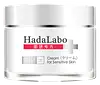
This calming moisturizer is formulated around Panthenol and Ceramide NP to calm redness and hydrate skin.
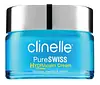
This calming moisturizer is formulated around Allantoin and Chamomilla Recutita Flower Extract to calm redness and hydrate skin.


What's inside
What's inside
 Key Ingredients
Benefits
Concerns
Ingredients Side-by-side
Water
Skin ConditioningButylene Glycol
Humectant

Glycerin
Humectant
Orange Roughy Oil
Skin Conditioning
Behenyl Alcohol
Emollient
Caprylic/Capric Triglyceride
Masking
Dimethicone
Emollient
Arachidyl Alcohol
Emollient
Ammonium Acryloyldimethyltaurate/Vp Copolymer
Panthenol
Skin Conditioning

Cetyl Alcohol
Emollient

Phytosteryl Oleate
Skin ConditioningEthylhexylglycerin
Skin ConditioningGlyceryl Caprylate
EmollientTriethanolamine
BufferingAcrylates/C10-30 Alkyl Acrylate Crosspolymer
Emulsion StabilisingHydrogenated Phosphatidylcholine
Emulsifying
1,2-Hexanediol
Skin Conditioning
Laminaria Japonica Extract
Skin Protecting
Arachidyl Glucoside
EmulsifyingPropanediol
Solvent
BHT
Antioxidant
Allantoin
Skin Conditioning
Xanthan Gum
EmulsifyingStyrene/Vp Copolymer
Mannitol
Humectant
Ceteareth-20
Cleansing

Fucose
Skin ConditioningPolyglyceryl-10 Stearate
Skin Conditioning
Bisabolol
Antioxidant
Stearyl Glycyrrhetinate
Skin ConditioningPentylene Glycol
Skin Conditioning
Hexyldecanol
Emollient
Sodium PCA
Humectant
Ceramide NP
Skin Conditioning

Polysorbate 20
Emulsifying
Erythritol
Humectant
Disodium EDTA
Urea
Buffering

Trehalose
Humectant
Ammonium Glycyrrhizate
MaskingChondrus Crispus
Masking
4-T-Butylcyclohexanol
Masking

Glycerophosphoinositol Choline
Skin ProtectingGlyceryl Acrylate/Acrylic Acid Copolymer
HumectantSodium Lauroyl Lactylate
EmulsifyingOpuntia Ficus-Indica Stem Extract
Skin Conditioning
Pvm/Ma Copolymer
Emulsion StabilisingPhenoxyethanol
Preservative
Beta-Sitosterol
Emulsion Stabilising
3-O-Ethyl Ascorbic Acid
Skin Conditioning


Serine
Masking
Caprylyl Glycol
Emollient
Benzoic Acid
Masking
Pisum Sativum Extract
Skin ConditioningSorbic Acid
Preservative
Stearic Acid
Cleansing
Cetylhydroxyproline Palmitamide
Skin ConditioningSodium Benzoate
Masking
Zinc Gluconate
Skin Conditioning


Sodium Hyaluronate
Humectant
Pullulan
Glyceryl Polyacrylate
Disodium Phosphate
BufferingAlgin
MaskingHydroxyphenyl Propamidobenzoic Acid
Skin ConditioningPhytosphingosine
Skin Conditioning
Sodium Acetylated Hyaluronate
Humectant
Hydrolyzed Sodium Hyaluronate
Skin Conditioning
Cholesterol
Emollient
Aesculus Hippocastanum Seed Extract
Skin ConditioningCarbomer
Emulsion StabilisingZingiber Officinale Root Extract
Masking
Viola Yedoensis Extract
Skin ConditioningTaraxacum Officinale Rhizome/Root Extract
Skin ConditioningPaeonia Lactiflora Root Extract
Skin ConditioningChamomilla Recutita Flower Extract
Masking
Brassica Campestris Sterols
EmollientTocopherol
Antioxidant

Malva Sylvestris Flower Extract
Skin ConditioningLonicera Japonica Flower Extract
Skin ConditioningPotassium Phosphate
BufferingAscorbyl Palmitate
Antioxidant
Aloe Barbadensis Leaf Juice
Skin Conditioning
Ceramide AP
Skin Conditioning
Water, Butylene Glycol, Glycerin, Orange Roughy Oil, Behenyl Alcohol, Caprylic/Capric Triglyceride, Dimethicone, Arachidyl Alcohol, Ammonium Acryloyldimethyltaurate/Vp Copolymer, Panthenol, Cetyl Alcohol, Phytosteryl Oleate, Ethylhexylglycerin, Glyceryl Caprylate, Triethanolamine, Acrylates/C10-30 Alkyl Acrylate Crosspolymer, Hydrogenated Phosphatidylcholine, 1,2-Hexanediol, Laminaria Japonica Extract, Arachidyl Glucoside, Propanediol, BHT, Allantoin, Xanthan Gum, Styrene/Vp Copolymer, Mannitol, Ceteareth-20, Fucose, Polyglyceryl-10 Stearate, Bisabolol, Stearyl Glycyrrhetinate, Pentylene Glycol, Hexyldecanol, Sodium PCA, Ceramide NP, Polysorbate 20, Erythritol, Disodium EDTA, Urea, Trehalose, Ammonium Glycyrrhizate, Chondrus Crispus, 4-T-Butylcyclohexanol, Glycerophosphoinositol Choline, Glyceryl Acrylate/Acrylic Acid Copolymer, Sodium Lauroyl Lactylate, Opuntia Ficus-Indica Stem Extract, Pvm/Ma Copolymer, Phenoxyethanol, Beta-Sitosterol, 3-O-Ethyl Ascorbic Acid, Serine, Caprylyl Glycol, Benzoic Acid, Pisum Sativum Extract, Sorbic Acid, Stearic Acid, Cetylhydroxyproline Palmitamide, Sodium Benzoate, Zinc Gluconate, Sodium Hyaluronate, Pullulan, Glyceryl Polyacrylate, Disodium Phosphate, Algin, Hydroxyphenyl Propamidobenzoic Acid, Phytosphingosine, Sodium Acetylated Hyaluronate, Hydrolyzed Sodium Hyaluronate, Cholesterol, Aesculus Hippocastanum Seed Extract, Carbomer, Zingiber Officinale Root Extract, Viola Yedoensis Extract, Taraxacum Officinale Rhizome/Root Extract, Paeonia Lactiflora Root Extract, Chamomilla Recutita Flower Extract, Brassica Campestris Sterols, Tocopherol, Malva Sylvestris Flower Extract, Lonicera Japonica Flower Extract, Potassium Phosphate, Ascorbyl Palmitate, Aloe Barbadensis Leaf Juice, Ceramide AP
Water
Skin ConditioningGlycerin
Humectant
Cyclopentasiloxane
Emollient
C12-15 Alkyl Benzoate
AntimicrobialCyclohexasiloxane
Emollient
Polysorbate 80
Emulsifying
Pentylene Glycol
Skin Conditioning
Acrylamide/Sodium Acryloyldimethyltaurate Copolymer
Emulsion StabilisingDimethicone/Vinyl Dimethicone Crosspolymer
Skin Conditioning
Cetyl Dimethicone
Emollient
Isohexadecane
EmollientAllantoin
Skin Conditioning
C30-45 Alkyl Methicone
Emollient
C30-45 Olefin
Skin ConditioningSodium Benzoate
Masking
Xanthan Gum
EmulsifyingChlorphenesin
Antimicrobial
Dimethicone Crosspolymer
Emulsion Stabilising
Acrylates/C10-30 Alkyl Acrylate Crosspolymer
Emulsion StabilisingO-Cymen-5-Ol
Antimicrobial
Sorbitan Oleate
Emulsifying
Pelargonium Graveolens Flower Oil
Masking


Propylene Glycol
Humectant
Sodium Hydroxide
BufferingSilica
Abrasive
Isoceteth-10
EmulsifyingHydrolyzed Algin
Citronellol
Perfuming
Geraniol
Perfuming
Linalool
Perfuming
Maris Aqua
HumectantChlorella Vulgaris Extract
Skin ConditioningCassia Angustifolia Seed Polysaccharide
Skin ConditioningCitric Acid
Buffering
Phenoxyethanol
Preservative
Hypericum Perforatum Extract
AntimicrobialAnthemis Nobilis Flower Extract
Masking
Calendula Officinalis Flower Extract
Masking
Centaurea Cyanus Flower Extract
Astringent
Chamomilla Recutita Flower Extract
Masking
Tilia Cordata Flower Extract
Skin Conditioning
Hydroxyethylcellulose
Emulsion StabilisingWater, Glycerin, Cyclopentasiloxane, C12-15 Alkyl Benzoate, Cyclohexasiloxane, Polysorbate 80, Pentylene Glycol, Acrylamide/Sodium Acryloyldimethyltaurate Copolymer, Dimethicone/Vinyl Dimethicone Crosspolymer, Cetyl Dimethicone, Isohexadecane, Allantoin, C30-45 Alkyl Methicone, C30-45 Olefin, Sodium Benzoate, Xanthan Gum, Chlorphenesin, Dimethicone Crosspolymer, Acrylates/C10-30 Alkyl Acrylate Crosspolymer, O-Cymen-5-Ol, Sorbitan Oleate, Pelargonium Graveolens Flower Oil, Propylene Glycol, Sodium Hydroxide, Silica, Isoceteth-10, Hydrolyzed Algin, Citronellol, Geraniol, Linalool, Maris Aqua, Chlorella Vulgaris Extract, Cassia Angustifolia Seed Polysaccharide, Citric Acid, Phenoxyethanol, Hypericum Perforatum Extract, Anthemis Nobilis Flower Extract, Calendula Officinalis Flower Extract, Centaurea Cyanus Flower Extract, Chamomilla Recutita Flower Extract, Tilia Cordata Flower Extract, Hydroxyethylcellulose
Ingredients Explained
These ingredients are found in both products.
Ingredients higher up in an ingredient list are typically present in a larger amount.
Acrylates/C10-30 Alkyl Acrylate Crosspolymer is a synthetic polymer. It is used to thicken, emulsify, and improve the texture of products.
As an emulsifier, it helps stabilize oil-in-water emulsions to give products an elegant feel when applied.
It can also form a thin protective film on skin. One study found that a formula using this polymer helped slow down how quickly other ingredients (like DEET) were absorbed through skin.
A 2024 study of over 1,300 patients confirmed that sensitization to this ingredient is rare. It is also non-mutagenic and has a clean track record.
Learn more about Acrylates/C10-30 Alkyl Acrylate CrosspolymerAllantoin is a soothing ingredient known for its protective and moisturizing properties; it's basically a quiet workhorse ingredient you can find in a huge range of cosmetics.
Though it can be derived from the comfrey plant, allantoin is produced synthetically for cosmetic products to ensure purity.
Research shows it can encourage your skin cells to turn over and renew by stimulating keratinocyte and fibroblast proliferation.
It also has mild keratolytic properties to help loosen and shed dead skin cells without being harsh.
Studies also suggest allantoin can help calm inflammation by dialing down some of the chemical signals your skin sends out when it is irritated.
This ingredient is typically used in the 0.1-0.5% range, and the FDA recognizes it as a skin protectant in OTC products up to 2%.
Overall, allantoin is a wonderful addition to most routines; it is stable across a wide pH range (~4-8), works well with other ingredients, and is considered non-sensitizing/non-irritating.
Fun fact: Allantoin is naturally occurring in comfrey root, beets, chamomile, and wheat sprouts. Our bodies even produce it as a byproduct of uric acid metabolism.
Learn more about AllantoinChamomilla Recutita Flower Extract comes from the Chamomile flower.
Chamomile is rich in antioxidants and has anti-inflammatory properties. Several compounds found in chamomile help with soothing, such as bisbolol.
Antioxidant components in chamomile make it an effective ingredient to help slow the signs of aging. Antioxidants help fight free-radical molecules, or molecules that may damage your skin.
Essential oils from chamomile have been found to improve wound healing due to its antimicrobial properties.
Ancient Greeks and Egyptians used Chamomile to treat skin redness and dryness. Chamomile has also been used to help treat stomach issues.
Learn more about Chamomilla Recutita Flower ExtractGlycerin (or glycerol) is a compound naturally found in your skin. It's a powerhouse humectant that pulls water into the stratum corneum.
Topically, glycerin does several things at once:
Your skin makes glycerin on its own (mostly from sebaceous oil breakdown) and shuttles it to your outermost layer of skin, or your epidermis, via aquaporin-3.
Aquaporin-3 is a transporter that is essential for normal skin hydration, elasticity, and repair. Interestingly, mice lacking in AQP3 have dry and less elastic skin that can be fully corrected with glycerin.
This ingredient is non-irritating, plays well with almost every ingredient, and works across all skin types. Typical use is anywhere between 3-10% but can go up to 79% in some leave-on products.
Just know very high concentrations (>40%) can feel tacky in low humidity.
Glycerin is the name for this ingredient in American English. British English uses Glycerol/Glycerine.
Learn more about GlycerinPentylene Glycol (1,2-pentanediol) is a multitasking little diol with three main roles in a formula:
Research on alkanediols (the family pentylene glycol belongs to) show they work by disrupting microbial cell membranes. This disruption helps the primary preservative system in a product work more effectively at lower doses.
On the safety side, the Cosmetic Ingredient Review Expert Panel has concluded this ingredient to be safe as used in current cosmetic practices + concentrations.
Typical use levels in a formula run about 1-5%.
Learn more about Pentylene GlycolPhenoxyethanol is one of the most widely used preservatives in skincare (and for good reason!).
It has a large spectrum of antimicrobial activity and especially effective bacteria, yeast, and mold while only having a weak effect on your skin's natural microbiome.
On a cellular level, it disrupts the cell membranes of microbes by poking holes that make the cell leak. This shuts down the chemical reactions the microbe needs to make energy so it can no longer survive.
Another perk of this ingredient is that it stays functional across a wide pH range (3-10).
You'll often see it paired with boosters like Ethylhexylglycerin; one study showed that a 1:9 ratio of Ethylhexylglycerin to Phenoxyethanol damages bacterial membranes as effectively as doubling the Phenoxyethanol concentration on its own.
Typical use concentrations range from 0.3-1% depending on the formula, and this ingredient is capped at 1% int the EU.
Safety-wise, the fear mongering does not hold up to the evidence. The EU's Scientific Committee on Consumer Safety and FDA consider it safe as a preservative at up to 1%, including for children of all ages.
Adverse systemic effects only showed up in animal studies at exposures roughly 200x higher than what people get from cosmetics. And despite its very widespread use, this ingredient is a rare sensitizer and allergic reactions are uncommon.
Learn more about PhenoxyethanolSodium Benzoate is a preservative. It's used in both cosmetic and food products to inhibit the growth of mold and bacteria. It is typically produced synthetically.
Both the US FDA and EU Health Committee have approved the use of sodium benzoate. In the US, levels of 0.1% (of the total product) are allowed.
Sodium benzoate works as a preservative by inhibiting the growth of bacteria inside of cells. It prevents the cell from fermenting a type of sugar using an enzyme called phosphofructokinase.
It is the salt of benzoic acid. Foods containing sodium benzoate include soda, salad dressings, condiments, fruit juices, wines, and snack foods.
Studies for using ascorbic acid and sodium benzoate in cosmetics are lacking, especially in skincare routines with multiple steps.
We always recommend speaking with a professional, such as a dermatologist, if you have any concerns.
Learn more about Sodium BenzoateWater. It's the most common cosmetic ingredient of all. You'll usually see it at the top of ingredient lists, meaning that it makes up the largest part of the product.
So why is it so popular? Water most often acts as a solvent - this means that it helps dissolve other ingredients into the formulation.
You'll also recognize water as that liquid we all need to stay alive. If you see this, drink a glass of water. Remember to stay hydrated!
Learn more about WaterXanthan gum is used as a stabilizer and thickener within cosmetic products. It helps give products a sticky, thick feeling - preventing them from being too runny.
On the technical side of things, xanthan gum is a polysaccharide - a combination consisting of multiple sugar molecules bonded together.
Xanthan gum is a pretty common and great ingredient. It is a natural, non-toxic, non-irritating ingredient that is also commonly used in food products.
Learn more about Xanthan Gum

