
What's inside
What's inside
 Key Ingredients
Benefits
Concerns
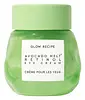
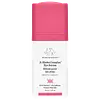
Ingredients Side-by-side
Water
Skin ConditioningGlycerin
Humectant


Propanediol
Solvent
Cetearyl Alcohol
Emollient




Glyceryl Stearate
Emollient
Persea Gratissima Oil
Skin Conditioning
C9-12 Alkane
SolventStearic Acid
Cleansing
Butyrospermum Parkii Butter
Skin Conditioning
Kaolin
Abrasive



Sodium Lauroyl Glutamate
SurfactantPersea Gratissima Fruit Extract
EmollientSqualane
Emollient
Niacinamide
Smoothing





Ethylhexylglycerin
Skin ConditioningHexylresorcinol
Antimicrobial
Oryza Sativa Extract
Absorbent
Tocopheryl Acetate
Antioxidant

Aloe Barbadensis Leaf Juice
Skin Conditioning
Coffea Arabica Fruit Extract
Antioxidant
Hyaluronic Acid
Humectant
Ethylhexyl Palmitate
Emollient
Sodium Hyaluronate
Humectant
Retinol
Skin Conditioning

Pei-10
Hydrated Silica
Abrasive
Sodium Chloride
MaskingFructan
Skin ConditioningMaltodextrin
Absorbent
Spirulina Maxima Extract
SmoothingCI 75300
Cosmetic ColorantPotassium Chloride
Potassium Phosphate
BufferingButylene Glycol
Humectant
Sodium Phosphate
BufferingHydrogenated Starch Hydrolysate
HumectantMaltooligosyl Glucoside
Skin ConditioningArginine
Masking
Silica Dimethyl Silylate
EmollientSodium Dilauramidoglutamide Lysine
HumectantSodium Hydroxide
BufferingCitric Acid
Buffering
Caprylyl Glycol
Emollient
Carthamus Tinctorius Seed Extract
Skin ConditioningLavandula Angustifolia Flower/Leaf/Stem Extract
Masking

Malachite Extract
Antioxidant
Rosmarinus Officinalis Leaf Extract
AntimicrobialPPG-3 Benzyl Ether Myristate
EmollientPolyisobutene
Pvp
Emulsion StabilisingC13-15 Alkane
SolventAcrylates/C10-30 Alkyl Acrylate Crosspolymer
Emulsion StabilisingSodium Hydroxypropylsulfonate Laurylglucoside Crosspolymer
CleansingParfum
Masking

Hexylene Glycol
EmulsifyingPotassium Sorbate
Preservative
Sodium Benzoate
Masking
Phenoxyethanol
Preservative
Water, Glycerin, Propanediol, Cetearyl Alcohol, Glyceryl Stearate, Persea Gratissima Oil, C9-12 Alkane, Stearic Acid, Butyrospermum Parkii Butter, Kaolin, Sodium Lauroyl Glutamate, Persea Gratissima Fruit Extract, Squalane, Niacinamide, Ethylhexylglycerin, Hexylresorcinol, Oryza Sativa Extract, Tocopheryl Acetate, Aloe Barbadensis Leaf Juice, Coffea Arabica Fruit Extract, Hyaluronic Acid, Ethylhexyl Palmitate, Sodium Hyaluronate, Retinol, Pei-10, Hydrated Silica, Sodium Chloride, Fructan, Maltodextrin, Spirulina Maxima Extract, CI 75300, Potassium Chloride, Potassium Phosphate, Butylene Glycol, Sodium Phosphate, Hydrogenated Starch Hydrolysate, Maltooligosyl Glucoside, Arginine, Silica Dimethyl Silylate, Sodium Dilauramidoglutamide Lysine, Sodium Hydroxide, Citric Acid, Caprylyl Glycol, Carthamus Tinctorius Seed Extract, Lavandula Angustifolia Flower/Leaf/Stem Extract, Malachite Extract, Rosmarinus Officinalis Leaf Extract, PPG-3 Benzyl Ether Myristate, Polyisobutene, Pvp, C13-15 Alkane, Acrylates/C10-30 Alkyl Acrylate Crosspolymer, Sodium Hydroxypropylsulfonate Laurylglucoside Crosspolymer, Parfum, Hexylene Glycol, Potassium Sorbate, Sodium Benzoate, Phenoxyethanol
Water
Skin ConditioningOctyldodecanol
Emollient
Glycerin
Humectant
Boron Nitride
Absorbent
Caffeine
Skin Conditioning
Saccharomyces/Xylinum/Black Tea Ferment
Skin Conditioning
Coconut Alkanes
Emollient
Cetyl Alcohol
Emollient
Cetearyl Olivate
Sorbitan Olivate
Emulsifying
Niacinamide
Smoothing
Mangifera Indica Seed Butter
Skin Conditioning
Hippophae Rhamnoides Oil
Emollient
Bis(Tripeptide-1) Copper Acetate
Skin Conditioning
Caprylic/Capric Triglyceride
Masking
Sclerocarya Birrea Seed Oil
Humectant
Dipeptide-2
Skin Conditioning
Palmitoyl Tripeptide-1
Skin Conditioning
Palmitoyl Tetrapeptide-7
Skin Conditioning
Copper Lysinate/Prolinate
Skin ConditioningHesperidin Methyl Chalcone
Antioxidant
Glycine Soja Oil
Emollient
Sodium Hyaluronate Crosspolymer
Humectant
Hydroxyethylcellulose
Emulsion StabilisingGlucose
Humectant
Biotin
AntiseborrhoeicMethylglucoside Phosphate
Skin ConditioningRetinol
Skin Conditioning
Ceramide NP
Skin Conditioning
Trideceth-6 Phosphate
EmulsifyingCoco-Caprylate/Caprate
Emollient
Lecithin
Emollient
Cetyl Palmitate
Emollient
Panthenol
Skin Conditioning
Leontopodium Alpinum Meristem Cell Culture
Skin ConditioningN-Hydroxysuccinimide
Skin ConditioningUbiquinone
Antioxidant
Citric Acid
Buffering
Chondrus Crispus Extract
Skin Conditioning
Steareth-20
CleansingThioctic Acid
Antioxidant
Tocopherol
Antioxidant
Chrysin
Skin ConditioningSclerotium Gum
Emulsion StabilisingSodium Citrate
BufferingPolysorbate 20
Emulsifying
Xanthan Gum
EmulsifyingPotassium Sorbate
Preservative
Laureth-23
Cleansing
Sodium Benzoate
Masking
Chlorphenesin
Antimicrobial
Caprylyl Glycol
Emollient
Sodium Hydroxide
BufferingSodium Carbonate
BufferingPhenoxyethanol
Preservative
Sodium Chloride
MaskingChlorhexidine Digluconate
Antimicrobial
Pentylene Glycol
Skin Conditioning
Ethylhexylglycerin
Skin ConditioningWater, Octyldodecanol, Glycerin, Boron Nitride, Caffeine, Saccharomyces/Xylinum/Black Tea Ferment, Coconut Alkanes, Cetyl Alcohol, Cetearyl Olivate, Sorbitan Olivate, Niacinamide, Mangifera Indica Seed Butter, Hippophae Rhamnoides Oil, Bis(Tripeptide-1) Copper Acetate, Caprylic/Capric Triglyceride, Sclerocarya Birrea Seed Oil, Dipeptide-2, Palmitoyl Tripeptide-1, Palmitoyl Tetrapeptide-7, Copper Lysinate/Prolinate, Hesperidin Methyl Chalcone, Glycine Soja Oil, Sodium Hyaluronate Crosspolymer, Hydroxyethylcellulose, Glucose, Biotin, Methylglucoside Phosphate, Retinol, Ceramide NP, Trideceth-6 Phosphate, Coco-Caprylate/Caprate, Lecithin, Cetyl Palmitate, Panthenol, Leontopodium Alpinum Meristem Cell Culture, N-Hydroxysuccinimide, Ubiquinone, Citric Acid, Chondrus Crispus Extract, Steareth-20, Thioctic Acid, Tocopherol, Chrysin, Sclerotium Gum, Sodium Citrate, Polysorbate 20, Xanthan Gum, Potassium Sorbate, Laureth-23, Sodium Benzoate, Chlorphenesin, Caprylyl Glycol, Sodium Hydroxide, Sodium Carbonate, Phenoxyethanol, Sodium Chloride, Chlorhexidine Digluconate, Pentylene Glycol, Ethylhexylglycerin
Reviews
Ingredients Explained
These ingredients are found in both products.
Ingredients higher up in an ingredient list are typically present in a larger amount.
Caprylyl Glycol is a humectant, skin conditioner, emollient, and preservative booster derived from either caprylic acid or synthetically created.
Typical use levels vary from 0.3-1% as a preservative booster and go up to 2% to condition skin.
Because it is not a free-fatty acid, this ingredient is fungal acne safe (there's nothing for Malassezia to feed on).
Learn more about Caprylyl GlycolCitric Acid is an alpha hydroxy acid (AHA) naturally found in citrus fruits like oranges, lemons, and limes.
Like other AHAs, citric acid can exfoliate skin by breaking down the bonds that hold dead skin cells together. This helps reveal smoother and brighter skin underneath.
However, this exfoliating effect only happens at high concentrations (20%) which can be hard to find in cosmetic products.
Due to this, citric acid is usually included in small amounts as a pH adjuster. This helps keep products slightly more acidic and compatible with skin's natural pH.
In skincare formulas, citric acid can:
While it can provide some skin benefits, research shows lactic acid and glycolic acid are generally more effective and less irritating exfoliants.
Most citric acid used in skincare today is made by fermenting sugars (usually from molasses). This synthetic version is identical to the natural citrus form but easier to stabilize and use in formulations.
Read more about some other popular AHA's here:
Learn more about Citric AcidEthylhexylglycerin is created from glycerin. It is a multitasker ingredient that:
The CIR Expert Panel found minimal skin absorption or sensitization of any kind in a safety assessment. Though this ingredient is considered well-tolerated, a small number of cases of allergic dermatitis have been published since 2002. Just be sure to patch test if you are unsure.
Industry-reported use ranges from 8% in rinse-off products and 2% in leave-on formulations.
Learn more about EthylhexylglycerinGlycerin (or glycerol) is a compound naturally found in your skin. It's a powerhouse humectant that pulls water into the stratum corneum.
Topically, glycerin does several things at once:
Your skin makes glycerin on its own (mostly from sebaceous oil breakdown) and shuttles it to your outermost layer of skin, or your epidermis, via aquaporin-3.
Aquaporin-3 is a transporter that is essential for normal skin hydration, elasticity, and repair. Interestingly, mice lacking in AQP3 have dry and less elastic skin that can be fully corrected with glycerin.
This ingredient is non-irritating, plays well with almost every ingredient, and works across all skin types. Typical use is anywhere between 3-10% but can go up to 79% in some leave-on products.
Just know very high concentrations (>40%) can feel tacky in low humidity.
Glycerin is the name for this ingredient in American English. British English uses Glycerol/Glycerine.
Learn more about GlycerinNiacinamide is a multitasking form of vitamin B3 that strengthens the skin barrier, reduces pores and dark spots, regulates oil, and improves signs of aging.
And the best part? It's gentle and well-tolerated by most skin types, including sensitive and reactive skin.
You might have heard of "niacin flush", or the reddening of skin that causes itchiness. Niacinamide has not been found to cause this.
In very rare cases, some individuals may not be able to tolerate niacinamide at all or experience an allergic reaction to it.
If you are experiencing flaking, irritation, and dryness with this ingredient, be sure to double check all your products as this ingredient can be found in all categories of skincare.
When incorporating niacinamide into your routine, look out for concentration amounts. Typically, 5% niacinamide provides benefits such as fading dark spots. However, if you have sensitive skin, it is better to begin with a smaller concentration.
When you apply niacinamide to your skin, your body converts it into nicotinamide adenine dinucleotide (NAD). NAD is an essential coenzyme that is already found in your cells as "fuel" and powers countless biological processes.
In your skin, NAD helps repair cell damage, produce new healthy cells, support collagen production, strengthen the skin barrier, and fight environmental stressors (like UV and pollution).
Our natural NAD levels start to decline with age, leading to slower skin repair, visible aging, and a weaker skin barrier. By providing your skin niacinamide, you're recharging your skin's NAD levels. This leads to stronger, healthier, and younger looking skin.
Another name for vitamin B3 is nicotinamide. This vitamin is water-soluble and our bodies don't store it. We obtain Vitamin B3 from either food or skincare. Meat, fish, wheat, yeast, and leafy greens contain vitamin B3.
The type of niacinamide used in skincare is synthetically created.
Learn more about NiacinamidePhenoxyethanol is a preservative that has germicide, antimicrobial, and aromatic properties. Studies show that phenoxyethanol can prevent microbial growth. By itself, it has a scent that is similar to that of a rose.
It's often used in formulations along with Caprylyl Glycol to preserve the shelf life of products.
Potassium Sorbate is a preservative used to prevent yeast and mold in products. It is commonly found in both cosmetic and food products.
This ingredient comes from potassium salt derived from sorbic acid. Sorbic acid is a natural antibiotic and effective against fungus.
Both potassium sorbate and sorbic acid can be found in baked goods, cheeses, dried meats, dried fruit, ice cream, pickles, wine, yogurt, and more.
You'll often find this ingredient used with other preservatives.
Learn more about Potassium SorbateRetinol is a gold-standard ingredient for anti-aging. It is a form of Vitamin A and belongs to the class of retinoids that also includes tretinoin.
Why is retinol famous?
It has the most scientific studies backing up its skin benefits out of all the non-prescription ingredients.
Retinol is proven to:
This is why retinol is effective at removing wrinkles, fading dark spots, treating acne, and reducing the appearance of pores.
Studies show retinol is less effective when exposed to UV. Be sure to look for appropriate packaging to keep your retinol potent (similar to Vitamin C).
Using retinol or any retinoids will increase sun-sensitivity in the first few months. Though studies show retinoids increase your skin's natural SPF with continuous use, it is best to always wear sunscreen and sun-protection.
We recommend speaking with a medical professional about using this ingredient during pregnancy.
Retinol may cause irritation in some people, so be sure to patch test. Experts recommend 'ramping up' retinol use: start using this ingredient once a week and work up to using it daily.
Read about Tretinoin
Learn more about RetinolSodium Benzoate is a preservative. It's used in both cosmetic and food products to inhibit the growth of mold and bacteria. It is typically produced synthetically.
Both the US FDA and EU Health Committee have approved the use of sodium benzoate. In the US, levels of 0.1% (of the total product) are allowed.
Sodium benzoate works as a preservative by inhibiting the growth of bacteria inside of cells. It prevents the cell from fermenting a type of sugar using an enzyme called phosphofructokinase.
It is the salt of benzoic acid. Foods containing sodium benzoate include soda, salad dressings, condiments, fruit juices, wines, and snack foods.
Studies for using ascorbic acid and sodium benzoate in cosmetics are lacking, especially in skincare routines with multiple steps.
We always recommend speaking with a professional, such as a dermatologist, if you have any concerns.
Learn more about Sodium BenzoateChances are, you eat sodium chloride every day. Sodium Chloride is also known as table salt. This ingredient has many purposes in skincare: thickener, emulsifier, and exfoliator.
You'll most likely find this ingredient in cleansers where it is used to create a gel-like texture. As an emulsifier, it also prevents ingredients from separating.
You might see people debate whether Sodium Chloride is comedogenic, but there actually haven't been any comedogenic tests done on it. Either way, the overall formulation of a product matters a lot more than any single ingredient.
You might see this ingredient used in scrubs as a primary exfoliating ingredient.
Learn more about Sodium ChlorideSodium Hydroxide is also known as lye or caustic soda. It is used to adjust the pH of products; many ingredients require a specific pH to be effective.
In small amounts, sodium hydroxide is considered safe to use. However, large amounts may cause chemical burns due to its high alkaline.
Your skin has a natural pH and acid mantle. This acid mantle helps prevent harmful bacteria from breaking through. The acid mantle also helps keep your skin hydrated.
"Alkaline" refers to a high pH level. A low pH level would be considered acidic.
Learn more about Sodium HydroxideWater. It's the most common cosmetic ingredient of all. You'll usually see it at the top of ingredient lists, meaning that it makes up the largest part of the product.
So why is it so popular? Water most often acts as a solvent - this means that it helps dissolve other ingredients into the formulation.
You'll also recognize water as that liquid we all need to stay alive. If you see this, drink a glass of water. Remember to stay hydrated!
Learn more about Water
