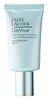
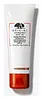
Estée Lauder DayWear Multi-Protection Anti-Oxidant Sheer Tint Release Moisturizer SPF 15 Versus Origins VITAZING SPF 15 Energy-Boosting Moisturizer
This anti-aging day moisturizer is formulated around Camellia Sinensis Leaf Extract and Coffea Arabica Seed Extract to soften the look of wrinkles and hydrate skin.
This day moisturizer is formulated around Anthemis Nobilis Flower Water and Panax Ginseng Root Extract to hydrate skin.

What's inside
What's inside
 Key Ingredients
Benefits
Concerns
Ingredients Side-by-side
Ethylhexyl Methoxycinnamate 7.5%
UV Absorber


Ethylhexyl Salicylate 5%
UV Absorber
Butyl Methoxydibenzoylmethane 2%
UV Absorber
Water
Skin ConditioningDimethicone
Emollient

Caprylic/Capric/Myristic/Stearic Triglyceride
EmollientButylene Glycol
Humectant

Cyclopentasiloxane
Emollient
Cetyl Ricinoleate
Emollient

Steareth-2
EmulsifyingDi-C12-15 Alkyl Fumarate
EmollientPolysilicone-11

Pentylene Glycol
Skin Conditioning
Steareth-21
CleansingAspalathus Linearis Leaf Extract
Skin ConditioningCamellia Sinensis Leaf Extract
Antimicrobial





Coffea Arabica Seed Extract
Masking
Polygonum Cuspidatum Root Extract
Antioxidant
Triticum Vulgare Germ Extract
Skin ConditioningBetula Alba Bark Extract
Masking
Laminaria Ochroleuca Extract
Skin Conditioning
Hordeum Vulgare Extract
EmollientSaccharomyces Lysate Extract
Humectant
Rosmarinus Officinalis Extract
AntimicrobialVitis Vinifera Seed Extract
Antimicrobial
Ethylbisiminomethylguaiacol Manganese Chloride
Antioxidant
Cholesterol
Emollient
Phospholipids
Skin Conditioning
Maltodextrin
Absorbent
Ascorbyl Tocopheryl Maleate
Antioxidant
Cyclodextrin
AbsorbentSodium Hyaluronate
Humectant
Hydrogenated Lecithin
Emulsifying
Trehalose
Humectant
Nordihydroguaiaretic Acid
Antioxidant
Palmitoyl Hydroxypropyltrimonium Amylopectin/Glycerin Crosspolymer
Skin ConditioningPantethine
EmollientLinolenic Acid
Cleansing
Oryzanol
Skin ConditioningLecithin
Emollient
Squalane
Emollient
Linoleic Acid
Cleansing
Glycerin
Humectant
Sodium PCA
Humectant
Urea
Buffering

Caprylic/Capric Triglyceride
Masking
Polyethylene
Abrasive

Isopropyl Myristate
Emollient

Behenyl Alcohol
Emollient
Sodium Carbomer
Emulsion StabilisingTromethamine
BufferingStearyl Alcohol
Emollient
Vp/Hexadecene Copolymer
Polymethyl Methacrylate
Polyquaternium-51
Skin Conditioning
Carbomer
Emulsion StabilisingParfum
Masking
Disodium EDTA
ChelatingSorbic Acid
Preservative
Potassium Sorbate
Preservative
Sodium Dehydroacetate
Preservative
Chlorphenesin
Antimicrobial
Phenoxyethanol
Preservative
Linalool
Perfuming
Butylphenyl Methylpropional
Perfuming
Hydroxyisohexyl 3-Cyclohexene Carboxaldehyde
Masking
Benzyl Salicylate
Perfuming
CI 77891
Cosmetic ColorantCI 77491
Cosmetic ColorantCI 77492
Cosmetic ColorantCI 77499
Cosmetic ColorantEthylhexyl Methoxycinnamate 7.5%, Ethylhexyl Salicylate 5%, Butyl Methoxydibenzoylmethane 2%, Water, Dimethicone, Caprylic/Capric/Myristic/Stearic Triglyceride, Butylene Glycol, Cyclopentasiloxane, Cetyl Ricinoleate, Steareth-2, Di-C12-15 Alkyl Fumarate, Polysilicone-11, Pentylene Glycol, Steareth-21, Aspalathus Linearis Leaf Extract, Camellia Sinensis Leaf Extract, Coffea Arabica Seed Extract, Polygonum Cuspidatum Root Extract, Triticum Vulgare Germ Extract, Betula Alba Bark Extract, Laminaria Ochroleuca Extract, Hordeum Vulgare Extract, Saccharomyces Lysate Extract, Rosmarinus Officinalis Extract, Vitis Vinifera Seed Extract, Ethylbisiminomethylguaiacol Manganese Chloride, Cholesterol, Phospholipids, Maltodextrin, Ascorbyl Tocopheryl Maleate, Cyclodextrin, Sodium Hyaluronate, Hydrogenated Lecithin, Trehalose, Nordihydroguaiaretic Acid, Palmitoyl Hydroxypropyltrimonium Amylopectin/Glycerin Crosspolymer, Pantethine, Linolenic Acid, Oryzanol, Lecithin, Squalane, Linoleic Acid, Glycerin, Sodium PCA, Urea, Caprylic/Capric Triglyceride, Polyethylene, Isopropyl Myristate, Behenyl Alcohol, Sodium Carbomer, Tromethamine, Stearyl Alcohol, Vp/Hexadecene Copolymer, Polymethyl Methacrylate, Polyquaternium-51, Carbomer, Parfum, Disodium EDTA, Sorbic Acid, Potassium Sorbate, Sodium Dehydroacetate, Chlorphenesin, Phenoxyethanol, Linalool, Butylphenyl Methylpropional, Hydroxyisohexyl 3-Cyclohexene Carboxaldehyde, Benzyl Salicylate, CI 77891, CI 77491, CI 77492, CI 77499
Water
Skin ConditioningCitrus Aurantium Amara Flower Water
MaskingAnthemis Nobilis Flower Water
Masking
Ethyl Macadamiate
Skin Conditioning
Butylene Glycol
Humectant
Methyl Trimethicone
Skin Conditioning
Butyl Methoxydibenzoylmethane
UV Absorber
Ethylhexyl Salicylate
UV Absorber
Hdi/Trimethylol Hexyllactone Crosspolymer
Octocrylene
UV Absorber
Lauryl PEG-9 Polydimethylsiloxyethyl Dimethicone
Skin Conditioning
PEG-100 Stearate
Surfactant
Butyloctyl Salicylate
Skin Conditioning
Jojoba Esters
Emollient
Glyceryl Stearate
Emollient
Barosma Betulina Leaf Oil
Perfuming

Citrus Paradisi Peel Oil
Masking
Eucalyptus Globulus Leaf Oil
Perfuming
Abies Sibirica Oil
Masking
Prunus Amygdalus Amara Kernel Oil
Masking
Mentha Arvensis Leaf Oil
Masking
Rosa Damascena Flower Oil
Masking
Limonene
Perfuming
Panax Ginseng Root Extract
Emollient
Cordyceps Sinensis Extract
Antioxidant
Garcinia Mangostana Peel Extract
Skin ConditioningCastanea Sativa Seed Extract
Skin ConditioningHordeum Vulgare Extract
EmollientTriticum Vulgare Germ Extract
Skin ConditioningLaminaria Saccharina Extract
Skin Protecting
Mangifera Indica Seed Butter
Skin Conditioning
Butyrospermum Parkii Butter
Skin Conditioning
Caffeine
Skin Conditioning
Cholesterol
Emollient
Potassium Cetyl Phosphate
EmulsifyingGlyceryl Polymethacrylate
Cetyl Alcohol
Emollient
Isopropyl Myristate
Emollient
Trehalose
Humectant
Ethylhexylglycerin
Skin ConditioningLinoleic Acid
Cleansing
Squalane
Emollient
Polymethyl Methacrylate
Dehydroxanthan Gum
Emulsion StabilisingAscorbyl Tocopheryl Maleate
Antioxidant
Sodium Hyaluronate
Humectant
Caprylyl Glycol
Emollient
Ammonium Acryloyldimethyltaurate/Vp Copolymer
Citric Acid
Buffering
Stearic Acid
Cleansing
Silica
Abrasive
Sodium Dehydroacetate
Preservative
Phenoxyethanol
Preservative
Mica
Cosmetic ColorantCI 77491
Cosmetic ColorantCI 77492
Cosmetic ColorantCI 77499
Cosmetic ColorantCI 77891
Cosmetic ColorantWater, Citrus Aurantium Amara Flower Water, Anthemis Nobilis Flower Water, Ethyl Macadamiate, Butylene Glycol, Methyl Trimethicone, Butyl Methoxydibenzoylmethane, Ethylhexyl Salicylate, Hdi/Trimethylol Hexyllactone Crosspolymer, Octocrylene, Lauryl PEG-9 Polydimethylsiloxyethyl Dimethicone, PEG-100 Stearate, Butyloctyl Salicylate, Jojoba Esters, Glyceryl Stearate, Barosma Betulina Leaf Oil, Citrus Paradisi Peel Oil, Eucalyptus Globulus Leaf Oil, Abies Sibirica Oil, Prunus Amygdalus Amara Kernel Oil, Mentha Arvensis Leaf Oil, Rosa Damascena Flower Oil, Limonene, Panax Ginseng Root Extract, Cordyceps Sinensis Extract, Garcinia Mangostana Peel Extract, Castanea Sativa Seed Extract, Hordeum Vulgare Extract, Triticum Vulgare Germ Extract, Laminaria Saccharina Extract, Mangifera Indica Seed Butter, Butyrospermum Parkii Butter, Caffeine, Cholesterol, Potassium Cetyl Phosphate, Glyceryl Polymethacrylate, Cetyl Alcohol, Isopropyl Myristate, Trehalose, Ethylhexylglycerin, Linoleic Acid, Squalane, Polymethyl Methacrylate, Dehydroxanthan Gum, Ascorbyl Tocopheryl Maleate, Sodium Hyaluronate, Caprylyl Glycol, Ammonium Acryloyldimethyltaurate/Vp Copolymer, Citric Acid, Stearic Acid, Silica, Sodium Dehydroacetate, Phenoxyethanol, Mica, CI 77491, CI 77492, CI 77499, CI 77891
Ingredients Explained
These ingredients are found in both products.
Ingredients higher up in an ingredient list are typically present in a larger amount.
Ascorbyl Tocopheryl Maleate is a form of Vitamin C and is an antioxidant.
Also known as Avobenzone, this ingredient is an oil-soluble used to absorb the full spectrum of UVA rays (peak 357 nm).
It's one of the most effective UVA filters available but has a major caveat of photostability: avobenzone is susceptible to photodegradation.
This means it can lose efficacy when exposed to sunlight without the help of a stabilizing agent.
Studies show antioxidants (like vitamin E or vitamin C) and some UV filters (like octocrylene and Tinosorb S) can meaningfully improve its stability in a formulation.
The maximum allowable concentration according to regulation is 3% in the US + Canada, and 5% in the EU, Australia, China, Korea, and ASEAN countries.
It has a well-support safety profile: a comprehensive 2025 review found minimal toxicity with no evidence of carcinogenicity.
Overall, avobenzone is a safe and regulated ingredient used in sunscreen for over 40 years.
Learn more about Butyl MethoxydibenzoylmethaneButylene Glycol (or BG) is used within cosmetic products for a few different reasons:
Overall, Butylene Glycol is a safe and well-rounded ingredient that works well with other ingredients.
Though this ingredient works well with most skin types, some people with sensitive skin may experience a reaction such as allergic rashes, closed comedones, or itchiness.
Learn more about Butylene GlycolCholesterol is a lipid that is naturally found in human skin and is one of the three key components of your skin barrier. In skincare, it is an emollient and barrier-repairing ingredient.
It works by fitting directly into the lipid layers of skin to help restore structure and reduce transepidermal water loss (TEWL).
This is a great ingredient for dry, compromised, or aging skin; our skin starts to produce less cholesterol with age.
Research shows cholesterol works best in combination with ceramides and fatty acids, the other two major components in your skin barrier.
Cholesterol is also a well-establish penetration enhancer and can help other actives absorb more effectively.
Cosmetic-grade cholesterol is usually derived from lanolin but plant and synthetic options also exist. We recommend reaching out to the brand if you have questions about their source of cholesterol.
Learn more about CholesterolCi 77491 is also hydrated iron III oxide. It's sole purpose is to give a red/pink hue to products.
Iron III oxides are classified as inorganic chemicals for coloring.
Synthetically created Ci 77491 is considered safer than those naturally found. This is because the synthetically created version may contain less impurities. Iron oxides are generally non-toxic and non-allergenic.
Learn more about CI 77491CI 77492 is also hydrated iron III oxide. It's sole purpose is to give a yellow hue to products.
Iron III oxides are classified as inorganic chemicals for coloring.
Synthetically created CI 77492 is considered safer than those naturally found. This is because the synthetically created version may contain less impurities. Iron oxides are generally non-toxic and non-allergenic.
Learn more about CI 77492Ci 77499 is also hydrated iron III oxide. It is created from mixing red and black iron oxides. This helps give shades of darkness to a product.
Iron III oxides are classified as inorganic chemicals for coloring.
Ci 77891 is a white pigment from Titanium dioxide. It is naturally found in minerals such as rutile and ilmenite.
It's main function is to add a white color to cosmetics. It can also be mixed with other colors to create different shades.
Ci 77891 is commonly found in sunscreens due to its ability to block UV rays.
Learn more about CI 77891Ethylhexyl Salicylate (also called Octisalate or Octyl Salicylate) is an oil-soluble organic UV filter that's been used in sunscreen since the 1950's.
It absorbs UVB light in the 280-320 nm range with a peak absorbance around 306 nm.
You'll often see it paired with other UV filters to boost overall SPF because octisalate is a fairly week filter on its own.
The reason you'll see it so often is because it can help solubilize and stabilize the trickier filters like oxybenzone and avobenzone.
Unlike these filters, octisalate has pretty good photostability and doesn't create skin-damaging free radicals when exposed to sunlight.
The fatty-alcohol part of the molecule also gives it a light, emollient feel so it doubles as a nice texture enhancer.
Usage levels vary around the world:
Safety-wise, this ingredient has a pretty reassuring track record. The EU's Scientific Committee on Consumer Products (SCCP) found very low skin penetration in human skin tests and negative results for irritation, phototoxicity, and photoallergy.
The real-world allergy risk is pretty low too; a 2012 European study of 1,031 people recorded only 2 reactions to it (a rate of 0.19%).
You might have seen scary headlines about sunscreen getting into your blood.
In 2019, the FDA found that several chemical filters can absorb through the skin and show up in the bloodstream at small but measurable levels.
Here's the important part: these tiny levels are just a cutoff the FDA uses to decide which ingredients need more testing and doesn't mean anything harmful was found.
The researchers were clear that the results are no reason to stop wearing sunscreen.
Learn more about Ethylhexyl SalicylateHordeum Vulgare Extract is an extract of barley, the same grain used in beer and bread.
In skincare, it is a skin conditioning and hydrating agent. This ingredient contains polyphenols, vitamin E, and trace minerals like zinc, copper, and selenium that help neutralize free radicals behind oxidative skin stress.
Lab studies on human skin cells show it can support the skin barrier, boost cell survival, and speed repair after UV exposure.
The Cosmetic Ingredient Review Expert Panel has reviewed 16 barley-derived ingredients and concluded they're safe as used with the highest reported use concentration being 1.5% (in leave-on body/hand products).
Patch testing has also found it not to be a skin irritant or sensitizer at cosmetic levels.
However, barley is a recognized food allergen so people with a known barley/grain allergy should approach it cautiously.
Note: This ingredient is not gluten-free for those avoiding gluten for skin-contact reasons.
Learn more about Hordeum Vulgare ExtractIsopropyl Myristate is an ester made by combining isopropyl alcohol with myristic acid.
It is primarily an emollient and penetration enhancer that gives products a lightweight, silky feel without the heaviness of oils.
This ingredient is generally considered non-toxic, non-irritating, and has low absorption potential.
This ingredient does have a comedogenic rating of 3-5, but this doesn't mean a formula with this ingredient will clog pores.
Dermatologist Dr. Zoe Draelos has also confirmed in a peer-reviewed paper that products containing comedogenic ingredients are not necessarily comedogenic themselves.
A small subset of people (~2%) may experience contact sensitivity so patch testing is a reasonable idea if you have reactive skin.
Since this ingredient is an ester of myristic acid (a C14 fatty acid), it falls within the carbon chain range that is known to feed Malassezia. This ingredient may not be fungal acne safe.
Learn more about Isopropyl MyristateLinoleic Acid is also known as Vitamin F. It is a fatty acid with emollient and skin conditioning properties.
Our top layer of skin, or epidermis, naturally contains high amounts of linoleic acid.
Your body uses linoleic acid to build ceramides and prostaglandins. Ceramides keep your skin's barrier hydrated and strong while prosaglandins help control inflammation and healing.
Needless to say, linoleic acid is crucial for having a strong skin barrier.
One study found applying linoleic acid rich sunflower oil to be more effective at repairing the skin barrier than olive oil.
This ingredient can also help treat acne by softening sebum to prevent clogged pores. Another study found using 2.5% linoleic acid gel for 4 weeks showed a 25% reduction in small comedones.
Studies show it can also help lighten hyperpigmentation or sun spots by disrupting the melanin production process. It also helps your skin shed melanin pigment from your skin caused by UV exposure.
Due to its role in the production of the fatty acid prostaglandin, linoleic acid can also help reduce inflammation and support wound healing.
Fun fact: Linoleic acid is an essential fatty acid. This means our bodies cannot create it on its own and we need to get it through foods such as nuts and vegetable oils.
Just know this ingredient is not always fungal-acne safe because it is a long-chain fatty acid (with 18 carbon atoms) that directly feeds the Malassezia yeast responsible for fungal acne.
Learn more about Linoleic AcidPhenoxyethanol is one of the most widely used preservatives in skincare (and for good reason!).
It has a large spectrum of antimicrobial activity and especially effective bacteria, yeast, and mold while only having a weak effect on your skin's natural microbiome.
On a cellular level, it disrupts the cell membranes of microbes by poking holes that make the cell leak. This shuts down the chemical reactions the microbe needs to make energy so it can no longer survive.
Another perk of this ingredient is that it stays functional across a wide pH range (3-10).
You'll often see it paired with boosters like Ethylhexylglycerin; one study showed that a 1:9 ratio of Ethylhexylglycerin to Phenoxyethanol damages bacterial membranes as effectively as doubling the Phenoxyethanol concentration on its own.
Typical use concentrations range from 0.3-1% depending on the formula, and this ingredient is capped at 1% int the EU.
Safety-wise, the fear mongering does not hold up to the evidence. The EU's Scientific Committee on Consumer Safety and FDA consider it safe as a preservative at up to 1%, including for children of all ages.
Adverse systemic effects only showed up in animal studies at exposures roughly 200x higher than what people get from cosmetics. And despite its very widespread use, this ingredient is a rare sensitizer and allergic reactions are uncommon.
Learn more about PhenoxyethanolThis ingredient is also known as PMMA. It is a polymer microsphere, composed of tiny, perfectly spherical particles formed from repeating units.
In cosmetics, PMMA is mainly used to give a soft or blurring effect. The transparent particles are able to scatter light and help reduce the appearance of fine-lines and imperfections.
PMMA is also able to enhance the texture of products by add a smooth feel.
Learn more about Polymethyl MethacrylateSodium Dehydroacetate is a synthetic preservative and sodium salt form of dehydroacetic acid. It stops bacteria, mold, and yeast from growing in your products at low concentrations.
Clinical testing found it to be non-irritating, non-sensitizing, and non-photosensitizing. It's also not significantly absorbed through skin.
There are a very small number of reported cases of contact dermatitis in cases linked to wound-care creams used over compromised skin (rather than skincare).
Overall, this is a well-studied and low-risk preservative just doing its job.
Typical concentrations run up to 0.6%, which is also the maximum amount permitted under both EU CosIng regulations and US FDA guidelines.
Learn more about Sodium DehydroacetateSodium Hyaluronate is the salt form of hyaluronic acid. It is a long sugar chain that is naturally found in your skin, joints, and connective tissue that maintains hydration and elasticity.
In skincare, it works as a humectant. It pulls water from the environment and deeper layers of skin and binds it to the surface.
Interestingly, the size of the molecule affects its behavior:
Some clinical evidence links low molecular weight versions to improved wrinkle depth, elasticity, anti-inflammatory effects, and barrier repair.
Many serums use a blend of both weights so you can get surface hydration plus longer-lasting and deeper effects.
You'll typically see concentrations between 0.1-2% for this ingredient.
Learn more about Sodium HyaluronateSqualane is the hydrogenated and shelf-stable form of squalene (a lipid that naturally occurs in human sebum).
It is an emollient and skin conditioning agent that is able to integrate seamlessly into the skin's lipid barrier without clogging pores.
This is due to how structurally similar it is to what your skin already produces.
Though it is mostly an emollient that helps soften and hydrate skin, it also has some humectant and occlusive action. Humectants help the skin retain moisture while occlusives seal it in, making squalane a triple-threat moisturizer.
Research shows it has antioxidant capabilities that help protect against stressors like UV exposure, specifically UVA induced oxidative stress. This study also found that it supports collagen biosynthesis in human dermal fibroblasts.
No clinical study has reported significant adverse effects and irritation reactions are very rare from this ingredient (even at 100% concentration).
Overall, it's a fantastic ingredient for hydration and is suitable for all skin types.
This depends on the source. Squalane can be derived from both plants and animals. Most squalane used in skincare comes from plants.
Please note: the source of squalane is only known if disclosed by the brand. We recommend reaching out to the brand if you have any questions about their squalane.
Read more about squalene with an "e".
Though squalane is often called an oil, it’s technically not one. It is a hydrocarbon, meaning it is only made of carbon and hydrogen. True oils are triglycerides and made of fatty acids and glycerol.
The term “oil-free” isn’t regulated so companies can define it however they want. Some exclude all oils, while others just avoid mineral oil or comedogenic oils.
Squalane has a comedogenic rating of 1 from the original 1972 study that tested raw ingredients under occlusion on rabbit ears. This system is not standardized or peer-reviewed, and using the raw ingredients is very different from how diluted cosmetic formulations are used on human skin.
A comedogenic rating of 1 means it is "unlikely to clog pores" according to the original rating system.
The overall formula of a product matters more than the individual ingredients on whether or not it will cause clogged pores.
Learn more about SqualaneTrehalose is a disaccharide made of two glucose molecules (glucose is sugar!). Trehalose is used to help moisturize skin. It also has antioxidant properties.
As a humectant, trehalose helps draw moisture from the air to your skin. This helps keep your skin hydrated.
Due to its antioxidant properties, trehalose may help with signs of aging. Antioxidants help fight free-radical molecules, unstable molecules that may damage your skin.
In medicine, trehalose and hyaluronic acid are used to help treat dry eyes.
Some animals, plants, and bacteria create trehalose as a source of energy to survive freeze or lack of water.
Learn more about TrehaloseThis ingredient is extracted from the germ part of the wheat plant. The germ of a plant refers to the seed embryo, or part that sprouts into a new plant.
Some studies have found wheat germ to help with wound healing.
Water. It's the most common cosmetic ingredient of all. You'll usually see it at the top of ingredient lists, meaning that it makes up the largest part of the product.
So why is it so popular? Water most often acts as a solvent - this means that it helps dissolve other ingredients into the formulation.
You'll also recognize water as that liquid we all need to stay alive. If you see this, drink a glass of water. Remember to stay hydrated!
Learn more about Water

