
What's inside
What's inside
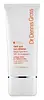 Key Ingredients
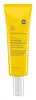
Benefits
Concerns
Ingredients Side-by-side
Titanium Dioxide
Cosmetic Colorant

Zinc Oxide
Cosmetic Colorant
Acrylates/Carbamate Copolymer
Skin ConditioningAluminum Hydroxide
EmollientAscorbyl Glucoside
Antioxidant



Benzyl Alcohol
Perfuming





BHT
Antioxidant
Bis-Ethylhexyl Hydroxydimethoxy Benzylmalonate
Antioxidant
Boerhavia Diffusa Root Extract
Skin Protecting
Butylene Glycol
Humectant

C12-15 Alkyl Benzoate
AntimicrobialCaprylyl Glycol
Emollient
Carbomer
Emulsion StabilisingCarthamus Tinctorius Seed Oil
Masking

Citric Acid
Buffering

Citrus Aurantium Dulcis Oil
Masking
Citrus Aurantium Dulcis Peel Extract
Emulsion Stabilising
Coco-Caprylate/Caprate
Emollient
Coconut Alkanes
Emollient
Disodium EDTA
Echium Plantagineum Seed Oil
Skin Conditioning
Glycerin
Humectant
Glycolic Acid
Buffering





Hydrogenated Lecithin
Emulsifying
Hydroxyethyl Acrylate/Sodium Acryloyldimethyl Taurate Copolymer
Emulsion StabilisingHydroxypropyl Cyclodextrin
MaskingIsohexadecane
EmollientIsononyl Isononanoate
EmollientIsopropyl Titanium Triisostearate
Emollient
Magnesium Ascorbyl Phosphate
Antioxidant
Melatonin
Antioxidant
Nordihydroguaiaretic Acid
Antioxidant
Oenothera Biennis Oil
Emollient
Olea Europaea Fruit Oil
Masking
Oleanolic Acid
Skin ConditioningOryza Sativa Extract
Absorbent
Palmitoyl Tripeptide-38
Skin Conditioning
PEG-60 Almond Glycerides
Emulsifying
Pentylene Glycol
Skin Conditioning
Phenoxyethanol
Preservative
Phospholipids
Skin Conditioning
Polyhydroxystearic Acid
Emulsifying
Polysorbate 60
Emulsifying
Potassium Sorbate
Preservative
Propanediol
Solvent
Saccharide Isomerate
Humectant
Sodium Benzoate
Masking
Sodium Citrate
BufferingSodium Hyaluronate
Humectant
Sodium PCA
Humectant
Sphingolipids
Emollient
Stearic Acid
Cleansing
Tetrahexyldecyl Ascorbate
Antioxidant
Tocopherol
Antioxidant
Water
Skin ConditioningXanthan Gum
EmulsifyingZinc PCA
Humectant
Titanium Dioxide, Zinc Oxide, Acrylates/Carbamate Copolymer, Aluminum Hydroxide, Ascorbyl Glucoside, Benzyl Alcohol, BHT, Bis-Ethylhexyl Hydroxydimethoxy Benzylmalonate, Boerhavia Diffusa Root Extract, Butylene Glycol, C12-15 Alkyl Benzoate, Caprylyl Glycol, Carbomer, Carthamus Tinctorius Seed Oil, Citric Acid, Citrus Aurantium Dulcis Oil, Citrus Aurantium Dulcis Peel Extract, Coco-Caprylate/Caprate, Coconut Alkanes, Disodium EDTA, Echium Plantagineum Seed Oil, Glycerin, Glycolic Acid, Hydrogenated Lecithin, Hydroxyethyl Acrylate/Sodium Acryloyldimethyl Taurate Copolymer, Hydroxypropyl Cyclodextrin, Isohexadecane, Isononyl Isononanoate, Isopropyl Titanium Triisostearate, Magnesium Ascorbyl Phosphate, Melatonin, Nordihydroguaiaretic Acid, Oenothera Biennis Oil, Olea Europaea Fruit Oil, Oleanolic Acid, Oryza Sativa Extract, Palmitoyl Tripeptide-38, PEG-60 Almond Glycerides, Pentylene Glycol, Phenoxyethanol, Phospholipids, Polyhydroxystearic Acid, Polysorbate 60, Potassium Sorbate, Propanediol, Saccharide Isomerate, Sodium Benzoate, Sodium Citrate, Sodium Hyaluronate, Sodium PCA, Sphingolipids, Stearic Acid, Tetrahexyldecyl Ascorbate, Tocopherol, Water, Xanthan Gum, Zinc PCA
Zinc Oxide 16%
Cosmetic Colorant
Water
Skin ConditioningButyloctyl Salicylate
Skin Conditioning
Dimethicone
Emollient
Caprylic/Capric Triglyceride
Masking
Glycerin
Humectant
Coconut Alkanes
Emollient
Lauryl Polyglyceryl-3 Polydimethylsiloxyethyl Dimethicone
Skin Conditioning
Vaccinium Vitis-Idaea Fruit Extract
Antioxidant
Ferulic Acid
Antimicrobial
Hippophae Rhamnoides Fruit Extract
Skin Conditioning
Arctostaphylos Uva-Ursi Leaf Extract
Skin ConditioningAloe Barbadensis Leaf Juice
Skin Conditioning
Quercetin
Antioxidant
Tocopherol
Antioxidant
Tocopheryl Acetate
Antioxidant
Xanthophylls
Skin ConditioningSucrose
Humectant
Ethylhexylglycerin
Skin ConditioningLecithin
Emollient
Polyglutamic Acid
Skin Conditioning
Tapioca Starch
Calcium Gluconate
HumectantDimethicone/Polyglycerin-3 Crosspolymer
Cleansing
Triheptanoin
Skin ConditioningXanthan Gum
EmulsifyingPolyhydroxystearic Acid
Emulsifying
Coco-Caprylate/Caprate
Emollient
Triethoxycaprylylsilane
Polymethylsilsesquioxane
Propanediol
Solvent
C13-15 Alkane
SolventDipropylene Glycol
HumectantSodium Hydroxide
BufferingDisteardimonium Hectorite
StabilisingIsostearyl Lactate
EmollientTriethyl Citrate
Masking
Sodium Chloride
MaskingTetrasodium Glutamate Diacetate
Gluconolactone
Skin Conditioning
Sodium Citrate
BufferingCitric Acid
Buffering
Phenoxyethanol
Preservative
Sodium Benzoate
Masking
Potassium Sorbate
Preservative
Zinc Oxide 16%, Water, Butyloctyl Salicylate, Dimethicone, Caprylic/Capric Triglyceride, Glycerin, Coconut Alkanes, Lauryl Polyglyceryl-3 Polydimethylsiloxyethyl Dimethicone, Vaccinium Vitis-Idaea Fruit Extract, Ferulic Acid, Hippophae Rhamnoides Fruit Extract, Arctostaphylos Uva-Ursi Leaf Extract, Aloe Barbadensis Leaf Juice, Quercetin, Tocopherol, Tocopheryl Acetate, Xanthophylls, Sucrose, Ethylhexylglycerin, Lecithin, Polyglutamic Acid, Tapioca Starch, Calcium Gluconate, Dimethicone/Polyglycerin-3 Crosspolymer, Triheptanoin, Xanthan Gum, Polyhydroxystearic Acid, Coco-Caprylate/Caprate, Triethoxycaprylylsilane, Polymethylsilsesquioxane, Propanediol, C13-15 Alkane, Dipropylene Glycol, Sodium Hydroxide, Disteardimonium Hectorite, Isostearyl Lactate, Triethyl Citrate, Sodium Chloride, Tetrasodium Glutamate Diacetate, Gluconolactone, Sodium Citrate, Citric Acid, Phenoxyethanol, Sodium Benzoate, Potassium Sorbate
Reviews
Ingredients Explained
These ingredients are found in both products.
Ingredients higher up in an ingredient list are typically present in a larger amount.
Citric Acid is an alpha hydroxy acid (AHA) naturally found in citrus fruits like oranges, lemons, and limes.
Like other AHAs, citric acid can exfoliate skin by breaking down the bonds that hold dead skin cells together. This helps reveal smoother and brighter skin underneath.
However, this exfoliating effect only happens at high concentrations (20%) which can be hard to find in cosmetic products.
Due to this, citric acid is usually included in small amounts as a pH adjuster. This helps keep products slightly more acidic and compatible with skin's natural pH.
In skincare formulas, citric acid can:
While it can provide some skin benefits, research shows lactic acid and glycolic acid are generally more effective and less irritating exfoliants.
Most citric acid used in skincare today is made by fermenting sugars (usually from molasses). This synthetic version is identical to the natural citrus form but easier to stabilize and use in formulations.
Read more about some other popular AHA's here:
Learn more about Citric AcidCoco-Caprylate/Caprate is a lightweight ester created from coconut oil fatty acids, caprylic acid, and capric acid.
It is an emollient that helps soften skin and reduce transepidermal water loss (TEWL). What sets it apart from heavier emollients is its ultralight, non-greasy feel.
Once applied, this ingredient dries down quickly and leaves a dry, silky finish behind. This also helps improve spreadability and texture.
This ingredient has an excellent safety-record and is non-irritating.
Typical concentrations for cosmetics range from 0.5-62%.
Research on Malassezia growth found no growth on fatty acid esters with chain lengths shorter than 12 carbons (it prefers C11-24).
Since Coco-Caprylate/Caprate is built on C8 and C10 fatty acids, it is out of the range that Malassezia metabolizes, and therefore safe for fungal acne.
Learn more about Coco-Caprylate/CaprateCoconut Alkanes is created from the fatty-acids of coconut oil. It is volatile, meaning it evaporates from the skin.
This ingredient is an emollient and solvent. As an emollient, it helps keep skin soft and hydrated. Solvents help distribute and mix other ingredients. This ensures a more even consistency.
Coconut Alkanes may not be fungal-acne safe.
Learn more about Coconut AlkanesGlycerin (or glycerol) is a compound naturally found in your skin. It's a powerhouse humectant that pulls water into the stratum corneum.
Topically, glycerin does several things at once:
Your skin makes glycerin on its own (mostly from sebaceous oil breakdown) and shuttles it to your outermost layer of skin, or your epidermis, via aquaporin-3.
Aquaporin-3 is a transporter that is essential for normal skin hydration, elasticity, and repair. Interestingly, mice lacking in AQP3 have dry and less elastic skin that can be fully corrected with glycerin.
This ingredient is non-irritating, plays well with almost every ingredient, and works across all skin types. Typical use is anywhere between 3-10% but can go up to 79% in some leave-on products.
Just know very high concentrations (>40%) can feel tacky in low humidity.
Glycerin is the name for this ingredient in American English. British English uses Glycerol/Glycerine.
Learn more about GlycerinPhenoxyethanol is a preservative that has germicide, antimicrobial, and aromatic properties. Studies show that phenoxyethanol can prevent microbial growth. By itself, it has a scent that is similar to that of a rose.
It's often used in formulations along with Caprylyl Glycol to preserve the shelf life of products.
Polyhydroxystearic Acid is a vegetable-derived soft wax made from castor oil. It's an emulsion stabilizer, thickener, and film former.
You'll likely see it in sunscreens because it helps disperse pigments and UV-reflecting minerals like titanium dioxide and zinc oxide evenly.
Depending on the concentration, it can drastically change the texture of a product from pasty solid (like lipstick) to sprayable liquid.
The CIR Expert Panel for Cosmetic Ingredient Safety has concluded this ingredient to be safe in cosmetics. The highest reported use concentration is 14.2% in lipsticks.
Learn more about Polyhydroxystearic AcidPotassium Sorbate is a preservative used to prevent yeast and mold in products. It is commonly found in both cosmetic and food products.
This ingredient comes from potassium salt derived from sorbic acid. Sorbic acid is a natural antibiotic and effective against fungus.
Both potassium sorbate and sorbic acid can be found in baked goods, cheeses, dried meats, dried fruit, ice cream, pickles, wine, yogurt, and more.
You'll often find this ingredient used with other preservatives.
Learn more about Potassium SorbatePropanediol is an all-star ingredient. It softens, hydrates, and smooths the skin.
It’s often used to:
Propanediol is not likely to cause sensitivity and considered safe to use. It is derived from corn or petroleum with a clear color and no scent.
Learn more about PropanediolSodium Benzoate is a preservative. It's used in both cosmetic and food products to inhibit the growth of mold and bacteria. It is typically produced synthetically.
Both the US FDA and EU Health Committee have approved the use of sodium benzoate. In the US, levels of 0.1% (of the total product) are allowed.
Sodium benzoate works as a preservative by inhibiting the growth of bacteria inside of cells. It prevents the cell from fermenting a type of sugar using an enzyme called phosphofructokinase.
It is the salt of benzoic acid. Foods containing sodium benzoate include soda, salad dressings, condiments, fruit juices, wines, and snack foods.
Studies for using ascorbic acid and sodium benzoate in cosmetics are lacking, especially in skincare routines with multiple steps.
We always recommend speaking with a professional, such as a dermatologist, if you have any concerns.
Learn more about Sodium BenzoateSodium Citrate is the sodium salts of citric acid. In skincare, it is used to alter pH levels and acts as a preservative.
Its main functions are to maintain the pH of a product and neutralize metal ions.
The acidity of our skin is maintained by our glands and skin biome; normal pH level of skin is slightly acidic (~4.75-5.5).
Being slightly acidic allows our skin to create an "acid mantle". This acid mantle is a thin barrier that protects our skin from bacteria and contaminants.
Learn more about Sodium CitrateTocopherol is a fat-soluble antioxidant known as Vitamin E.
You'll find this ingredient in the vast majority of skincare (for good reason). It works to neutralize free radicals, or unstable molecules generated by UV exposure, pollution, and other environmental stressors, before they can cause oxidative damage to your skin cells.
Topically applied tocopherol has been shown to protect against UV damage by ramping up the skin's own natural defense enzymes.
It also acts as a skin conditioning agent; some studies show that regular topical use can improve the skin's water-binding capacity over 2-4 weeks.
This ingredient is especially loved for being a team player. When combined with Vitamin C, the photoprotective effect of both ingredients roughly doubles and the combo also helps reduce UV-induced DNA damage.
This ingredient has some brightening potential but it's more of a prevention ingredient than spot-fader. Cell studies show it can slow down melanin production but it's worth noting that it's not the most powerful brightener out there.
In formulations, it also serves as a stabilizer that helps protect other oxidation-prone ingredients from degrading.
Concentrations usually range from 0.1-1% in most leave-on products.
Learn more about TocopherolWater. It's the most common cosmetic ingredient of all. You'll usually see it at the top of ingredient lists, meaning that it makes up the largest part of the product.
So why is it so popular? Water most often acts as a solvent - this means that it helps dissolve other ingredients into the formulation.
You'll also recognize water as that liquid we all need to stay alive. If you see this, drink a glass of water. Remember to stay hydrated!
Learn more about WaterXanthan gum is used as a stabilizer and thickener within cosmetic products. It helps give products a sticky, thick feeling - preventing them from being too runny.
On the technical side of things, xanthan gum is a polysaccharide - a combination consisting of multiple sugar molecules bonded together.
Xanthan gum is a pretty common and great ingredient. It is a natural, non-toxic, non-irritating ingredient that is also commonly used in food products.
Learn more about Xanthan GumZinc Oxide is a mineral broad-spectrum UV filter; it is the broadest UVA and UVB reflector approved by the FDA. It also has skin protectant and skin soothing properties.
Zinc oxide is one of the most effective broad-spectrum UV filters. It protects against UVB, UVAII, and UVAI. In comparison to its counterpart titanium dioxide, zinc oxide provides uniform and extended UVA protection.
Another great benefit? This ingredient is highly photostable so it won't degrade easily under sunlight.
A common myth is that mineral UV filters are widely believed to primarily reflect UV light.
However, modern research shows titanium dioxide absorbs UV radiation like chemical filters (~95% absorption & 5% reflection).
Zinc oxide has great skin soothing properties so you'll likely find this in sunscreens formulated for sensitive skin or babies/children. It is unlikely to cause "eye sting" like other sunscreen ingredients.
Regulatory agencies consider zinc oxide to be non-toxic and safe. It has also been shown to not penetrate the skin.
Unfortunately, this ingredient does leave a visible white cast. This is why mineral sunscreens are often less cosmetically elegant than chemical or hybrid ones.
In cosmetics, zinc oxide can be found in both non-nano and nano-sized forms. The nano version is used to reduce white cast and improve the texture of sunscreen formulas.
There are ongoing concerns surrounding nano-zinc oxide's impact on marine ecosystems and whether it can be absorbed into skin.
Regarding marine ecosystems and coral reefs, there is no conclusive evidence that any form of zinc oxide (or any other sunscreen ingredients) will cause harm. The science is still developing but many consumers are keeping a close eye on this issue.
Please note, many destinations have reef-safety sunscreen rules. For instance, the U.S. Virgin Islands advises all visitors to use non-nano mineral sunscreens.
There has also been some stir about whether micronized or nano zinc oxide has potential photoxicity and absorption through the skin/lungs.
An in-vitro (done in a test tube or petri dish) study demonstrated micronized zinc oxide to have potential phototoxicity. There's no need to fret; the EU Commission's Scientific Committee on Consumer Safety has stated, "The relevance of these findings needs to be clarified by appropriate investigations in vivo." Or in other words, further studies done on living organisms are needed to prove this.
Current research shows zinc oxide nanoparticles do not penetrate intact or sunburned skin. They either remain on the surface or in the outermost layer of dead skin (stratum corneum).
Zinc oxide is one of only two classified mineral UV filters with titanium dioxide being the other one.
Fun fact: Zinc has been used throughout history as an ingredient in paint and medicine. An Indian text from 500BC is believed to list zinc oxide as a salve for open wound. The Ancient Greek physician Dioscorides has also mentioned the use of zinc as an ointment in 1AD.
Learn more about Zinc Oxide
