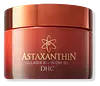
This anti-aging moisturizer is formulated around Squalane and Haematococcus Pluvialis Extract to soften the look of wrinkles and hydrate skin.
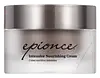
This barrier-repair moisturizer is formulated around Carthamus Tinctorius Seed Oil and Ceramide NP to strengthen the skin barrier and hydrate skin.


What's inside
What's inside
 Key Ingredients
Benefits
Concerns
Ingredients Side-by-side
Water
Skin ConditioningButylene Glycol
Humectant

Caprylic/Capric Triglyceride
Masking
Glycerin
Humectant
Hydrogenated Palm Oil
Emollient


Hydrolyzed Collagen
Emollient
Pentylene Glycol
Skin Conditioning
Squalane
Emollient
Orange Roughy Oil
Skin Conditioning
Tocotrienols
Skin Conditioning
Glyceryl Stearate
Emollient
PEG-100 Stearate
Surfactant
Batyl Alcohol
EmollientTocopherol
Antioxidant



Porphyridium Polysaccharide
Antioxidant
Carbomer
Emulsion StabilisingPotassium Hydroxide
BufferingCetearyl Alcohol
Emollient



Acrylates/C10-30 Alkyl Acrylate Crosspolymer
Emulsion StabilisingStearyl Glycyrrhetinate
Skin ConditioningCetearyl Glucoside
Emulsifying
Allantoin
Skin Conditioning
Sodium Hyaluronate
Humectant
Alcohol
Antimicrobial


Hydrolyzed Elastin
EmollientBeer Extract
Skin ConditioningPolyglyceryl-10 Oleate
Skin Conditioning
Placental Protein
HumectantHaematococcus Pluvialis Extract
Antioxidant
Hydrolyzed Royal Jelly Protein
Skin ConditioningPolyglyceryl-10 Stearate
Skin Conditioning
Lactoferrin
Skin ConditioningLysolecithin
EmulsifyingBrassica Campestris Seed Oil
Skin Conditioning
Lactic Acid
Buffering



Phenoxyethanol
Preservative
Water, Butylene Glycol, Caprylic/Capric Triglyceride, Glycerin, Hydrogenated Palm Oil, Hydrolyzed Collagen, Pentylene Glycol, Squalane, Orange Roughy Oil, Tocotrienols, Glyceryl Stearate, PEG-100 Stearate, Batyl Alcohol, Tocopherol, Porphyridium Polysaccharide, Carbomer, Potassium Hydroxide, Cetearyl Alcohol, Acrylates/C10-30 Alkyl Acrylate Crosspolymer, Stearyl Glycyrrhetinate, Cetearyl Glucoside, Allantoin, Sodium Hyaluronate, Alcohol, Hydrolyzed Elastin, Beer Extract, Polyglyceryl-10 Oleate, Placental Protein, Haematococcus Pluvialis Extract, Hydrolyzed Royal Jelly Protein, Polyglyceryl-10 Stearate, Lactoferrin, Lysolecithin, Brassica Campestris Seed Oil, Lactic Acid, Phenoxyethanol
Water
Skin ConditioningButylene Glycol
Humectant
C10-30 Cholesterol/Lanosterol Esters
Emulsifying
Carthamus Tinctorius Seed Oil
Masking
Limnanthes Alba Seed Oil
Skin Conditioning
Petrolatum
Emollient
Phenyl Trimethicone
Skin Conditioning
Glycerin
Humectant
Hydrogenated Polyisobutene
EmollientDimethicone
Emollient
Beeswax
Emulsion Stabilising
PPG-2 Myristyl Ether Propionate
Emollient
Cetearyl Alcohol
Emollient
Oryza Sativa Bran Extract
Skin Conditioning
Persea Gratissima Oil
Skin Conditioning
Pyrus Malus Fruit Extract
Skin Conditioning
Glyceryl Stearate
Emollient
PEG-100 Stearate
Surfactant
C13-14 Isoparaffin
Emollient
Laureth-7
EmulsifyingMalic Acid
Buffering
Polyacrylamide
Rosa Canina Fruit Oil
Emollient
7-Dehydrocholesterol
Emulsion StabilisingAllium Fistulosum Bulb Extract
Skin ConditioningBentonite
Absorbent
Camphor
Masking
Caprylyl Glycol
Emollient
Carbomer
Emulsion StabilisingCeramide AP
Skin Conditioning
Ceramide EOP
Skin Conditioning
Ceramide NP
Skin Conditioning
Cetearyl Glucoside
Emulsifying
Cetyl Alcohol
Emollient
Chlamydomonas Extract
Skin ConditioningChlorella Vulgaris Extract
Skin ConditioningChlorphenesin
Antimicrobial
Cholesterol
Emollient
Citral
Perfuming
Citric Acid
Buffering
Citrus Aurantium Dulcis Peel Oil
Masking
Citrus Limon Peel Oil
Masking
Cymbopogon Citratus Leaf Oil
Masking
Dimethicone Crosspolymer
Emulsion Stabilising
Ethylene Brassylate
MaskingEthylhexylglycerin
Skin ConditioningHelianthus Annuus Extract
Emollient
Hexylene Glycol
EmulsifyingHydrated Silica
Abrasive
Hydrolyzed Acacia Macrostachya Seed Extract
Skin ConditioningHydrolyzed Yeast Protein
Skin ConditioningLactic Acid
Buffering
Lavandula Hybrida Oil
Emollient
Lecithin
Emollient
Lepidium Meyenii Root Extract
Skin ConditioningLimonene
Perfuming
Linalool
Perfuming
Linalyl Acetate
Masking
Linum Usitatissimum Seed Oil
Perfuming
Litsea Cubeba Fruit Oil
Masking
Maltodextrin
Absorbent
Octanal
Perfuming
Octyldodecanol
Emollient
Olea Europaea Fruit Oil
Masking
Olive Oil Decyl Esters
Pentylene Glycol
Skin Conditioning
Persea Gratissima Fruit Extract
EmollientPhenoxyethanol
Preservative
Phoenix Dactylifera Fruit Extract
EmollientPhytosphingosine
Skin Conditioning
Phytosterols
Skin Conditioning
Pinene
Masking
Polysorbate 60
Emulsifying
Potassium Azeloyl Diglycinate
Skin Conditioning
Potassium Chloride
Propanediol
Solvent
Quercetin
Antioxidant
Rosmarinus Officinalis Leaf Extract
AntimicrobialSea Salt
Abrasive
Sodium Hyaluronate
Humectant
Sodium Hydroxide
BufferingSodium Lauroyl Lactylate
EmulsifyingSqualene
Emollient
Tocopherol
Antioxidant
Xanthan Gum
EmulsifyingWater, Butylene Glycol, C10-30 Cholesterol/Lanosterol Esters, Carthamus Tinctorius Seed Oil, Limnanthes Alba Seed Oil, Petrolatum, Phenyl Trimethicone, Glycerin, Hydrogenated Polyisobutene, Dimethicone, Beeswax, PPG-2 Myristyl Ether Propionate, Cetearyl Alcohol, Oryza Sativa Bran Extract, Persea Gratissima Oil, Pyrus Malus Fruit Extract, Glyceryl Stearate, PEG-100 Stearate, C13-14 Isoparaffin, Laureth-7, Malic Acid, Polyacrylamide, Rosa Canina Fruit Oil, 7-Dehydrocholesterol, Allium Fistulosum Bulb Extract, Bentonite, Camphor, Caprylyl Glycol, Carbomer, Ceramide AP, Ceramide EOP, Ceramide NP, Cetearyl Glucoside, Cetyl Alcohol, Chlamydomonas Extract, Chlorella Vulgaris Extract, Chlorphenesin, Cholesterol, Citral, Citric Acid, Citrus Aurantium Dulcis Peel Oil, Citrus Limon Peel Oil, Cymbopogon Citratus Leaf Oil, Dimethicone Crosspolymer, Ethylene Brassylate, Ethylhexylglycerin, Helianthus Annuus Extract, Hexylene Glycol, Hydrated Silica, Hydrolyzed Acacia Macrostachya Seed Extract, Hydrolyzed Yeast Protein, Lactic Acid, Lavandula Hybrida Oil, Lecithin, Lepidium Meyenii Root Extract, Limonene, Linalool, Linalyl Acetate, Linum Usitatissimum Seed Oil, Litsea Cubeba Fruit Oil, Maltodextrin, Octanal, Octyldodecanol, Olea Europaea Fruit Oil, Olive Oil Decyl Esters, Pentylene Glycol, Persea Gratissima Fruit Extract, Phenoxyethanol, Phoenix Dactylifera Fruit Extract, Phytosphingosine, Phytosterols, Pinene, Polysorbate 60, Potassium Azeloyl Diglycinate, Potassium Chloride, Propanediol, Quercetin, Rosmarinus Officinalis Leaf Extract, Sea Salt, Sodium Hyaluronate, Sodium Hydroxide, Sodium Lauroyl Lactylate, Squalene, Tocopherol, Xanthan Gum
Ingredients Explained
These ingredients are found in both products.
Ingredients higher up in an ingredient list are typically present in a larger amount.
Butylene Glycol (or BG) is used within cosmetic products for a few different reasons:
Overall, Butylene Glycol is a safe and well-rounded ingredient that works well with other ingredients.
Though this ingredient works well with most skin types, some people with sensitive skin may experience a reaction such as allergic rashes, closed comedones, or itchiness.
Learn more about Butylene GlycolCarbomer is a synthetic thickening and gelling agent. It's basically the ingredient that gives a lot of serums, gels, creams, and sunscreens their smooth, non-sticky texture.
Although legally permitted at very high levels, carbomers are normally used at concentrations below 1%.
It also needs to be neutralized to actually thicken, and because it is a large molecule, it doesn't really penetrate the skin barrier.
Allergy-wise, the risk is very low. Clinical studies show carbomers have low potential for skin irritation/sensitization even at concentrations up to 100%.
A 2024 UK study patch-tested 1,302 patients and found true allergy to the parent group of carbomer to be rare with no confirmed relevant reactions.
Learn more about CarbomerCetearyl alcohol is a waxy mixture of two fatty alcohols: cetyl alcohol and stearyl alcohol. It is an emollient and emulsifier.
Despite having "alcohol" in its name, it has nothing to do with drying solvent alcohols; the FDA also allows "alcohol-free" products to contain fatty alcohols like this ingredient.
It plays several roles in a formula:
Typical use levels for this ingredient sit around 1-10% and the Cosmetic Ingredient Review Expert Panel has affirmed safety at concentrations up to 25% in leave-on products.
Multiple assessments have found it to be non-irritating and non-sensitizing to most people.
However, there have been some cases of allergic contact dermatitis in patients with chronically compromised skin barriers.
Cetearyl alcohol has a comedogenic rating of 2 and irritancy rating of 1. Both of these numbers come from the 1989 study that used rabbit ears; a "2" means mildly comedogenic and a "1" means low irritancy.
Here's the catch: rabbit skin is more sensitive than human skin and throws a lot of false positives. A 1996 reappraisal found that ingredients rated 1-2 in the rabbit ear tests are generally safe for humans.
Remember comedogenic ratings are unable to assess the entire formula of a product or how it will react on your skin. Just be sure to patch test if you are unsure about certain ingredients.
This ingredient is not fungal acne safe. Cetearyl alcohol is a fatty alcohol with chain lengths that fall within the range that Malassezia can metabolize.
A 2019 study has also observed Malassezia growth in the presence of this ingredient, confirming it to be not-fungal acne safe.
Learn more about Cetearyl AlcoholCetearyl Glucoside is a sugar-based emulsifier. It is usually made by combining cetearyl alcohol and glucose.
Belonging to the aklyl polyglucoside (APG) family, Cetearyl Glucoside has a sugar "head" that loves water and a fatty "tail" that loves oil. This means it can shuffle oil and water into a stable and smooth emulsion.
Typical use levels are between 1-5% and this ingredient is considered to be non-irritating by the CIR Expert Panel Review.
Once applied, your skin's glucoside hydrolases breaks it down to the parent fatty alcohol and glucose. This is why this ingredient may not be fungal acne safe.
Learn more about Cetearyl GlucosideGlycerin (or glycerol) is a compound naturally found in your skin. It's a powerhouse humectant that pulls water into the stratum corneum.
Topically, glycerin does several things at once:
Your skin makes glycerin on its own (mostly from sebaceous oil breakdown) and shuttles it to your outermost layer of skin, or your epidermis, via aquaporin-3.
Aquaporin-3 is a transporter that is essential for normal skin hydration, elasticity, and repair. Interestingly, mice lacking in AQP3 have dry and less elastic skin that can be fully corrected with glycerin.
This ingredient is non-irritating, plays well with almost every ingredient, and works across all skin types. Typical use is anywhere between 3-10% but can go up to 79% in some leave-on products.
Just know very high concentrations (>40%) can feel tacky in low humidity.
Glycerin is the name for this ingredient in American English. British English uses Glycerol/Glycerine.
Learn more about GlycerinGlyceryl Stearate is made by reacting glycerin with stearic acid (typically sourced from plant oils like palm or coconut). It's an emulsifier, emollient, and mild occlusive.
Emulsifiers help ingredients like oil and water stay mixed so your formula stays nicely blended and uniform in texture.
This ingredient is typically used in concentrations between 1-10%. Studies have found it to be non-sensitizing, non-phototoxic, and non-photoallergenic.
A close cousin of this ingredient is Glyceryl Stearate SE ("self-emulsifying"). This just has a small amount of sodium or potassium stearate added so it can emulsify without a co-emulsifier.
Since this ingredient is an ester of a C18 fatty acid, it may not be fungal acne safe. The Malassezia yeast can potentially metabolize within the C11-C24 range.
Fun fact: The human body also creates Glyceryl Stearate naturally.
Learn more about Glyceryl StearateLactic Acid is another well-loved alpha hydroxy acid (AHA). It is gentler than glycolic acid but still highly effective.
Its main role is to exfoliate the surface of the skin by loosening the “glue” that holds dead skin cells together. Shedding those old cells leads to smoother, softer, and more even-toned skin.
Because lactic acid molecules are larger than glycolic acid, they don’t penetrate as deeply. This means they’re less likely to sting or irritate, making it a great choice for beginners or those with sensitive skin.
Like glycolic acid, it can:
Lactic acid also acts as a humectant (like hyaluronic acid). It can draw water into the skin to improve hydration and also plays a role in the skin's natural moisturizing factor (NMF) in the form of sodium lactate.
Studies show it can boost ceramide production to strengthen the skin barrier and even help balance the skin’s microbiome.
To get results, choose products with a pH between 3-4.
Lower strengths (5-12%) focus on surface exfoliation; higher strengths (12% and up) can reach deeper in the dermis (deeper, supportive layer) to improve skin texture and firmness over time.
Though it was originally derived from milk, most modern lactic acid used in skincare is vegan. It is made through non-dairy fermentation to create a bio-identical and stable form suitable for all formulations.
When lactic acid shows up near the end of an ingredient list, it usually means the brand added just a tiny amount to adjust the product’s pH.
Legend has it that Cleopatra used to bathe in sour milk to help reduce wrinkles.
Lactic acid is truly a gentle multitasker: it exfoliates, hydrates, strengthens, and brightens. It's a great ingredient for giving your skin a smooth, glowing, and healthy look without the harshness of stronger acids.
Read more about some other popular AHA's here:
Learn more about Lactic AcidPeg-100 Stearate is an emollient and emulsifier. As an emollient, it helps keep skin soft by trapping moisture in. On the other hand, emulsifiers help prevent oil and water from separating in a product.
PEGS are a hydrophilic polyether compound . There are 100 ethylene oxide monomers in Peg-100 Stearate. Peg-100 Stearate is polyethylene glycol ester of stearic acid.
Pentylene Glycol (1,2-pentanediol) is a multitasking little diol with three main roles in a formula:
Research on alkanediols (the family pentylene glycol belongs to) show they work by disrupting microbial cell membranes. This disruption helps the primary preservative system in a product work more effectively at lower doses.
On the safety side, the Cosmetic Ingredient Review Expert Panel has concluded this ingredient to be safe as used in current cosmetic practices + concentrations.
Typical use levels in a formula run about 1-5%.
Learn more about Pentylene GlycolPhenoxyethanol is one of the most widely used preservatives in skincare (and for good reason!).
It has a large spectrum of antimicrobial activity and especially effective bacteria, yeast, and mold while only having a weak effect on your skin's natural microbiome.
On a cellular level, it disrupts the cell membranes of microbes by poking holes that make the cell leak. This shuts down the chemical reactions the microbe needs to make energy so it can no longer survive.
Another perk of this ingredient is that it stays functional across a wide pH range (3-10).
You'll often see it paired with boosters like Ethylhexylglycerin; one study showed that a 1:9 ratio of Ethylhexylglycerin to Phenoxyethanol damages bacterial membranes as effectively as doubling the Phenoxyethanol concentration on its own.
Typical use concentrations range from 0.3-1% depending on the formula, and this ingredient is capped at 1% int the EU.
Safety-wise, the fear mongering does not hold up to the evidence. The EU's Scientific Committee on Consumer Safety and FDA consider it safe as a preservative at up to 1%, including for children of all ages.
Adverse systemic effects only showed up in animal studies at exposures roughly 200x higher than what people get from cosmetics. And despite its very widespread use, this ingredient is a rare sensitizer and allergic reactions are uncommon.
Learn more about PhenoxyethanolSodium Hyaluronate is the salt form of hyaluronic acid. It is a long sugar chain that is naturally found in your skin, joints, and connective tissue that maintains hydration and elasticity.
In skincare, it works as a humectant. It pulls water from the environment and deeper layers of skin and binds it to the surface.
Interestingly, the size of the molecule affects its behavior:
Some clinical evidence links low molecular weight versions to improved wrinkle depth, elasticity, anti-inflammatory effects, and barrier repair.
Many serums use a blend of both weights so you can get surface hydration plus longer-lasting and deeper effects.
You'll typically see concentrations between 0.1-2% for this ingredient.
Learn more about Sodium HyaluronateTocopherol is a fat-soluble antioxidant known as Vitamin E.
You'll find this ingredient in the vast majority of skincare (for good reason). It works to neutralize free radicals, or unstable molecules generated by UV exposure, pollution, and other environmental stressors, before they can cause oxidative damage to your skin cells.
Topically applied tocopherol has been shown to protect against UV damage by ramping up the skin's own natural defense enzymes.
It also acts as a skin conditioning agent; some studies show that regular topical use can improve the skin's water-binding capacity over 2-4 weeks.
This ingredient is especially loved for being a team player. When combined with Vitamin C, the photoprotective effect of both ingredients roughly doubles and the combo also helps reduce UV-induced DNA damage.
This ingredient has some brightening potential but it's more of a prevention ingredient than spot-fader. Cell studies show it can slow down melanin production but it's worth noting that it's not the most powerful brightener out there.
In formulations, it also serves as a stabilizer that helps protect other oxidation-prone ingredients from degrading.
Concentrations usually range from 0.1-1% in most leave-on products.
Learn more about TocopherolWater. It's the most common cosmetic ingredient of all. You'll usually see it at the top of ingredient lists, meaning that it makes up the largest part of the product.
So why is it so popular? Water most often acts as a solvent - this means that it helps dissolve other ingredients into the formulation.
You'll also recognize water as that liquid we all need to stay alive. If you see this, drink a glass of water. Remember to stay hydrated!
Learn more about Water

