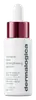
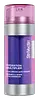
Dermalogica Dynamic Skin Strengthening Serum Versus StriVectin Hydration Multiplier Hyaluronic Acid Serum
This barrier-repair serum is formulated around Squalane and Dipotassium Glycyrrhizate to strengthen the skin barrier and calm redness.
This hydrating serum is formulated around Squalane and Sodium Hyaluronate to hydrate skin and strengthen the skin barrier.

What's inside
What's inside
 Key Ingredients
Benefits
Concerns
Ingredients Side-by-side
Water
Skin ConditioningPropanediol
Solvent

Squalane
Emollient
Glycerin
Humectant
Butylene Glycol
Humectant
Ethylhexyl Olivate
Skin Conditioning

Neopentyl Glycol Diheptanoate
EmollientTrimethylolpropane Tricaprylate/Tricaprate
EmollientHydroxyacetophenone
Antioxidant
Dipotassium Glycyrrhizate
Humectant

Helianthus Annuus Seed Oil
Emollient
Pelargonium Graveolens Flower Oil
Masking



Aniba Rosodora Wood Oil
Astringent
Eucalyptus Globulus Leaf Oil
Perfuming
Santalum Album Oil
Masking
Hydrolyzed Jojoba Esters
Skin Conditioning
Brassica Oleracea Italica Extract
AstringentCeratonia Siliqua Fruit Extract
MaskingBoerhavia Diffusa Root Extract
Skin Protecting
Onopordum Acanthium Flower/Leaf/Stem Extract
Skin ConditioningTasmannia Lanceolata Leaf Extract
Skin ConditioningAnetholea Anisata Leaf Extract
Skin ConditioningHydrolyzed Rhodophyceae Extract
Zingiber Officinale Root Extract
Masking
Cupressus Sempervirens Oil
Masking
Juniperus Virginiana Oil
Masking
Abies Sibirica Oil
Masking
Sea Water
HumectantAcrylates/C10-30 Alkyl Acrylate Crosspolymer
Emulsion StabilisingCarnosine
Skin Conditioning
Polyglutamic Acid
Skin Conditioning
Caprylyl Glycol
Emollient
Glyceryl Caprylate/Caprate
EmollientCaprylic/Capric Triglyceride
Masking
Citrus Reticulata Extract
Skin ConditioningBisabolol
Antioxidant
Pentylene Glycol
Skin Conditioning
Lecithin
Emollient
Xanthan Gum
EmulsifyingCetearyl Alcohol
Emollient


1,2-Hexanediol
Skin Conditioning
Tetrasodium Glutamate Diacetate
ChelatingCoco-Glucoside
Cleansing
Pistacia Lentiscus Gum
MaskingCitric Acid
Buffering

Sodium Hydroxide
BufferingPullulan
Polyacrylate Crosspolymer-6
Emulsion StabilisingWater, Propanediol, Squalane, Glycerin, Butylene Glycol, Ethylhexyl Olivate, Neopentyl Glycol Diheptanoate, Trimethylolpropane Tricaprylate/Tricaprate, Hydroxyacetophenone, Dipotassium Glycyrrhizate, Helianthus Annuus Seed Oil, Pelargonium Graveolens Flower Oil, Aniba Rosodora Wood Oil, Eucalyptus Globulus Leaf Oil, Santalum Album Oil, Hydrolyzed Jojoba Esters, Brassica Oleracea Italica Extract, Ceratonia Siliqua Fruit Extract, Boerhavia Diffusa Root Extract, Onopordum Acanthium Flower/Leaf/Stem Extract, Tasmannia Lanceolata Leaf Extract, Anetholea Anisata Leaf Extract, Hydrolyzed Rhodophyceae Extract, Zingiber Officinale Root Extract, Cupressus Sempervirens Oil, Juniperus Virginiana Oil, Abies Sibirica Oil, Sea Water, Acrylates/C10-30 Alkyl Acrylate Crosspolymer, Carnosine, Polyglutamic Acid, Caprylyl Glycol, Glyceryl Caprylate/Caprate, Caprylic/Capric Triglyceride, Citrus Reticulata Extract, Bisabolol, Pentylene Glycol, Lecithin, Xanthan Gum, Cetearyl Alcohol, 1,2-Hexanediol, Tetrasodium Glutamate Diacetate, Coco-Glucoside, Pistacia Lentiscus Gum, Citric Acid, Sodium Hydroxide, Pullulan, Polyacrylate Crosspolymer-6
Water
Skin ConditioningPentylene Glycol
Skin Conditioning
Propanediol
Solvent
Caprylic/Capric Triglyceride
Masking
Squalane
Emollient
Behenyl Alcohol
Emollient
Isopentyldiol
Humectant
Myristyl Nicotinate
Skin ConditioningPentaerythrityl Tetraethylhexanoate
Emollient
Saccharide Isomerate
Humectant
Polyglyceryl-3 Stearate
Emulsifying
Glycerin
Humectant
Undecane
EmollientVegetable Oil
Skin Conditioning
Coco-Caprylate/Caprate
Emollient
Acrylates/C10-30 Alkyl Acrylate Crosspolymer
Emulsion StabilisingBacillus/Sea Salt Ferment Filtrate
Skin ConditioningCeramide AP
Skin Conditioning
Polyglutamic Acid
Skin Conditioning
Sodium Hyaluronate Crosspolymer
Humectant
Glyceryl Caprylate
EmollientSodium Acetylated Hyaluronate
Humectant
Ceramide Ag
Humectant
Tridecane
Perfuming
Ceramide Ng
Skin Conditioning
Butyrospermum Parkii Butter
Skin Conditioning
Spirodela Polyrhiza Extract
Skin ConditioningHyaluronic Acid
Humectant
Ceramide EOP
Skin Conditioning
Sodium Hyaluronate
Humectant
Triheptanoin
Skin ConditioningHydrolyzed Jojoba Esters
Skin Conditioning
Hydrolyzed Hyaluronic Acid
Humectant
Hydrolyzed Sodium Hyaluronate
Skin Conditioning
Hydrolyzed Glycosaminoglycans
HumectantPullulan
Lecithin
Emollient
Sodium Stearoyl Glutamate
CleansingBisabolol
Antioxidant
C9-12 Alkane
SolventDilinoleic Acid/Butanediol Copolymer
Oryza Sativa Bran Extract
Skin Conditioning
Allantoin
Skin Conditioning
Chlorphenesin
Antimicrobial
Caprylhydroxamic Acid
ChelatingParfum
Masking
Trisodium Ethylenediamine Disuccinate
ChelatingHelianthus Annuus Extract
Emollient
Rosmarinus Officinalis Leaf Extract
AntimicrobialCeramide NP
Skin Conditioning
Hydrogenated Lecithin
Emulsifying
Dipropylene Glycol
HumectantGlyceryl Stearate
Emollient
Cholesterol
Emollient
Castor Oil/Ipdi Copolymer
Tocopherol
Antioxidant

1,2-Hexanediol
Skin Conditioning
Polysorbate 20
Emulsifying
Panthenol
Skin Conditioning
Sclerotium Gum
Emulsion StabilisingSodium Hydroxide
BufferingXanthan Gum
EmulsifyingSilica
Abrasive


Citric Acid
Buffering
Sodium Citrate
BufferingLimonene
Perfuming
Linalool
Perfuming
Benzyl Salicylate
Perfuming
Geraniol
Perfuming
Citronellol
Perfuming
Water, Pentylene Glycol, Propanediol, Caprylic/Capric Triglyceride, Squalane, Behenyl Alcohol, Isopentyldiol, Myristyl Nicotinate, Pentaerythrityl Tetraethylhexanoate, Saccharide Isomerate, Polyglyceryl-3 Stearate, Glycerin, Undecane, Vegetable Oil, Coco-Caprylate/Caprate, Acrylates/C10-30 Alkyl Acrylate Crosspolymer, Bacillus/Sea Salt Ferment Filtrate, Ceramide AP, Polyglutamic Acid, Sodium Hyaluronate Crosspolymer, Glyceryl Caprylate, Sodium Acetylated Hyaluronate, Ceramide Ag, Tridecane, Ceramide Ng, Butyrospermum Parkii Butter, Spirodela Polyrhiza Extract, Hyaluronic Acid, Ceramide EOP, Sodium Hyaluronate, Triheptanoin, Hydrolyzed Jojoba Esters, Hydrolyzed Hyaluronic Acid, Hydrolyzed Sodium Hyaluronate, Hydrolyzed Glycosaminoglycans, Pullulan, Lecithin, Sodium Stearoyl Glutamate, Bisabolol, C9-12 Alkane, Dilinoleic Acid/Butanediol Copolymer, Oryza Sativa Bran Extract, Allantoin, Chlorphenesin, Caprylhydroxamic Acid, Parfum, Trisodium Ethylenediamine Disuccinate, Helianthus Annuus Extract, Rosmarinus Officinalis Leaf Extract, Ceramide NP, Hydrogenated Lecithin, Dipropylene Glycol, Glyceryl Stearate, Cholesterol, Castor Oil/Ipdi Copolymer, Tocopherol, 1,2-Hexanediol, Polysorbate 20, Panthenol, Sclerotium Gum, Sodium Hydroxide, Xanthan Gum, Silica, Citric Acid, Sodium Citrate, Limonene, Linalool, Benzyl Salicylate, Geraniol, Citronellol
Ingredients Explained
These ingredients are found in both products.
Ingredients higher up in an ingredient list are typically present in a larger amount.
1,2-Hexanediol is a synthetic liquid and another multi-functional powerhouse.
It is a:
- Humectant, drawing moisture into the skin
- Emollient, helping to soften skin
- Solvent, dispersing and stabilizing formulas
- Preservative booster, enhancing the antimicrobial activity of other preservatives
Acrylates/C10-30 Alkyl Acrylate Crosspolymer is a synthetic polymer. It is used to thicken, emulsify, and improve the texture of products.
As an emulsifier, it helps stabilize oil-in-water emulsions to give products an elegant feel when applied.
It can also form a thin protective film on skin. One study found that a formula using this polymer helped slow down how quickly other ingredients (like DEET) were absorbed through skin.
A 2024 study of over 1,300 patients confirmed that sensitization to this ingredient is rare. It is also non-mutagenic and has a clean track record.
Learn more about Acrylates/C10-30 Alkyl Acrylate CrosspolymerBisabolol is a gentle skin conditioner, antioxidant, and soothing ingredient.
It's primary claim to fame is soothing and research shows topically applied bisabolol can quiet the chemical messengers that cause your skin to become inflamed, helping to sooth any irritation.
A clinical study found that applying 0.5% bisabolol daily for 8 weeks produced an average 9% decrease in skin pigmentation. Researchers found it can also suppress the process that leads to excess melanin production in skin.
In vitro studies found that bisabolol combined with propylene glycol significantly increased skin permeability by increasing lipid fluidity in the stratum corneum.
You'll likely see use concentrations quite low, usually 0.1-0.2%.
Overall, this is a well-tolerated ingredient that works well in formulas designed for sensitive, reactive, or post-procedure skin.
Learn more about BisabololCaprylic/Capric Triglyceride (aka MCT Oil) is a lightweight emollient, solvent, and texture enhancer. It is considered a skin-softener by helping to prevent moisture loss.
Though it behaves like an oil, it is not technically one due to its chemical composition. One perk of this ingredient is that it is very stable, resistant to oxidation, and unlikely to go rancid.
In practice, that translates to a long shelf life and a consistently elegant skin feel.
While there is an assumption Caprylic Triglyceride can clog pores due to it being derived from coconut oil, there is no research supporting this. Just patch test if you have concerns.
Fractionated coconut oil and MCT Oil are both listed as Caprylic/Capric Triglyceride according to INCI. This is because INCI names are based on the ingredient’s final chemical composition and not its marketing name or source.
This ingredient is treated as the gold standard fungal acne safe oil. Even though it is coconut derived, the problematic lauric acid is stripped out.
This leaves just caprylic (C8) and capric (C10) acid. These chain lengths actually trend antifungal; a 2020 study found caprylic acid was enough to disrupt Malassezia furfur cell membrane, with a caprylic acid derivative damaging membrane structures at concentrations as low as 0.2%.
Learn more about Caprylic/Capric TriglycerideCitric Acid is an alpha hydroxy acid (AHA) naturally found in citrus fruits like oranges, lemons, and limes.
Like other AHAs, citric acid can exfoliate skin by breaking down the bonds that hold dead skin cells together. This helps reveal smoother and brighter skin underneath.
However, this exfoliating effect only happens at high concentrations (20%) which can be hard to find in cosmetic products.
Due to this, citric acid is usually included in small amounts as a pH adjuster. This helps keep products slightly more acidic and compatible with skin's natural pH.
In skincare formulas, citric acid can:
While it can provide some skin benefits, research shows lactic acid and glycolic acid are generally more effective and less irritating exfoliants.
Most citric acid used in skincare today is made by fermenting sugars (usually from molasses). This synthetic version is identical to the natural citrus form but easier to stabilize and use in formulations.
Rosacea skin has a lower threshold for acids generally, with 62.5% of rosacea subjects in one study reacting to lactic acid in a sting test. This is why we mark citric acid as a potential rosacea trigger.
However, this ingredient shows up as a pH adjuster or chelator at roughly 0.1-1% in many products. These low levels are unlikely to be an issue for rosacea skin and becomes a potential trigger at exfoliating concentrations (20%). Because everybody's skin is unique, we recommend a patch test if you are unsure.
Learn more about Citric AcidGlycerin (or glycerol) is a compound naturally found in your skin. It's a powerhouse humectant that pulls water into the stratum corneum.
Topically, glycerin does several things at once:
Your skin makes glycerin on its own (mostly from sebaceous oil breakdown) and shuttles it to your outermost layer of skin, or your epidermis, via aquaporin-3.
Aquaporin-3 is a transporter that is essential for normal skin hydration, elasticity, and repair. Interestingly, mice lacking in AQP3 have dry and less elastic skin that can be fully corrected with glycerin.
This ingredient is non-irritating, plays well with almost every ingredient, and works across all skin types. Typical use is anywhere between 3-10% but can go up to 79% in some leave-on products.
Just know very high concentrations (>40%) can feel tacky in low humidity.
Glycerin is the name for this ingredient in American English. British English uses Glycerol/Glycerine.
Learn more about GlycerinHydrolyzed Jojoba Esters (HJE) are an emollient and skin-conditioning agent made by breaking down jojoba oil into a blend of fatty acids and fatty alcohols.
Jojoba is pretty cool because it's a liquid wax ester rather than a triglyceride like most plant oils. Its structure closely resembles the wax esters in human sebum so it slots nicely into the skin's own lipid layer.
In cosmetics, HJE works mainly to soften skin, reinforce the barrier, and lock in moisture by reducing water loss. This ingredient also holds onto the skin even after rinsing which is why you'll see it in cleansers or wipes.
There's a decent clinical backing for the moisturizing claims: a small controlled study found that pairing HJE with glycerin lowered transepidermal water loss significantly than glycerin alone (and this effect lasted up to 24 hours).
Follow-up work showed HJE appear to "trap" glycerin in the film they form on skin to boost its hydrating power.
Typical use levels are low: the glycering-synergy research used around 1.25% (a common pairing is roughly 1.25% HJE and 3.75% glycerin).
This ingredient has been found safe as used in cosmetics with low irritation risk.
As for fungal acne, the fatty acids and alcohols in jojoba fall in roughly the C18-24 range. This overlaps the C11-24 window that Malassezia yeast can feed on in lab studies, so this ingredient may not be fungal acne safe.
Learn more about Hydrolyzed Jojoba EstersLecithin is a term for a group of substances found in the cell membranes of plants, animals, and humans. They are made up of phospholipids.
Thanks to its amphiphilic structure (water-loving head and oil-loving tail), it is a true multitasker:
It plays well with most ingredients and is typically used at 0.1-1%. However, concentrations up to 50% have been reported in moisturizers.
Learn more about LecithinPentylene Glycol (1,2-pentanediol) is a multitasking little diol with three main roles in a formula:
Research on alkanediols (the family pentylene glycol belongs to) show they work by disrupting microbial cell membranes. This disruption helps the primary preservative system in a product work more effectively at lower doses.
On the safety side, the Cosmetic Ingredient Review Expert Panel has concluded this ingredient to be safe as used in current cosmetic practices + concentrations.
Typical use levels in a formula run about 1-5%.
Learn more about Pentylene GlycolPolyglutamic Acid is made up many glutamic acids chained together. It is created from bacterial fermentation.
This ingredient is an effective skin hydrator and may help speed up wound healing. As a humectant, it draws and holds water to the skin. This ingredient is often compared to hyaluronic acid or glycerin. Similarly to hyaluronic acid, it can vary in molecular weights. This means polyglutamic acid is capable of bringing hydration to lower levels of the skin.
Fun fact: Polyglutamic Acid is found in the Japanese food, natto. It is also being used in cancer treatment studies.
Learn more about Polyglutamic AcidPropanediol is an all-star ingredient. It softens, hydrates, and smooths the skin.
It’s often used to:
Propanediol is not likely to cause sensitivity and considered safe to use. It is derived from corn or petroleum with a clear color and no scent.
Learn more about PropanediolPullulan is a low viscosity polysaccharide (a long chain carbohydrate) with binding and film forming properties when dissolved in water. It is used to create a "silicone-like" or silky feel in cosmetics without adding viscosity.
According to a manufacturer, this ingredient's ability to easily dissolves makes it a great carrier for active ingredients.
Due to it being edible and tasteless, you'll likely find this ingredient in breath freshener strips. This ingredient is produced from the starch of the fungus, Aureobasidium pullulans.
Pullulan is stable over a broad-range of pH.
Learn more about PullulanSodium Hydroxide is also known as lye or caustic soda. It is used to adjust the pH of products; many ingredients require a specific pH to be effective.
In small amounts, sodium hydroxide is considered safe to use. However, large amounts may cause chemical burns due to its high alkaline.
Your skin has a natural pH and acid mantle. This acid mantle helps prevent harmful bacteria from breaking through. The acid mantle also helps keep your skin hydrated.
"Alkaline" refers to a high pH level. A low pH level would be considered acidic.
Learn more about Sodium HydroxideSqualane is the hydrogenated and shelf-stable form of squalene (a lipid that naturally occurs in human sebum).
It is an emollient and skin conditioning agent that is able to integrate seamlessly into the skin's lipid barrier without clogging pores.
This is due to how structurally similar it is to what your skin already produces.
Though it is mostly an emollient that helps soften and hydrate skin, it also has some humectant and occlusive action. Humectants help the skin retain moisture while occlusives seal it in, making squalane a triple-threat moisturizer.
Research shows it has antioxidant capabilities that help protect against stressors like UV exposure, specifically UVA induced oxidative stress. This study also found that it supports collagen biosynthesis in human dermal fibroblasts.
No clinical study has reported significant adverse effects and irritation reactions are very rare from this ingredient (even at 100% concentration).
Overall, it's a fantastic ingredient for hydration and is suitable for all skin types.
This depends on the source. Squalane can be derived from both plants and animals. Most squalane used in skincare comes from plants.
Please note: the source of squalane is only known if disclosed by the brand. We recommend reaching out to the brand if you have any questions about their squalane.
Read more about squalene with an "e".
Though squalane is often called an oil, it’s technically not one. It is a hydrocarbon, meaning it is only made of carbon and hydrogen. True oils are triglycerides and made of fatty acids and glycerol.
The term “oil-free” isn’t regulated so companies can define it however they want. Some exclude all oils, while others just avoid mineral oil or comedogenic oils.
Squalane has a comedogenic rating of 1 from the original 1972 study that tested raw ingredients under occlusion on rabbit ears. This system is not standardized or peer-reviewed, and using the raw ingredients is very different from how diluted cosmetic formulations are used on human skin.
A comedogenic rating of 1 means it is "unlikely to clog pores" according to the original rating system.
The overall formula of a product matters more than the individual ingredients on whether or not it will cause clogged pores.
Learn more about SqualaneWater. It's the most common cosmetic ingredient of all. You'll usually see it at the top of ingredient lists, meaning that it makes up the largest part of the product.
So why is it so popular? Water most often acts as a solvent - this means that it helps dissolve other ingredients into the formulation.
You'll also recognize water as that liquid we all need to stay alive. If you see this, drink a glass of water. Remember to stay hydrated!
Learn more about WaterXanthan gum is used as a stabilizer and thickener within cosmetic products. It helps give products a sticky, thick feeling - preventing them from being too runny.
On the technical side of things, xanthan gum is a polysaccharide - a combination consisting of multiple sugar molecules bonded together.
Xanthan gum is a pretty common and great ingredient. It is a natural, non-toxic, non-irritating ingredient that is also commonly used in food products.
Learn more about Xanthan Gum

